
Making fermented pickles from scratch is an art that requires patience, but yields incredible rewards. Not only do homemade pickles taste better than store-bought ones, they also offer numerous health benefits thanks to the probiotic-rich fermentation process. The science behind fermentation is fascinating – it’s a natural way to preserve food while creating beneficial bacteria that can boost your gut health. Many people are now turning to fermented foods as a healthier alternative to processed snacks. In this article, we’ll explore the benefits of making fermented pickles from scratch and provide a step-by-step guide to help you get started. By following our simple recipe and tips, you’ll be able to create delicious homemade pickles with live cultures that will add flavor and nutrition to your meals.
Understanding Fermentation and Its Benefits
Fermented pickles owe their unique flavor and texture to a fascinating process that’s both simple and complex, involving good bacteria and patience. In this next part of our guide, we’ll break down what happens during fermentation.
What is Fermentation?
Fermentation is a complex process that involves the conversion of sugars into acids and gases by microorganisms. In the context of making fermented pickles, fermentation serves as a natural preservative that creates an environment unfavorable to pathogens. This process begins when beneficial bacteria, such as Lactobacillus plantarum, feed on the sugars present in the cucumbers.
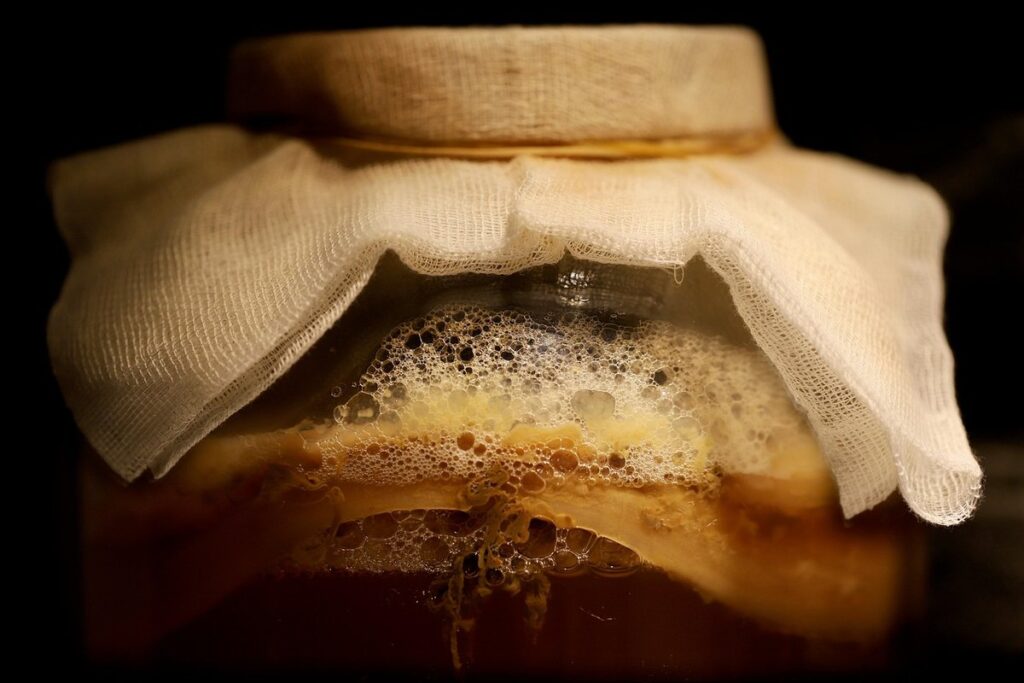
As they break down these sugars, the bacteria produce lactic acid and carbon dioxide gas. The presence of lactic acid lowers the pH of the pickling liquid, creating an acidic environment that inhibits the growth of unwanted microorganisms. At the same time, the production of carbon dioxide contributes to the characteristic bubbles you see on the surface of fermented foods.
The fermentation process also creates beneficial probiotics, which can aid in digestion and boost the immune system when consumed. In making fermented pickles, this means that not only are we preserving the cucumbers through lactic acid production, but we’re also creating a nutritious snack or side dish rich in live cultures.
Why Choose Fermented Pickles Over Traditional Methods
Fermented pickles offer a distinct advantage over traditional vinegar-based pickles in terms of taste and texture. The fermentation process allows for a more nuanced flavor profile, with a tangy, slightly sour taste that develops over time. In contrast, vinegar-based pickles can have an overpowering acidity that masks the natural flavors of the cucumbers.
In addition to improved taste, fermented pickles also retain their crunchiness for longer periods. The lactic acid produced during fermentation acts as a natural preservative, which helps maintain the texture and freshness of the pickles. Vinegar-based pickles, on the other hand, often become soft and mushy over time due to the high acidity.
Fermented pickles also offer nutritional benefits over traditional methods. The probiotics present in fermented foods can aid digestion and boost the immune system. Additionally, the fermentation process breaks down some of the natural compounds in cucumbers, making their nutrients more bioavailable. This means that fermented pickles are not only delicious but also a healthier alternative to vinegar-based pickles.
The Science Behind Fermentation: A Brief Overview
Fermentation is a biochemical process where microorganisms like bacteria and yeast break down sugars to produce lactic acid. This process involves several key steps: first, the bacteria consume sugars present in the food, converting them into carbon dioxide and lactic acid as byproducts. The most well-known example of this process is the production of lactic acid by Lactobacillus plantarum, a common bacterium found on cucumbers.
During fermentation, the bacteria multiply rapidly, creating an acidic environment that inhibits the growth of other unwanted microorganisms. As a result, fermented foods like pickles contain high levels of lactic acid, which has several benefits for gut health. Lactic acid helps to preserve food by making it more difficult for pathogens to grow, and its antimicrobial properties also promote a balanced gut microbiome.
The production of lactic acid during fermentation is not limited to bacteria; yeast can also contribute to this process. However, in the context of fermented pickles, bacteria like Lactobacillus plantarum play a more significant role. The pH level of the brine solution and the temperature at which it ferments will influence the rate and efficiency of lactic acid production.
The acidity and microbial composition of fermented foods can have a positive impact on gut health by providing beneficial probiotics, prebiotics, and antimicrobial compounds that help maintain a balanced gut microbiome.
Preparing Your Pickling Jar and Ingredients
Before you start creating your fermented pickles, let’s make sure your jar and ingredients are ready to go. This includes preparing a clean jar and selecting the perfect cucumbers for your recipe.
Choosing the Right Cucumbers and Other Ingredients
When selecting cucumbers for fermentation, choose varieties that are specifically bred for pickling. These cucumbers tend to be smaller and more compact, with a higher water content, which helps create a tangy, crunchy texture. Look for English or Kirby cucumbers, as they’re popular choices among pickle enthusiasts.
In addition to the right type of cucumber, you’ll also need to select a suitable salt. For fermentation, it’s essential to use a non-iodized, fine-grain salt that won’t inhibit the growth of beneficial bacteria. Unrefined sea salts or kosher salts work well for this purpose. Be sure to avoid using table salt, as its additives can hinder fermentation.
Other ingredients you’ll need include spices and flavorings such as garlic, dill, and mustard seeds. You may also choose to add a small amount of vinegar or other liquid to help balance the brine’s acidity. However, keep in mind that excessive acidity can harm beneficial bacteria growth, so use these additives sparingly.
When selecting spices, consider the flavor profile you want to achieve with your pickles. Traditional dill and garlic are popular choices, but feel free to experiment with other combinations to suit your taste preferences.
Preparing Your Pickling Jar and Equipment
Before filling your pickling jar with the brine solution and ingredients, ensure it’s properly prepared to prevent contamination during fermentation. Start by washing the jar thoroughly in hot soapy water, then rinse it completely to remove any residue. Next, sanitize the jar by submerging it in a pot of boiling water for 10-15 minutes. Alternatively, you can sterilize the jar using a dishwasher on a hot cycle.
It’s essential to use a glass jar with a lid, as ceramic or metal containers may impart unwanted flavors and contaminants into the pickles. A wide-mouth jar is also recommended, making it easier to pack the ingredients tightly and allowing for more efficient fermentation. When selecting a lid, choose one made from a food-grade material that won’t react with the acidic brine.
To further minimize the risk of contamination, make sure your utensils and workspace are clean and sanitized as well. A clean environment will help prevent unwanted bacteria and yeast from entering the jar during the fermentation process. By following these simple steps, you’ll be able to create a clean and sterile space for your pickles to ferment, reducing the risk of spoilage and ensuring a healthy fermentation.
Creating the Brine Solution and Assembling the Pickles
Now that you’ve prepared your cucumbers, it’s time to create a brine solution and assemble everything for fermentation. Let’s start by making the brine.
The Importance of Salt in Fermentation
Salt plays a crucial role in creating an environment that fosters beneficial bacteria growth while inhibiting unwanted pathogens during fermentation. When you add salt to the brine solution, it creates an osmotic environment that makes it difficult for pathogenic bacteria like Clostridium botulinum to grow. These unwanted microorganisms thrive in low-salt environments and can produce toxins that are harmful to human health.
In contrast, beneficial lactic acid bacteria such as Leuconostoc, Lactobacillus, and Pediococcus can tolerate high salt levels and even require them to maintain their growth and metabolic activity. By creating a brine solution with sufficient salt, you create an environment that is conducive to the growth of these beneficial microbes.
As a general rule, a 5-6% salt concentration in the brine solution is recommended for fermented pickles. This amount allows for the growth of beneficial bacteria while preventing the growth of pathogens. Keep in mind that the type of salt used can also impact the fermentation process. Unrefined or sea salts are often preferred over table salt due to their coarser texture and mineral content, which can enhance flavor and promote healthy microbial growth.
Preparing the Brine Solution: A Recipe and Guide
To create a basic brine solution for fermented pickles, you’ll need 1 cup of kosher salt (or any other non-iodized salt) dissolved in 1 gallon of water. This ratio is essential for creating an environment that’s conducive to healthy fermentation.
Here are some tips for preparing the brine solution:
- Use filtered or bottled water to prevent chlorine from interfering with the fermentation process.
- For a more intense flavor, you can increase the salt concentration by using less water or adding more salt.
- To create a sweet and spicy brine, try adding 1/4 cup of brown sugar and 1-2 tablespoons of hot sauce (such as sriracha) to the solution.
When it comes to adjusting the brine solution for specific recipe requirements, consider the type of pickles you’re making. For example:
- If you’re making sauerkraut-style pickles, you may want to add caraway seeds or other spices to the brine.
- For a more traditional dill pickle flavor, try adding 1/4 cup of fresh dill weed to the brine solution.
- If you’re using garlic in your recipe, be sure to chop it finely and add it to the brine for an intense flavor boost.
Fermenting Your Pickles: Tips and Tricks
Now that you’ve got your pickling mixtures made, it’s time to ferment them into tangy, crunchy delights. This is where the magic happens – let’s explore essential tips for a successful fermentation process.
Monitoring Temperature and Progress During Fermentation
Proper temperature control is crucial during fermentation to ensure the growth of beneficial microorganisms and prevent contamination. You’ll want to store your pickling jars in a cool, dark place with a consistent temperature between 65°F and 75°F (18°C and 24°C). Avoid placing them near direct sunlight or heat sources, as this can promote unwanted bacterial growth.
Monitor your fermentation progress by checking the jar’s weight daily. As the fermentation process begins, you’ll notice a slight decrease in weight due to the release of gases like carbon dioxide and hydrogen sulfide. This is normal and indicates that the fermentation is underway.
Other signs of progress include the formation of bubbles on the surface of the brine and a slightly effervescent or “fizzy” sound when you tap the jar. These indicators suggest that the lactic acid bacteria are actively producing CO2, which helps to preserve the pickles.
Keep an eye out for any unusual odors or off-flavors, as these can be signs of spoilage. If you notice anything amiss, remove the jar from its storage location and inspect it closely. By monitoring temperature and progress regularly, you’ll be able to catch any issues early on and enjoy a successful fermentation process.
Managing Odors and Bubbles During Fermentation
To manage odors and bubbles during fermentation, it’s essential to monitor your pickling jar regularly. Excessive bubbles can be a sign of over-carbonation, which can lead to an overpowering odor. To prevent this, make sure the brine solution is not too salty or sweet. A general rule of thumb is to use 5-10% salt in your brine.
During fermentation, you may notice a layer of foam on top of the liquid. This is normal and indicates that the lactic acid bacteria are active. However, if the foam becomes excessive, it can create an unpleasant odor. To minimize this issue, simply skim off the excess foam with a clean utensil or paper towel.
In some cases, you may encounter strong odors like sulfur or vinegar. These smells typically indicate that the fermentation process is proceeding too rapidly. To slow down the fermentation rate, try reducing the temperature of your pickling environment by 1-2°F (0.5-1°C).
If the odor persists, it’s possible that contaminants have entered the jar. Check for any signs of mold or yeast overgrowth and discard the batch if necessary. By monitoring your pickles regularly and taking prompt action when issues arise, you can ensure a smooth fermentation process and enjoy delicious, tangy pickles.
Harvesting and Storing Your Fermented Pickles
Now that your pickles are fermented, it’s time to harvest them at their peak flavor and store them properly to ensure they stay crunchy and delicious for months to come.
Knowing When to Harvest Your Pickles
Fermentation is a slow process, and timing can be tricky. Check for a tangy flavor by tasting one of the pickles. If it’s too sweet, give them more time – most pickles are ready to eat within 3-5 weeks at room temperature (68°F – 72°F). You’ll also know they’re done when the texture changes: the pickles will be slightly softer and more flexible, rather than crunchy.
Look for a noticeable decrease in acidity, too. As fermentation progresses, the pickles will become less sour and develop a milder flavor. If you notice any off-odors or unpleasant textures, it’s likely due to contamination – discard those batches immediately. Keep an eye out for mold growth as well; if you see any fuzzy patches, it’s best to err on the side of caution and start over.
When in doubt, wait a few more days. If your pickles are too sour, you can always try to salvage them by rinsing them with water or adjusting the brine ratio – but it’s harder to add flavor once it’s gone.
Tips for Long-Term Storage of Fermented Pickles
To maintain the nutritional value and shelf life of your fermented pickles, you need to store them properly. When storing pickles in the refrigerator, make sure they’re tightly sealed in their container or jar with a lid that’s been sterilized before use. This will prevent contamination and spoilage.
In general, it’s best to keep fermented pickles refrigerated at a temperature below 40°F (4°C). This slows down the fermentation process and prevents over-fermentation, which can lead to an unpleasantly sour taste. If you plan to store your pickles for an extended period, consider using glass containers with wide mouths to allow for easy removal of pickles.
If you prefer to freeze your fermented pickles, first make sure they’re completely covered in brine or a suitable substitute to prevent drying out and spoilage. Then, transfer them to airtight containers or freezer bags, pressing out as much air as possible before sealing. Frozen pickles will typically retain their flavor and nutritional value for up to 6-8 months.
When you’re ready to enjoy your stored pickles, simply thaw them in the refrigerator or let them come to room temperature before serving.
Frequently Asked Questions
Can I Use Any Type of Cucumber for Fermentation?
Yes, but it’s best to choose cucumbers that are specifically labeled as “pickling” or “sour” varieties, as they tend to have the right balance of water and acidity for fermentation. These types of cucumbers will produce a more predictable result.
How Long Does It Take to Notice Significant Fermentation Progress?
Significant progress can be noticed within 3-5 days after assembling the pickles in their brine solution, depending on temperature, jar size, and other factors. Keep an eye out for bubbles forming at the surface of the liquid and a slight sour smell.
Can I Use Salt Substitutions Like Sea Salt or Himalayan Pink Salt?
While these types of salt can be used as substitutes, keep in mind that they may affect the flavor profile slightly. For best results, use plain old table salt (sodium chloride) for its high solubility and ability to inhibit unwanted pathogens.
How Do I Prevent Molds from Growing on My Fermented Pickles?
To prevent mold growth, ensure your pickling jar is properly sanitized before use, and make sure the brine solution is not too diluted. Also, store the jar in a cooler part of your kitchen or pantry to slow down fermentation and prevent over-fermentation.
Can I Ferment Other Vegetables Besides Cucumbers?
Yes, but some vegetables like carrots, beets, and cabbage may require slightly different techniques due to their texture and acidity levels. Experiment with small batches before scaling up to larger quantities, and always follow proper sanitation procedures.

