
Creating beautiful pieces of bead jewelry can be a fun and rewarding hobby, but for many beginners, the process can seem overwhelming. You might find yourself struggling to choose the right beads or mastering the various stitches that come with this craft. One of the most significant challenges in making bead jewelry is selecting the perfect materials – from glass seed beads to crystals and seed pearls – each type has its own unique properties that require specific techniques.
If you’re new to beading, you might find it difficult to balance creativity with technical skill. But don’t worry, with a little practice and some expert guidance, you’ll be creating stunning pieces in no time. In this article, we’ll cover the fundamentals of making bead jewelry, including design principles, materials selection, and troubleshooting common issues. By the end of reading this guide, you will know how to create your own beautiful bead jewelry pieces using various stitches and techniques.
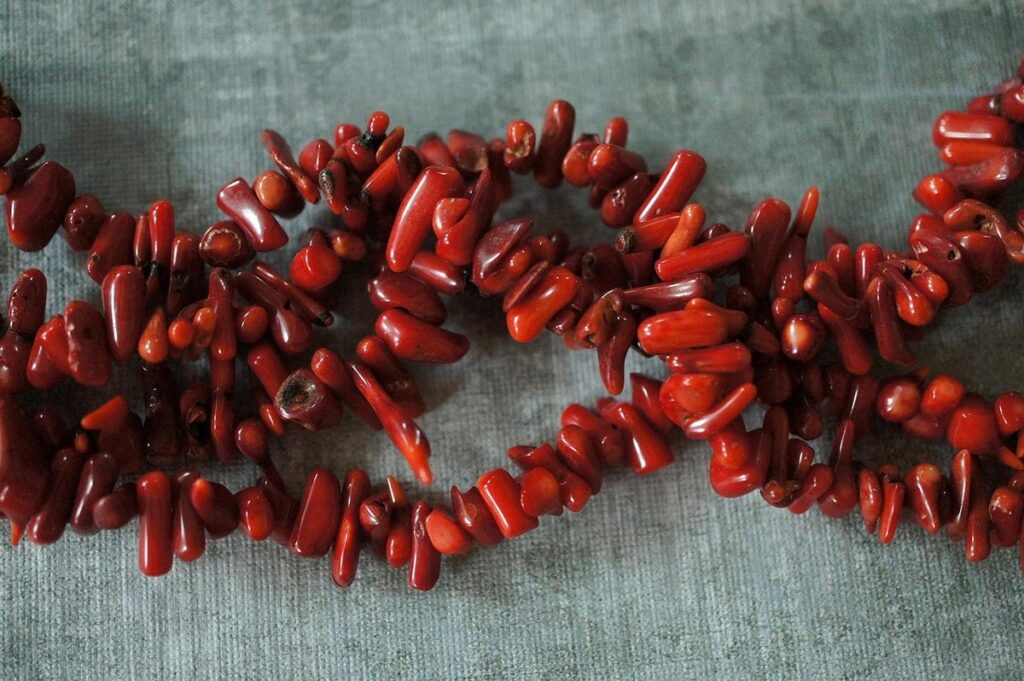
Understanding Beading Basics
To create beautiful bead jewelry, you first need a solid foundation of beading basics, including understanding various types of beads and stringing materials. Let’s start by covering these essential concepts.
Choosing the Right Beads
When selecting beads for a project, it’s essential to consider the intended use and your skill level. Seed beads are ideal for intricate designs, such as lace-like patterns, but may be too small or fiddly for beginners. Gemstone beads offer beauty and durability, making them suitable for statement pieces, but can be heavy and challenging to work with.
Acrylic beads provide a more affordable option while maintaining colorfastness and weight. However, they can be prone to discoloration over time. Think about the scale of your design: larger beads create a bolder look, while smaller ones allow for more intricate details.
For beginners, it’s recommended to start with seed beads or acrylic beads that are easy to handle. More experienced beaders may prefer gemstone beads for their unique characteristics and beauty. When selecting beads, also consider the project’s theme, color palette, and intended wearers’ preferences. For example, if creating a piece for a child, choose beads with a low lead content or opt for hypoallergenic materials.
Basic Jewelry-Making Tools
To begin creating bead jewelry, you’ll need a few basic tools. Start with stringing material such as cord, wire, or thread. These materials come in various thicknesses and textures, so choose one that suits the type of project you’re making. Scissors are also essential for cutting your stringing material to the correct length.
A beading board or mat is another must-have tool. This surface helps keep beads organized and prevents them from getting lost during the design process. It’s usually a rectangular piece with grooves or pockets, allowing you to separate different types of beads by color, shape, or size.
Other specialized tools include crimpers for securing beads onto stringing material and wire cutters for trimming excess wire. Crimpers come in various styles, such as chain crimpers and flat-nose pliers, so select the one that fits your specific needs. Always handle wire cutters with care to avoid injury.
For more intricate designs or precise cuts, consider investing in a beading mat with built-in measuring guides or a tool holder for small components like clasps or findings.
Understanding Bead Measurement and Counting
Measuring and counting beads accurately is essential for creating consistent patterns and ensuring that your design turns out as intended. To achieve uniform bead placement, start by measuring a strand of beads against the pattern or design you’re working with. This will give you a baseline to compare subsequent strands against.
When counting beads, it’s not just about getting an approximate number – precision is key. Use a beading board or mat with measurements marked on it to help you count and place beads accurately. If possible, use a digital scale to weigh your strand of beads, which can also provide an estimate of the total bead count.
To minimize errors and save time in the long run, consider setting up a “bead station” with all necessary materials within easy reach. This can include a beading board, measuring tape, calculator, and a notebook for recording notes on your progress. By establishing a consistent workflow and using these tools, you’ll be able to focus on the creative aspects of beading without worrying about accuracy.
Designing Your Bead Jewelry Piece
To create a beautiful and unique piece of bead jewelry, you’ll need to start by planning out your design, considering factors such as color palette and pattern. Choosing the right beads is just the beginning!
Inspiration and Concept Development
Finding inspiration for making unique bead jewelry pieces can be as simple as browsing through Pinterest boards dedicated to beading. Observe how designers combine different beads, colors, and textures to create visually appealing pieces. You might also want to visit online beading communities where members share their creations, techniques, and tips.
Another way to spark creativity is by flipping through beading books or magazines that showcase intricate designs and various techniques. Alternatively, you can explore the world of nature for inspiration – observe the shapes, colors, and patterns found in flowers, leaves, or stones. Even a casual walk outside can lead to ideas for your next project.
Once you have a general idea, it’s essential to develop your concept further. Start by identifying the desired look, feel, and function of the final piece. What type of jewelry are you making? A statement necklace or an understated everyday piece? Consider the style and era that inspires you – vintage, bohemian, or modern minimalist. By clarifying these aspects, you’ll be able to narrow down your design options and create a cohesive piece that reflects your vision.
Planning Your Design
To create a cohesive and visually appealing design, you need to translate your initial idea into a workable plan. Start by determining the scale of your piece – will it be a statement necklace or a delicate anklet? This decision will influence the number of beads and findings required.
Next, consider the color palette for your design. Beads come in an extensive range of colors, so choose ones that complement each other. A monochromatic scheme can create a sophisticated look, while a bold contrast between two or more hues adds visual interest.
Be mindful of the type of bead you select as well. Different materials, shapes, and sizes evoke distinct emotions and moods. For instance, seed beads are perfect for intricate patterns, whereas larger crystals add drama to a design.
Consider your focal point – the central element that draws attention. This could be a stunning gemstone or an ornate clasp. Balance your design by distributing weight and visual appeal evenly throughout the piece. Don’t forget to leave room for stringing material or findings to connect each component securely.
Beading Techniques and Stitches
Mastering various beading techniques and stitches is essential for creating intricate designs, and we’ll explore some of the most popular methods to enhance your skills. From basic knots to advanced patterns, these essentials will elevate your bead jewelry game.
Basic Stringing Techniques
When working with beads, the foundation of any piece lies in the stringing technique. The choice of material is crucial, as it affects both the durability and aesthetic of the final product. Thread, wire, and cord are the most common options, each with its own set of characteristics.
Thread is a popular choice due to its flexibility and affordability. It’s often used for seed bead work and can be manipulated into various textures through techniques like knotting or wrapping. Wire, on the other hand, provides more structure and is commonly employed in designs that require tension, such as wire-wrapped pendants. Cord offers a middle ground between thread and wire, offering both flexibility and support.
In terms of stringing methods, peyote stitch is a staple in bead weaving. It involves passing the needle through the beads to create a series of interconnected loops. The herringbone weave is another popular technique that creates a reversible fabric-like texture by alternating rows of beads in opposite directions. Experimenting with these basic techniques will allow you to develop your skills and explore more complex designs.
Advanced Stitching Techniques
Mastering advanced stitching techniques is essential to creating intricate and visually appealing bead jewelry. The tubular herringbone stitch is a popular choice for its flexibility and textured appearance. To begin, thread a beading needle with a length of wire or thread, leaving a small tail at the end. Then, pass the needle through the first bead on your work string, followed by two beads in the second row, creating an initial ‘V’ shape.
Next, insert the needle back into the previous bead and pull it gently to create tension. Repeat this process, moving along each row, until you reach the desired length. The tubular herringbone stitch is particularly well-suited for using seed beads or small gemstones.
The brick stitch is another versatile technique that can add depth and visual interest to your designs. To execute a brick stitch, thread two beads onto your beading needle, followed by passing the needle through a bead on either side of the first row, creating a ‘b’ shape. Continue this pattern, alternating rows, until you achieve the desired effect.
Remember to maintain even tension to ensure a smooth and professional finish. Practice these stitches with different materials and bead sizes to develop your skills and style.
Working with Different Materials
When working on unique bead jewelry pieces, you’ll often encounter a variety of materials that require specific handling techniques to achieve professional-looking results. This section will guide you through some essential tips for working effectively with these diverse materials.
Beading on Wire vs. String
When working with beading on wire versus string, several key differences emerge. One significant advantage of wire is its durability – it can withstand heavier beads and more intricate designs without breaking. However, wire can also be unforgiving if not properly formed or secured, leading to uneven patterns and potential breakage.
String, on the other hand, offers greater flexibility in terms of bead size and shape. It’s particularly well-suited for delicate or loose patterns where beads need room to move freely. However, string has its own set of limitations – it can stretch over time, causing beads to become misaligned, and may require more frequent knotting to maintain tension.
To make the most of wire or string, consider the specific characteristics of each material when selecting your project. If you’re working with large or heavy beads, wire’s durability is likely a better fit. For more delicate designs or those requiring a loose pattern, string’s flexibility might be the way to go. Regardless of which material you choose, keep in mind that practice and patience are essential for achieving professional-looking results.
Using Cord and Leather Cords in Bead Jewelry
When working with cord and leather cords in bead jewelry-making, it’s essential to consider their unique properties. Cord, available in various materials such as cotton, nylon, or hemp, can add texture and visual interest to your designs. However, its thickness and tendency to fray can make knotting techniques challenging.
Leather cords, on the other hand, offer a sleek, sophisticated look but require more care due to their delicate nature. They may stretch over time, affecting the overall fit of your jewelry piece. To minimize this issue, it’s crucial to choose high-quality leather cords and adjust your design accordingly.
When knotting cord or leather cords, focus on creating clean, even knots that won’t compromise the finish quality. For a polished look, use a small amount of clear glue to secure the ends, ensuring they don’t fray or come undone over time. Consider using specialized tools like beading boards or cord organizers to keep your work tidy and make adjustments easier.
In terms of finish quality, it’s often better to opt for a subtle, understated knot rather than a more elaborate one that may detract from the overall design.
Tips for Improving Your Skills
To take your make bead jewelry skills to the next level, focus on honing your technique by practicing regularly and experimenting with new techniques.
Troubleshooting Common Issues
When uneven spacing occurs, it’s often due to inconsistent tension when threading beads onto the stringing material. To rectify this issue, try re-threading the beads with a consistent pulling motion, ensuring not to over-tighten or under-tighten. For example, if using wire-wrapping techniques, you can use a beading needle to carefully reposition beads and maintain even spacing.
Incorrectly counted beads are another common problem. To avoid this, double-check your pattern or instructions before starting the project. You can also lay out the beads on a beading board or tray to visualize the sequence. If you’ve already started the project and realize you have too many or not enough beads, don’t panic – simply rethread the excess or order additional beads as needed.
When dealing with incorrectly counted beads, it’s essential to start again from the correct point rather than trying to adjust individual beads. This approach saves time in the long run by preventing further mistakes.
Expanding Your Bead Jewelry Knowledge
Continuously learning and expanding your skills is crucial to mastering the art of bead jewelry-making. Online tutorials are an excellent resource for honing specific techniques, such as wireworking or beading patterns. Websites like Beadaholique, Creativebug, and Jewelry Making Daily offer a wealth of instructional content.
Workshops provide hands-on experience and exposure to various materials and tools. Local craft stores often host bead jewelry workshops, while online platforms like Udemy and Craftsy offer virtual classes. These opportunities allow you to practice techniques in real-time and receive feedback from instructors.
Joining online communities is another key aspect of continuous learning. Facebook groups, Reddit forums, and specialized websites dedicated to beading offer a space for sharing projects, asking questions, and gaining insight from experienced crafters. Participating in these communities can help you stay up-to-date on industry trends, learn new techniques, and connect with like-minded individuals. By incorporating online tutorials, workshops, and community engagement into your practice, you’ll continually expand your knowledge and refine your skills as a bead jewelry-maker.
Conclusion and Final Touches
Now that you’ve mastered various beading techniques, it’s time to finalize your project by adding a personal touch and sharing your beautiful creations with others. We’ll walk through the final steps together.
Completing Your Piece and Adding a Finishing Touch
As you complete your beaded jewelry piece, it’s essential to add findings and clasps that securely fasten the necklace, bracelet, or earrings. For necklaces, consider using a spring ring clasp, lobster claw, or toggle clasp, depending on the design. Earrings typically require earwires or fishhook findings, while bracelets often use jump rings or crimp beads.
To add a professional touch, apply a clear coat of sealant to protect the beads and metal findings from tarnish and fading. This step helps maintain the piece’s appearance over time. When handling finished pieces, avoid exposing them to direct sunlight, moisture, or extreme temperatures, as these conditions can cause damage.
Displaying your finished beaded jewelry is also crucial for long-term preservation. Store each piece in a separate compartment of a jewelry box or case to prevent scratching and tangling. Consider investing in a soft cloth pouch or velvet-lined tray for delicate items like earrings or pendants. Regularly inspect your pieces for signs of wear, such as loose threads or damaged findings, and repair them promptly to ensure continued beauty and functionality.
Final Tips and Encouragement
As you put down your beads and tools for the last time, remember that making bead jewelry is a journey, not a destination. It’s okay to make mistakes – they’re an essential part of the learning process. With each project, you’ll develop your skills and grow as a crafter.
Don’t be discouraged if your early attempts don’t turn out as expected. Practice is key, and even experienced makers face setbacks. Take time to review your work, identifying what went wrong and how you can improve next time. Consider keeping a sketchbook or journal to track your progress and reflect on past projects.
Most importantly, remember why you started making bead jewelry in the first place: for creative expression. Don’t be afraid to experiment with new techniques, colors, or designs. Try combining different textures and materials to create unique pieces that truly reflect your style. With patience and persistence, you’ll develop a distinctive voice as a maker and a deeper appreciation for the art of bead jewelry-making itself.
Frequently Asked Questions
Can I use beads with holes too large for my stringing material?
Yes, you can still use beads with holes that are slightly larger than your stringing material. Simply wrap the stringing material around the bead a few times to secure it in place and prevent it from slipping off.
How do I know when to switch between different beading techniques or stitches?
The choice of beading technique or stitch depends on the desired look, feel, and function of your final piece. Experiment with different techniques and stitches until you find one that suits your design goals. If you’re unsure, refer back to the article’s sections on basic stringing techniques and advanced stitching techniques.
What if I accidentally add too many beads to a pattern and need to start over?
Don’t panic! If you’ve added too many beads to a pattern, carefully remove the excess beads using wire cutters or scissors. Start fresh by re-counting your beads and re-creating the pattern from the beginning.
Can I use metal findings with seed bead jewelry designs?
Yes, you can use metal findings like clasps, earring backs, and head pins to add a touch of elegance to seed bead jewelry designs. Just make sure the metal findings are compatible with the type of beads and stringing material you’re using.
How do I store my finished beaded jewelry pieces to keep them looking their best?
To preserve your finished beaded jewelry pieces, store them in a cool, dry place away from direct sunlight. Use acid-free tissue paper or cloth to wrap each piece separately, and consider displaying your favorites on a jewelry stand or hanging organizer.

