Living in a world where climate change is a pressing concern has become our reality. As individuals, we’re increasingly aware of the impact our daily habits have on the environment, and one key aspect to consider is our carbon footprint. A low-carbon footprint not only helps reduce greenhouse gas emissions but also contributes to creating a more sustainable future for generations to come. However, calculating and managing your carbon footprint can be daunting, especially when it comes to balancing convenience with eco-friendliness. In this article, we’ll explore practical strategies for reducing your carbon footprint through sustainable transportation options like carpooling or electric vehicles, energy-efficient practices at home such as smart thermostats, and incorporating eco-friendly habits in the workplace. By the end of this guide, you’ll be equipped with actionable tips to help you achieve a low-carbon lifestyle.

Understanding Carbon Footprint
A carbon footprint is a measure of the impact our daily activities have on the environment, and understanding it is key to making conscious choices. Let’s break down what factors contribute to your personal carbon footprint.
What is a Carbon Footprint?
A carbon footprint is a measure of the amount of greenhouse gas emissions produced by an individual, organization, or product. It’s calculated by assessing the emissions generated from various activities such as energy consumption, transportation, and waste management. Human activities like burning fossil fuels for electricity and heat, deforestation, and agriculture contribute significantly to greenhouse gas emissions.
Greenhouse gases like carbon dioxide (CO2), methane (CH4), and nitrous oxide (N2O) trap heat in the atmosphere, leading to global warming and climate change. The primary sources of these emissions include transportation, industrial processes, and energy production. For instance, a typical car emits around 4.6 metric tons of CO2 per year, while a commercial airplane flight can produce up to 40 grams of CO2 per passenger mile.
To put this into perspective, if every household in the US replaced just one light bulb with an Energy Star-certified LED, it would prevent 90 billion pounds of CO2 from entering the atmosphere. This small change may seem insignificant, but collective efforts like these can significantly reduce our carbon footprint and contribute to a more sustainable future.
Measuring Your Carbon Footprint
Calculating your carbon footprint involves several steps and considerations. Online calculators are a straightforward way to get an estimate of your greenhouse gas emissions. These tools ask for basic information about your lifestyle, such as energy consumption, transportation habits, and diet. However, keep in mind that these calculations often rely on averages and may not accurately reflect your specific situation.
A more thorough approach involves conducting a personal assessment. This entails tracking your daily activities, from the food you buy to the materials you use for household chores. Factors influencing an individual’s or organization’s carbon footprint include energy consumption, transportation habits, diet, waste management, and consumer choices. For instance, buying locally sourced produce can significantly reduce emissions related to transportation.
When measuring your carbon footprint, it’s essential to consider not just direct emissions but also indirect ones. This means accounting for the production and distribution of goods you use daily, such as clothes, electronics, and home appliances. By understanding these factors, you’ll be better equipped to make informed decisions about reducing your carbon footprint in other areas of your life.
Causes of High Carbon Footprint
Most people aren’t aware that their daily habits and lifestyle choices can significantly contribute to a high carbon footprint, from transportation to energy consumption. This section will examine some common causes of a large environmental impact.
Transportation Emissions
Transportation is a significant contributor to greenhouse gas emissions, responsible for approximately 27% of global CO2 emissions. The majority of these emissions come from personal vehicles, air travel, and shipping. When it comes to driving, the biggest culprit is not the car itself but rather the fuel it consumes. Gasoline-powered cars emit an average of 4.6 metric tons of CO2 per year, while diesel engines release around 5.3 metric tons.
Flying also has a substantial impact on emissions. A single round-trip flight from New York to Los Angeles generates about 0.7 metric tons of CO2 per person. Shipping is another significant source of emissions, with container ships and tankers releasing massive amounts of greenhouse gases as they transport goods across the globe. To put this into perspective, a study found that the shipping industry emits around 940 million metric tons of CO2 annually.
Fortunately, there are alternative modes of transportation available that can significantly reduce your carbon footprint. For instance, taking public transportation or carpooling can cut emissions by up to 75%. Additionally, choosing electric or hybrid vehicles for personal use can greatly reduce your contribution to greenhouse gas emissions.
Energy Consumption
Electricity usage is a significant contributor to carbon emissions, accounting for roughly 25% of global greenhouse gas production. This includes the energy used to power homes, industries, and transportation systems. Heating and cooling are also major consumers of energy, with air conditioning alone responsible for an estimated 10% of global electricity consumption.
Industrial processes require massive amounts of energy, particularly in manufacturing, smelting, and refining. The extraction and processing of raw materials like coal, oil, and natural gas also contribute to high carbon emissions.
To put these numbers into perspective, consider that a typical household’s daily energy usage can be reduced by installing solar panels or investing in an efficient heat pump system. For industries, switching to renewable energy sources or implementing energy-efficient technologies can significantly decrease their carbon footprint.
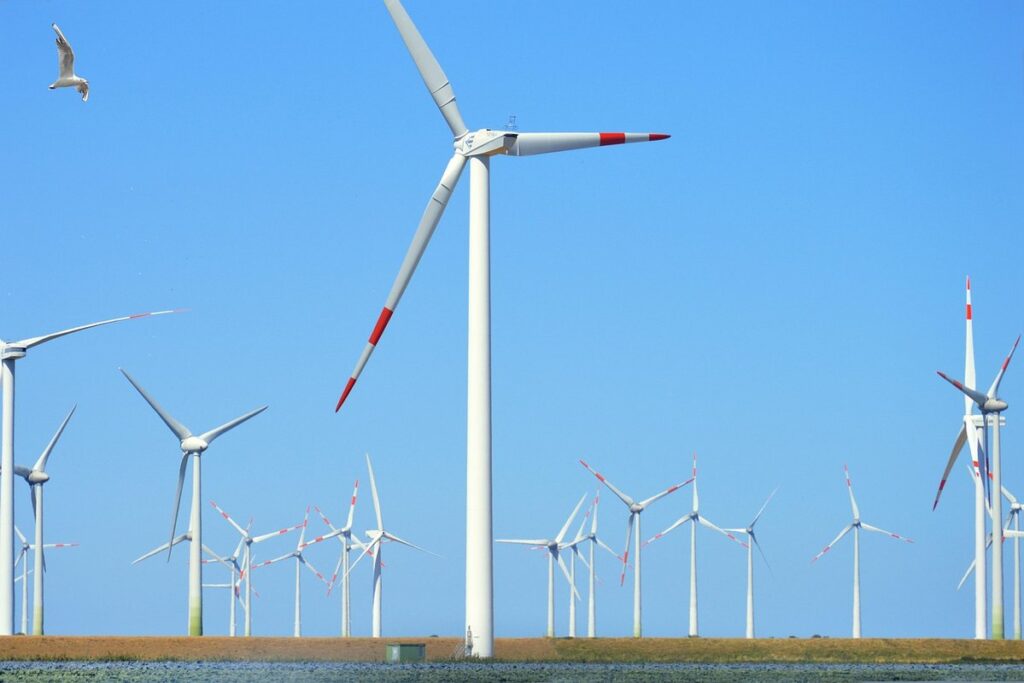
Renewable energy sources like wind and hydroelectric power are increasingly viable alternatives to fossil fuels. Investing in these options not only reduces greenhouse gas emissions but also helps stabilize the grid and improve air quality.
Strategies for Reducing Carbon Footprint
Now that we’ve covered the basics, it’s time to dive into practical strategies for minimizing your daily impact on the environment and reducing your carbon footprint. This section highlights simple yet effective ways to make a difference.
Sustainable Transportation Options
Using electric vehicles is one option to reduce emissions and increase fuel efficiency. EVs produce zero tailpipe emissions, making them an attractive choice for those looking to lower their carbon footprint. However, it’s essential to consider the source of electricity used to charge these vehicles. If the grid in your area relies heavily on fossil fuels, using an EV might not be as environmentally friendly as you think.
Public transportation is another eco-friendly option that can significantly reduce emissions. Buses and trains are often more fuel-efficient than personal vehicles and can carry many people at once. To make public transit even more appealing, consider investing in a transit pass or exploring employer-sponsored programs that encourage the use of public transportation.
Carpooling with colleagues or friends is also an effective way to reduce emissions. By sharing rides, you can split the fuel costs and lower your carbon footprint. Some cities have implemented carpooling apps that connect drivers with passengers traveling similar routes. These platforms can make it easier to find carpooling opportunities in your area.
Cycling is a low-cost, zero-emission option for short trips. Investing in a bike or joining a bike-sharing program can be a great way to reduce your carbon footprint while also improving your physical health.
Energy Efficiency Measures
Upgrading to energy-efficient appliances is one of the most effective ways to reduce energy consumption at home and in the workplace. Look for appliances with the ENERGY STAR label, which indicates they meet energy efficiency standards set by the U.S. Environmental Protection Agency. Replacing traditional incandescent light bulbs with LED bulbs can also significantly reduce energy usage.
Using power strips is another simple yet impactful measure. By plugging electronics like TVs and computers into power strips, you can easily turn off these devices when not in use, preventing standby power consumption. Implementing smart lighting systems that automatically adjust brightness based on natural light levels can also help reduce energy waste. In addition to these measures, consider upgrading to a programmable thermostat to optimize heating and cooling usage.
If you’re planning to renovate or upgrade your home, prioritize energy-efficient features like double-pane windows, insulation, and solar panels. These investments may require an initial upfront cost but will pay off in the long run by reducing energy consumption and utility bills. By incorporating these practical tips into your daily routine and renovation plans, you can significantly reduce your carbon footprint and contribute to a more sustainable future.
Implementing Low-Carbon Practices in Daily Life
Reducing carbon emissions starts at home, and implementing low-carbon practices in daily life is easier than you think. From simple swaps to sustainable habits, every small change counts towards a greener tomorrow.
Food Choices and Their Impact
When it comes to reducing your carbon footprint, food choices play a significant role. Food production is responsible for around 30% of global greenhouse gas emissions, mainly due to agriculture, land-use changes, and transportation. Meat production, in particular, contributes significantly to these emissions, with beef being the most carbon-intensive.
To make more sustainable food choices, consider local sourcing. Buying produce from nearby farms reduces transportation-related emissions, which can account for up to 20% of a product’s total carbon footprint. Look for farmers’ markets or join a community-supported agriculture (CSA) program in your area. A plant-based diet is also an effective way to reduce emissions, as it tends to require fewer resources and generates less waste.
Reducing food waste is another crucial aspect of sustainable eating. Plan your meals, shop from local stores, and use up leftovers or compost food scraps whenever possible. Some popular apps, such as Mealime or Yummly, can help you discover new recipes and make meal planning more efficient. By making these simple changes to your diet, you can significantly reduce your carbon footprint and contribute to a more sustainable future.
Home Renovations for Sustainability
When it comes to making your home more sustainable, renovations can play a significant role. Insulation upgrades are an essential starting point, as they can reduce heating and cooling costs by up to 30%. When selecting materials for insulation, opt for eco-friendly options like recycled denim or wool, which have superior thermal performance.
Solar panel installations are another key aspect of home renovations for sustainability. Not only do they generate clean energy, but they also increase your property’s value. Consider investing in a grid-tied system, which allows you to sell excess energy back to the grid and offset your utility bills.
Rainwater harvesting systems can also be an effective addition to your home. These systems collect and store rainwater for non-potable uses like flushing toilets and washing clothes. When choosing a system, look for one that’s certified by organizations like WaterSense or the International Association of Plumbing and Mechanical Officials (IAPMO).
When renovating your home, don’t forget to consider energy-efficient windows, which can reduce heat loss and gain while also reducing condensation. Additionally, consider investing in smart home technology that allows you to monitor and control your energy usage remotely.
Carbon Offset Options
To reduce their carbon footprint, many people consider investing in carbon offset options that support renewable energy projects and reforestation efforts around the world. This section will examine various offsetting strategies for individuals to explore.
What is Carbon Offsetting?
Carbon offsetting is a way to compensate for emissions not yet reduced by investing in projects that lower greenhouse gas emissions elsewhere. This can be especially useful when you’re unable to make immediate changes or when you want to offset existing emissions from past activities.
One type of project often supported through carbon offsetting is renewable energy initiatives, such as building wind farms or installing solar panels in developing communities. These projects not only reduce the amount of greenhouse gases emitted but also provide clean energy for local populations.
Another example includes reforestation and afforestation efforts, which involve planting trees to absorb carbon dioxide from the atmosphere. This can be done on a small scale by individuals, organizations, or governments. Carbon offsetting can also support sustainable agriculture practices that promote soil health, reduce synthetic fertilizers, and decrease emissions associated with farming.
When choosing a project to support through carbon offsetting, it’s essential to look for reputable providers that offer transparent information about their projects’ impact and methodology. This way, you can ensure your investment is truly making a difference in reducing global emissions.
Choosing a Reputable Offset Provider
When selecting a carbon offset provider, it’s essential to consider several key factors. Project verification is crucial, as you want to ensure that the offset projects are real and accurately reflect the promised reductions. Look for providers that have third-party audits or certifications from reputable organizations like the Verified Carbon Standard (VCS) or the Gold Standard.
Additionality refers to whether the project would have occurred regardless of the carbon credits being sold. A good offset provider should demonstrate that their projects meet this criterion, meaning they wouldn’t have happened without the revenue generated by selling carbon credits. This ensures that your offsets are genuinely reducing emissions.
Permanence is another critical factor, as you want to know that the project’s benefits will last over time. Consider providers that guarantee at least a 10-year commitment to their projects, with clear mechanisms for monitoring and reporting on progress. Some reputable offset providers also offer additional assurances, such as guarantees or insurance policies, to protect against project failure or changes in local regulations.
Long-Term Solutions for a Low-Carbon Future
Now that you’ve taken steps towards reducing your daily carbon footprint, it’s time to focus on long-term solutions that will help you achieve a low-carbon lifestyle. These strategies involve making significant changes to your home and community.
Government Policies and Regulations
Government policies and regulations play a crucial role in promoting low-carbon practices and investing in renewable energy. Many countries have implemented laws and programs aimed at reducing greenhouse gas emissions, such as carbon pricing mechanisms, clean energy standards, and green building codes.
Successful examples can be seen in countries like Norway, which has set ambitious targets for electrification of transportation and aims to be carbon neutral by 2030. The Norwegian government offers incentives for electric vehicle adoption, including tax exemptions and preferential parking spots. Similarly, the UK’s Renewable Heat Incentive (RHI) scheme provides financial support to households and businesses that install renewable energy technologies.
To replicate this success, governments can establish clear policies and regulations that encourage low-carbon practices. This includes setting binding targets for emissions reduction, implementing carbon pricing mechanisms, and providing incentives for renewable energy adoption. Additionally, governments should invest in research and development of new clean technologies and provide education and training programs to support the transition to a low-carbon economy.
Some notable initiatives include:
- The European Union’s Emissions Trading System (EU ETS), which caps emissions from certain industries
- The US State of California’s Zero Emission Vehicle Mandate, requiring automakers to sell a certain percentage of electric vehicles
- The German Energiewende program, aiming for 65% renewable energy share by 2030
Community-Led Initiatives
Community-driven projects are sprouting up across cities and towns, promoting sustainable living through innovative community-led initiatives. These efforts showcase the potential for individuals to collectively drive positive change and contribute to a lower carbon footprint.
Green spaces, often created by local residents and volunteers, serve as oases in urban environments. They provide areas for recreation, air quality improvement, and stormwater management, all while fostering a sense of community. A notable example is the High Line in New York City, transformed from an elevated rail line into a public park.
Urban agriculture projects are another form of community-led initiative that reduces carbon emissions by promoting local food production. These initiatives often involve cooperatives where members work together to maintain and manage plots, sharing resources and knowledge. The Boston Area Gleaners, for instance, collect surplus produce from farmers’ markets and distribute it to those in need.
Cooperative housing developments are also gaining traction as a way to reduce carbon emissions through shared resources and collective decision-making. These communities often incorporate features like solar panels, community gardens, and car-sharing programs, encouraging residents to live more sustainably.
Frequently Asked Questions
How can I calculate my carbon footprint accurately?
Calculating your carbon footprint requires considering multiple factors such as energy consumption, transportation emissions, and food choices. To ensure accuracy, use reputable online calculators that account for these various influences. Additionally, conduct a personal assessment of your daily habits to identify areas for improvement.
What if I’m unable to afford eco-friendly upgrades at home?
Eco-friendly upgrades can be costly, but there are ways to make them more affordable. Consider retrofitting existing appliances with energy-efficient components or seeking out rebates and incentives from local governments or utility companies. Moreover, prioritize the most impactful changes, such as upgrading insulation or installing solar panels.
Can I offset my carbon emissions by planting trees?
Planting trees can help sequester carbon dioxide, but it’s not a direct offset for your emissions. While reforestation efforts are essential for overall environmental health, they don’t account for the exact emissions you’ve produced. For effective carbon offsetting, focus on supporting projects that reduce greenhouse gas emissions in real-time.
How do I balance my desire to travel sustainably with financial constraints?
Traveling sustainably can be expensive, but there are ways to make it more affordable. Consider budget airlines or trains for shorter trips and plan your vacations during off-peak seasons when prices tend to be lower. Additionally, offset your emissions from flights by supporting projects that reduce carbon pollution in the airline industry.
Is it necessary to completely eliminate meat from my diet to have a low carbon footprint?
Reducing meat consumption can significantly lower your carbon footprint, but eliminating it entirely isn’t always feasible or healthy. Focus on incorporating more plant-based meals and choosing sustainable, locally sourced options when possible. Even reducing meat intake by half can make a substantial difference in your overall emissions.