
Creating confident line drawings requires more than just holding a pencil. It demands a deep understanding of basic strokes, such as hatching and cross-hatching, as well as advanced techniques like gesture drawing and contouring. Without proper skills in line drawing, even the most intricate designs can fall flat. But with practice and patience, you’ll be able to apply your new-found knowledge in various artistic contexts – from illustration and cartooning to architecture and design. This article will guide you through the essential steps of mastering line drawing, from basic strokes to advanced techniques, so that you can create line drawings with confidence and style. By the time you finish reading this post, you’ll be able to apply your new skills in a range of artistic situations.
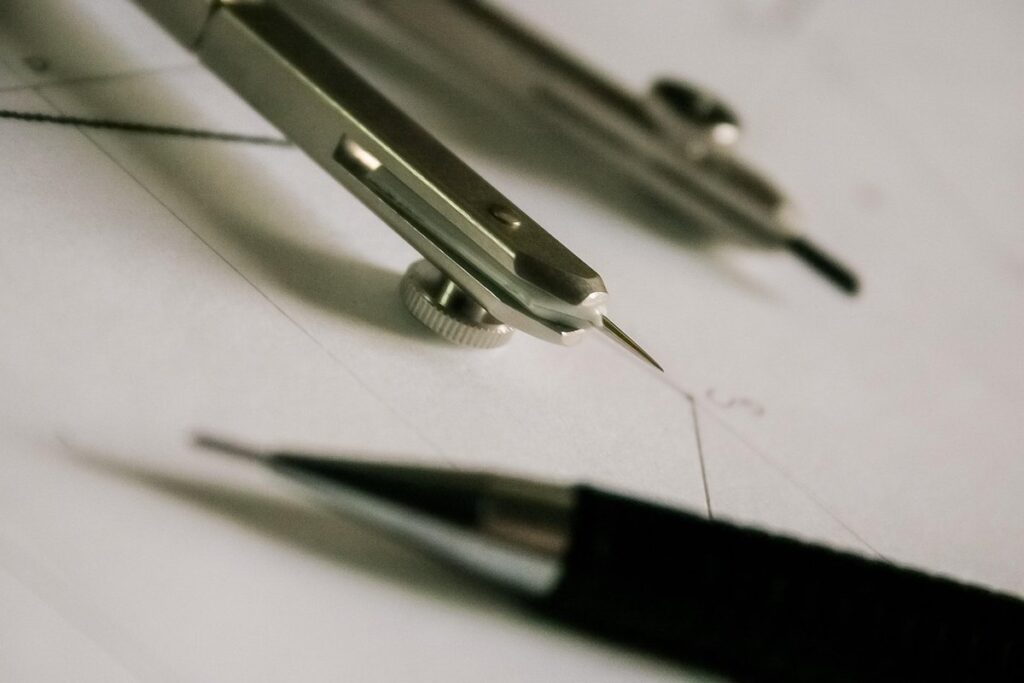
Understanding the Basics of Line Drawing
Let’s start by understanding what makes a line drawing tick, and that begins with grasping some fundamental principles of line creation. These basics will form the foundation for more advanced techniques.
What is Line Drawing?
Line drawing is a fundamental art technique that has been used for centuries to create simple yet powerful images. At its core, line drawing involves creating an image using only lines – no colors, no textures, just pure lines. The simplicity of this technique belies its versatility and range, as it can be used in everything from cartoons and comics to architecture and engineering.
The history of line drawing dates back to ancient civilizations, where artists used lines to create detailed illustrations on walls and papyrus. In the modern era, line drawing has evolved into a diverse range of styles and techniques, from the bold simplicity of minimalist art to the intricate details of Japanese sumi-e.
Regardless of its application or style, line drawing serves one fundamental purpose: to communicate an idea or emotion through the use of lines alone. This means that line drawing is not just about creating aesthetically pleasing images, but also about conveying meaning and telling a story. Whether used in fine art, graphic design, or everyday communication, line drawing offers a unique and powerful way to express oneself visually.
Essential Tools for Line Drawing
When it comes to creating line drawings, having the right tools is essential. A good pencil is a must-have for line drawing, and it’s worth investing in a few high-quality pencils with different hardness levels (HB, 2B, 4B, 6B). These will allow you to achieve a range of lines, from light and delicate to dark and expressive.
In addition to pencils, pens are also a crucial tool for line drawing. Fine-tip pens like the Sakura Micron or Faber-Castell Pitt Artist Pen are ideal for creating fine details and precise lines. A set of pens with different tip sizes will give you more versatility and allow you to achieve various effects.
The paper you use can greatly impact your line drawings. Look for smooth, high-quality paper that is designed specifically for drawing. Some popular options include hot press watercolor paper or Bristol board. These papers have a smooth surface that allows for precise lines and minimal bleed-through.
When choosing tools, consider the type of line drawing you want to create and the effect you’re trying to achieve. Experiment with different pencils and pens to find what works best for you.
Basic Strokes and Techniques
To master line drawing, you need to learn basic strokes and techniques. One fundamental method is hatching, where you create a series of closely spaced parallel lines that follow the contours of your subject. This technique can be used to convey texture, shading, and volume.
Another essential technique is cross-hatching, which involves layering hatching lines at different angles to achieve deeper shading and dimensionality. By varying the pressure and direction of your strokes, you can create a range of tonal values from light to dark.
Stippling is another basic stroke that involves creating small dots to form an image. This technique requires patience and precision but can produce striking results when executed correctly. To master these techniques, practice drawing simple shapes and forms using different strokes. Start with gentle lines for details and gradually build up layers of darker shading for depth.
Creating Line Art: From Sketch to Finished Piece
To create a stunning line art piece, you’ll need to learn how to take your initial sketch and transform it into a visually striking work of art. This process requires patience and practice, but with the right techniques, anyone can achieve professional-looking results.
Planning Your Composition
When planning a successful composition for a line art piece, balance is key. A well-balanced composition will draw the viewer’s eye through the artwork and create visual interest. To achieve balance, consider the placement of negative space around your subject. This doesn’t mean leaving large empty areas – sometimes it’s as simple as leaving a small gap between the subject and its surroundings.
Proportion is also crucial in line art. Make sure the size and scale of your elements are relative to each other and the overall artwork. For example, if you’re drawing a portrait, ensure that the proportions of the head, body, and limbs are accurate and harmonious.
Finally, consider the visual flow through your composition. This can be achieved by creating paths for the viewer’s eye to follow using leading lines, shapes, or forms. Visual flow can also be manipulated by placing elements at different levels in the artwork – some elements should be placed closer to the foreground while others should recede into the background.
To put these principles into practice, try sketching a basic composition first without worrying too much about details. Get a feel for how your subject interacts with its surroundings and make adjustments as needed.
Building Up Layers
When building up layers in a line drawing, consider using various techniques to create visual interest. Blending lines can be achieved by layering similar weights of pencil strokes or using a blending stump to merge edges. This technique helps to soften harsh lines and creates a more cohesive look.
Layering is another effective method for adding depth and dimensionality to your artwork. Start with lighter layers, gradually building up to darker ones to avoid overpowering the image. You can also experiment with layering different line weights and textures to create contrast and visual interest.
Texture creation through layering involves using various tools or techniques to produce a range of textures, from smooth to rough. For example, you can use a hatching tool to create fine lines that resemble hair or foliage. Alternatively, try using a textured marker or applying salt to your paper for a more dramatic effect. When creating texture layers, it’s essential to balance them with lighter areas to prevent overwhelming the composition.
To achieve harmonious layering, focus on maintaining consistent line weights and values throughout your piece.
Refining Your Lines: Tips and Tricks
When refining your lines, it’s essential to correct mistakes without erasing entire sections. Instead, use a fine-tip pen or a small brush to carefully erase or cover up errors. This approach will save you time and prevent the surrounding area from becoming distorted.
To achieve smooth transitions between lines, focus on maintaining consistent line weight throughout the piece. Varying line weights can create visual tension, so aim for uniformity unless intentional contrast is desired. Practice using a range of line weights to develop muscle memory and control.
Subtle variations in line style can add depth and interest to your drawing. Experiment with different pen angles, pressures, and strokes to create expressive lines. For example, try using loose, gestural lines for expressive gestures or tight, controlled lines for detailed work.
To achieve smooth transitions between varying line styles, use a technique called “linking” – connecting two disparate lines with a gentle, flowing curve. This helps guide the viewer’s eye through your drawing and creates a cohesive look.
Use these techniques to refine your lines and elevate your line drawings from simple sketches to finished pieces.
Advanced Line Drawing Techniques
Now that you’ve mastered the basics, it’s time to take your line drawing skills to the next level by exploring more complex techniques and methods for creating detailed artwork.
Expressive Line Art: Experimentation and Innovation
Expressive line art is a natural progression from mastering basic strokes and techniques. By embracing experimentation and innovation, you can unlock new ways of conveying emotion, texture, and atmosphere through your drawings. Gestural drawing, for instance, involves capturing the dynamic movement of the human body or objects in a spontaneous and expressive manner. This approach encourages loose, fluid lines that convey energy and movement.
Abstraction is another advanced technique that allows you to distill complex subjects into simplified forms using bold lines, shapes, and textures. Experimenting with different media, such as charcoal, ink, or digital drawing tools, can also significantly impact the character of your line art. For example, combining loose gestural lines with precise hatching techniques can create richly detailed drawings that are both expressive and technically sound.
When experimenting with new techniques, it’s essential to keep an open mind and let go of any preconceptions about what line art should look like. Try exploring different drawing tools, such as brushes, markers, or even found objects, to discover unique textures and effects. Remember, the goal is not to create realistic representations but to convey the essence and mood of your subject through expressive lines and innovative techniques.
Creating Texture and Pattern with Lines
Lines can be used to create a wide range of textures and patterns, adding depth and visual interest to a piece. Hatching is one technique for creating texture, where closely spaced parallel lines are used to suggest the roughness or smoothness of an object’s surface. For example, hatching can be used to depict the wood grain on a wooden table, with thicker lines representing more prominent wood fibers.
Cross-hatching involves layering hatching lines at different angles to create a more intricate texture. This technique is often used to show detailed, high-contrast areas in a drawing. Stippling, another technique for creating texture and pattern, uses small dots instead of lines to build up an image. By varying the size and spacing of these dots, artists can achieve a range of textures from smooth to rough.
When using hatching or cross-hatching techniques, consider the overall direction and density of your lines to control the level of detail and realism in your drawing. Experiment with different line weights and styles to find the right balance for your piece.
Adding Value and Depth with Shading Techniques
Atmospheric perspective is a fundamental principle in shading techniques that can greatly enhance the depth and value in your line drawings. By using lighter colors for objects in the distance and darker colors for those closer to the viewer, you create a sense of recession on the page. This can be achieved by applying gentle hatching or cross-hatching strokes with a range of tonal values.
Chiaroscuro is another powerful tool for adding depth and value to your line drawings. By using strong contrasts between light and dark areas, you can create a sense of volume and three-dimensionality on the page. To achieve this, try applying bold, expressive lines or hatching strokes that vary in density and darkness.
In addition to these techniques, you can also use subtler shading methods such as gradient and texture to add depth and interest to your line drawings. For example, using a soft pencil to create gentle gradations of tone can suggest the smoothness of skin or the softness of fabrics.
Applying Line Drawing Skills in Different Contexts
Now that you’ve mastered the basics of line drawing, it’s time to take your skills to new heights by applying them in various creative contexts. You’ll learn how to adapt your techniques for different mediums and styles.
Cartooning and Caricature
Cartooning and caricature rely heavily on exaggeration and simplification to convey a character’s traits or emotions. To create effective cartooning and caricature, focus on amplifying distinctive features such as facial expressions, hairlines, and body proportions. For example, a character with a prominent nose might have an even larger one in a caricature, while their eyes remain relatively proportional.
When simplifying forms, consider the essential shapes that make up the subject’s structure. Break down complex shapes into basic geometric forms like spheres, cylinders, or rectangles to create a more stylized representation. This process not only speeds up drawing but also allows for greater exaggeration and emphasis on key features.
Visual storytelling in cartooning and caricature involves using lines to convey action, mood, and personality. Use bold lines to depict dynamic movements, and softer lines for static poses or emotional expressions. By mastering these techniques, you can effectively communicate the essence of your subject through line drawing, making it more engaging and memorable for viewers.
Illustration and Graphic Design
Line drawing is an integral part of illustration and graphic design. Many famous illustrators and designers rely on line art to convey their message and create visually striking pieces. For instance, M.C. Escher’s intricate drawings are a testament to the power of line work in creating complex and detailed compositions.
In graphic design, line drawing is used to create icons, typography, and other visual elements that add depth and interest to a design. A simple yet effective example is the use of hand-drawn lines in branding logos, such as the iconic Coca-Cola script logo. This style has been adopted by many designers to give their work a personal touch.
To apply line drawing skills in illustration and graphic design, consider experimenting with different line weights, styles, and textures. This can be achieved through various techniques, including hatching, cross-hatching, and stippling. By mastering these techniques, you can create visually appealing and unique pieces that stand out from the crowd.
Line Drawing for Animation and Comics
To create convincing animation and comics, you need to master the art of line drawing. Smooth motion lines are essential for creating fluid movement on the screen. To achieve this, use gentle curves and subtle variations in line weight. For example, think of a character’s arm swinging from side to side – the line should flow smoothly without any abrupt changes.
Dynamic poses require more dramatic lines that convey energy and tension. Use thicker lines and sharp angles to create a sense of power and movement. Action-packed sequences demand even more exaggerated lines that help the viewer follow the action quickly. Consider using bold, expressive lines for characters in motion and softer lines for backgrounds or static elements.
When drawing comics, you need to balance dynamic poses with detailed facial expressions. To achieve this, use short, fluid lines for facial features and longer, more flowing lines for body language. For animation, think about the 12 basic principles of animation, which include squash and stretch, anticipation, and follow-through. By applying these principles and mastering line drawing techniques, you can bring your characters to life on the page or screen.
Overcoming Common Challenges in Line Drawing
As you hone your line drawing skills, you may encounter issues that hinder your creative flow. In this next part of our exploration, we’ll tackle some common challenges to overcome these obstacles and improve your technique.
Overcoming Fear of Making Mistakes
Overcoming Fear of Making Mistakes is a common hurdle for artists learning to draw with lines. This fear can stem from uncertainty about technique, lack of confidence in one’s abilities, or simply being unsure if something will turn out “right.” In reality, mistakes are an essential part of the learning process – even experienced artists make errors.
To begin to overcome this fear, it helps to shift your mindset around mistakes. Instead of viewing them as failures, try seeing them as opportunities for growth and improvement. Every mistake can teach you something new about line drawing, from the subtle nuances of stroke weight to the effects of varying line direction.
When experimenting with different techniques or styles, remember that it’s okay if things don’t turn out exactly as planned initially. You’re not wasting paper – you’re developing your skills. Keep an open mind and a willingness to try new approaches, even if they seem unconventional at first. Some artists find it helpful to practice freehand line drawing without any reference images or guidelines – this can help loosen up your hand and get you out of your comfort zone.
It’s also essential to separate your self-worth from your work. A mistake on the page doesn’t define your artistic abilities as a person.
Building Confidence and Developing Style
Building confidence in your line drawing skills takes time and practice. Start by setting achievable goals for yourself, whether it’s mastering a specific stroke or completing a piece within a certain timeframe. Break down larger projects into smaller tasks to maintain momentum and avoid feeling overwhelmed.
Experimentation is key to developing a unique style. Try different mediums, such as pencils, pens, or digital tools, to discover what works best for you. Don’t be afraid to make mistakes – they can often lead to unexpected breakthroughs. Look to other artists’ work for inspiration, but also take note of what makes their styles distinct and how you can incorporate those elements into your own.
Find inspiration in various sources: observe the lines and shapes in nature, architecture, or even everyday objects. Study the works of different line artists, not just for technical skill, but also for how they convey emotion and mood through their lines. Take time to analyze what makes a piece visually appealing and how you can apply those principles to your own work.
Remember that developing style is an iterative process – it evolves over time as you continue to practice and experiment. Be patient with yourself, and don’t compare your early attempts to more polished works. Focus on the progress you make each day, and celebrate small victories along the way.
Frequently Asked Questions (FAQs)
We’ve compiled a list of common questions and answers on line drawing techniques, addressing some of the most frequently asked queries about creating effective lines. Check out our responses below!
Common Mistakes to Avoid
When creating line drawings, it’s easy to fall into common pitfalls that can hinder your progress and affect the overall quality of your work. One mistake many artists make is overworking their lines, resulting in a piece that feels cluttered and busy. To avoid this, focus on establishing a clear composition and sticking to a simple color palette.
Another mistake is neglecting to plan your composition before starting to draw. Without a solid concept, it’s easy to get lost in the process and end up with a disjointed final product. Take some time to brainstorm ideas and sketch out rough compositions – this will help you stay focused and ensure your line drawing flows logically.
Inadequate use of negative space is another common error. Failing to leave enough empty space around your subject can make it feel cramped and overwhelming. Practice using negative space effectively by experimenting with different composition techniques, such as the rule of thirds or the golden ratio.
To correct these mistakes and improve your line drawing technique, try the following:
- Simplify your lines and focus on clean, decisive strokes.
- Plan your composition carefully before starting to draw.
- Use negative space effectively to create a balanced and visually appealing final product.
Tips for Sharing Your Line Art Online
When sharing your line art online, consider formatting it for optimal viewing. This means using a clear, high-contrast background to make your lines stand out. A simple white or light-colored background is usually best, as it allows the viewer’s attention to focus on the lines themselves.
Image optimization is also crucial. Save your artwork in a suitable file format (such as PNG or SVG) and compress the image to reduce its size without compromising quality. This will ensure fast loading times, even for high-resolution images.
Engage with potential viewers by including relevant metadata, such as keywords and descriptions. This helps search engines understand what your art is about and makes it more discoverable. You can also use social media platforms’ built-in features to add tags and descriptions to your posts.
When sharing on platforms like Instagram or Behance, consider using the “portfolio” or “gallery” feature to showcase multiple pieces of artwork in one place. This allows viewers to easily browse through your work and see what you’re capable of.
Frequently Asked Questions
Can I Use Digital Tools to Create Line Drawings?
Yes, you can use digital tools like drawing software or tablets to create line drawings. These tools offer a range of brushes and lines that can mimic traditional media, allowing for flexibility in style and technique.
How Long Does it Take to Master Advanced Line Drawing Techniques?
Mastering advanced line drawing techniques takes time and practice. It’s essential to start with the basics and gradually build up your skills through consistent practice and experimentation with different techniques.
What if My Composition Doesn’t Turn Out as Planned?
If your composition doesn’t turn out as planned, don’t worry! This is a common challenge in line drawing. Take a step back, reassess your design, and make adjustments accordingly. Remember that it’s okay to experiment and try new approaches.
How Can I Create Texture and Pattern with Lines Without Getting Overwhelmed?
Creating texture and pattern with lines can be complex, but breaking it down into smaller elements helps. Focus on one technique at a time, such as hatching or cross-hatching, and practice until you feel comfortable before moving on to more intricate patterns.
Can I Use Line Drawing in Non-Artistic Contexts, Such as Technical Illustration?
Yes, line drawing skills can be applied beyond traditional art forms. Many technical illustrators use line drawing techniques to create detailed illustrations for instructional materials, manuals, and other technical documents.

