
Hosting a traditional Japanese tea ceremony is an art form that requires attention to detail, respect for tradition, and a deep understanding of its principles. While many people are drawn to this serene and elegant ritual, few understand the steps involved in creating such a meaningful experience. Preparing the room, carefully selecting the right utensils and teas, and serving matcha with precision and intention are all essential components of a successful ceremony. In this guide, we’ll walk you through the essential steps and principles of hosting a traditional Japanese tea ceremony, from setting up the tatami mat to the final bow. By the end of this article, you’ll be able to confidently host your own ceremony, inviting guests into a tranquil atmosphere where they can connect with nature and each other.
Preparing for the Ceremony
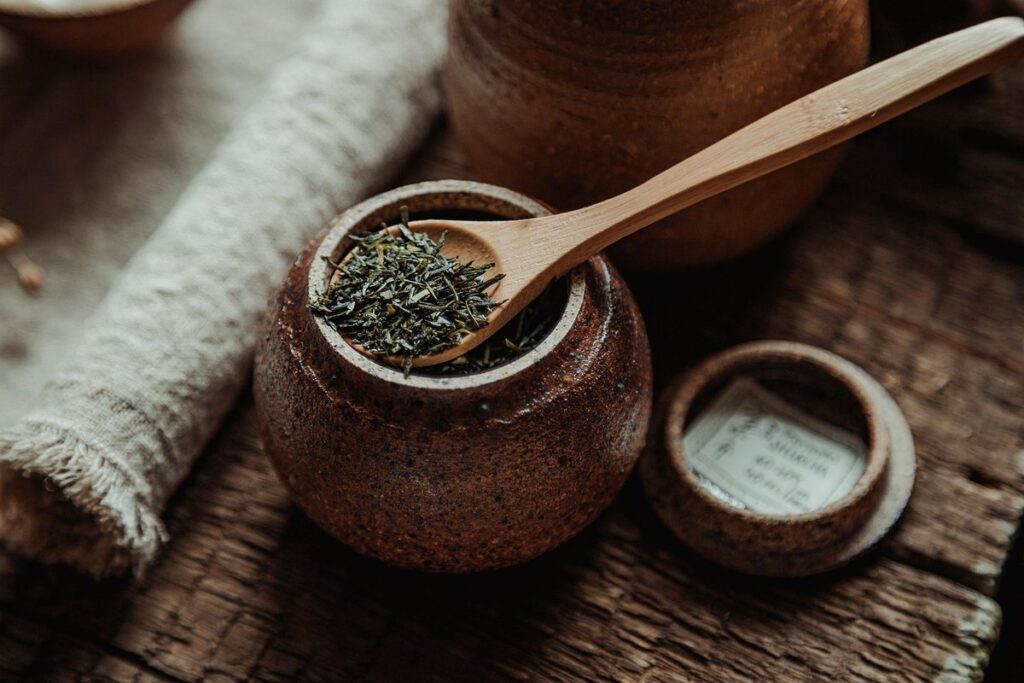
Before you host a traditional Japanese tea ceremony, it’s essential to prepare the space and yourself, carefully considering every detail to create an authentic experience. This includes setting up the tea room and choosing your ceremonial attire.
Understanding the Basic Principles of Chanoyu
The Japanese tea ceremony, also known as Chanoyu, Sado or Ocha, is rooted in 16th-century Japan and has a rich history of spiritual significance. At its core, the ceremony revolves around the preparation and presentation of Matcha green tea, but it’s far more than just a simple tea-drinking experience. Buddhist principles play a significant role in shaping the ceremony, emphasizing mindfulness, respect, and harmony with nature.
To appreciate the significance of Chanoyu, one must understand the importance of mindfulness in this ritual. The ceremony encourages participants to be fully present, letting go of distractions and engaging their senses. As you prepare for the ceremony, take a moment to reflect on the intent behind each step. For example, when selecting the Matcha powder, consider the quality and freshness of the tea leaves as a representation of the importance of using only the finest ingredients.
In Chanoyu, the attention to detail extends beyond the physical aspects of the ceremony. It’s an opportunity to cultivate a sense of awareness and appreciation for the simple things in life. As you prepare to participate in the Japanese tea ceremony, remember that every gesture, every movement, and every decision is an opportunity to embody these principles.
Setting Up the Room
Choosing a venue for your tea ceremony is crucial. Opt for a room with minimal distractions and sufficient space to accommodate your guests comfortably. Ideally, select a tatami-mat room as it’s specifically designed for traditional Japanese settings.
When setting up the seating arrangement, consider having a specific area designated for the host and guest of honor. Typically, this consists of two low-seated chairs or cushions placed opposite each other. Ensure that the chairs are arranged in a way that allows participants to face one another directly, creating an atmosphere conducive to conversation.
Lighting is also essential in setting the tone. Soft, natural light from sliding doors or windows is often preferred over harsh artificial lighting. You may choose to add subtle accents with candles or paper lanterns to create a more intimate ambiance without overwhelming the space.
Preparing the Tea
Now that you’ve learned the basics of Japanese tea ceremony steps, it’s time to focus on preparing the perfect brew. In this part, we’ll cover the essential elements for a traditional Japanese tea preparation.
Selecting the Perfect Matcha Powder
When selecting a matcha powder for the Japanese tea ceremony, it’s essential to consider its origin. High-quality matcha is typically grown in Japan’s Uji region, known for its rich soil and mild climate. Look for powders labeled as “ceremonial grade” or ” premium” for optimal flavor and aroma. Be wary of very cheap options, as they often contain lower-quality ingredients and may be blended with other substances.
Matcha quality is also determined by the shade-grown status of the tea leaves. Tea plants grown in full sun produce a more bitter taste, while those grown under shade develop a sweeter, more complex flavor. Expect to pay between $20-$40 per ounce for high-quality ceremonial matcha. Some reputable brands include Ippodo and Marukyu.
When selecting a matcha powder, it’s also crucial to examine the packaging. Genuine Japanese matcha typically comes in small bags or tins with a foil seal to preserve freshness. Be cautious of powders sold in large containers or those lacking any discernible packaging. When in doubt, opt for a reputable vendor and look for certifications like JAS (Japanese Agricultural Standards) or USDA Organic. This ensures the matcha meets rigorous standards for quality and purity.
Grinding the Matcha
When grinding matcha for a traditional Japanese tea ceremony, it’s essential to grind the powder just before whisking. If you don’t, the flavor and aroma will degrade quickly. Use a traditional stone mill or an electric grinder specifically designed for grinding matcha.
A stone mill is ideal for small batches and provides a more nuanced flavor profile. However, it requires regular maintenance to keep the stones sharp. Electric grinders are faster and easier to use but can generate heat, which can damage the matcha. Choose an electric grinder with a cooling system or grind in short intervals to prevent overheating.
The goal is to achieve a uniform powder that’s slightly coarser than talcum powder. If you’re using a stone mill, grind for about 30 seconds to 1 minute. With an electric grinder, follow the manufacturer’s guidelines for grinding time and speed. Be cautious not to over-grind, as this can create a bitter flavor. A well-ground matcha will have a vibrant green color and release its aroma when whisked.
The Tea Ceremony Rituals
As you’ve learned about the preparations and formalities, let’s now focus on the intricacies of the tea ceremony itself. This includes the steps taken during the ceremony to create a serene atmosphere.
Welcome and Purification Rituals
As guests arrive for a traditional Japanese tea ceremony, they are welcomed with a bow and a gentle greeting. This initial interaction sets the tone for the entire experience, emphasizing respect, gratitude, and mindfulness. The host leads by example, demonstrating the importance of proper etiquette through their own bowing and welcoming gestures.
The next step is to purify the space for the ceremony. This involves cleaning the tea utensils, tea scoop, and whisk with hot water to remove any impurities or residual flavors. The host also uses a bamboo whisk called a “chasen” to brush away any dust or debris from the tea scoop, ensuring it’s clean and free of any contaminants.
In addition to physical purification, the space itself is also prepared through a series of subtle yet intentional actions. Incense is lit to purify the air, and the host carefully arranges the utensils, tea scoops, and tea bowls in a specific order. This attention to detail creates a serene atmosphere, allowing participants to focus on the ceremony’s spiritual and aesthetic aspects. By incorporating these rituals into the ceremony, the host creates an environment conducive to mindfulness and appreciation for the simple pleasures of life.
Serving the Matcha
To serve matcha during the Japanese tea ceremony, you’ll need to handle the utensils with care and precision. Begin by grasping the tea scoop, called a chashaku, between your thumb and index finger, making sure it’s balanced evenly. Hold the whisk, orchasu, in your dominant hand, with the tines facing downwards.
Next, carefully pour a small amount of matcha into the bowl from the scoop. The traditional ratio is about one bamboo scoop per 240ml of hot water. Be mindful not to spill any tea as you pour it.
With the whisk in hand, hold it at an angle over the matcha and gently agitate the mixture in a zig-zag motion. Start with gentle strokes, increasing the speed and pressure until the foam forms. It’s essential to be smooth and controlled when whisking, as too much force can create uneven foam or even break the whisk.
When serving matcha during the tea ceremony, remember that each step is deliberate and ritualistic. Pay attention to the utensils, the preparation of the bowl, and the way you present the tea to your guests. This mindfulness will help create a tranquil atmosphere and ensure a meaningful experience for all involved.
Participating in the Tea Ceremony
As you participate in the Japanese tea ceremony, it’s essential to understand the proper etiquette and roles of each person involved. You’ll be assigned a specific role, such as guest, host, or server, which dictates your actions throughout the ceremony.
Etiquette Rules and Guidelines
When participating in a Japanese tea ceremony, etiquette rules and guidelines are essential to show respect for the tradition and the host. Proper seating is one of the most critical aspects of tea ceremony etiquette. Guests typically sit on tatami mats with their legs tucked under their bodies, which requires them to be seated on the floor with minimal support from cushions.
When handling utensils, guests should use only the tips of their fingers to pick up the whisk or ladle, never touching the rim. They should also hold the handle of the bowl between their thumb and index finger, allowing their other fingers to rest lightly on the bowl’s side. Interaction with the host is equally important; when receiving a gift or offering thanks, guests should use both hands and bow slightly.
It’s customary for guests to wait until invited by the host to participate in the ceremony. Once seated, they should remain silent and still during the tea preparation process, only speaking when directly addressed by the host.
Mindfulness and Appreciation
During the Japanese tea ceremony, mindfulness and appreciation are essential elements for a truly immersive experience. As you participate in the ceremony, make a conscious effort to fully engage with each step, from preparing the tea utensils to serving the matcha. Pay attention to the sound of the water boiling, the scent of the incense, and the visual beauty of the tearoom.
Take time to appreciate the natural surroundings, noticing the changing light, the texture of the stones, or the vibrant colors of the flowers. The Japanese concept of “wabi-sabi” – embracing imperfection and finding beauty in impermanence – is particularly relevant here. Acknowledge the fleeting nature of this moment, just as you acknowledge the imperfections in the handmade tea utensils.
To cultivate mindfulness during the ceremony, focus on your breath and let go of distractions. If your mind wanders, gently refocus on the present moment. As you prepare to serve the matcha, take a moment to appreciate the simple, elegant design of the whisk or scoop. By doing so, you’ll not only enhance your experience but also deepen your connection with the ceremony’s traditions and principles.
Traditional Tea Ceremony Tools and Equipment
To properly prepare for the Japanese tea ceremony, you’ll need to understand the traditional tools and equipment used, from the tea scoop to the tea whisk. Familiarizing yourself with these essentials is crucial for a successful ceremony.
Introduction to Traditional Utensils
In a traditional Japanese tea ceremony, utensils play a crucial role in creating an atmosphere of tranquility and mindfulness. The tea scoop, known as “chashaku,” is used to measure the exact amount of matcha powder needed for each bowl. This delicate tool requires great care and attention to ensure the precise measurement, as too little or too much powder can affect the flavor and aroma of the tea.
The whisk, or “chasen,” is another essential utensil used in the ceremony. Made from bamboo or plastic, it has long, thin wires that are carefully arranged to create a harmonious balance between flexibility and firmness. When using the whisk, it’s essential to hold it vertically, allowing the wires to gently touch the bottom of the bowl, and then move it in a zig-zag motion to froth the matcha.
The traditional tea bowl, or “chawan,” is made from ceramic material and has a simple, elegant design. It’s usually decorated with natural motifs, such as plants or flowers, which add to the ceremony’s serene ambiance. The bowl should be held by the rim, allowing the heat from your hands to warm it slightly before filling it with matcha. This helps bring out the subtle nuances in the tea’s flavor and aroma.
The Significance of Each Tool
Each tool in the Japanese tea ceremony holds profound significance and symbolism, deeply rooted in history and cultural tradition. The tea scoop (chashaku), for instance, represents the delicate balance between precision and subtlety, as a slight miscalculation can ruin the entire ceremony. Its historical context dates back to the 16th century when tea scoops were made from natural materials like bamboo or wood.
The tea scoop’s importance extends beyond its functional role; it serves as an emblem of the host’s attention to detail and commitment to perfection. Similarly, the tea scoop’s smaller counterpart, the chasen (whisk), is more than just a tool for frothing matcha powder – it represents the harmony between movement and stillness.
In the Japanese tea ceremony, every utensil has been imbued with spiritual significance. For example, the tea whisk is traditionally made from bamboo or holly branches, symbolizing renewal and growth. Understanding the historical context and cultural importance behind each tool allows participants to appreciate the ceremony’s nuances and participate more mindfully.
Conclusion
As we come to the end of our journey through the traditional Japanese tea ceremony steps, let’s summarize the key takeaways from your comprehensive learning experience.
Recap of Key Steps and Principles
To host a Japanese tea ceremony, you’ll need to follow a series of steps and principles that create a harmonious atmosphere. This includes inviting guests at the correct time, typically 15-20 minutes before the ceremony begins, and instructing them on the proper way to sit and use utensils.
The guest of honor is usually seated in the alcove or special seat, while other guests sit on tatami mats around the room. The host then washes their hands and prepares the tea utensils and sweets. The first step is preparing the matcha bowl by rinsing it with hot water to remove any dust or impurities.
After this, the host grinds the matcha powder using a slow and deliberate motion. Then, they whisk the mixture to create a frothy consistency. Once prepared, the tea is served to each guest in turn. The ceremony is built around respect, discipline, and attention to detail, with an emphasis on mindfulness and gratitude for nature.
A traditional Japanese tea room typically features natural materials such as wood and stone, which helps to foster a sense of tranquility and calmness.
Final Thoughts on the Ceremony’s Significance
The Japanese tea ceremony is more than just a cultural practice – it’s an immersive spiritual experience. As you’ve now learned the steps to perform this ancient ritual, consider its significance beyond the technical aspects. The ceremony’s essence lies in creating harmony between host and guests, nature, and the simple act of preparing Matcha.
In the stillness of the tea house, you’re not just drinking a beverage – you’re participating in an art form that cultivates mindfulness. The carefully chosen utensils, the deliberate movements, and the tranquil atmosphere all combine to quiet the mind. As a participant, you become part of this symphony, attuning yourself to the present moment.
The value of the Japanese tea ceremony extends beyond the immediate experience. It encourages patience, respect for tradition, and awareness of one’s surroundings. By adopting these principles into your daily life, you’ll find that the ceremony’s lessons resonate far beyond the tea house walls. As you return to your own routines, strive to replicate this harmony in your interactions with others – a sense of balance that can be a powerful catalyst for inner peace.
Frequently Asked Questions
Can I use modern tea ceremony equipment instead of traditional tools?
Yes, while traditional tools and equipment are preferred in a traditional Japanese tea ceremony, you can use modern alternatives if they accurately replicate the look and feel of traditional utensils. However, it’s essential to maintain the spirit and intention behind each tool’s design.
What if I’m unable to find high-quality matcha powder at an affordable price?
There are many online retailers that offer a range of matcha powders from different regions in Japan. You can also consider purchasing matcha in bulk or through subscription services, which may help you balance quality and cost.
How do I handle the whisking process when serving matcha during the ceremony?
To whisk the matcha effectively, hold the whisk vertically with your dominant hand and gently sweep it back and forth in a zig-zag motion. The ideal temperature for whisking is around 160°F to 170°F (71°C to 77°C), which helps to bring out the flavor and aroma of the matcha.
Can I participate in a tea ceremony as an outsider, or do I need to be invited?
While it’s customary to be invited to a traditional Japanese tea ceremony, many temples and gardens offer public ceremonies that are open to visitors. You can also approach local tea societies or cultural organizations to inquire about attending a tea ceremony.
What if I’m hosting a modern adaptation of the Japanese tea ceremony in my own home, incorporating Western elements?
You can still maintain the essence of the traditional ceremony while adapting it to your personal style and environment. Focus on respecting the core principles of mindfulness, appreciation, and connection with nature, even as you introduce new elements to create a unique experience.

