Japanese gardening is an ancient art that has captivated gardeners for centuries with its serene beauty and subtle design. At its core, Japanese gardening is about creating a harmonious balance between nature and human-made elements to evoke a sense of tranquility in the space. Whether you’re looking to recreate the peaceful ambiance of a traditional Japanese garden or simply seeking inspiration for your own outdoor oasis, understanding the history, principles, and key components that define this unique style is essential. In this comprehensive guide, we’ll take you through the evolution of Japanese gardening, its fundamental design principles, and expert advice on selecting plants and designing a low-maintenance yet visually stunning space that brings serenity to your backyard. By the end of this article, you’ll be well-equipped to create your own serene oasis using timeless Japanese gardening techniques and principles.
History and Philosophy of Japanese Gardens
Japanese gardens have a rich history that spans centuries, influenced by Zen Buddhism and traditional Japanese aesthetics, which we’ll explore next. Let’s take a step back to understand how these serene spaces were born.
Understanding the Principles of Shinzen
Shinzen is a fundamental concept in Japanese gardening philosophy, which views the garden as a work of art. This approach emphasizes the importance of creating a harmonious balance between nature and human intervention. The idea is to design a space that not only complements its surroundings but also reflects the artist’s vision.
In shinzen, every element within the garden has a specific purpose, from the placement of stones and water features to the selection of plants and trees. A skilled Japanese gardener must consider factors such as scale, proportion, texture, and color to create visual interest and depth. This attention to detail is essential in creating an immersive experience for visitors.
For example, a garden designed with shinzen principles might include a serene pond surrounded by carefully pruned trees and strategically placed stepping stones. The arrangement of these elements would aim to evoke a sense of tranquility and connection to nature. By applying the principles of shinzen, Japanese gardeners can craft spaces that not only please the eye but also promote spiritual reflection and contemplation.
Influences from Zen Buddhism and Nature
Japanese gardens often embody a profound respect for nature and the principles of Zen Buddhism. This is evident in the design and purpose of these tranquil spaces. The concept of “wabi-sabi” – finding beauty in imperfection and impermanence – is central to Zen Buddhist philosophy and deeply influences the creation of Japanese gardens. Gardens are designed to be simple, uncluttered, and harmonious with their surroundings.
In this context, gardeners aim to create a sense of balance between natural elements like rocks, water features, and trees, rather than imposing human design on the environment. This approach encourages visitors to slow down, observe, and appreciate the beauty in imperfection. As a result, Japanese gardens often lack traditional lawn areas, instead featuring carefully placed stones or stepping stones that lead the viewer through the garden.
When designing your own Japanese-style garden, consider incorporating natural elements and embracing imperfections. A small water feature or a carefully selected stone can be a powerful focal point, drawing the eye to the beauty of nature rather than imposing human-made structures.
Key Principles of Traditional Japanese Gardens
Traditional Japanese garden design is built on a set of principles that prioritize harmony with nature and balance within the space. The concept of “wa” (harmony) emphasizes the interplay between human-made elements and the natural environment, encouraging designers to blend features seamlessly into their surroundings. Balance, or “makoto,” involves creating visual equilibrium through careful consideration of scale, texture, and color. This is achieved by distributing visual weight evenly throughout the garden, often using negative space to create a sense of tranquility.
Restraint, or “yuro,” is another crucial element, as it dictates that designers avoid overt ornamentation in favor of understated elegance. A restrained approach allows the natural beauty of plants and landscape to take center stage, rather than overpowering them with elaborate structures or bold hardscaping. To apply these principles in practice, gardeners should aim to minimize visual clutter and maintain a calm, serene atmosphere through judicious placement of features like water features, pathways, and seating areas. By embracing harmony, balance, and restraint, gardeners can create spaces that not only reflect Japanese design aesthetics but also promote mental well-being and spiritual connection with nature.
Designing a Japanese Garden: Essential Elements
A traditional Japanese garden is all about balance and harmony, and creating one involves carefully selecting key elements that work together to achieve serenity. Let’s examine the essential components of a classic Japanese garden design.
Types of Japanese Garden Designs
Japanese garden designs vary greatly depending on the style and region. One of the most iconic types is karesansui, also known as a dry landscape garden. Characterized by its minimalist aesthetic, karesansui features rocks, sand, and occasionally moss or small plants arranged to create a sense of tranquility. In contrast, niwa gardens are centered around ponds and water features. These serene spaces often incorporate stepping stones and carefully placed gravel to lead the visitor through the landscape.
Another type is the tsukiyama garden, which incorporates hills and mounds into its design. Tsukiyama gardens typically include plants that thrive in partial shade and may feature a teahouse or other buildings integrated into the landscape. When designing your own Japanese garden, consider the natural surroundings and choose a style that complements them. For instance, if you live in an area with limited space, a karesansui design might be more suitable due to its focus on negative space. Conversely, if you have access to a larger area, a tsukiyama or niwa garden can provide a more immersive experience.
Incorporating Traditional Japanese Features
Stone lanterns, arbor bridges, and tea houses are traditional Japanese features that add character to a garden. These elements not only serve functional purposes but also create aesthetic appeal. A stone lantern, for instance, is typically placed at the entrance of the garden or along a winding path. It symbolizes the arrival to a serene space and often bears a weathered patina, which adds to its charm.
Arbor bridges are another essential element in Japanese gardening. They typically span small streams or ponds and provide a peaceful crossing point for visitors. The bridges also serve as vantage points, allowing people to appreciate the garden’s beauty from different angles. A well-designed arbor bridge can be a stunning focal point, especially when adorned with seasonal flowers or foliage.
A tea house is an integral part of Japanese gardening, often serving as a secluded retreat where visitors can relax and enjoy a cup of tea. The design of the tea house should blend harmoniously with its surroundings, using natural materials like wood, stone, and bamboo to create a sense of tranquility. A tea house can be built in various styles, from simple to elaborate, but it should always reflect the garden’s overall aesthetic.
Selecting Plants for Your Japanese Garden
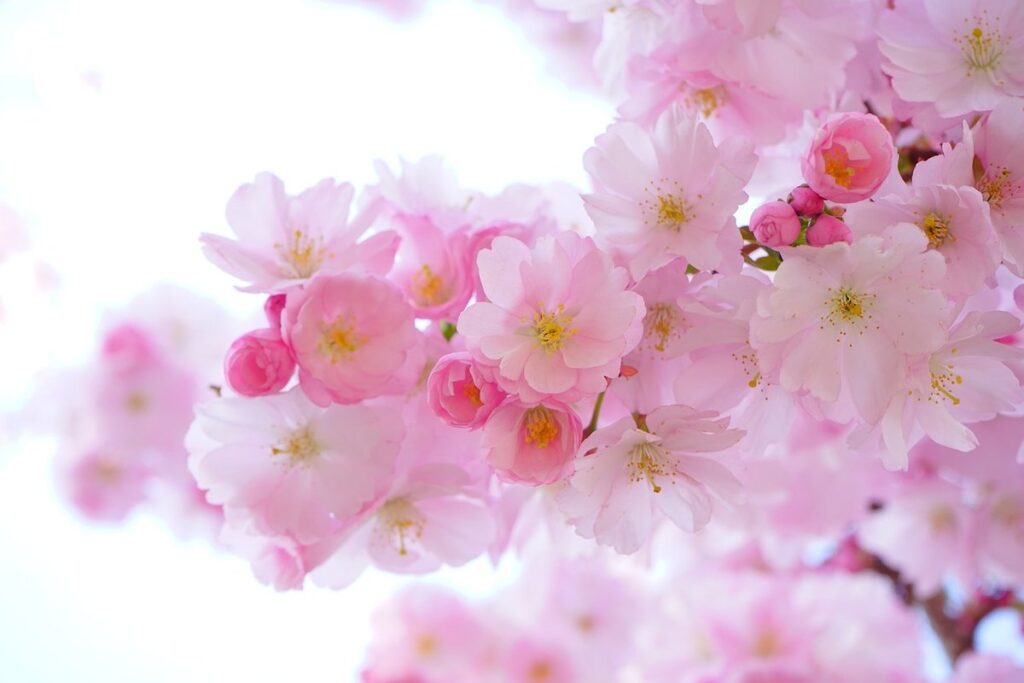
When selecting plants for your Japanese garden, it’s essential to consider those with cultural significance in Japan. Cherry blossoms (sakura) are a timeless favorite, symbolizing the fleeting nature of life and the arrival of spring. Wisteria (fuji) is another iconic choice, representing beauty and elegance. These plants not only add visual appeal but also tap into Japan’s rich cultural heritage.
Other notable mentions include maple trees (kaede), which represent the changing seasons, and bamboo (take), a symbol of strength and resilience. Consider pairing these plants with native Japanese flowers like azaleas or peonies to create a harmonious balance. When choosing plant species, remember that many are sensitive to frost, so be sure to select varieties that thrive in your climate.
To incorporate cultural significance into your garden design, consider the concept of “yin-yang” balance. Pair plants with opposing qualities, such as delicate cherry blossoms alongside robust bamboo. This thoughtful approach will not only enhance your garden’s beauty but also deepen its connection to Japanese culture. By selecting plants that resonate with Japan’s rich heritage, you’ll create a serene oasis that reflects the country’s timeless values and aesthetics.
Plant Selection: A Guide to Japanese Garden Flora
Choosing the right plants for your Japanese garden is a crucial decision, as each species brings its unique characteristics and charm to the space. Let’s explore the most suitable flora for creating a serene and harmonious environment.
Native Japanese Trees and Shrubs
Japanese gardens often feature native trees and shrubs that have been carefully selected for their aesthetic value. One such example is the Japanese maple (Acer palmatum), a slow-growing tree with stunning autumn foliage. Its compact shape and delicate leaves make it an ideal choice for small spaces, adding texture and visual interest to the garden.
Another example of a native Japanese shrub is the azalea (Rhododendron spp.), which blooms vibrant flowers in shades of pink, purple, and white during spring. Azaleas are relatively low-maintenance and can thrive in partial shade, making them suitable for spots with limited sunlight. In traditional Japanese gardens, these plants are often used to create a sense of depth and layering, with smaller shrubs like the azalea placed behind larger trees like the Japanese maple.
When selecting native trees and shrubs for your garden, consider their mature size and growth habits. This will help you choose plants that fit within your available space and require minimal pruning or maintenance. By incorporating these elements into your design, you can create a more authentic and harmonious Japanese-inspired garden environment.
Flowers and Herbs Used in Japanese Gardening
Cherry blossoms, with their delicate pink petals and fleeting bloom, are a quintessential feature of Japanese gardens. They are often paired with wisteria, which cascades down trellises or pergolas, creating a dramatic display of purple flowers. Hydrangeas, too, are popular in Japanese gardening, with their rounded clusters of blue or pink blooms providing a soothing contrast to the showy displays of cherry and wisteria.
Mugwort, an herb often overlooked in Western gardens, plays a significant role in Japanese horticulture. Its feathery foliage provides a soft background for flowering plants, while its small white flowers attract pollinators. In traditional Japanese medicine, mugwort is valued for its antiseptic properties and is used to treat various ailments.
When selecting flowers and herbs for your own Japanese garden, consider the seasonal interest you want to create. Cherry blossoms are typically at their peak in early spring, while wisteria blooms later in the season. Hydrangeas provide a summer display, and mugwort’s delicate white flowers add a subtle touch of autumn color. By choosing plants that thrive during different times of year, you can create a dynamic, ever-changing landscape that mirrors the natural cycles of Japan’s temperate climate.
Seasonal Planting Ideas for Your Japanese Garden
Incorporating seasonal elements into your Japanese garden design is a thoughtful way to create a harmonious and ever-changing space. Consider planting spring-blooming flowers like cherry blossoms, azaleas, or rhododendrons, which are staples of the Japanese garden aesthetic. These flowers typically bloom for 2-4 weeks in late March to early April, providing a stunning display of color before fading.
For summer, focus on plants with heat-tolerant foliage, such as ferns and hostas. These plants will thrive during the warmest months and provide shade and texture to your garden. You can also incorporate seasonal vegetables like cucumbers or eggplants into your design, using trellises or obelisks to support their growth.
In autumn, emphasize plants with vibrant fall foliage, such as maples, oaks, or Japanese maples. These trees will display brilliant colors in shades of orange, red, and yellow before shedding their leaves. To add depth and interest, plant seasonal grasses like pampas grass or fountain grass, which sway gently in the breeze.
By incorporating these seasonal elements, you can create a dynamic and engaging garden that changes with the seasons, much like the natural world around us.
Water Features: Ponds, Streams, and More
A serene pond or gentle stream can add a new dimension of beauty to your Japanese garden. We’ll explore the design considerations for these types of water features.
Designing a Koi Pond or Small Pond Feature
When designing a koi pond or small pond feature within a Japanese garden, careful consideration must be given to water circulation and filtration. A small space requires a compact design that doesn’t compromise on functionality. One approach is to use a recirculating pump system, which can be hidden from view to maintain the serenity of the surroundings.
Consider a rectangular pond shape with a narrow depth to maximize surface area while minimizing footprint. This will allow for effective water circulation and reduce the risk of stagnation. A skimmer or surface aerator can help maintain water quality by removing debris and introducing oxygen.
It’s essential to balance water flow with visual appeal. A small waterfall or gentle cascade can add visual interest without overwhelming the space. Choose plants that thrive in shallow water, such as irises or cattails, to create a lush and naturalistic environment. By carefully designing both water circulation and filtration systems, you can create a thriving koi pond that harmoniously integrates with your Japanese garden’s overall aesthetic.
Creating Serene Garden Streams
A small, meandering stream is a staple of many traditional Japanese gardens. To create a soothing sound experience with water features like streams and waterfalls, consider the following principles: the flow rate, the width of the stream, and the surrounding landscape. A slower-moving stream with a wider, more shallow channel creates a calming atmosphere, while faster-moving water can be invigorating. Think about the natural terrain and incorporate gentle slopes or meandering paths to allow the water to flow freely.
For a peaceful ambiance, place your stream near a seating area or teahouse, where visitors can sit and appreciate its tranquility. The sound of gently burbling water is also an effective way to mask background noise from neighboring areas. If you’re working with a small space, consider using a compact, self-contained waterfall system, which often includes a pump and recirculating mechanism.
To enhance the natural soundscape, incorporate plants that thrive in damp environments, such as irises or bog onions. These will not only add visual interest but also create a richer, more immersive experience for those enjoying your garden’s serene atmosphere.
Using Water to Enhance Your Japanese Garden Design
Incorporating water elements into your Japanese garden design can elevate its visual appeal and create a serene atmosphere. Water features like ponds, streams, and small waterfalls are staples of traditional Japanese gardens. When used thoughtfully, they can enhance the garden’s aesthetic while also providing soothing background noise.
Consider the concept of “borrowed scenery” in Japanese gardening, where the focus is often on creating a sense of continuity with nature rather than completely containing it within the garden boundaries. Water features can be strategically placed to create a sense of depth and visual flow, drawing the eye towards distant views or emphasizing specific design elements.
When selecting water features for your garden, prioritize subtle integration over dramatic displays. A small, gently trickling stream or a shallow pond with naturalistic stone accents can be just as effective as a larger, more showy feature. Keep in mind that Japanese gardens often emphasize simple, understated beauty over loud visual statements.
Seasonal Maintenance and Care for Your Japanese Garden
To keep your serene oasis thriving, seasonal maintenance is crucial. Regular care will ensure your Japanese garden stays vibrant and healthy throughout the year.
Spring: Planting and Pruning in the New Year
As winter’s chill begins to fade, spring arrives with a burst of new life and color. In your Japanese garden, this means it’s time to focus on planting and pruning tasks that will keep your landscape looking its best.
Start by selecting new flowers and shrubs that are suitable for your region and climate. Consider choosing species that thrive in the cooler temperatures of early spring, such as cherry blossoms or azaleas. When planting, remember to follow the traditional Japanese technique of creating a balanced composition, with varying heights and textures to create visual interest.
Pruning is another crucial task during this season. Remove any dead or damaged branches from existing plants, cutting them back to the ground if necessary. For shrubs like boxwood or juniper, thin out the interior foliage to allow air and light to reach inner branches. Don’t be afraid to shape your plants into traditional Japanese forms, such as a topiary sphere or an asymmetrical hedge. By pruning regularly, you’ll maintain the health and structure of your garden’s key elements.
By focusing on planting and pruning in the spring, you’ll set your garden up for success throughout the rest of the year. Regular maintenance will ensure that your plants continue to thrive and provide beauty and tranquility to your outdoor space.
Summer: Keeping Water Features Clean and Clear
During the hot summer months, water features become a focal point in the Japanese garden. However, stagnant water can quickly lead to the growth of algae and other unwanted microorganisms. To prevent this, it’s essential to maintain regular cleaning and inspection of your pond or fountain. Start by checking the pH level and ensuring it falls within the ideal range for your specific water feature. This typically ranges from 6.5 to 8.5.
Next, skim off any visible debris or algae from the surface using a long-handled net. If necessary, use a gentle algaecide specifically designed for Japanese gardens. Regularly replace 10-20% of the pond’s water with fresh, dechlorinated water to maintain a balanced ecosystem. Finally, inspect your water feature’s circulation and aeration systems to ensure they’re functioning properly.
In many traditional Japanese gardens, summer is also a time for repurposing. Consider moving plants from other areas of the garden to your water feature or adding floating lily pads to provide shade and create visual interest. These simple adjustments can help maintain a balanced environment while showcasing your creativity as a gardener. Regular maintenance during this period will keep your water feature clean, clear, and thriving.
Autumn and Winter Care for Your Japanese Garden
During autumn and winter, your Japanese garden requires special attention to protect its plants from harsh weather conditions. One of the most significant concerns is frost damage, which can be devastating for delicate foliage and flowers. To prevent this, apply a layer of mulch or straw around the base of trees and shrubs to insulate the soil and retain moisture.
In areas with heavy snowfall, consider pruning trees and shrubs before winter to minimize weight on branches and reduce the risk of breakage. For bonsai trees, bring them indoors during prolonged periods of frost to maintain optimal humidity levels and prevent damage from extreme temperatures. Similarly, protect potted plants by moving them under a covered area or bringing them into a warm indoor space.
In Japanese gardening, winter is also an opportunity to promote healthy growth in the coming seasons. Apply a balanced fertilizer during early winter to encourage root development and prepare plants for new growth. By taking these precautions, you can ensure your garden remains resilient and thriving even in the coldest months. This attention to seasonal care will pay off come springtime when new life bursts forth from the dormant landscape.
Advanced Techniques for Creating a Unique Japanese Garden
If you’re looking to take your Japanese garden to the next level, we’ll show you advanced techniques for creating a truly unique and stunning outdoor space. These expert methods will elevate your design skills.
Incorporating Contemporary Elements
Blending traditional Japanese design with modern architectural elements can be a challenging but rewarding task. To achieve a harmonious balance, consider incorporating contemporary elements that complement rather than overpower the garden’s timeless aesthetic. For instance, sleek glass walls or cantilevered roofs can provide a striking contrast to traditional wooden structures, such as teahouses or pagodas.
When introducing modern materials, opt for those with organic forms and subtle textures that evoke a sense of naturalness. Consider using weathered steel, reclaimed wood, or living green walls to create a seamless transition between indoors and outdoors. Additionally, incorporate contemporary plant species and garden design principles, such as meandering paths and naturalistic water features.
To ensure the modern elements do not overpower the traditional design, allocate them thoughtfully throughout the garden. For example, place a minimalist wooden bridge over a tranquil water feature to create a sense of drama without disrupting the serene atmosphere. By striking this balance, you can create a unique Japanese garden that honors tradition while embracing innovation and modernity.
Using Technology to Enhance Your Garden Design
Using technology to enhance your garden design can be a game-changer for creating a unique and serene Japanese garden. For instance, outdoor speakers can be strategically placed to create a soothing soundscape, complementing the natural environment with calming water features or wind chimes.
Some innovative technologies that can amplify the ambiance include smart lighting systems, which can mimic the changing colors of dawn and dusk. These systems are particularly useful for gardens with evening viewing areas or walkways. Consider investing in high-intensity LED lights or fiber-optic strands that resemble traditional Japanese lanterns.
Another area to explore is water management technology. Submersible pumps can be used to create subtle water features, such as small streams or bubbling fountains. These features are essential for creating a sense of tranquility and can even help control weeds by preventing stagnation. Weather stations can also monitor soil moisture levels, helping you optimize irrigation schedules and reduce waste.
When selecting technology to enhance your garden design, it’s crucial to balance aesthetics with functionality. Consider the existing layout and natural elements before integrating any new features.
Frequently Asked Questions
Can I create a Japanese garden in a small space like a balcony or patio?
Yes, it’s possible to design a compact Japanese garden that fits a small space. Focus on essential elements like a water feature, stone lanterns, and plants with cultural significance in Japan. Consider vertical gardening options like a trellis or wall-mounted planter to maximize space.
How do I maintain a koi pond during extreme weather conditions?
Yes, you should take extra precautions to ensure your koi pond remains safe for the fish during severe weather. Use a pond cover to prevent debris from entering the water and consider installing an automatic pond net to keep birds away. Regularly check the pond’s water level and adjust as needed.
What if I don’t have a natural slope or existing landscape feature in my yard? Can I still create a Japanese garden?
Yes, you can still design a beautiful Japanese garden without a natural slope or existing features. Use raised beds or containers to create a visual illusion of hills or valleys. Incorporate traditional Japanese design elements like stone lanterns and arbor bridges to create depth and interest.
How do I incorporate seasonal elements into my Japanese garden design?
Start by selecting plants that bloom at different times of the year, such as cherry blossoms in spring and autumn leaves in fall. Consider adding a small pond or water feature with changing levels or water colors to reflect the seasons. Use natural materials like bark mulch or pine straw to create a seasonal visual display.
Can I use artificial materials like plastic or synthetic stone in my Japanese garden design?
Yes, while traditional Japanese gardens emphasize natural materials, modern interpretations can incorporate sustainable and durable alternatives like recycled plastic planters or synthetic stone lanterns. However, balance these elements with natural materials to maintain the garden’s organic feel and cultural significance.