
Living in a cluttered space can be overwhelming, affecting not just our physical well-being but also our mental health. In Japan, the concept of decluttering has been perfected over centuries, with a focus on creating serene and organized living spaces that promote balance and harmony. Japanese decluttering, or “tokimeku,” emphasizes the importance of simplicity, functionality, and beauty in daily life. By adopting these principles, you can reduce stress, improve physical health, and create a peaceful environment that inspires calmness and clarity. In this comprehensive guide, we’ll explore the core concepts of Japanese decluttering, from the art of minimalism to the practice of mindful consumption. You’ll learn how to simplify your space, prioritize what truly adds value to your life, and cultivate a more intentional approach to living – all while creating a harmonious home that nurtures your well-being.
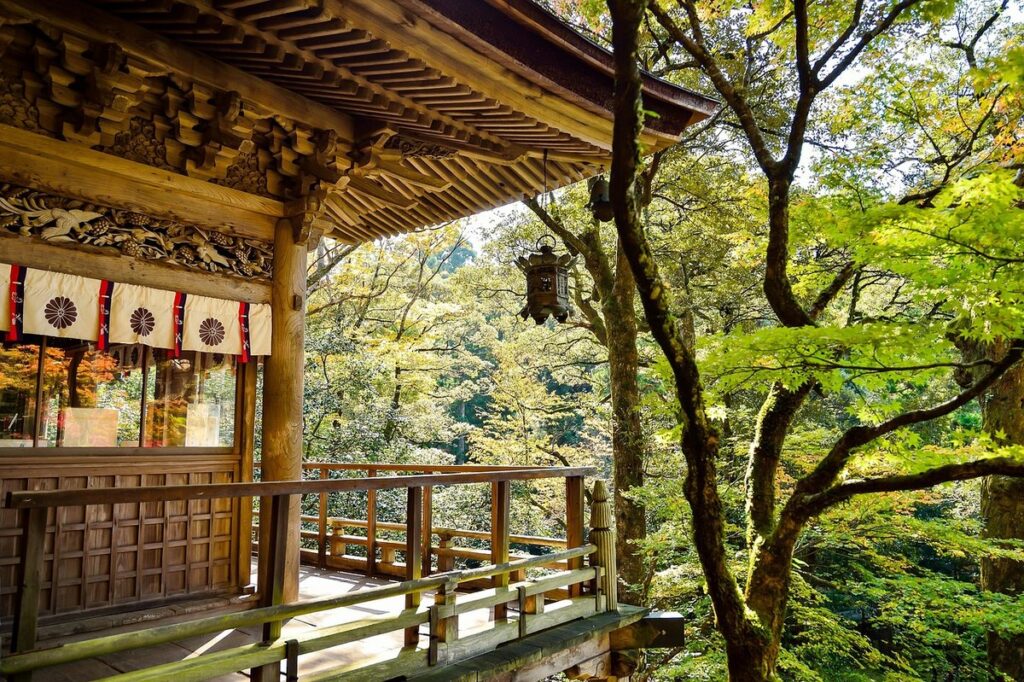
Understanding the Concept of “Wabi-Sabi”
At its core, wabi-sabi is a mindset that celebrates the beauty of imperfection and impermanence in our belongings. We’ll explore what this concept means for decluttering and simplifying your space.
Embracing Imperfection and Impermanence in Clutter-Free Living
Embracing imperfection and impermanence is a fundamental aspect of wabi-sabi, a philosophy deeply rooted in Japanese culture. In a world where perfectionism often drives our pursuit of minimalism, it’s essential to understand that imperfections are not flaws but rather an inherent part of the natural world. By acknowledging and embracing these imperfections, we can cultivate a more authentic and nuanced approach to decluttering.
In Japan, this concept is reflected in the art of kintsugi, where broken pottery is repaired with gold or silver lacquer, highlighting its brokenness rather than disguising it. This approach not only values the object’s history but also celebrates its imperfections as a testament to its past experiences. Similarly, when decluttering, instead of striving for perfect organization or pristine spaces, we can learn to appreciate the beauty in imperfect arrangements and the stories they hold.
Practically, this means embracing the idea that our belongings are not just mere objects but keepers of memories and emotions. By letting go of perfectionistic expectations, we can create a more peaceful and meaningful living environment that honors the imperfections and impermanence inherent to all things.
The History and Evolution of Decluttering in Japan
Japan’s approach to decluttering has its roots in Buddhism, specifically Zen and Shinto philosophies. In the 12th century, Buddhist monks introduced the concept of “muga” or “no self,” which encourages individuals to let go of attachment to material possessions. This idea was later influenced by the concept of “mu” in Zen, which rejects worldly desires.
In the 17th century, the Japanese tea ceremony, or Chanoyu, Sado or Ocha, emphasized simplicity and minimalism. The ceremony’s focus on mindfulness, impermanence, and harmony with nature further solidified the idea that possessions are temporary and fleeting. This philosophy is still reflected in modern-day decluttering practices, such as the popular “Sentaku” method.
Today, Japan’s decluttering trends continue to evolve, with a growing interest in sustainable living and minimalism. The concept of “yutori,” or “relaxed simplicity,” encourages individuals to surround themselves with only what is truly necessary, creating a more peaceful and clutter-free environment. This shift towards intentional consumption and mindful living has been fueled by the influence of Western decluttering methods, such as Marie Kondo’s KonMari method, which have gained popularity in Japan.
The Benefits of Japanese Decluttering for Mental and Physical Health
Practicing Japanese decluttering techniques can have a profound impact on both mental and physical health, leading to reduced stress and improved overall well-being. This section will explore the benefits of embracing this mindful approach to living space.
Reduced Stress and Anxiety through Minimalism
Research has shown that clutter can significantly contribute to increased stress and anxiety levels. This is because excessive belongings can create a sense of overwhelm, making it difficult for individuals to focus on what’s truly important. By adopting minimalism through Japanese decluttering techniques, you can reduce these feelings of anxiety.
Studies have found that people who live in cluttered environments tend to experience heightened cortisol levels, a key indicator of stress. On the other hand, those who maintain tidy and organized spaces report lower cortisol levels and improved mood. This suggests that decluttering can be an effective tool for reducing stress and anxiety.
To incorporate minimalism into your daily life, consider implementing the KonMari Method’s sorting process. Begin by gathering items that spark joy, then proceed to categorize and purge belongings that don’t meet this criterion. By letting go of unnecessary possessions, you’ll create a more peaceful living environment conducive to mental clarity and well-being.
Improved Physical Health through Simplified Living
A clutter-free environment can significantly contribute to improved physical health. One of the most direct benefits is better sleep quality. When surrounded by chaos and disorganization, it’s common for people to feel anxious or stressed, making it difficult to fall asleep or stay asleep throughout the night. In contrast, a decluttered space promotes relaxation and calms the mind.
Studies have shown that individuals who live in clutter-free environments are more likely to engage in regular exercise and maintain a balanced diet. This is because they’re less overwhelmed by the physical demands of maintaining a cluttered home, which can be exhausting and demotivating. By simplifying their living space, individuals create an environment that encourages healthy habits.
Reducing clutter can also lower the risk of chronic diseases such as cardiovascular disease and diabetes. A study published in the Journal of Environmental Psychology found that people who lived in tidy homes were more likely to engage in physical activity and maintain a healthy weight. By adopting Japanese decluttering principles, individuals can create a space that promotes physical well-being and encourages a healthier lifestyle.
Essential Decluttering Techniques for Beginners
For those new to the art of decluttering, let’s start with some tried-and-true techniques that will help you get started on your path to a more organized and clutter-free space. We’ll cover simple yet effective methods to simplify your surroundings.
Sorting and Purging: The Foundation of Japanese Decluttering
Sorting and purging are the foundation upon which a clutter-free life is built. In Japanese decluttering, these two steps are approached with intention and precision. Start by sorting items into categories such as clothes, books, kitchenware, and miscellaneous. Be specific – rather than grouping everything into “clothing,” for instance, separate items into tops, bottoms, dresses, and outerwear.
Next, purging involves letting go of items that no longer serve you. This can be a challenging task, but it’s essential to creating space and clarity in your life. Consider the 80/20 rule: 80% of the time, you likely wear 20% of your clothes. Be ruthless – if an item doesn’t bring you joy or serves a practical purpose, consider letting it go.
Categorizing belongings after sorting and purging helps maintain order and makes it easier to put things back in their place. Use storage containers labeled by category, and assign a home for each item. For example, designate a specific drawer for kitchen utensils or a shelf for books. This step may seem tedious, but it’s crucial for maintaining a clutter-free environment and creating habits that support continued organization.
Effective Storage Solutions for a Clutter-Free Home
In Japan, decluttering and minimalism are deeply ingrained values, particularly in the concept of “tokachi,” which emphasizes simplicity and functionality. Effective storage solutions are crucial for maintaining a clutter-free home, and Japanese decluttering techniques offer valuable insights into efficient space utilization.
Multi-functional furniture is a key component of Japanese decluttering. Instead of buying separate items for each task, opt for pieces that serve multiple purposes, such as a storage ottoman or a coffee table with built-in storage. For example, the traditional Japanese “tokonoma” alcove can be used to display art and also provide hidden storage.
Another creative approach is to utilize vertical space by installing shelves, hooks, or baskets on walls. This not only maximizes storage capacity but also creates a sense of openness in small rooms. In Japan, it’s common to see folded futons and bedding stored vertically against the wall, freeing up floor space for other activities.
To incorporate these ideas into your home, start by assessing your needs and available space. Consider what items can be stored in plain sight, like decorative baskets or woven containers, and what requires more discreet storage solutions.
Creating a Harmonious Living Space through Japanese Decluttering Principles
When it comes to creating a peaceful and organized home, applying the principles of Japanese decluttering is key to achieving harmony. Let’s explore how to integrate these principles into your daily life for a more serene living space.
Focusing on Functionality over Aesthetics
In a harmonious living space, function often trumps form. This is especially true when it comes to applying Japanese decluttering principles, where the focus is on creating spaces that prioritize usability over visual appeal. To achieve this balance, consider the concept of “tokujitsu,” or “thing-purpose.” Simply put, each item in your home should serve a specific purpose and be easily accessible.
Think about your kitchen, for example. Instead of displaying decorative plates and ceramics on a crowded shelf, store them in a closed cabinet where they can be retrieved as needed. This approach not only keeps clutter at bay but also ensures that the items you use most frequently are within easy reach.
Similarly, avoid placing too much emphasis on “aspirational” pieces that serve no practical purpose. A beautiful vase or artwork can be a lovely addition to your home, but it should not take precedence over functional storage solutions or ergonomic furniture design. By prioritizing functionality over aesthetics, you’ll create a more efficient and peaceful living space that truly reflects the principles of Japanese decluttering.
Integrating Nature into Your Home for Improved Well-being
Incorporating natural elements into your home is a fundamental aspect of achieving harmony with nature, as emphasized by Japanese decluttering principles. This involves more than just adding a few potted plants to a room; it requires a thoughtful and intentional approach to creating an environment that nurtures both body and soul.
To begin, consider the concept of “shinrin-yoku,” or forest bathing. This traditional Japanese practice encourages immersing oneself in nature’s sights, sounds, and scents to promote relaxation and reduce stress. By placing a small water feature, such as a fountain or waterfall, in your home, you can create a soothing atmosphere that mimics the calming effects of forest bathing.
Another approach is to bring natural materials into your space, like woven baskets or wood accents, to add warmth and texture. You can also display nature-inspired art pieces, such as prints of Japanese landscapes or watercolor paintings of botanicals. By thoughtfully integrating these elements, you can create a sense of balance and harmony within your home, reflecting the principles of Japanese decluttering.
Advanced Decluttering Techniques for Seasoned Minimalists
For those who have already mastered the basics of decluttering, it’s time to take your skills to the next level with advanced techniques that foster a deeper sense of mindfulness and simplicity.
KonMari-Method vs. Japanese Decluttering: Key Differences
The KonMari method and traditional Japanese decluttering share some similarities, but they also have distinct approaches. One key difference lies in their methods for categorizing items. Marie Kondo’s method focuses on gathering items of a specific category, such as clothes or books, and then holding each item to decide whether it sparks joy. In contrast, traditional Japanese decluttering emphasizes sorting items into three categories: those to keep, those to donate or sell, and those to discard.
Another notable difference is the emphasis on the role of mental preparation in decluttering. The KonMari method stresses the importance of mentally preparing oneself for the process by creating a peaceful environment and establishing clear criteria for what sparks joy. Traditional Japanese decluttering, however, focuses more on the physical act of tidying and less on personal emotions or attachment to items.
While both approaches have their merits, it’s worth noting that traditional Japanese decluttering often involves a more gradual approach to tidying, with an emphasis on breaking down tasks into manageable chunks. This can be particularly helpful for those who feel overwhelmed by the prospect of decluttering an entire space at once.
Strategies for Managing Digital Clutter and Electronic Devices
In Japan, digital clutter is often referred to as “kutsuwa,” or excessive possessions. Managing digital clutter requires a mindful approach to technology use and device organization. Start by assessing which devices you truly need and consider designating specific zones for each device. For example, keep your phone in a designated area, like a bedside table or kitchen counter, to prevent it from becoming a distraction.
To minimize screen time, adopt the concept of “mugendainawa,” or the idea that there is no end to work. Set clear boundaries and limits on your digital usage by scheduling specific times for checking emails, social media, or messaging apps. Use features like Screen Time on Apple devices or Digital Wellbeing on Android phones to track your screen time and set goals for reduction.
Additionally, consider implementing a “tsukumogami” approach to device maintenance. In Japan, tsukumogami refers to the practice of giving new life to old objects by cleaning, repairing, and repurposing them. Apply this principle to your devices by regularly cleaning and updating your software, wiping down surfaces with disinfectant wipes, and donating or recycling old devices that are no longer in use.
Putting it All Together: Creating a Sustainable Decluttering Practice
Now that you’ve learned the principles of Japanese decluttering, it’s time to integrate them into your daily life and develop a sustainable practice that brings lasting clarity and calm. This means making decluttering a habitual part of your routine.
Establishing Habits and Routines for Long-Term Success
Creating sustainable habits and routines is crucial for long-term success with decluttering practices. In Japan, decluttering is not a one-time task but an ongoing process that requires dedication and consistency. To establish lasting habits, start by setting realistic goals and schedules. Allocate specific times each week for tidying and organizing tasks, such as Monday mornings for kitchen cleaning or Wednesday evenings for sorting laundry.
Incorporate decluttering into your daily routine, just like brushing teeth or taking a shower. Make it a habit to put away items after use, and designate a spot for frequently misplaced items, such as keys or wallets. Consider implementing the “one-touch rule,” where you deal with each item immediately upon picking it up, rather than putting it down and dealing with it later.
For example, if you notice yourself constantly cluttering your entryway, set aside 10 minutes each day to tidy this area before leaving for work. Consistency is key, so aim to maintain a regular schedule even on weekends or during vacations. By integrating decluttering into your daily routine, you’ll find it becomes second nature and contribute to long-term success with your decluttering practice.
Overcoming Challenges and Maintaining Motivation
Decluttering can be a long and arduous process, especially when it involves letting go of sentimental items. It’s common for individuals to feel overwhelmed by the sheer volume of possessions they need to tackle. Furthermore, maintaining motivation is crucial to making progress in decluttering efforts.
In Japanese decluttering, there is an emphasis on creating a mindset that accepts the impermanence of all things. This includes accepting that some items will inevitably be discarded or donated. Practicing mindfulness and acceptance can help individuals stay motivated throughout the process. When faced with difficult decisions, try asking yourself: “Can I easily replace this item if needed?” or “Does it bring me joy in its current state?”
Regularly reviewing your progress and reassessing your clutter-free goals can also help maintain motivation. Celebrate small victories along the way by acknowledging the items you’ve successfully decluttered. Consider implementing a “one-touch rule” when decluttering, where each item is dealt with immediately rather than putting it aside for later. This can help create momentum and prevent burnout. By incorporating these strategies into your decluttering practice, you’ll be better equipped to overcome common challenges and maintain motivation throughout the process.
Frequently Asked Questions
What If I Have Limited Space in My Home for Decluttering?
You can still implement Japanese decluttering principles even with limited space. Focus on vertical storage solutions, use multi-functional furniture, and prioritize the most essential items to keep. Consider rotating items seasonally to make the most of your space.
Can I Combine Digital Decluttering with Traditional Methods for a Holistic Approach?
Yes. Integrating digital decluttering into your traditional Japanese decluttering practice can enhance its effectiveness. Use apps or tools to organize electronic devices and minimize digital clutter, and then apply those principles to physical items in your home.
What If Some Family Members Resist the Idea of Decluttering?
Address resistance by emphasizing the benefits of decluttering for everyone’s well-being. Involve all family members in the process from the beginning to create a sense of shared responsibility and ownership. Lead by example, and show how minimalism can bring harmony to your living space.
How Can I Balance Functionality with Aesthetics When Decluttering?
Prioritize functionality over aesthetics initially, focusing on making spaces more usable and efficient. Once you’ve achieved that, you can incorporate aesthetic considerations, such as natural materials or calming colors, to create a balanced environment that supports both form and function.
What If I Experience Backlash After Getting Rid of Belongings – Feeling Guilty or Regretful?
Yes, some people experience guilt or regret after decluttering. It’s essential to acknowledge these feelings and remind yourself of the reasons you started decluttering in the first place. Focus on the benefits you’ve experienced so far, like reduced stress or improved physical health. If necessary, revisit your approach and adjust it to better suit your needs and values.

