
Polyester is one of the most widely used synthetic fabrics in clothing, upholstery, and other textiles. However, you may be surprised to learn that polyester is actually made from a type of plastic called polyethylene terephthalate (PET). This chemical composition gives polyester its durability and wrinkle-resistance, but it also contributes to the growing problem of microplastic pollution in our environment. When polyester fabrics are washed or broken down, they release tiny PET fibers that can end up in oceans and waterways, harming marine life and contaminating the food chain. In this article, we’ll explore the chemical composition of polyester, its environmental impact, and some sustainable alternatives to this widely used fabric – by the time you finish reading, you’ll know how to make informed choices about the textiles you use.
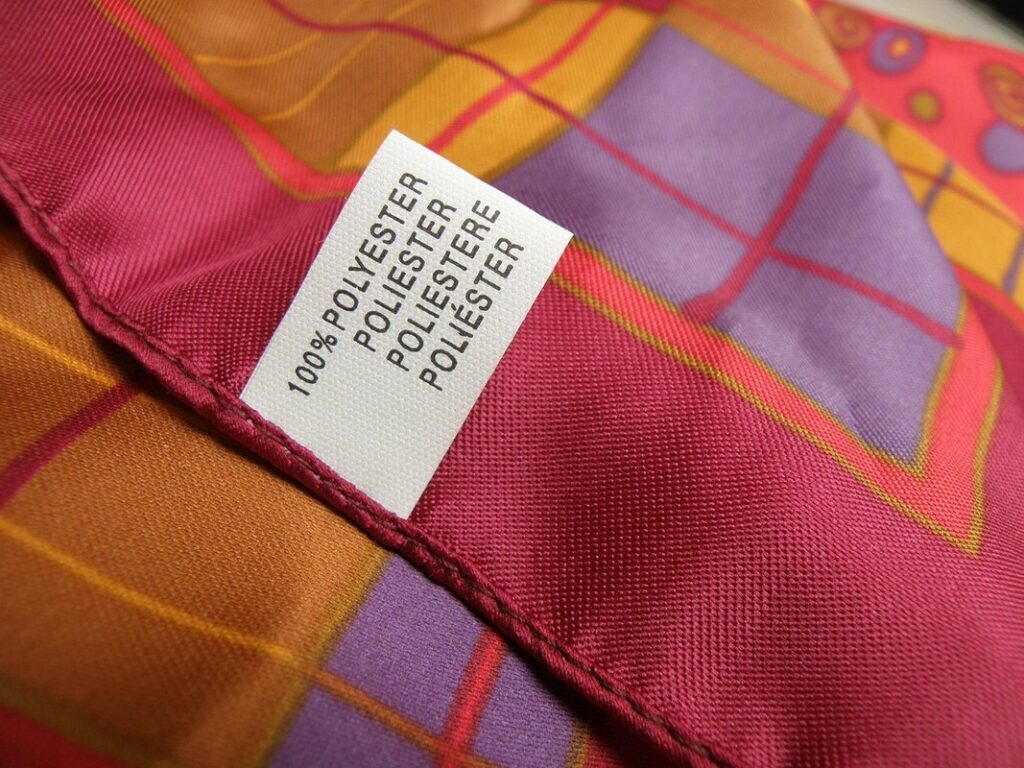
What is Polyester?
Let’s start by exploring what polyester actually is, a synthetic fabric made from petrochemicals that’s often misunderstood. We’ll break down its composition to better understand the debate around it being plastic.
Definition and History
Polyester is a synthetic fabric made from petrochemicals, which are derived from crude oil. The development of polyester began in the 1940s, when chemists at the Calico Printers’ Association in England discovered that they could combine ethylene glycol with terephthalic acid to create a strong and durable fiber. This discovery led to the creation of Terylene, one of the first commercial polyesters.
The production process involves combining these petrochemicals through a chemical reaction called polymerization. The resulting polyester fiber is then spun into yarn, which can be woven or knitted into fabric. Polyester’s popularity grew rapidly in the 1950s and 1960s due to its affordability, wrinkle-resistance, and ability to mimic the look and feel of natural fibers.
Today, polyester remains a widely used synthetic fabric in clothing, upholstery, and textiles. Its versatility and durability have made it a staple in many industries, but they also raise concerns about the environmental impact of petrochemical-based production processes. To make informed choices, consider looking for recycled or repurposed polyester materials, which can reduce waste and minimize the demand for virgin petrochemicals.
Common Uses of Polyester
Polyester is one of the most widely used synthetic fibers globally. Its versatility and affordability have made it a staple in clothing, textiles, and industrial applications. In the fashion industry, polyester is often blended with natural fibers like cotton or wool to create durable and wrinkle-resistant fabrics. Many popular clothing items, such as jogging suits, jackets, and jeans, contain polyester.
Beyond clothing, polyester is also used extensively in home furnishings and upholstery. It’s a common material for carpets, curtains, and tablecloths due to its stain resistance and ease of maintenance. In the industrial sector, polyester is used in manufacturing packaging materials, films, and containers. Its strength, lightweight properties, and ability to retain shape make it an ideal choice for various applications.
It’s essential to note that not all polyester products are created equal. Some may contain additives or chemicals that can affect their durability and recyclability. When shopping for polyester-based products, look for items labeled as “recycled” or “biodegradable.” This can be a sign of more environmentally friendly production methods. By understanding the various uses of polyester, you’ll be better equipped to make informed choices about the products you use and purchase.
Is Polyester Actually Plastic?
Many people assume polyester is made from recycled plastic bottles, but what exactly does that mean for its composition and potential impact on the environment. Let’s break it down further to understand the truth behind this common claim.
Material Composition
Polyester is a type of synthetic polymer made from petrochemicals, which are derived from crude oil. Its chemical structure is composed of repeating units of ethylene glycol and terephthalic acid, linked by ester bonds. This composition is similar to that of plastics, such as polyethylene and polypropylene. In fact, polyester’s molecular structure is so close to that of plastic polymers that it can be easily broken down into its constituent parts.
This similarity in chemical structure raises questions about the environmental impact of polyester. Like plastics, polyester does not biodegrade naturally and can persist in the environment for hundreds of years. It also tends to break apart into microplastics when washed, which can then enter the food chain. To mitigate these effects, some manufacturers are exploring the use of recycled polyester made from post-consumer plastic waste, such as old clothing or bottles. This approach not only reduces the demand on virgin petrochemicals but also helps to close the loop on waste management.
Comparison with Other Fabrics
Polyester’s manufacturing process is distinct from natural fibers like cotton and wool. Cotton, for example, is a biodegradable crop that requires water, pesticides, and fertilizers to grow. The production of polyester, on the other hand, relies heavily on non-renewable energy sources and generates significant amounts of greenhouse gas emissions.
Wool, while also a natural fiber, has its own set of environmental concerns. Sheep farming contributes to deforestation, soil erosion, and water pollution. Polyester’s production, however, produces less than 10% of the wastewater associated with wool production.
When considering the lifecycle of polyester versus cotton or wool, it’s essential to examine each material’s end-of-life scenario as well. Cotton and wool can be biodegradable, but they may not break down quickly in landfills due to their thickness and density. Polyester, despite being often touted as recyclable, typically ends up in incinerators or landfills instead of recycling facilities.
This comparison highlights the need for a nuanced understanding of each material’s unique environmental impact rather than relying on blanket statements about “natural” versus “synthetic.”
Why is Polyester Considered a Plastic?
Let’s break down why some experts consider polyester a type of plastic, focusing on its chemical properties and manufacturing process.
Microplastic Formation
Microplastic formation occurs when polyester clothing is washed and releases tiny plastic fibers into the environment. These microfibers can be as small as 5 microns and are difficult to remove from water through conventional treatment methods. Studies have shown that a single load of laundry can release up to 700,000 individual microplastic fibers.
When microplastics enter the ocean, they can be ingested by marine life, potentially causing harm or even death. Additionally, microplastics have been found in tap water and bottled water around the world, posing a risk to human health. To mitigate this issue, some companies are now using polyester blends that break down more easily during washing.
However, these alternatives may not be widely available, and consumers can also take steps to reduce their contribution to the microplastic problem. Washing synthetic clothing in a mesh bag or using a product specifically designed to trap microfibers can help minimize release into the environment. Regularly cleaning filters on washing machines can also aid in removing microplastics before they enter waterways.
Litter and Pollution
Polyester’s contribution to plastic waste and pollution is significant. When polyester clothing reaches its end-of-life, it’s often discarded and ends up in landfills or incinerators. However, a substantial portion of polyester garments are also sent to developing countries for recycling. Unfortunately, most recycling processes aren’t equipped to handle the complexity of polyester fibers, leading to a low-quality final product.
In oceans, microplastics, including those from synthetic clothing like polyester, have been found in alarming amounts. Polyester’s durability and resistance to decay mean it can take hundreds of years to decompose. When polyester is exposed to sunlight or high temperatures, it breaks down into tiny particles that are then ingested by marine life.
The average American throws away around 82 pounds of textile waste each year. By choosing clothing made from natural fibers like cotton, linen, or hemp, you can significantly reduce your contribution to the problem. Additionally, consider repurposing or upcycling old polyester garments instead of sending them to landfills. While these actions alone won’t solve the issue, they’re essential steps in reducing polyester’s impact on our environment.
Alternatives to Polyester: Natural Fibers
If you’re looking for sustainable alternatives, natural fibers like cotton, linen, and bamboo are great options that offer a more eco-friendly choice. Let’s explore some popular alternatives to traditional polyester fabrics.
Benefits of Switching
Switching to natural fibers like cotton, linen, or bamboo offers a range of benefits. One significant advantage is improved breathability. Unlike polyester, which can trap heat and moisture, these natural fibers allow for airflow, keeping you cooler and drier. This makes them ideal for active wear or clothing designed for warm weather.
Another benefit is the reduced risk of skin irritation. Polyester is often treated with chemicals that can cause allergic reactions or rashes, whereas cotton and linen are gentle on skin. Bamboo fabric, in particular, has natural antibacterial properties, making it a great choice for those prone to acne or sensitive skin conditions.
In terms of sustainability, natural fibers are generally more eco-friendly than polyester. Cotton, for example, requires less water and pesticides compared to synthetic fibers. Linen is also highly biodegradable, reducing textile waste and the environmental impact of fast fashion. By choosing natural fibers, you can contribute to a more environmentally conscious lifestyle and reduce your exposure to potentially hazardous chemicals.
Sustainability Considerations
Natural fiber production has its own set of environmental concerns. The water and land requirements for growing cotton, for instance, can be significant. It’s estimated that over 20% of global freshwater resources are used for cotton cultivation alone. In contrast, polyester production relies heavily on fossil fuels, but it doesn’t require arable land or irrigation.
However, natural fibers often have a lower carbon footprint during processing and manufacturing stages. This is because they’re biodegradable, reducing the need for extensive chemical treatments and waste management. For example, hemp requires less energy to produce than polyester, as well as fewer chemicals in its processing stage.
It’s essential to consider the entire lifecycle of these materials when making comparisons. While natural fibers have their drawbacks, they can also offer more sustainable alternatives in certain contexts. The key takeaway is that no single material is perfectly eco-friendly, and the decision ultimately depends on specific production methods and industry standards. When choosing alternatives, look for manufacturers prioritizing environmentally responsible practices and supply chains. This might involve selecting materials certified by organizations like the Global Organic Textile Standard (GOTS) or the Organic Content Standard (OCS).
The Future of Polyester: Sustainable Options
Polyester has long been a staple in our wardrobes, but its environmental impact is finally being reevaluated. We’ll explore the emerging sustainable polyester options that are making a big difference.
Recycling and Upcycling
Polyester recycling and upcycling technologies are gaining momentum. For example, a company called Patagonia has developed a program to recycle old polyester clothing into new products like fleece jackets and sleeping bags. This closed-loop system collects post-consumer waste, breaks it down into raw materials, and then uses those materials to manufacture new products.
Similarly, a Swedish startup called Re:newcell is working on developing a method to recycle polyester fibers from textile waste back into virgin-grade fibers. These recycled fibers can be used in the production of new clothing, packaging, or even automotive parts.
Some companies are also exploring upcycling as an alternative to traditional recycling methods. This involves transforming discarded polyester items into high-value products with unique properties. For instance, a company called Houdini Sportswear is turning old polyester fabric scraps into insulated jackets and backpacks that would otherwise be sent to landfills.
While these innovations show promise, they are still in the early stages of development and face significant technical and economic challenges.
Biodegradable Alternatives
Researchers are exploring various biodegradable materials to replace traditional polyester. One such alternative is polylactic acid (PLA), derived from cornstarch or sugarcane. PLA has shown promise as a sustainable option, with studies indicating it can break down within 100-180 days in industrial composting facilities.
Another contender is polyhydroxyalkanoates (PHA), which are produced through bacterial fermentation of sugarcane waste. PHA-based fabrics have exhibited improved biodegradability compared to traditional polyester, degrading up to 90% in just a few weeks.
However, it’s essential to note that these alternatives still face scalability and cost challenges. They require significant investments in infrastructure and manufacturing processes to become viable replacements for traditional polyester. For now, they’re mainly used in niche applications, such as bioplastics or compostable packaging materials.
To incorporate biodegradable alternatives into existing supply chains, companies must invest in research and development, as well as establish partnerships with manufacturers of these new materials. This strategic approach will be crucial for the widespread adoption of sustainable polyester substitutes.
Debunking Common Misconceptions about Polyester
Many people assume polyester is plastic due to its synthetic origin, but there are some surprising facts that challenge this notion. Let’s separate fact from fiction and explore what makes polyester unique.
Separating Fact from Fiction
Polyester’s reputation for being a low-maintenance fabric has led to some misconceptions about its durability. One common myth is that polyester is more resistant to wrinkles than other fabrics, requiring little to no ironing. In reality, while polyester can hold its shape well, it does require regular ironing to maintain its appearance.
Another misconception is that polyester can withstand harsh washing conditions without showing signs of wear. The truth is that polyester fibers can break down over time when exposed to high heat, agitation, or certain detergents. To extend the life of your polyester garments, it’s essential to follow care label instructions and avoid using fabric softeners or bleach.
Some myths also surround polyester’s maintenance requirements in terms of cleaning. Many believe that polyester can be safely machine dried without worrying about shrinkage or fading. However, this is not always the case, especially for heavily colored or densely woven items. To prevent damage, it’s best to air dry or tumble dry on a low heat setting.
In addition to these misconceptions, some people mistakenly believe that polyester is inherently stain-resistant due to its synthetic composition. While polyester can be treated with stain-repelling coatings, this does not mean it will repel all stains. In fact, oil-based stains like grease or makeup can permanently damage polyester fibers if not addressed promptly.
By separating fact from fiction, you’ll better understand how to care for your polyester garments and make informed decisions about their maintenance needs. Remember that regular ironing, careful washing, and following care labels are key to extending the life of your polyester clothing.
Frequently Asked Questions
Can I recycle polyester clothing to reduce waste?
Yes, some retailers now offer in-store recycling programs for old polyester garments. You can also check with local textile recycling facilities or companies that specialize in polyester upcycling. Before recycling, ensure the item is clean and free of any metal zippers or other non-recyclable components.
How long does it take for polyester to break down in landfills?
Polyester’s decomposition rate varies greatly depending on environmental conditions. In ideal scenarios, such as high temperatures and moisture, polyester can take around 20-30 years to decompose. However, in typical landfill conditions, this process can take centuries, contributing to the growing problem of plastic waste.
Can I mix natural fibers with polyester for a more sustainable blend?
Yes, blending natural fibers like cotton or wool with recycled polyester can create a more environmentally friendly fabric option. This approach allows designers to balance performance and sustainability requirements while minimizing material waste.
What if I accidentally throw away an item made from 100% biodegradable polyester? Does it still contribute to plastic pollution?
Although biodegradable polyester is designed to break down quickly, its production process can still involve significant amounts of energy and resources. If disposed of improperly, even biodegradable materials can end up in landfills or oceans, causing environmental harm. Proper recycling or composting practices are essential for minimizing waste.
Can I use a washing machine with cold water to reduce microplastic shedding from my polyester clothing?
Using cold water when washing synthetic fibers like polyester can indeed help minimize the release of microplastics. Additionally, using a gentle detergent and avoiding fabric softeners or bleach can also contribute to reducing the environmental impact of your laundry habits.

