
As an artist, you’ve likely used acrylic paint at some point in your creative journey. But have you ever stopped to think about the safety implications of using this versatile medium? Acrylic paint has become a staple in many art supplies, but does it meet current non-toxic standards? Some studies suggest that long-term exposure to certain chemicals found in traditional acrylic paints can pose health risks, from skin irritation and respiratory problems to more serious concerns like cancer. If you’re concerned about the environmental impact of your art practice or simply want to protect yourself and others from potential harm, it’s essential to explore alternative options. In this guide, we’ll examine the non-toxicity of acrylic paint, discuss eco-friendly alternatives, and help you make informed choices for a healthier and more sustainable creative process – by the end of this article, you’ll be able to confidently choose art supplies that align with your values.
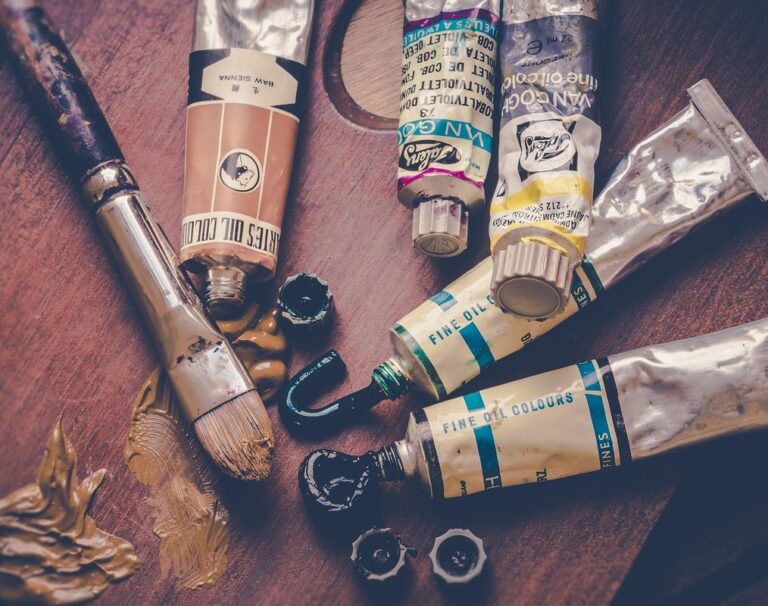
What is Acrylic Paint?
Before we explore whether acrylic paint is non-toxic, let’s break down what it actually is: a versatile and widely used type of fast-drying paint.
History and Composition
Acrylic paint has its roots in the early 20th century, developed from a mixture of water, pigment, binder, and other additives. The first acrylic paints were introduced by German artist and industrial chemist Otto Röhm in the 1930s. These initial products were prone to yellowing over time, which made them unsuitable for long-term art projects.
The evolution of acrylic paint can be attributed to the introduction of new binders, such as polyvinyl acetate (PVA) and polyacrylate, which improved its durability and water resistance. Modern acrylic paints typically consist of 20-40% pigment, 30-50% binder, and a range of additives that enhance their performance. Some common additives include fillers like silica or talc, humectants to prevent drying out, and surfactants to improve flow and leveling.
While the exact composition of acrylic paint can vary depending on the manufacturer, understanding its core components is essential for assessing potential health risks. In subsequent sections, we’ll explore how these ingredients contribute to concerns about toxicity and safety in art supplies.
Types of Acrylic Paints
Acrylic paint comes in various types, each catering to different needs and skill levels. Student-grade acrylics are ideal for beginners, offering a more affordable option with vibrant colors. They typically have higher water content, making them easier to clean up but also potentially more prone to fading over time.
Professional-grade acrylics, on the other hand, provide better durability and lightfastness, but often at a higher cost. These paints usually contain fewer additives, resulting in richer, more subtle color hues. Specialty paints include metallic, iridescent, and interlocking colors that can add unique textures and effects to artwork.
Some manufacturers also produce eco-friendly and non-toxic acrylics, which are made from plant-based pigments or other natural ingredients. These options are worth considering for artists who prioritize sustainability or have sensitivities to certain chemicals. When selecting an acrylic paint type, consider the specific project’s requirements, your skill level, and any environmental concerns you may have.
It’s essential to note that even within a single brand, different types of acrylics can still vary in terms of their composition and safety profiles. Always check the label or manufacturer’s website for information on the ingredients used and any potential health risks associated with each type.
Toxicity Concerns with Traditional Art Supplies
Some traditional art supplies have raised concerns over their potential health effects, and it’s essential to consider these factors when choosing your medium. Let’s take a closer look at some common toxicity worries associated with conventional materials.
Lead in Old Paints
Lead-based paints were widely used until the mid-20th century, when they were banned in many countries due to their toxicity. These paints contained up to 50% lead, which was added to increase pigment load and improve durability. However, exposure to lead has been linked to serious health problems, including brain damage, developmental delays, and even death.
If you come across old or contaminated paint supplies, it’s essential to handle them with caution. Lead-based paints can still be found in some art supply stores, thrift shops, or older homes where painting projects are being undertaken. When working with these materials, always wear protective gear, including gloves, a mask, and eyewear.
To identify potential risks, inspect your paint supplies carefully for signs of aging, such as cracked or chipped paint, or unusual odors. If you suspect your paint contains lead, don’t use it. Instead, dispose of it responsibly by following local regulations and guidelines for hazardous waste disposal. When choosing new art supplies, opt for modern paints that are certified non-toxic and lead-free.
Other Hazardous Materials
Acrylic paint is often associated with toxicity concerns, but it’s not the only hazardous material found in traditional art supplies. Solvents like turpentine and mineral spirits are commonly used as thinners or mediums, releasing volatile organic compounds (VOCs) into the air when evaporated. These chemicals can cause headaches, dizziness, and respiratory problems, making them a significant concern for artists working with oil paints.
Heavy metals like cadmium, lead, and cobalt are also present in some art supplies. Cadmium-based pigments, used in a variety of colors, have been linked to kidney damage and other health issues if ingested or inhaled. Lead was once commonly used in paint but has largely been phased out due to its toxicity; however, it can still be found in older paints and art materials.
VOCs are not only released during the painting process but also when these supplies are stored. Improper ventilation can lead to a buildup of VOCs in the air, exacerbating health problems for artists working with traditional materials. To minimize exposure, artists should use well-ventilated areas or consider using low-VOC alternatives.
Is Acrylic Paint Non-Toxic?
Acrylic paint is often touted as a safe and healthy art supply option, but what exactly does that mean for your health and well-being. We’ll examine the facts behind its non-toxic claims.
Overview of Acrylic Composition
Modern acrylic paint is a complex mixture of ingredients, but at its core, it’s composed of three main components: water, pigments, and binder. The binder, typically polyacrylate or polymer, holds the pigment particles together and adheres them to the painting surface. Acrylic paint also contains other additives such as surfactants, which improve flow and wetting properties, and preservatives to prevent mold and bacteria growth.
The choice of pigments used in acrylic paint is critical when it comes to toxicity. Traditional pigments like lead-based colors have been largely phased out due to their hazardous nature. Modern manufacturers often opt for lighter metal oxides or synthetic iron oxide pigments instead. Some brands also use natural earth oxides, which are considered safer.
The exact composition of acrylic paint can vary depending on the manufacturer and specific product line. While some paints may contain small amounts of volatile organic compounds (VOCs), many modern brands have transitioned to low-VOC or VOC-free formulas. When shopping for non-toxic acrylic paint, look for products that are labeled as such or made with natural ingredients.
Safety Testing and Certifications
Manufacturers of acrylic paint undergo rigorous testing to ensure their products meet safety standards. One such standard is compliance with environmental regulations, particularly those related to air and water quality. For instance, some manufacturers adhere to European Union’s Registration, Evaluation, Authorisation, and Restriction of Chemicals (REACH) guidelines. This means they must assess the chemical composition of their paint and label it according to its toxicity level.
Non-toxicity labels like AP (Art and Creative Materials Institute) or CPSIA certification are also commonly found on acrylic paint products. These labels ensure that the paint meets specific safety standards for art supplies, including limits on volatile organic compounds (VOCs). However, it’s essential to note that these certifications don’t guarantee complete non-toxicity but rather indicate a level of safety.
To verify a product’s compliance with regulations and certifications, check the manufacturer’s website or look for labels on the paint container. Some manufacturers also provide detailed information about their testing protocols and materials used in production. By being an informed consumer, you can make more educated choices when selecting acrylic paint products.
Health Risks Associated with Acrylic Paint Use
Acrylic paint use has been linked to several potential health risks, including skin irritation and respiratory problems. Let’s examine some of these concerns in more detail.
Prolonged Exposure to Fumes and Dyes
Prolonged exposure to fumes from acrylic paint can cause a range of health issues. The primary concern is with volatile organic compounds (VOCs), which evaporate quickly and release strong odors. These VOCs can irritate the eyes, nose, and throat, leading to headaches, dizziness, and nausea.
Some individuals may be more susceptible to these effects due to pre-existing respiratory conditions or allergies. For example, people with asthma may experience exacerbated symptoms when exposed to acrylic paint fumes.
Certain dyes used in acrylic paints can also pose health risks. These include lead-based pigments, which are often found in older or imported paints. Lead is a potent neurotoxin that can cause brain damage, developmental delays, and even organ failure.
To minimize exposure to VOCs and dye-related hazards, it’s essential to use paint in well-ventilated areas. Keep windows open, use fans to circulate air, and consider working outdoors if possible. Wear protective gear like masks, gloves, and safety glasses to prevent skin contact and inhalation of fumes. Always follow the manufacturer’s instructions for specific product recommendations on ventilation and safety precautions.
Skin Irritation and Allergic Reactions
Acrylic paint can cause skin irritation and allergic reactions due to its ingredients. Many acrylic paints contain pigments, such as cadmium sulfide and chromium oxide, which are known to be toxic and potentially allergenic. These pigments can also release volatile organic compounds (VOCs) when exposed to air or light, contributing to skin irritation.
Some artists have reported experiencing symptoms like redness, itching, and rashes after handling acrylic paint. These reactions may be caused by the paint’s binder, which is often a combination of polymer emulsions and other additives. The binder can cause skin irritation in individuals who are sensitive to certain chemicals.
To minimize the risk of skin irritation, artists should wash their hands thoroughly with soap and water after handling acrylic paint. They should also use gloves when working with paint to prevent skin contact. Choosing paints labeled as “hypoallergenic” or “non-toxic” may not guarantee safety, but it can reduce the likelihood of adverse reactions.
Safety Precautions and Best Practices
To use acrylic paint safely, it’s crucial to follow specific guidelines for handling, storage, and ventilation to minimize potential health risks. We’ll cover essential precautions to take at home.
Ventilation and Protective Gear
When working with acrylic paint, it’s essential to create a safe environment by implementing proper ventilation techniques. The fumes from painting can cause respiratory issues and other health problems if not properly managed. Open windows for cross-ventilation is one way to minimize exposure risks. However, this may not be feasible in every situation. In enclosed spaces, consider using an exhaust fan or a HEPA air purifier to remove airborne particles.
Protective gear is also crucial when working with acrylic paint. Wear a mask that filters out at least 95% of airborne particles. Gloves are another essential item to prevent skin contact and irritation. Choose gloves made from materials like nitrile, which provide a good balance between flexibility and chemical resistance. Additionally, consider wearing long-sleeved shirts and pants to minimize exposure risks.
When selecting protective gear, look for products that meet specific standards or certifications. For instance, NIOSH-approved masks are designed to filter out hazardous particles. When choosing gloves, check the manufacturer’s claims about their ability to resist chemicals. Keep in mind that some materials may not be effective against certain solvents or pigments.
Handling and Storage of Acrylic Paints
When handling acrylic paints, it’s essential to follow some basic guidelines to minimize exposure to potential toxins. Start by working in a well-ventilated area, as acrylic paint fumes can be overwhelming if confined. Wear protective gloves and eyewear to prevent skin contact and eye irritation.
Store your acrylic paints in a dry place away from direct sunlight, as this can cause the colors to fade or become brittle. Keep the paints in their original containers, tightly sealed when not in use. Consider labeling each container with its contents, expiration date (if applicable), and any specific safety precautions required for that particular paint.
When disposing of acrylic paints, don’t pour them down the drain or mix them with household waste. Instead, check with local authorities about proper disposal methods, as some communities have designated collection facilities for hazardous materials. If you’re planning to clean your brushes, use a mild soap and warm water – avoid harsh chemicals that can compromise the paint’s integrity.
Remember to replace old or contaminated paints to maintain their quality and safety. Always follow the manufacturer’s instructions for any specific handling or storage requirements.
Alternatives to Traditional Art Supplies
If you’re looking for creative ways to express yourself without breaking the bank on traditional art supplies, consider these innovative alternatives that are perfect for artists of all levels. From recycled materials to natural pigments, get inspired by these unique options.
Eco-Friendly and Non-Toxic Options
When it comes to art supplies, many artists are unaware of the toxic chemicals lurking within traditional materials. Fortunately, there’s a growing movement towards eco-friendly and non-toxic alternatives that can minimize harm to both you and the environment.
Look for art supplies made from plant-based ingredients like natural pigments derived from minerals, clays, or plants. Some brands use sustainable resources such as soy, linseed oil, or beeswax. These options are not only better for your health but also gentler on the planet.
Consider exploring art materials like:
- Natural dyes and paints made from botanicals
- Eco-friendly drawing tools crafted from recycled materials
- Non-toxic adhesives and mediums that replace harsh chemicals
- Reusable canvas or paper alternatives
Keep in mind that even eco-friendly options can have varying levels of toxicity. Always check the ingredient labels and manufacturer’s claims to ensure the product meets your standards. Be cautious of “greenwashing” – some companies may mislead consumers with misleading eco-claims.
When selecting alternative art supplies, prioritize reputable brands that adhere to strict non-toxic standards. Some popular options include natural pigment-based paints, recycled paper products, and handcrafted tools from sustainable materials.
Emerging Trends in Sustainable Art Practices
Many artists are now embracing zero-waste techniques, which involve creating art without generating any waste. This approach can be achieved by using existing materials and repurposing them as art pieces. Upcycling, for instance, involves transforming discarded items into something new and useful. Artists can use old fabric scraps to create textured canvases or turn plastic bottles into unique sculptures.
Some emerging trends in sustainable art practices include the use of natural dyes derived from plants, such as indigo, turmeric, and pomegranate. These dyes not only eliminate the need for synthetic chemicals but also provide a range of colors that can be mixed to achieve various shades. Another trend is the adoption of biodegradable materials like cornstarch-based paints or soy-based inks.
To incorporate these trends into your art practice, consider repurposing items you would otherwise throw away. Think creatively about how you can reuse materials like cardboard tubes, fabric scraps, or newspaper to create unique textures and patterns. You can also experiment with natural dyes by mixing plant extracts with a binding agent to achieve the desired color.
Frequently Asked Questions
Can I Use Acrylic Paint in a Small Studio with Poor Ventilation?
Yes, it’s possible to use acrylic paint in a small studio with poor ventilation, but you’ll need to take extra precautions. Make sure to work in short intervals, allow for plenty of air exchange between sessions, and wear protective gear like masks or respirators. Additionally, consider using low-VOC (volatile organic compound) or odor-free acrylic paints to minimize fume buildup.
What If I’ve Been Using Acrylic Paint for Years Without Any Issues?
While most people can use acrylic paint without issues, it’s essential to remain vigilant about safety precautions, even if you haven’t experienced any problems. As you age, your body becomes more sensitive to toxins and irritants. Be aware of changes in your respiratory or skin health and take proactive steps to minimize exposure.
How Do I Dispose of Unused Acrylic Paint Safely?
Dispose of unused acrylic paint responsibly by checking with local authorities for guidelines on hazardous waste disposal. Some art supply stores also offer special collection programs for non-toxic art materials. When throwing away empty paint containers, make sure they’re tightly sealed and labeled to prevent accidental contamination.
Can I Mix Different Brands or Types of Acrylic Paint?
Yes, you can mix different brands or types of acrylic paint, but be aware that the resulting consistency and performance may vary. This is because different manufacturers use distinct formulations and additives. When combining paints, choose those with similar pH levels and binder types to ensure optimal mixing results.
What Are Some Common Mistakes People Make When Using Acrylic Paint for the First Time?
One common mistake people make when using acrylic paint for the first time is not wearing protective gear or failing to ventilate their workspace adequately. This can lead to inhaling toxic fumes or skin irritation. To avoid these issues, follow proper safety protocols and take regular breaks in well-ventilated areas.

