
Sketching flowers can be both calming and intimidating, especially for beginners. When attempting to draw realistic flower petals or stems, many people struggle with creating accurate anatomy. Mastering basic flower sketching techniques is essential for producing beautiful drawings that capture the essence of nature. The key to successful flower drawing lies in understanding the underlying structure of each bloom and how to accurately depict it on paper. In this guide, we’ll take you through the basics of line work, focusing on creating realistic lines and capturing the intricate details of flowers. We’ll also cover advanced techniques for shading, texture, and composition, so you can create stunning flower drawings that bring a touch of life into any space. By following our step-by-step instructions, you’ll be able to create beautiful flower sketches with confidence.
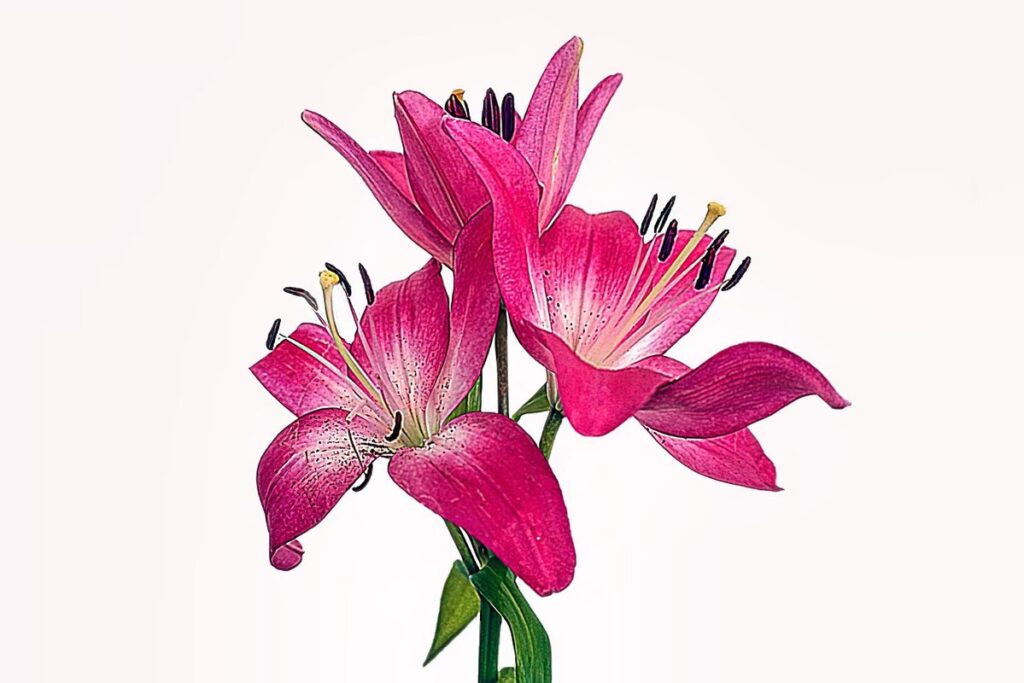
Understanding Flower Anatomy and Basic Shapes
To get a solid foundation for your flower sketches, it’s essential to understand the basic anatomy of flowers, which includes understanding their parts and shapes. Let’s start by breaking down these fundamental components.
Understanding Petal Formations
When sketching flowers, it’s essential to understand the different types of petals and how they’re formed. Simple petals have a single limb attached to the receptacle, while compound petals are made up of two or more fused together. Double petals, on the other hand, have two sets of petal parts, typically with a smaller set in the center.
Look for simple petal structures that can be broken down into basic shapes, such as the rose and daisy. For example, a single rose petal is shaped like a teardrop or a droplet of water. Begin by drawing an oval shape for the petal’s base, followed by a pointed tip at one end. You can also draw a curved line to suggest the petal’s natural curve.
In contrast, compound petals are often seen in flowers like the poppy and peony. These petals usually have a central cluster of stamens, which you can emphasize with a slight indent or notch on each petal part.
Identifying Stem and Leaf Structure
When observing and drawing flowers, it’s essential to grasp the basic stem and leaf anatomy. The stem is the main support for the plant, often thicker at the base than at the top. Leaves typically arise from nodes along the stem, with some plants having modified leaves that function as protection or storage.
In flower sketching, accurately rendering the stem and leaves can greatly enhance realism. Start by observing the placement and orientation of the leaves on the stem. Notice if they’re arranged alternately or in a whorl pattern. Pay attention to leaf shape, size, and texture – are they pointed, rounded, or lobed? Take note of the veins, which often radiate from the base of the leaf.
When drawing the stem, capture its subtle tapering as it ascends towards the leaves. You can also indicate the nodes where leaves meet the stem by adding a slight indentation or swelling. A simple trick for depicting leaves is to draw their overall shape first and then add veins later, using a range of line weights to suggest depth and structure.
Mastering Basic Line Work for Flowers
Now that you’ve got a basic shape down, let’s work on adding some delicate lines to capture the intricate details of your flower petals and stems. Simple strokes will help bring your blooms to life!
Learning Different Line Styles
When it comes to adding dimension and texture to a flower drawing, different line styles play a crucial role. One of the most basic techniques is using smooth lines, which can create delicate petal edges or define the curves of a trumpet-shaped bloom. However, for more intricate work, hatching and cross-hatching are essential tools. Hatching involves applying parallel lines that follow the contours of the flower, while cross-hatching adds layers of perpendicular lines to suggest deeper shading.
Stippling, another effective technique, uses small dots to create detailed areas like centers or veining. To master these techniques, practice each style on its own before combining them in a single drawing. Start with simple exercises like hatching a single petal or creating a smooth line that captures the curvature of a leaf. As you become more comfortable with each style, experiment with blending multiple techniques to add depth and visual interest to your flower drawings.
In a detailed flower sketch, it’s common to see a mix of these styles used in conjunction – for example, hatching on large areas like sepals or cross-hatching on finer details like stamens. By incorporating a range of line styles into your work, you’ll be able to capture the intricate textures and nuances that make flowers so beautiful.
Creating Dimension with Value and Texture
To create dimension and depth in your flower drawings, you need to consider two key elements: value and texture. Value refers to the lightness or darkness of an area, while texture describes the surface quality of an object. A simple stem may have a smooth texture, but the petals can be soft and velvety.
When adding value, focus on creating areas that are in shadow versus those in direct sunlight. Use hatching techniques to suggest areas where the light is hitting the flower, such as along the ridges of petals or the edges of leaves. Conversely, use shorter strokes to block out areas in deep shadow.
For texture, observe the natural curves and folds of your subject. Soft brushstrokes can evoke delicate petals, while thicker lines may suggest rougher textures like a bee’s pollen baskets. Practice adding subtle variations in value and texture by studying reference images of real flowers under different lighting conditions.
Step-by-Step Sketching Exercises
Now that you have a basic understanding of flower sketching, it’s time to practice what you’ve learned through hands-on exercises. We’ll walk you through step-by-step sketches to refine your skills.
Exercise 1: Simple Daffodil Drawing
To begin sketching a daffodil, start with its basic shape. Imagine the flower as three connected spheres: one for the center of the bloom and two smaller ones at either side. Focus on drawing these shapes loosely and proportionally first.
Pay attention to the petals’ direction – they typically curve outwards from the central sphere in a smooth, continuous motion. You can draw the lines connecting each petal’s tip with its base, but don’t worry too much about making them perfectly curved. For now, just focus on getting the overall shape right.
Notice how the stem is long and slender compared to the flower head. Keep it simple by drawing a straight line from the base of the daffodil up to where you want it to emerge from the foliage. You don’t need to draw any leaves or detailed foliage at this stage – just get the main shapes down.
This exercise is about capturing basic forms, not details. If you find yourself getting too caught up in trying to render each petal perfectly, stop and come back to it later with more confidence.
Exercise 2: Sketching Multiple Petals
When drawing multiple petals, remember that each one should be slightly irregular and asymmetrical. This will create a more natural-looking bloom. In Exercise 2, sketch three to five petal shapes, varying their sizes so some are larger than others. Place the largest petal at the bottom of the flower, and arrange the smaller ones around it.
To create the illusion of depth, make sure each petal overlaps slightly with its neighbors. For example, if one petal is positioned in front of another, draw a slight curve or indentation on the back edge to suggest the hidden part. This technique applies not just to petals but also to sepals and other flower parts.
When varying petal sizes, keep in mind that even within a single bloom, individual petals can be quite different from one another. Study real flowers for reference: some may have uniformly sized petals, while others display a mix of large and small shapes. By practicing this exercise, you’ll develop the ability to capture these subtleties on paper and enhance your overall flower sketches.
Advanced Techniques for More Realistic Flowers
Now that you’ve mastered basic flower shapes, let’s take your skills to the next level by exploring advanced techniques to create more realistic petals and delicate textures. This section will cover expert tips for enhancing your floral illustrations.
Enhancing Realism with Shading and Atmospheric Perspective
When applying shading and atmospheric perspective, the goal is to create a sense of depth and volume within the flower sketch. To achieve this, pay attention to subtle value shifts – the way light interacts with different textures and surfaces. For instance, the petals may receive direct sunlight, while the center of the flower remains shaded.
Notice how values decrease as you move into the background. This is where atmospheric perspective comes in: objects appear lighter and more defined in the foreground, fading into soft focus towards the back. To guide the viewer’s eye through your sketch, use atmosphere to create a sense of distance. You can do this by applying gentle gradations of tone, rather than harsh lines or distinct borders.
Consider the color palette you’ve chosen for your flower: warm colors tend to advance, while cool colors recede. This principle will help you establish a convincing sense of depth in your sketch. When using atmospheric perspective, remember that it’s not just about what’s visible – it’s also about what’s implied. Avoid heavy shading or overemphasis on details; instead, focus on capturing the overall feeling and atmosphere of your flower subject.
Adding Details: Stamens, Pistils, and Leaves
When adding details like stamens, pistils, and leaves to your flower drawing, you can significantly enhance its realism. Start by observing real flowers or studying reference images of different types. Note how the shape, size, and arrangement of these features vary between species. For instance, stamens come in a range of lengths and colors, with some being tightly clustered while others are more scattered.
Pay attention to pistils as well – some flowers have long, prominent styles, while others have short or even absent ones. Leaves can be equally varied, from delicate, lacy textures to thick, waxy surfaces. Consider the overall shape of your flower and how these details will contribute to its balance and harmony. You might begin by sketching out a few stamens and pistils as loose suggestions before refining their placement.
When adding leaves, think about how they would grow from the stem in relation to the rest of the flower. Practice varying the size and shape of leaves between different stems or even on the same stem for added realism. Remember that even small details can make a significant difference in capturing the essence of your subject.
Tips for Capturing Movement and Energy
As you practice sketching flowers, capturing their movement and energy can be a bit tricky – let’s focus on some essential tips to help you convey life into your drawings.
To achieve this, consider paying attention to delicate petal movements and the subtle play of light on your subject.
Capturing Dynamic Petal Movement
When capturing dynamic petal movement, it’s essential to convey energy and life through expressive lines. Observe how petals curve, twist, and overlap one another. Focus on areas where petals are most active – where they’re opening, closing, or curving around each other. These action zones can create visually appealing tension in your composition.
To emphasize petal movement, use loose, gestural strokes that follow the contours of the flower. Avoid precise lines, which can make the drawing look stiff and lifeless. Instead, let your pen dance across the paper to capture the fluidity of petals swaying in the breeze. For example, you might draw a petal with a soft, curved stroke at its base, then transition into a more defined line as it unfurls.
Consider using hatching or cross-hatching techniques to suggest texture and depth. This can help create a sense of dimensionality and energy within your drawing. By placing the most expressive lines where petals are most dynamic, you’ll be able to capture the fluid movement that makes flowers so captivating.
Translating Nature to Paper: Practical Advice
When translating the dynamic movements of flowers into a static sketch, it’s essential to balance energy with focus. Observe how petals curve outward from the center of the bloom, and then capture that movement on paper by suggesting it rather than depicting every detail. For instance, you might draw a few loose, expressive lines to indicate the way a petal is curled or twisted.
To convey energy without losing your focal point, consider using gentle, flowing lines and soft edges. This will help guide the viewer’s eye through the sketch and create a sense of movement. Avoid sharp lines or hard edges, which can make the drawing feel stiff and lifeless. Instead, opt for a more expressive, gestural style that captures the essence of the flower in motion.
When sketching flowers, it’s also helpful to focus on key areas where energy is concentrated – like the center of the bloom or the tips of the petals. By capturing these dynamic areas, you can create a sense of movement and life in your drawing, even when working with static lines and forms.
Common Mistakes to Avoid
Don’t get discouraged if your first attempts at sketching flowers don’t turn out as expected, because common mistakes can easily be avoided with a little practice and guidance. We’ll cover some key errors to steer clear of in this next section.
Overemphasis on Detail at the Expense of Composition
When focusing on a flower sketch, it’s easy to get caught up in detailing every petal and line. However, an overemphasis on detail can lead to neglect of composition and overall balance. This can result in a piece that feels cluttered or chaotic.
A good exercise to avoid this pitfall is to create a loose outline of the entire flower before adding details. Consider the placement of key features like the center of the bloom and the stem. Ask yourself where the viewer’s eye will naturally travel through your drawing. This will help you balance negative space and focus attention on specific areas.
For example, if you’re sketching a peony, you might divide the flower into thirds both horizontally and vertically to create a sense of visual tension and movement. By establishing this foundation first, you can then add details like texture and patterns without overwhelming the composition.
Inaccurate Representation of Plant Anatomy
When sketching flowers, it’s essential to accurately represent plant anatomy. One common mistake is misplacing the stem. You might be tempted to place it directly above the root, but most plants have a deeper placement. Observe how the stem emerges from the soil at an angle, and position yours accordingly. This subtle detail can make a significant difference in the overall appearance of your flower.
Leaf orientation is another area where accuracy matters. Leaves often grow in pairs along the stem, with one facing upwards towards the sun and the other downwards. Don’t be afraid to experiment with different orientations, but try to capture this natural symmetry when possible. Pay attention to how leaves are arranged on branches – they might be alternate, opposite, or whorled.
When drawing leaves, also consider their shape and size in relation to the rest of the plant. Leaves can range from small and delicate to large and lobed. Study the proportions of different leaf shapes and sizes, and practice rendering them accurately in your sketches. By paying attention to these details, you’ll be able to create more realistic and engaging flower drawings.
Final Touches: Refining Your Flower Sketch
Now that you’ve outlined your flower sketch, it’s time to add some final details and bring your artwork to life with texture, pattern, and color. Let’s refine those delicate petals!
Evaluating Composition and Balance
When evaluating the composition and balance of your flower sketch, consider the visual weight of individual elements. Pay attention to how heavy or light different areas of your drawing feel. A balanced composition distributes weight evenly throughout the piece, guiding the viewer’s eye on a smooth path.
To achieve harmony, adjust line weight by varying thicknesses and patterns. Thicker lines can create a sense of structure, while thinner ones add delicacy. Notice how the placement of bold strokes affects the overall balance: does your drawing feel top-heavy or overwhelmed by dark values?
Balance is also influenced by negative space – areas left unpainted or lightly sketched. Don’t underestimate its impact; it helps to calm busy compositions and creates breathing room for focal points. When adjusting value, be mindful of how light and shadow interact with each other. Avoid overwhelming the viewer with too much contrast, as this can create visual discomfort.
Remember that composition is not static – make adjustments on the fly until your drawing feels balanced and harmonious. As you refine your sketch, trust your instincts and revise accordingly. With practice, you’ll develop an intuitive sense for what works in a given piece.
Last-Minute Tips for Sharpening Details
When refining small details like stamens or delicate petal edges, it’s essential to pay attention to their proportions and texture. To accurately depict the intricate patterns of a flower’s center, observe how the stamens emerge from the center of the bloom. Note their length and angle relative to each other. Consider using fine lines and gentle curves to capture the delicate shape of the anthers.
To add depth and dimension to your petal edges, practice varying line weights and textures. For instance, use a fine pen to draw the soft, feathery edges of a rose’s petals, while a thicker brush might be better suited for the more rugged texture of a sunflower’s sepals.
Remember that mastering these details takes time and practice. Experiment with different techniques and tools to find what works best for you. As you continue to sketch flowers, pay attention to how your skills improve over time. With patience and persistence, even the smallest nuances will become easier to capture.
Frequently Asked Questions
What if I’m stuck on capturing realistic texture in my flower drawings?
Capturing realistic texture in flower drawings involves observing and rendering the subtle patterns and ridges found in nature. Practice using different line styles, such as hatching and stippling, to achieve varying levels of detail and dimensionality. Pay attention to the natural folds and creases of petals and use these observations to inform your line work.
Can I use digital drawing tools to create realistic flower sketches?
Yes, you can use digital drawing tools to create realistic flower sketches, but it’s essential to understand how they simulate traditional media and apply them thoughtfully. Familiarize yourself with the unique strengths and limitations of digital drawing software, and experiment with different brushes and settings to achieve desired textures and effects.
How do I know when a flower sketch is ‘finished’?
A finished flower sketch should have a clear composition, balanced elements, and sufficient detail without being overly cluttered. When evaluating your work, consider whether the arrangement of petals, leaves, and stems creates visual harmony, and if the level of detail enhances or distracts from the overall image.
What’s the best way to practice drawing flowers without getting bored?
To keep practicing flower drawing engaging, try setting specific goals for each sketch, such as mastering a particular technique or capturing a certain type of flower. Experiment with different mediums, like colored pencils, ink, or watercolor, and explore various compositions or themes. Regularly sharing your work on social media or joining a sketching community can also provide motivation and inspiration.
Can I use photographs as references for my flower sketches?
Yes, using photographs as references is perfectly fine, but remember that the goal of drawing flowers is to capture their essence and spirit rather than mere likeness. Use photos to spark ideas and observe details, then interpret them in your own unique way, incorporating artistic liberties and personal expression into your work.

