
Energy consumption is a significant expense for many households, with utility bills adding up quickly. Reducing energy usage can make a substantial difference in saving money on your bills and doing your part for the environment. One common misconception is that making changes to save energy requires expensive renovations or a complete overhaul of your lifestyle. However, there are many simple and cost-effective ways to reduce consumption, from adjusting your daily habits to investing in home improvements.
You may be surprised at just how much you can save by implementing a few straightforward changes. In this article, we’ll cover effective ways to cut back on energy usage, including easy adjustments that require little effort and more significant upgrades that can pay for themselves over time. By the end of this guide, you’ll have a clear understanding of how to reduce your energy consumption and start saving money on your utility bills today.
Understanding Energy Consumption
To start saving energy, it’s essential to understand how and where you’re using power at home. This means taking a closer look at your daily habits and household appliances.
The Basics of Energy Usage
Energy usage affects our daily lives in more ways than we often realize. From powering our homes to fueling our transportation, energy consumption is a ubiquitous aspect of modern life. However, it also has significant environmental implications. Burning fossil fuels for energy releases greenhouse gases that contribute to climate change and air pollution.
The importance of energy efficiency cannot be overstated. Energy-efficient practices not only reduce your carbon footprint but also lower your utility bills. For instance, switching to LED light bulbs can save you up to 80% on lighting costs compared to traditional incandescent bulbs. Similarly, adjusting the thermostat by just one degree can make a substantial difference in energy consumption.
It’s essential to understand that energy usage is not just about powering individual appliances but also about the broader infrastructure and systems that support our daily lives. For example, transportation accounts for nearly 30% of total energy consumption in many countries. Therefore, considering alternative modes of transport or investing in energy-efficient vehicles can make a significant impact.
When thinking about energy efficiency, it’s helpful to consider two main categories: direct energy usage (e.g., lighting, heating) and indirect energy usage (e.g., transportation, manufacturing). By understanding these dynamics, you’ll be better equipped to identify areas where you can make a positive impact.
Common Sources of Energy Waste
Energy is wasted in various areas of the home, often due to habits and equipment usage. Standby power, also known as “vampire” power, accounts for a significant portion of energy waste. This occurs when devices continue to draw power even after they’re turned off but still plugged into the wall, such as TVs on standby mode or chargers left in the outlet.
Lighting is another area where energy is wasted. Incandescent bulbs are particularly inefficient, converting only about 5% of their input energy into visible light and heat. In contrast, LED bulbs use significantly less power to produce the same amount of light. Replacing incandescent bulbs with LEDs can make a substantial impact on energy consumption.
Appliances also contribute to energy waste. Old or poorly maintained appliances can consume more energy than necessary. For example, an old refrigerator may continue to run even when it’s not cooling properly, causing unnecessary energy usage. Regular maintenance and upgrading to Energy Star-rated appliances can help reduce this type of energy waste.
Assessing Your Energy Usage
To effectively save energy, it’s essential to start by understanding your current usage and identifying areas where you can make improvements. Begin by taking a closer look at your electricity bills and household appliances.
Conducting an Energy Audit
To identify areas of energy inefficiency in your home, conduct a thorough energy audit. Begin by checking for air leaks around windows and doors using a candle flame or incense stick – if the flame flickers or smoke seeps out, you have a leak that needs to be sealed.
Next, inspect your attic, walls, and floors for adequate insulation. Check the R-value of your insulation, which measures its thermal resistance, and consider upgrading if it’s below 30. You can also use a thermal imaging camera to detect cold spots in your home.
Evaluate your HVAC system by checking the filter and replacing it every month or two. Also, ensure that your thermostat is functioning correctly – check for proper calibration and replace batteries if necessary.
Typically, a home energy audit can cost anywhere from $100 to $1,000 depending on the scope of work and services provided. While this may seem expensive upfront, the cost savings from subsequent improvements often make it worthwhile. Consider hiring a professional auditor or conducting a DIY audit using online tools and resources to get started. By identifying areas of inefficiency, you can prioritize improvements that yield the greatest energy savings for your home.
Evaluating Energy-Efficient Appliances
When evaluating energy-efficient appliances, it’s essential to consider both their benefits and drawbacks. LED bulbs, for instance, use significantly less energy than traditional incandescent bulbs while also lasting much longer. However, some users have reported issues with their color accuracy and dimming capabilities.
Solar panels are another popular option, but they come with a hefty upfront cost that may not be recouped by energy savings alone. Smart thermostats can optimize your heating and cooling usage, but they require a compatible home network and may raise privacy concerns.
To choose the most efficient appliances for your needs, look for products that have earned ENERGY STAR certification. This label indicates that the product meets energy efficiency standards set by the U.S. Environmental Protection Agency (EPA). You should also consider your specific energy usage patterns, such as how often you use certain appliances or when you typically do laundry.
When selecting from various options, prioritize features that align with your lifestyle and needs. For example, if you’re away from home frequently, a smart thermostat might be more beneficial than an LED bulb. By carefully weighing the pros and cons of different energy-efficient appliances, you can make informed decisions that suit your circumstances.
Simple Changes for Significant Savings
Making small adjustments to your daily routine can lead to substantial energy savings, and it all starts with simple habits. Implementing these easy changes at home will make a big difference in your energy consumption.
Adjusting Your Lighting Habits
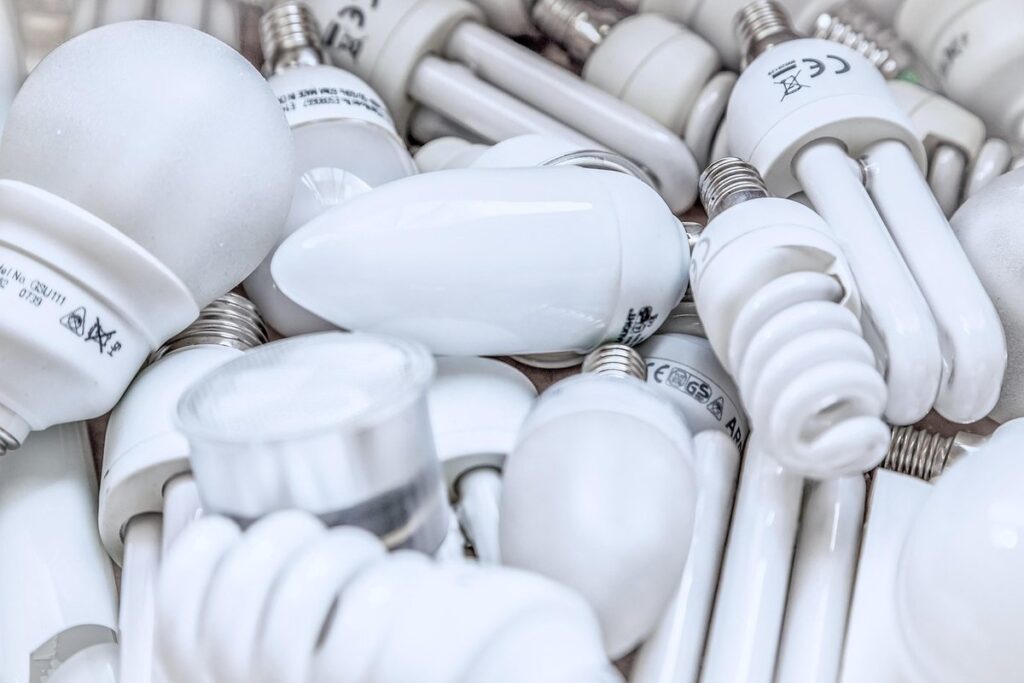
Switching to energy-efficient lighting is one of the simplest ways to reduce energy consumption. Start by replacing traditional incandescent bulbs with LED or CFL options, which use significantly less power and last longer. Consider using smart light bulbs that can be controlled remotely and adjust their brightness based on the time of day.
Make the most of natural light during the day by opening curtains and blinds to illuminate your living spaces. This not only reduces the need for artificial lighting but also has a positive impact on your mood and productivity. When necessary, use table lamps or floor lamps instead of overhead lighting to avoid wasting energy on unused areas.
For task-oriented activities like reading or cooking, choose energy-efficient lighting options specifically designed for these tasks. For example, under-cabinet lighting can provide focused illumination without using excess power. By implementing these small changes, you can significantly reduce your energy consumption and lower your utility bills.
Optimizing Your Thermostat Settings
Adjusting your thermostat settings is one of the simplest ways to save energy. According to the US Department of Energy, heating and cooling account for nearly half of a home’s total energy usage. By making a few tweaks, you can significantly reduce your energy consumption.
When it comes to optimizing your temperature settings, start by raising the temperature in summer by just 1-2 degrees. This can make a substantial difference in energy savings – typically around 3% for every degree lowered. In winter, lower the temperature by 1-2 degrees and consider installing a smart thermostat that can learn your schedule and preferences.
Smart home devices like Nest or Ecobee can help you optimize your temperature settings with features such as geofencing, which automatically adjusts the temperature when you leave or arrive home. Some thermostats also offer remote access, allowing you to adjust the temperature from your smartphone or tablet. By taking advantage of these technologies and simple adjustments, you can save up to 20% on your energy bills without sacrificing comfort.
Home Improvements for Maximum Savings
By making a few simple home improvements, you can significantly reduce your energy consumption and lower those monthly bills that seem to never end. Upgrading insulation and sealing air leaks are great places to start.
Insulation and Weatherization
Insulation is a critical component of energy efficiency, as it prevents heat loss and reduces the need for heating systems. Proper insulation can save you up to 30% on heating costs alone. In colder climates, this can be especially beneficial during harsh winter months when heating bills tend to skyrocket.
When selecting materials for insulation, consider factors such as R-value (thermal resistance), durability, and maintenance requirements. Fiberglass batts are a popular choice due to their affordability and ease of installation, but they may not provide the best R-value compared to other options like spray foam or cellulose.
Weatherization techniques also play a vital role in reducing energy consumption. Sealing air leaks around windows, doors, and electrical outlets can make a significant impact on heating efficiency. Caulk and weatherstripping are inexpensive solutions that can be applied by homeowners with basic DIY skills.
To determine the effectiveness of your insulation, consider hiring a professional to conduct an energy audit or using a DIY kit to measure heat loss in your home. This will help identify areas where additional insulation is needed, allowing you to make targeted improvements and maximize energy savings.
Upgrading to Energy-Efficient Windows
Upgrading to energy-efficient windows is a simple yet effective way to reduce heat transfer and improve comfort. Traditional single-pane windows allow cold air to seep in during winter and hot air to escape, wasting energy and driving up utility bills. Energy-efficient windows, on the other hand, are designed with multiple panes of glass separated by gaps filled with insulating gases like argon or krypton.
This design significantly reduces heat transfer between the inside and outside of your home. In fact, studies have shown that energy-efficient windows can reduce heating and cooling costs by up to 20% compared to traditional single-pane windows. Additionally, these windows are often made with low-e coatings that reflect heat rather than absorb it, further reducing energy loss.
When shopping for energy-efficient windows, look for products with a high R-value (a measure of thermal resistance) and a low U-factor (a measure of heat transfer). Some popular options include double-hung windows, casement windows, and sliding windows. Consider consulting with a professional to determine the best type of window for your home’s specific climate and energy needs.
Advanced Strategies for Maximum Efficiency
To truly maximize your energy savings, you’ll want to explore some of our most advanced strategies that can make a significant impact on your daily usage. These techniques are perfect for those looking to take their energy efficiency game to the next level.
Solar Panels and Renewable Energy
Solar panels are a highly effective way to harness renewable energy and reduce your reliance on traditional power sources. The benefits of solar panels extend beyond just environmental sustainability – they can also save you money on your electricity bills. The initial investment may seem high, but the payback period is typically around 5-7 years, after which point the energy is essentially free.
When considering installing solar panels, it’s essential to evaluate the quality and efficiency of the system. Look for panels with a high wattage rating (around 300-350 watts) and consider hiring a professional to assess your home’s solar potential. The cost of installation can vary depending on factors like roof size, location, and local incentives.
To integrate solar panels into your home’s energy system, you’ll need to connect them to a battery storage unit or grid tie system. This will allow excess energy generated during the day to be stored for use at night or fed back into the grid in exchange for credits on your utility bill. Additionally, consider combining solar panels with other renewable energy sources like wind turbines or geothermal systems to maximize your energy efficiency.
Smart Home Technology and Automation
Smart thermostats can learn your schedule and preferences to optimize heating and cooling. They often come with smartphone apps, allowing you to adjust settings remotely. Some popular options include Nest and Ecobee, which integrate with other smart home devices for seamless control.
Energy management software is another key component of smart home automation. It collects data on energy usage in real-time, helping you identify areas where efficiency can be improved. Programs like EnergyHub or Sense monitor power consumption down to the individual appliance level, making it easier to pinpoint energy hogs.
Smart lighting systems are also a crucial aspect of energy-efficient homes. Philips Hue and LIFX offer Wi-Fi enabled bulbs that can be scheduled to turn on and off automatically. They often integrate with voice assistants like Alexa or Google Assistant for hands-free control. This not only saves energy but also enhances home security by making it look like someone’s home when you’re away.
When selecting smart home devices, consider the following factors: compatibility with existing systems, ease of use, and data accuracy. By choosing products that integrate well and provide accurate readings, you can make informed decisions about your energy usage and optimize your home’s efficiency.
Overcoming Common Obstacles
Saving energy can be challenging, especially when faced with common obstacles such as outdated appliances and inefficient habits. We’ll address these hurdles head-on to get you back on track.
Financial Constraints
One of the primary concerns when it comes to energy-efficient upgrades is the upfront cost. Many people assume that making their homes more energy-efficient requires a significant financial investment. However, there are several financing options and incentives available to make these changes more accessible.
Some homeowners may be eligible for low-interest loans or grants from local governments or utility companies to help fund energy-saving projects. These programs often have specific requirements, such as income limits or geographic restrictions, so it’s essential to research and understand the eligibility criteria.
Tax credits are another option to consider. The federal government offers tax credits for installing solar panels, wind turbines, and other renewable energy systems. Additionally, some states and local governments offer their own tax incentives for energy-efficient upgrades.
To maximize these benefits, homeowners should carefully review the terms and conditions of any financing or incentive program. This may involve consulting with a financial advisor or energy auditor to determine which options are most suitable for their specific situation. By exploring these available resources, homeowners can make energy-saving upgrades more affordable and achieve long-term savings on their energy bills.
Behavioral Habits and Energy Consumption
Changing behavioral habits is often the most significant hurdle when it comes to adopting energy-saving practices. Many people struggle with making long-term changes to their daily routines, and energy efficiency is no exception. However, by understanding the impact of our habits on energy consumption, we can identify areas for improvement.
For instance, turning off lights, electronics, and appliances when not in use may seem like a simple task, but it requires developing a new habit. Similarly, adjusting thermostat settings or using power strips to reduce standby power consumption necessitates a conscious effort to change one’s behavior. To overcome these obstacles, start by identifying your energy-wasting habits and tracking your progress.
Consider implementing the 30-Watt Rule: replace incandescent bulbs with LED bulbs that use 30 watts or less. This simple switch can significantly reduce energy consumption without requiring significant lifestyle changes. Additionally, make a conscious effort to turn off lights and electronics when not in use by creating a routine, such as turning off all lights before leaving the room. By gradually incorporating these habits into your daily life, you’ll be more likely to maintain them over time.
Frequently Asked Questions
What If I’m Renting My Home? Can I Still Save Energy?
You can still save energy even if you’re renting your home. Start by talking to your landlord about making some simple changes, such as switching to LED bulbs or adding weatherstripping around doors and windows. You can also take advantage of utility rebates for renters that may be available in your area.
How Do I Know If a Smart Thermostat is Worth the Investment?
While smart thermostats can be more expensive upfront, they often pay for themselves through energy savings over time. Consider factors like your current heating and cooling usage, the age and efficiency of your existing thermostat, and any rebates or incentives available in your area.
Can I Mix-and-Match Energy-Efficient Features, Like LED Bulbs and Solar Panels?
Yes, you can combine different energy-efficient features to create a customized solution that suits your needs. For example, using solar panels to power your home’s electrical system while also installing energy-efficient appliances and lighting will have the greatest impact on reducing your energy consumption.
What Happens If I Overspend on Energy-Efficient Upgrades? Can I Recoup My Costs?
While it’s true that some energy-efficient upgrades may require a larger upfront investment, many can pay for themselves through reduced energy bills over time. To minimize financial risk, consider consulting with an energy auditor or efficiency expert to identify the most cost-effective solutions for your home and budget.
Are Energy-Efficient Windows Worth It If I’m Planning to Move Soon?
Whether energy-efficient windows are worth the investment depends on various factors, including your current location, future plans, and personal preferences. Consider how long you plan to stay in your home, as well as any potential resale value or rental income benefits that may come with installing high-performance windows.

