
Plastic pollution has become an overwhelming issue in our daily lives, communities, and workplaces. The statistics are staggering: millions of tons of plastic waste end up in oceans every year, harming marine life and contaminating the food chain. As individuals, it’s easy to feel powerless against this massive problem, but the truth is that every small action counts. By making a few simple changes to our daily habits, we can significantly reduce plastic pollution. In this article, you’ll learn practical tips on how to reduce plastic use in your home and community, implement sustainable practices at work, and inspire others to join the movement. You’ll discover ways to cut down on single-use plastics, reuse and recycle effectively, and advocate for policy changes in your local area. By the end of this article, you’ll have a clear plan to make a meaningful impact on reducing plastic pollution in all areas of your life.
Understanding the Problem
To tackle plastic pollution effectively, you need to understand its root causes and how it affects our environment. Let’s take a closer look at the problem that needs addressing.
The Devastating Impact of Plastic Pollution
Plastic pollution has far-reaching and devastating consequences for the environment, human health, and wildlife. The effects of plastic waste are staggering: it’s estimated that over 8 million tons of plastic enter our oceans every year, harming marine life and contaminating the food chain. Plastic debris is ingested by sea turtles, fish, and other marine animals, causing blockages, nutrient deficiencies, and even death.
The environmental impact of plastic pollution is also evident on land. Plastic waste contributes to soil degradation, contaminates water sources, and releases toxic chemicals into the air. Moreover, microplastics have been found in tap water, posing a significant threat to human health. Exposure to these tiny plastic particles has been linked to cancer, reproductive issues, and other diseases.
The consequences of plastic pollution are not limited to the environment. It also affects human health through the consumption of plastic-contaminated food and water. In fact, a recent study found that 85% of tap water samples contained microplastics. To mitigate this issue, it’s essential to reduce our plastic use, recycle more, and support policies that aim to eliminate single-use plastics. By taking these simple steps, we can significantly decrease the devastating impact of plastic pollution on our planet.
Types of Plastic Pollution
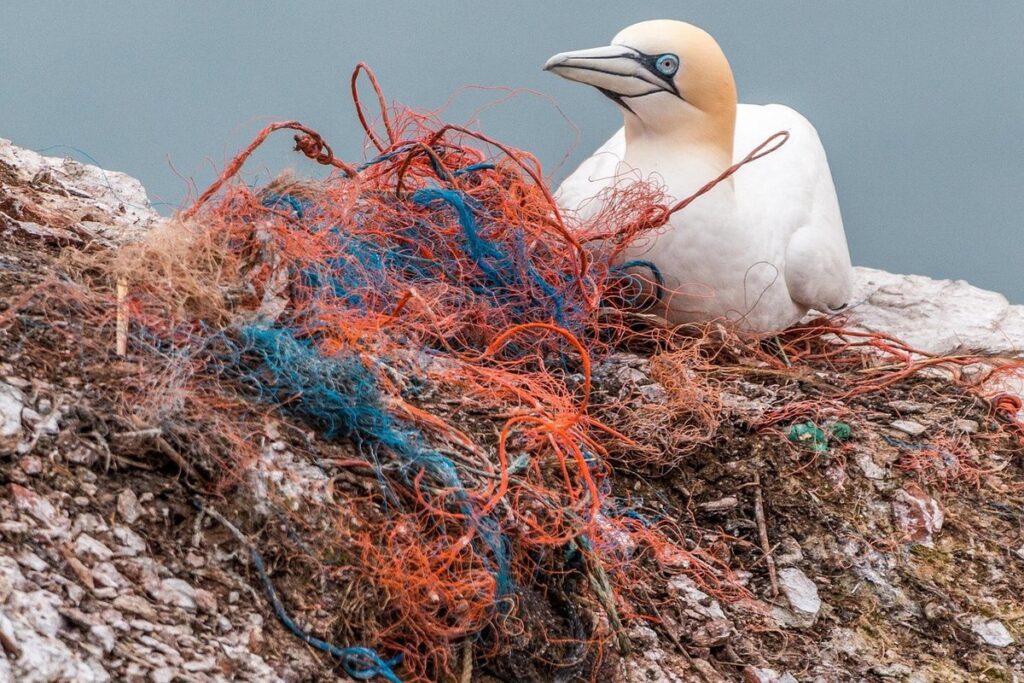
Plastic pollution takes many forms, each with its own unique impact on ecosystems. Marine debris refers to large pieces of plastic that litter our oceans and coastlines. These can range from abandoned fishing nets to discarded plastic bags, which can entangle or suffocate marine life. Macroplastics, like plastic bottles and straws, also contribute to marine pollution when not disposed of properly.
Microplastics are a particularly insidious type of pollution. They’re small enough to be ingested by tiny organisms, which can lead to the microplastics being transferred up the food chain. This means that humans may inadvertently consume microplastics through their seafood or drinking water. The effects of microplastic ingestion on human health are still being studied, but it’s clear that they can cause physical harm and disrupt ecosystems.
The impact of plastic pollution goes beyond just marine life, however. When plastics break down into smaller pieces, they can also contaminate soil and freshwater sources. This can have devastating effects on local ecosystems and even human health. To mitigate these issues, it’s essential to address the root causes of plastic pollution and make conscious choices about the products we use and how we dispose of them.
Identifying Sources of Plastic Pollution
Let’s start by examining the places where plastic pollution often originates, such as our own homes and communities. Understanding these sources is key to making a meaningful impact on the environment.
Single-Use Plastics: The Culprit Behind Plastic Pollution
Single-use plastics are a major contributor to plastic pollution, and their impact is felt on land and sea. Plastic bags, straws, water bottles, and food packaging are all single-use items that are used once and then discarded, often ending up in oceans and waterways.
Plastic bags, for example, are commonly used for grocery shopping and other purposes, but they can easily become entangled in trees, animals’ fur, or even wind turbines. They also contribute to the litter that lines our streets and parks. According to a study, most plastic bags take around 10-20 years to decompose.
Water bottles are another common single-use plastic item that contributes to pollution. Plastic water bottles account for over 8% of all plastic waste in the US alone, with millions ending up in landfills or oceans each year. To reduce your use of single-use plastics like these, consider switching to reusable bags and water bottles.
When it comes to straws and food packaging, look for alternatives like paper or metal options. Some restaurants have already started replacing plastic straws with biodegradable ones made from plant-based materials. By making a few simple changes to our daily habits, we can significantly reduce the amount of single-use plastics that end up in landfills and oceans.
Personal Care Products and Microbeads
Personal care products, such as face washes and toothpastes, contain tiny plastic particles called microbeads. These microbeads are added to create a gentle exfoliating effect, but they can cause significant harm when washed down the drain. Microbeads pass through water treatment plants and make their way into our oceans, where they can be ingested by marine life. This not only harms individual animals but also contaminates the food chain.
Many popular personal care products contain polyethylene or polypropylene microbeads. A single tube of face wash may contain millions of these particles, which are too small to be filtered out by wastewater treatment plants. As a result, microbeads have become one of the most prevalent types of plastic pollution in our oceans.
To reduce your contribution to microplastic pollution, choose personal care products that use natural exfoliants instead of microbeads. Look for alternatives like sugar or salt-based scrubs, which are biodegradable and gentler on skin. Some popular brands have already started phasing out microbeads from their products, so be sure to check the ingredient list before making a purchase.
Making Sustainable Choices
Making sustainable choices is often easier than we think, and it starts with small changes to our daily habits that can have a big impact on reducing plastic pollution. Let’s explore some simple swaps you can make right now.
Reducing Plastic Use at Home
Using reusable bags is one of the simplest and most effective ways to reduce plastic use at home. Most supermarkets offer canvas or jute bags for a few dollars, which can be used multiple times. Replace single-use plastic bags with these alternatives and make it a habit to carry them with you when shopping. You can also consider investing in a set of reusable produce bags for fruits and vegetables.
Another area where plastic use can be significantly reduced is by switching from disposable containers to reusable ones. Glass or stainless steel containers are great alternatives to plastic containers and can be used for storing leftovers, packing lunches, or even serving snacks. When shopping for food, opt for bulk purchases and store them in airtight glass containers.
Reusable water bottles are also essential in reducing plastic use at home. Choose a BPA-free bottle made from stainless steel, glass, or silicone, and refill it regularly. Avoid single-use plastic water bottles that often end up as litter or contribute to the staggering number of plastic waste.
Choosing Eco-Friendly Products
When shopping for everyday essentials, you can make a significant impact by choosing products with minimal or biodegradable packaging. Opt for items sold in bulk, such as nuts, grains, and cleaning supplies, to reduce the number of individual packages. Look for brands that use recyclable materials or have implemented refill programs.
Consider the packaging made from plant-based materials like bamboo, sugarcane, or cornstarch. These bioplastics are compostable and can replace traditional plastics in many applications. For personal care products, choose those with minimal packaging or those sold in reusable containers. Some companies offer refill options for shampoo, conditioner, and body wash.
When evaluating product sustainability, check the ingredients and materials used. Avoid products made from microbeads, which contribute to plastic pollution. Instead, opt for products containing natural exfoliants like sugar or salt. By choosing eco-friendly products, you’ll not only reduce your plastic footprint but also support companies prioritizing sustainability. To make informed decisions, read labels carefully and research brands’ environmental policies.
Community Involvement and Policy Change
You can make a real impact by advocating for policy changes that address plastic pollution, such as banning single-use plastics or implementing recycling programs.
Organizing Beach Cleanups and Community Events
Community involvement plays a vital role in reducing plastic pollution. Organizing beach cleanups and community events can be an effective way to raise awareness about the issue and encourage individuals to take action. When planning such events, it’s essential to define clear goals and objectives. For instance, you might aim to collect a specific amount of trash or engage a certain number of participants.
To organize a successful event, consider the following steps:
- Identify a suitable location, taking into account accessibility and potential impact.
- Recruit a team of volunteers with diverse skills and expertise.
- Promote the event through social media, local newspapers, and community boards.
- Prepare for the day by collecting necessary supplies, such as trash bags, gloves, and water.
During the event, make sure to educate participants about the importance of reducing plastic pollution. Encourage them to adopt sustainable practices in their daily lives and provide resources for further information. By doing so, you’ll not only contribute to cleaning up our environment but also inspire a community-driven movement towards sustainability.
Supporting Plastic-Free Policies and Legislation
Governments can play a crucial role in implementing policies and legislation that reduce plastic use. One way they can do this is by banning single-use plastics or imposing taxes on non-biodegradable materials. For instance, countries like Kenya and Rwanda have banned the use of plastic bags, while others like France and Italy have introduced eco-taxes on single-use plastics.
Businesses can also contribute to reducing plastic pollution by adopting sustainable practices and advocating for policy changes. Some companies are already taking steps in this direction, such as using biodegradable packaging or partnering with organizations that specialize in waste management. Individuals can support these efforts by contacting their representatives and urging them to introduce legislation that addresses plastic pollution.
In addition, consumers can make informed choices about the products they buy and the companies they support. By choosing companies that have a track record of sustainability, individuals can help create demand for eco-friendly alternatives and encourage businesses to adopt more environmentally friendly practices. This collective effort can lead to significant reductions in plastic use and help mitigate the devastating impact of plastic pollution on our environment.
Implementing Sustainable Practices at Work
Now that you’ve made the commitment to reduce plastic pollution, let’s talk about how to implement sustainable practices at your workplace. This includes making conscious changes to everyday operations and habits.
Reducing Office Waste and Single-Use Plastics
When it comes to reducing office waste and single-use plastics, making small changes can have a significant impact. One simple switch is to replace disposable cups with reusable ones. Many offices already provide a supply of refillable water bottles or coffee mugs, but if not, consider investing in some or encouraging employees to bring their own.
Reusable bags are another easy swap-out for single-use plastics like paper towels and plastic wrap for food storage. Some companies even offer branded tote bags as a promotional item, which can be a thoughtful gesture while also reducing waste. To take it a step further, consider implementing a “BYOB” (bring your own bag) policy or encouraging employees to bring their reusable containers for packing lunches.
In addition to these changes, think about how you can reduce paper usage in the office. This might involve switching to digital documents and invoices or using recycled paper products whenever possible. By making these small adjustments, offices can significantly reduce their plastic waste and contribute to a more sustainable future. For example, if an average office uses 500 single-use cups per week, switching to reusable cups could eliminate over 25,000 cups annually.
Encouraging Colleagues to Make Sustainable Choices
Encouraging colleagues to make sustainable choices requires leadership and a supportive work environment. As an employee, you can start by being a role model and demonstrating eco-friendly habits in the office. This might involve reducing personal use of single-use plastics, such as bringing a reusable water bottle or coffee cup.
You can also encourage your colleagues to participate in sustainability initiatives through email campaigns or company-wide announcements. For example, you could organize a “bring-your-reusable-container-day” where employees are encouraged to bring their own containers for food and drinks instead of using single-use plastics. Another idea is to create a “sustainability challenge” where teams compete to reduce their plastic use over a set period.
To make sustainable choices more accessible, consider suggesting eco-friendly alternatives to your colleagues. For instance, you could recommend switching to refillable pens or highlighters instead of disposable ones. By making small changes together, you can create a ripple effect and encourage others to adopt sustainable practices. This collective effort can lead to significant reductions in plastic use at the workplace.
Conclusion: Taking Action Against Plastic Pollution
Now that you’ve learned simple steps to reduce plastic pollution, it’s time to take action and put these habits into practice every day. Let’s discuss ways to make a lasting impact in your community.
Empowering Individuals to Create Change
Individual actions may seem insignificant on their own, but collective efforts can yield substantial results. When individuals make conscious choices to reduce plastic use and waste, it sends a powerful message to businesses, policymakers, and other community members. This ripple effect can lead to larger-scale changes, such as increased investment in sustainable infrastructure or the implementation of plastic-reducing regulations.
Every day, people make choices about what products to buy, how to manage their waste, and which companies to support with their purchases. These individual decisions may seem minor, but they collectively contribute to a significant reduction in plastic pollution when aggregated. For instance, if every household reduced its single-use plastic use by 10%, it could lead to a substantial decrease in the amount of plastic waste entering our oceans.
To amplify individual actions, consider sharing your own experiences and successes with others through social media or community events. You can also join online forums or local groups focused on sustainability to connect with like-minded individuals and stay informed about relevant initiatives. By inspiring and supporting one another, we can create a snowball effect that propels us toward a plastic-free future.
Final Thoughts and Call to Action
As we conclude our exploration of simple steps to reduce plastic pollution, it’s essential to remember that individual actions can collectively create significant change. By implementing sustainable practices at home, choosing eco-friendly products, and advocating for policy changes, you are contributing to a larger movement towards a plastic-free future.
Key takeaways from this article include understanding the devastating impact of plastic pollution, identifying sources of pollution in our daily lives, and making conscious choices to reduce waste. Whether it’s switching to reusable bags, avoiding single-use plastics, or supporting organizations working towards plastic reduction, every step counts.
To further empower you to create change, consider the following: Start by assessing your own plastic usage and setting realistic goals for reduction. Share your experiences with friends and family to inspire others to join the movement. Support local businesses that prioritize sustainability and advocate for policy changes in your community.
Remember, reducing plastic pollution is a collective effort that requires ongoing commitment and creativity. By working together and staying informed about sustainable practices, we can create a ripple effect of positive change that inspires a brighter, more sustainable future for generations to come.
Frequently Asked Questions
Can I still use single-use plastics in emergencies or when no alternatives are available?
Yes, it’s okay to use single-use plastics in exceptional circumstances. However, try to find alternative solutions whenever possible and consider carrying reusable options with you.
How do I know if a product is truly biodegradable or just claims to be eco-friendly?
Look for certifications from reputable organizations like the Biodegradable Products Institute (BPI) or the International Organization for Standardization (ISO). These labels ensure that products meet rigorous standards for biodegradability and sustainability.
What’s the best way to encourage my workplace to adopt sustainable practices and reduce plastic use?
Start by identifying areas where your workplace can improve, such as reducing paper waste or implementing a recycling program. Collaborate with colleagues to develop a plan and present it to management, highlighting the benefits of a more sustainable work environment.
Can I participate in beach cleanups if I have mobility issues or limited availability?
Yes, there are ways to contribute beyond physically participating in beach cleanups. Consider organizing a local cleanup event in your community, donating to organizations that support beach conservation efforts, or spreading awareness about plastic pollution on social media.

