
Making perfect homemade custard from scratch can be a daunting task, especially when you’re used to relying on store-bought varieties. However, with a little practice and patience, you’ll be able to achieve that smooth, creamy texture we all crave. The key to making great custard is using high-quality ingredients and understanding the right techniques – this means no more lumpy or separated mixtures! You may wonder why it’s worth learning how to make custard from scratch, but trust us, the difference is night and day compared to store-bought versions. In this article, we’ll take you through the essential ingredients, step-by-step instructions, and troubleshooting tips to help you master the art of homemade custard every time. By the end of it, you’ll be able to make perfect homemade custard with confidence.
Choosing the Right Ingredients
When making custard from scratch, choosing the right ingredients is crucial for achieving a smooth and creamy texture. Selecting high-quality milk, sugar, and eggs will set you up for success in this recipe.
Understanding Egg Yolks and Their Role in Custard
When it comes to making custard from scratch, selecting high-quality eggs is crucial. Fresh egg yolks are essential for achieving a smooth and creamy texture. Old or low-quality eggs can result in an unpleasant grainy or separated custard.
To ensure you’re using the best eggs possible, look for them at a reputable farm stand or through a community-supported agriculture (CSA) program. These sources often provide fresher and higher-quality eggs than those found in supermarkets. Avoid eggs that are excessively clean or seem to have been washed – this can indicate they’ve been stripped of their natural coating.
When cracking open an egg, examine the yolk’s color and consistency. A bright yellow yolk is a good sign of freshness, while older yolks may appear duller or more pale. You should also check for any visible cracks or breaks in the yolk membrane – if it’s compromised, the egg might not be suitable for custard-making.
Fresh eggs are typically stored at room temperature, which allows them to retain their natural moisture and flavor. When selecting eggs for your custard recipe, try to use those that have been refrigerated minimally or none at all.
Common Baking Spices and Flavorings Used in Custard Recipes
When it comes to adding depth and complexity to homemade custard, common spices and flavorings play a crucial role. Vanilla is perhaps the most obvious choice, as its warm, sweet aroma complements the richness of the eggs and cream perfectly. A small amount – about 1/4 teaspoon per cup of milk – is usually sufficient, but feel free to adjust to your taste.
Nutmeg is another popular option, adding a subtle warmth and depth that pairs well with fruits or chocolate additions. Use it sparingly, as its pungency can quickly overwhelm the other flavors. A pinch (about 1/8 teaspoon) per cup of milk is a good starting point.
Other spices to consider include cinnamon, cardamom, and ginger, each bringing their own unique characteristics to the table. Cinnamon adds a comforting warmth, while cardamom contributes a sweet, herbal note. Ginger, on the other hand, brings a spicy kick that pairs particularly well with citrus or tropical flavors.
When selecting your spices, consider the overall flavor profile you’re aiming for and use them in moderation to avoid overpowering the custard. Experiment with different combinations to find the perfect balance of flavors for your homemade custard.
Basic Custard Recipe and Techniques
To make custard from scratch, you’ll need a solid foundation in basic techniques such as tempering eggs and heating milk to the right temperature. Master these fundamentals first.
Preparing the Milk and Cream for Cooking
To make a smooth and creamy custard base, it’s essential to properly scald milk and cream. This process involves heating the dairy mixture to just below boiling point, then cooling it quickly to stop the cooking process. You’ll need a medium saucepan for this step.
Heat the milk and cream over medium heat, stirring occasionally, until the mixture starts to simmer around the edges. Be careful not to let it boil vigorously – you want to see small bubbles forming and rising slowly to the surface. For every 1 cup of milk and cream, about 2-3% can be a combination of whole milk and heavy cream or half-and-half. Whole milk provides a richness and tenderness to custard, while heavy cream adds an extra layer of flavor.
Once the mixture reaches the simmering point, remove it from the heat immediately and let it cool slightly. This step is crucial: if you don’t cool the scalded dairy quickly enough, the starches in the milk will break down, leading to a grainy or separated custard texture. Transfer the cooled milk and cream mixture to an ice bath or a bowl filled with ice cubes to speed up the cooling process.
Thinner vs. Thicker Custards: Understanding the Perfect Consistency
Achieving the perfect consistency is crucial for a good custard. You can make adjustments to the mixture by adding more egg yolks, which will thicken it, or by adding hot water, which will thin it out.
When making custards, you’ll often notice that they’re thicker than desired right after cooking them. This is because the starches in the eggs have gelatinized and absorbed excess liquid. To counteract this, gently heat the mixture over low heat while whisking constantly until it reaches your preferred consistency. Be careful not to scald the eggs.
On the other hand, if you find that your custard is too thin, try adding a small amount of cornstarch or flour mixed with a little cold water to thicken it. Avoid adding hot liquids directly to the mixture as this can scramble the eggs.
Thinning or thickening custards works best when done gradually and in small increments. This approach allows you to catch the perfect balance before over-correcting.
Advanced Techniques for Creating Variations
To take your custard game to the next level, let’s explore some expert techniques for creating unique flavor variations that will impress even the most discerning palates.
Infusing Flavors into Your Custard Using Fresh Herbs and Spices
When infusing fresh herbs and spices into your custard, you’ll want to consider their intensity and how they’ll interact with other flavors. For instance, delicate herbs like basil and mint are best used in moderation, as their brightness can quickly overpower the dish. Conversely, earthy spices like cinnamon and nutmeg can be used more liberally.
To incorporate fresh herbs into your custard, try adding a few sprigs to the mixture just before baking. As the custard cooks, the heat will release the herb’s oils, distributing its flavor evenly. Basil pairs particularly well with lemon or vanilla, while mint complements chocolate and coffee. When using dried spices, simply add them to the mixture along with any other dry ingredients. A small pinch of ground cinnamon or nutmeg can elevate your custard without overpowering it.
Some popular herb-spice combinations include basil-lemon, mint-chocolate, and cinnamon-nutmeg. Feel free to experiment with different pairings to create unique flavor profiles that suit your taste preferences.
Making Caramelized Sugar or Toffee for Added Texture and Flavor
When creating caramelized sugar or toffee bits for added texture and flavor in your homemade custard, it’s essential to get the temperature just right. If the sugar is too hot, it will burn and turn dark brown; if it’s not hot enough, it won’t caramelize properly.
To make caramelized sugar, combine 1/2 cup granulated sugar with 1/4 teaspoon water in a small saucepan over medium heat. Stir occasionally until the mixture reaches 300°F on a candy thermometer. Remove from heat and let cool slightly before crumbling into bits.
For toffee bits, add 1 tablespoon unsalted butter and 1 teaspoon sea salt to the sugar mixture before heating it up. Continue stirring until the mixture turns golden brown, then remove from heat and sprinkle with flaky sea salt once cooled. To use either caramelized sugar or toffee bits in your custard recipe, simply fold them into the chilled custard base during assembly.
When adding these crunchy elements to your homemade custard, a little goes a long way – start with 1-2 tablespoons of caramelized sugar or toffee bits and adjust to taste. This will allow you to appreciate their unique textures without overpowering the rest of the dessert.
Common Issues and Troubleshooting Tips
We’ve all been there – a lumpy custard or a burnt bottom is frustrating, but don’t worry, we’ve got you covered. This section addresses common issues and provides troubleshooting tips to get your custard perfect.
Fixing Overcooked or Curdled Custard: Causes and Solutions
Overcooked or curdled custard can be a result of several common mistakes. One key issue is overheating the mixture, especially when it’s close to boiling point. This causes the eggs to scramble instead of cooking smoothly, leading to an unappealing texture.
Another mistake is cooking the custard over high heat, which not only cooks the surface too quickly but also creates a temperature gradient within the mixture. As a result, the outer layers cook faster than the inner ones, causing curdling or separation.
To fix an overcooked or curdled custard, you can try gently re-heating it in a double boiler or a heatproof bowl set over a pan of simmering water. Be cautious not to apply too much heat, as this may worsen the texture.
Some signs that indicate successful fixing include a smooth, even consistency and a return to the original temperature. If the custard still looks separated or curdled after re-heating, it’s best to start over with a new mixture.
Tips for Achieving a Smooth, Silky Texture in Homemade Custard
Achieving a smooth, silky texture in homemade custard is largely dependent on controlling the temperature of the mixture. This means tempering the eggs gently with warm milk rather than scalding them or using cold ingredients. A good rule of thumb is to heat the milk to around 170°F (77°C) before slowly pouring it into the egg yolks, whisking continuously.
Proper whisking technique also plays a crucial role in achieving a silky texture. Whisk the eggs and milk mixture for at least two minutes until it’s doubled in volume and falls from the whisk in thick, smooth ribbons. Be cautious not to over-whisk, which can result in a scrambled or grainy texture.
The quality of ingredients used is another critical factor. Choose high-quality eggs with fresh, strong yolks as they will incorporate more easily and provide better emulsification properties. Avoid using low-fat milk or half-and-half as they tend to break down the egg mixture, resulting in an unappealing texture.
Decorating and Serving Your Homemade Custard
Now that you’ve mastered making homemade custard from scratch, it’s time to think creatively about how to present and enjoy your delicious dessert. Let’s talk decorating ideas and serving suggestions for a show-stopping presentation.
Garnishing Custards with Fresh Fruits or Nuts
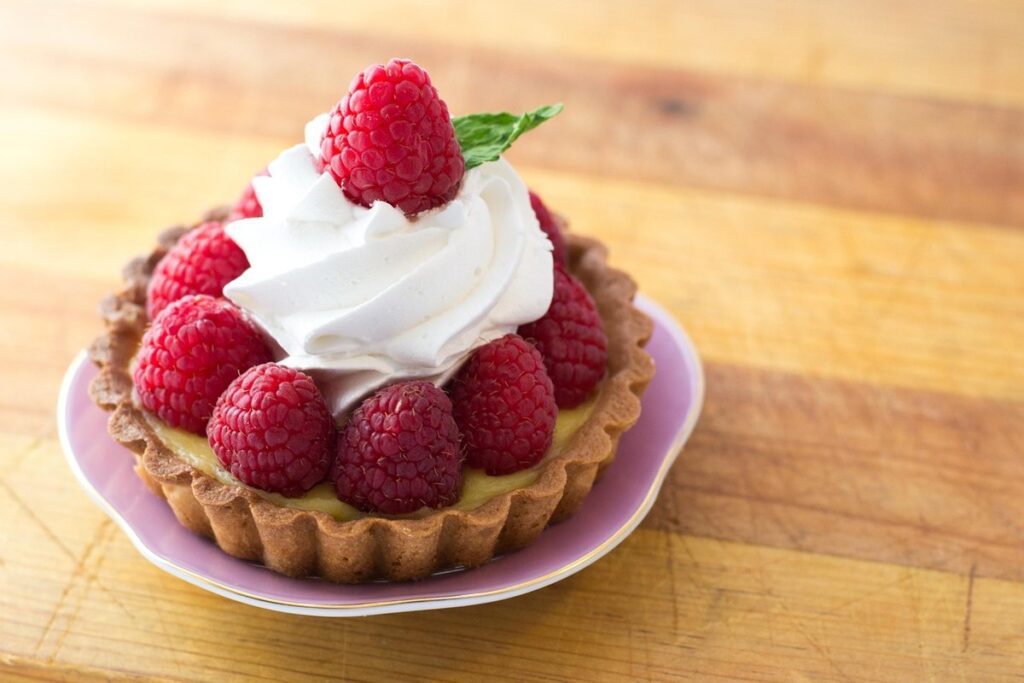
When it comes to garnishing custards with fresh fruits or nuts, the possibilities are endless. You can choose from a variety of fruits like strawberries, blueberries, and raspberries, which pair perfectly with sweet vanilla or chocolate-flavored custards. Arrange sliced strawberries on top of the chilled custard in a fan shape for a visually appealing presentation.
For added crunch, sprinkle chopped almonds or walnuts over the custard just before serving. Alternatively, you can create a pattern using whole nuts like hazelnuts or pecans. A small cluster of fresh berries on top of the custard creates a beautiful contrast in texture and color.
Consider using seasonal fruits to add an extra layer of flavor and freshness to your garnish. For instance, use sliced peaches during summer or diced apples in fall. Keep your toppings simple by pairing them with complementary flavors – for example, pairing sweet berries with rich chocolate custard or savory nuts with lemon-infused custard. Experiment with different combinations to find the perfect balance of flavors and textures that suits your taste.
Tips for Making Individual Miniature Custard Desserts
To portion individual miniature custards, use ramekins or small cups. Choose cups with a 1/2 cup capacity to ensure each serving is equal. You can also use mini ceramic bowls or teacups if you prefer a more delicate presentation.
For an elegant look, place the filled cups on a baking sheet lined with parchment paper and bake in a preheated oven at 375°F (190°C) for about 15-20 minutes, or until the edges are set and the centers are still slightly jiggly. Alternatively, you can chill the filled cups in the refrigerator for at least 2 hours before serving.
When serving individual mini custards, consider garnishing with a sprinkle of powdered sugar or a few fresh berries to add color and visual interest. If using ramekins, be sure to release each cup from its mold by running a knife around the edges before serving. This will prevent the dessert from sticking to the container. To unmold successfully, dip the bottom of the ramekin in hot water for about 10 seconds.
Frequently Asked Questions About Homemade Custard
We’ve received a lot of questions from readers trying custard for the first time, so we’re addressing some common concerns and clarifying any misconceptions right here. Let’s get those frequently asked questions about homemade custard answered!
Addressing Common Queries and Misconceptions
Making homemade custard can be intimidating if you’ve had poor results in the past. One common misconception is that it’s essential to use only egg yolks for a rich and creamy texture. However, using whole eggs works just as well, especially if you’re looking for a lighter consistency.
Many people worry about overcooking their custard, but this can actually happen even when following a recipe carefully. To prevent scorching, it’s crucial to stir the mixture constantly while cooking it, and to watch the temperature closely. A thermometer is an excellent investment for making custard, as it allows you to monitor the temperature accurately.
Another frequently asked question concerns the importance of tempering eggs before adding them to the hot milk mixture. While tempering is indeed a vital step in preventing scrambled eggs, it’s not necessary if you’re using a gentle heat and whisking constantly. If your mixture starts to curdle or separate, however, it’s best to start over rather than trying to salvage it.
Some individuals assume that homemade custard is always too sweet due to the presence of sugar. This might be true in some cases, but it’s essential to remember that a small amount of sugar serves a purpose beyond just adding sweetness – it helps balance out the flavor and prevents the eggs from becoming too rich.
Frequently Asked Questions
Can I Use Milk Powder Instead of Fresh Milk in Custard Recipes?
Yes, milk powder can be used as a substitute for fresh milk, but it’s essential to note that the flavor and texture may differ slightly. When using powdered milk, make sure to follow the package instructions for reconstitution, and adjust the cooking time accordingly.
How Do I Know If My Homemade Custard Has Gone Bad?
If you notice any signs of spoilage, such as an off smell, slimy texture, or mold growth, it’s best to err on the side of caution and discard the custard. Otherwise, use your judgment based on the appearance, smell, and taste. If in doubt, always check the temperature of the custard before consuming.
Can I Make Custard Ahead of Time and Store It in the Fridge?
Yes, you can make custard ahead of time, but it’s crucial to store it properly in airtight containers and refrigerate at 40°F (4°C) or below. When reheating, do so gently over low heat, whisking constantly to prevent curdling.
What If My Custard Doesn’t Set Properly? Are There Any Tricks for Achieving the Perfect Consistency?
If your custard doesn’t set correctly, try adjusting the cooking time or temperature slightly. Another trick is to use a higher ratio of egg yolks to milk, which will help stabilize the mixture and achieve a better texture.
Can I Use Alternative Sweeteners Like Honey or Maple Syrup in Custard Recipes?
While honey and maple syrup can be used as sweeteners, they have distinct flavor profiles that may alter the taste of your custard. When using these alternatives, keep in mind that they have stronger flavor characteristics than granulated sugar, so you may need to adjust the amount used accordingly.

