When you wake up in the morning, do you find yourself standing in front of your closet for what feels like an eternity, staring at row upon row of clothes and wondering which outfit to choose? A cluttered wardrobe can be overwhelming, leading to decision fatigue and a sense of style paralysis. But it doesn’t have to be this way. By adopting a minimalist approach to fashion, you can break free from the cycle of buying more stuff and simplify your daily routine. In this article, we’ll guide you through the process of creating a capsule wardrobe that’s both stylish and sustainable. We’ll show you how to purge unwanted items, invest in quality over quantity, and build a collection of pieces that work together seamlessly to create multiple outfits. By the end of this journey, you’ll be able to effortlessly mix-and-match your clothes to create a unique look every time.
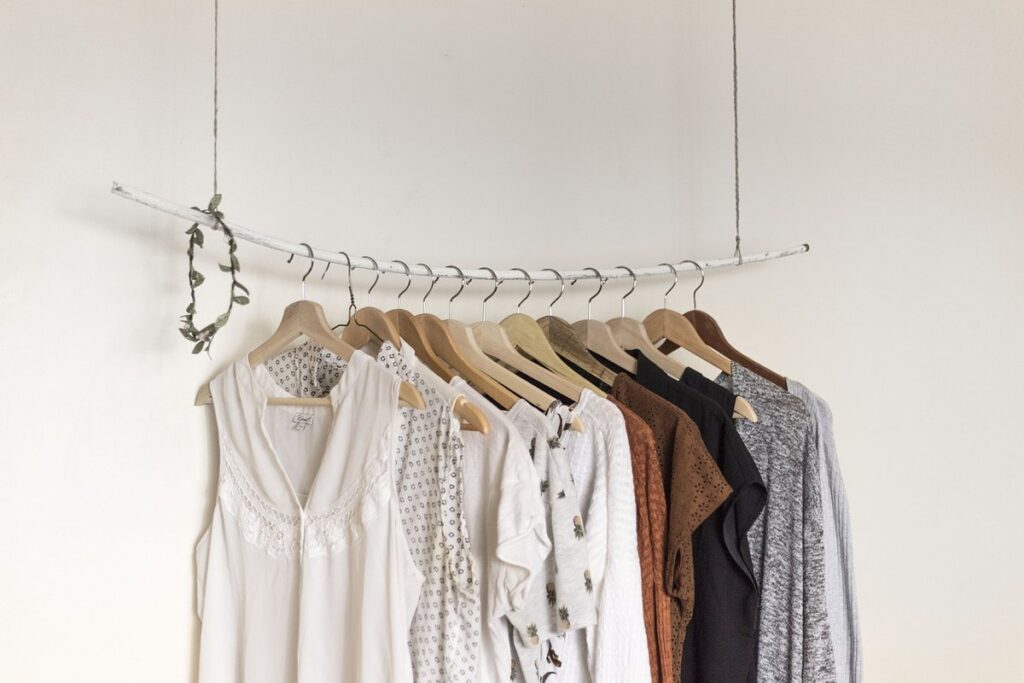
Understanding the Benefits of a Minimalist Wardrobe
A minimalist wardrobe offers more than just a clutter-free closet – it can also save you time and money, and even reduce decision fatigue each morning. By understanding these benefits, you’ll be motivated to simplify your style.
Defining Minimalism and Its Impact on Your Life
Minimalism is often misunderstood as simply getting rid of stuff, but it’s about more than just decluttering. At its core, minimalism is a mindset shift towards intentional living. It means being mindful of the things you consume and the space they occupy in your life.
When practiced thoughtfully, minimalism can have a profound impact on your well-being. By paring down your belongings to only what brings joy or serves a purpose, you’ll experience reduced stress and anxiety. This is because clutter has been shown to contribute to feelings of overwhelm and disorganization.
In terms of emotional well-being, minimalism encourages self-awareness and introspection. As you let go of items that no longer serve you, you’re forced to confront the emotions attached to each piece. This process can be therapeutic, allowing you to release emotional baggage and cultivate a greater sense of clarity.
On the financial side, adopting a minimalist approach to fashion means investing in high-quality pieces that will stand the test of time. By avoiding fast fashion’s “buy cheap, discard quickly” model, you’ll save money in the long run and reduce your environmental footprint.
Debunking Common Myths About Minimalism
Minimalism is often misunderstood as requiring an extreme simplicity that can be overwhelming to implement. You might think you need to get rid of everything and start from scratch, but that’s not necessarily true. A minimalist wardrobe is about intention and thoughtfulness, not about depriving yourself of certain items or experiences.
For example, some people assume that minimalism means never wearing the same outfit twice, but this can be a recipe for decision fatigue. In reality, having a small collection of high-quality pieces that you love and wear regularly can simplify your wardrobe and save you time in the long run.
Another common myth is that minimalism requires a complete overhaul of your lifestyle. You might think you need to give up your favorite hobbies or activities because they’re somehow “cluttering” your life, but this isn’t the case. Minimalism is about being intentional with your belongings and your time, not about cutting out things you enjoy.
A good rule of thumb is to ask yourself: what brings me joy? What do I truly need in my wardrobe or daily routine? By focusing on these questions, you can create a more streamlined and peaceful life without sacrificing the things that matter most.
Assessing Your Current Wardrobe and Lifestyle
Let’s take a close look at your current wardrobe and daily habits, as understanding these is key to creating a minimalist space that truly works for you. This involves taking stock of what you have, where you shop, and how often you tend to wear certain pieces.
Taking Inventory of Your Clothes
Start by gathering all items from your closet and sorting them into three piles: keep, donate/sell, and discard. Be honest with yourself about each item’s condition and how often you wear it. For example, if you haven’t worn a dress in over a year, consider letting it go.
When evaluating the quality of an item, check for stains, tears, and missing buttons. Consider the fabric’s durability and whether it can be easily cleaned or maintained. You may also want to think about the item’s seasonality – does it only fit into your wardrobe during certain times of the year?
For clothing that’s still in good condition but no longer fits, consider altering it or donating it to a charity that accepts gently used clothing. Be realistic about your body shape and size – if an item won’t fit you even after alterations, it’s unlikely you’ll wear it.
Some items may be in decent condition but still have sentimental value or hold emotional attachment. In these cases, consider keeping them as “memory items” rather than everyday wear. This way, you can appreciate the memories associated with each piece without letting them clutter your closet.
Evaluating Your Daily Routine and Habits
When evaluating your daily routine and habits, it’s essential to consider how they influence your wardrobe choices. Take a closer look at your daily activities, such as work attire, exercise routines, and social events. Are there specific days when you feel like you’re constantly rummaging through your closet for the perfect outfit? This can often be a sign that your wardrobe is not aligned with your lifestyle.
Consider the following: Do you find yourself buying clothes solely based on convenience or because they match a particular occasion, rather than because you genuinely love them? Are there specific habits, such as mindless online shopping or impulse purchases, that contribute to clutter in your closet?
To better understand how your routine and habits affect your wardrobe, try keeping a journal for one week. Record each outfit, including the items you wore and why you chose them. This exercise can help you identify patterns and areas where you might be making unnecessary purchases or holding onto clothes that no longer serve you. By gaining insight into these habits, you’ll be better equipped to create a wardrobe that truly reflects your needs and values.
Purging Unwanted Items and Decluttering Your Space
Now that you’ve identified your must-haves, it’s time to tackle the unwanted items cluttering up your closet, one piece at a time. Let’s get started on purging and decluttering your space.
The Importance of Letting Go
Releasing items that no longer serve you is an essential step towards creating a minimalist wardrobe. When you hold onto clothes that don’t fit, are out of style, or haven’t been worn in years, it can weigh on your mind and contribute to feelings of overwhelm. By letting go of these items, you’ll experience a sense of liberation from the mental clutter that comes with them.
Consider this: every piece of clothing has an emotional attachment. Maybe it was a gift from someone special, or perhaps you loved it at one point but now it just doesn’t fit right. Whatever the reason, holding onto these items can lead to feelings of guilt and anxiety when looking at your closet. By letting go, you’ll free up mental energy for more important things.
In practical terms, start by identifying the items that no longer bring you joy or serve a purpose in your wardrobe. Be ruthless – if it’s been months since you’ve worn something, it’s likely safe to let it go. Consider donating gently used items to charity or recycling old clothes to reduce waste. The key is to create space for what truly matters: the pieces that make you feel confident and stylish.
Strategies for Decluttering Your Closet
When sorting through your closet, start by removing everything and laying it out on a bed or floor. This will give you a clear view of what you have and where to begin. Begin by categorizing clothes into three piles: keep, donate/sell, and discard. Be ruthless – if you haven’t worn something in the past year, it’s likely safe to let it go.
When deciding what to keep, consider the 80/20 rule: 80% of the time, you likely wear 20% of your clothes. Identify your most-worn items and prioritize those for the new season. Consider donating gently used items to local charities or hosting a clothing swap with friends. You can also sell unwanted items through online marketplaces like eBay, Craigslist, or consignment shops.
Once you’ve purged your closet, it’s time to organize what’s left. Use dividers or bins to separate items by type (e.g., tops, bottoms, dresses). Consider using a color-coded system to make finding specific items easier. Keep often-worn items at eye level and less frequently worn items on higher or lower shelves.
Building a Capsule Wardrobe with Intention
Now that you’ve purged your closet, let’s focus on building a thoughtful and intentional capsule wardrobe that truly reflects your personal style. We’ll explore key principles for creating a curated collection of pieces.
Defining a Capsule Wardrobe and Its Benefits
A capsule wardrobe is a curated collection of essential clothing items that can be mixed and matched to create multiple outfits. This approach reduces decision fatigue by limiting options, making it easier to get dressed in the morning. With a smaller wardrobe, you’ll find yourself repeating favorite combinations rather than feeling overwhelmed by endless choices.
One of the key benefits of a capsule wardrobe is increased style versatility. By focusing on timeless pieces that fit well and suit your lifestyle, you can create a range of outfits for different occasions without sacrificing quality or individuality. This approach also promotes sustainability by reducing waste and minimizing the need for frequent purchases.
To reap these benefits, focus on investing in high-quality, versatile items that fit well and reflect your personal style. Consider a basic color palette to simplify mixing and matching, and aim for a total of around 30-40 essential pieces. These can be supplemented with seasonal or special occasion items, but the core collection should remain consistent and intentional.
Creating a Personalized Style Profile
When building a capsule wardrobe, it’s essential to create a personalized style profile that guides your clothing choices. Start by identifying your personal style: do you prefer classic and timeless, trendy and statement-making, or a mix of both? Think about the styles and silhouettes that make you feel confident and comfortable.
Next, consider your body shape. Understanding your proportions will help you choose flattering fits and avoid unflattering ones. For example, if you have an hourglass figure, emphasize your waist with belted dresses or tops. If you’re pear-shaped, draw attention to your upper body with bold necklines or patterns.
Finally, determine your color palette by examining the colors that look good on you. Do you have a cool skin tone (pale with pink undertones) or a warm skin tone (olive or golden)? Stick to colors that complement your skin, such as blues and greens for cool tones or earthy tones like olive green or terracotta. You can also use online tools or consult with a stylist to help identify your personal style profile.
Investing in Quality Over Quantity
When it comes to building a minimalist wardrobe, investing in fewer, higher-quality pieces is often more effective than trying to accumulate a large quantity of cheap clothes. This approach can lead to a more curated and sustainable style.
The Value of High-Quality Clothing
When you invest in high-quality clothing, you’re not just buying a piece of fabric – you’re investing in a long-term solution. A well-made coat can last for 10 years or more, while a cheaply made one may only last a season. High-quality pieces are often crafted with attention to detail and use materials that will withstand the test of time.
Consider the cost per wear: a high-end handbag might be expensive upfront, but if it lasts for 5-7 years and you use it frequently, its value becomes clear. In contrast, cheaply made items may need to be replaced often, leading to a higher overall cost. When shopping for quality pieces, look for timeless designs, durable materials, and construction that will stand the wear and tear of regular use.
A few key things to keep in mind when seeking out high-quality clothing include: buying second-hand or pre-owned items from reputable sources; investing in classic styles that won’t go out of fashion quickly; and prioritizing materials like wool, cotton, and linen over synthetic fibers. By making these choices, you’ll not only save money in the long run but also cultivate a sense of style and confidence that comes with owning truly great pieces.
Tips for Finding Affordable Luxury Brands or Second-Hand Options
When investing in quality pieces for your minimalist wardrobe, it’s essential to find affordable luxury brands or second-hand options that align with your budget and values. Start by researching high-end brands that offer lower price points without compromising on quality. Look for sales tax-free shopping destinations like outlet stores or online retailers offering discounts.
Another option is exploring second-hand luxury markets where you can find gently used designer pieces at a fraction of the original cost. Websites like The RealReal, ThredUp, and eBay often carry a wide selection of authenticated luxury items. You can also check local consignment shops or thrift stores that specialize in high-end clothing. When shopping second-hand, inspect items carefully for any damage or defects.
Some popular affordable luxury brands to consider include Everlane, & Other Stories, and COS. These brands prioritize quality over quantity and often offer timeless pieces at a lower price point than traditional luxury labels. Additionally, consider investing in basics like a classic white shirt or a tailored blazer that can be mixed-and-matched with existing wardrobe staples.
Maintaining Your Minimalist Wardrobe Over Time
As you continue to refine your minimalist wardrobe, it’s essential to establish a long-term maintenance routine that prevents clutter and keeps your style on track. This involves regular purging and updates to ensure a cohesive look.
Strategies for Avoiding Future Clutter
To maintain a minimalist wardrobe over time, it’s essential to establish regular maintenance routines. Set aside time each season to review your closet and remove items that no longer fit, are worn out, or haven’t been worn in the past year. This helps prevent clutter from building up and ensures your wardrobe remains intentional.
Consider implementing a “one in, one out” policy, where you donate or discard an old item every time you bring a new one into your wardrobe. This approach encourages mindful consumption and prevents accumulation of unnecessary items. For example, if you buy a new shirt, remove an old one from your collection to make space for the new addition.
Another strategy is to conduct seasonal refreshes by rotating your closet contents with the changing seasons. Store out-of-season items in labeled bins or containers to free up space in your closet and prevent clutter buildup. This also allows you to revisit your wardrobe choices periodically, making adjustments as needed to maintain a curated collection that aligns with your personal style.
By incorporating these maintenance routines into your lifestyle, you’ll be able to preserve the integrity of your minimalist wardrobe over time.
The Role of Mindful Consumption in Sustainable Fashion
Mindful consumption is essential for sustainable fashion. When you’re mindful of your consumption habits, you make conscious choices about what to buy and wear. This approach helps reduce waste, supports fair labor practices, and promotes environmentally friendly production methods. To incorporate mindful consumption into your daily life, start by asking yourself questions before making a purchase: What do I need versus what do I want? Will this item fit with my existing wardrobe and personal style? Am I buying something to fill an emotional void or because it’s truly necessary?
Consider the 30-wear rule: if you’re unsure whether you’ll wear an item more than 30 times, consider not buying it. This simple guideline helps you prioritize quality over quantity and ensures that your purchases align with your values. Another strategy is to adopt a “one in, one out” policy, where you get rid of an old item every time you bring a new one into your wardrobe. By being intentional about your consumption, you can enjoy the benefits of sustainable fashion while maintaining a minimalist wardrobe.
Conclusion: Embracing the Minimalist Lifestyle
Now that you’ve created a minimalist wardrobe, it’s time to integrate these principles into your daily life. This final step will help you maintain your newfound simplicity and clarity.
Recap of Key Takeaways
As you conclude this journey to create a minimalist wardrobe, it’s essential to revisit the key takeaways from our step-by-step guide. You’ve learned how to define minimalism and its impact on your life, debunking common myths along the way. By assessing your current wardrobe and lifestyle, you took stock of what works for you and what doesn’t.
You then embarked on a purging process, letting go of unwanted items and decluttering your space with strategies tailored to your needs. Building a capsule wardrobe with intention allowed you to create a personalized style profile that reflects your unique taste. Investing in quality over quantity helped you find high-quality clothing that will stand the test of time.
You’ve also learned how to maintain your minimalist wardrobe over time, avoiding future clutter through mindful consumption and sustainable fashion practices. To recap, here are the essential steps:
- Define what minimalism means to you
- Let go of items that no longer serve you
- Create a personalized style profile
- Invest in quality pieces
- Practice mindful consumption
By embracing these principles, you’ll be well on your way to a more streamlined, intentional wardrobe. Remember, the key is to focus on what truly adds value and joy to your life.
Encouragement to Continue on Your Journey
As you continue on your minimalist wardrobe journey, remember that small steps can add up to significant changes over time. Don’t be too hard on yourself if you slip back into old habits – it’s a process, and every attempt to simplify is a success in itself. Focus on the progress you’ve made so far, rather than dwelling on what still needs attention.
When faced with overwhelming decisions about what to keep or discard, try asking yourself: “Will I wear this within the next three months?” or “Does it align with my personal style profile?” These simple questions can help you stay focused and avoid getting bogged down in indecision. Be gentle with yourself as you make space for new habits – remember that it’s okay to take things one step at a time.
In the midst of decluttering, it’s easy to feel overwhelmed by the sheer amount of items being removed from your life. But think about the sense of clarity and calm that comes with having a streamlined wardrobe. You’ll find yourself spending less time deciding what to wear each morning, and more time enjoying the simplicity of your daily routine.
Frequently Asked Questions
What If I’m on a Tight Budget and Can’t Afford to Buy New Clothes?
When working with limited financial resources, focus on incremental changes. Start by letting go of items you no longer wear or need, and use the saved space and budget to invest in one or two high-quality, timeless pieces that fit your style and budget. Consider shopping during sales or second-hand options to stretch your dollars.
Can I Still Be a Minimalist if I Have a Job That Requires Formal Attire?
Yes. While minimalist principles may not be directly applicable to work attire, you can still apply the concept of intentional consumption to your professional wardrobe. Identify essential pieces that fit well and are versatile enough for multiple outfits, and consider investing in high-quality, timeless items that will last longer.
How Do I Handle the Emotional Attachment to Certain Items, Even if They No Longer Fit or Are Outdated?
Acknowledge and validate your emotional attachment to these items. Consider taking photos of them as a keepsake before letting them go, or creating a memory box with sentimental items that can’t be discarded. Remembering the positive memories associated with an item can make it easier to release.
What If I Have Family Members Who Are Used to Borrowing from My Closet – How Do I Establish Boundaries?
Communicate your boundaries clearly and respectfully. Explain how having others borrow your clothes affects your ability to maintain a minimalist wardrobe, and suggest alternative solutions for them, such as shopping for their own essentials or using a shared closet space.
Can I Mix and Match Minimalist Principles with Sustainable Fashion Practices Like Buying Second-Hand or Renting Clothes?
Yes. In fact, many sustainable fashion practices align perfectly with minimalist principles. Consider incorporating second-hand shopping, clothing rentals, or swap events into your wardrobe maintenance routine to reduce waste and support more environmentally-friendly consumption patterns.
How Do I Prevent My Minimalist Wardrobe from Feeling Too Repetitive or Boring Over Time?
To avoid repetition, incorporate new pieces that fit within your established style profile and color palette. Regularly review your capsule wardrobe and update it seasonally by incorporating fresh items and adjusting the overall mix of clothes to keep things interesting without sacrificing your minimalist goals.