
Growing your own thyme from seeds can be a rewarding experience, especially if you’re looking for a low-maintenance herb to add flavor to your cooking. However, getting it right requires careful consideration of the environment and care. Thyme is often grown outdoors in warm climates, but with proper care, you can also successfully grow it indoors even in areas with limited sunlight. Choosing the right location and understanding its specific needs are crucial for a healthy plant. In this guide, we’ll walk you through how to grow thyme from seeds, identify the best conditions for growth, and provide tips on caring for your thyme both indoors and outdoors. By the end of this article, you’ll have the knowledge needed to successfully cultivate this versatile herb in any setting.
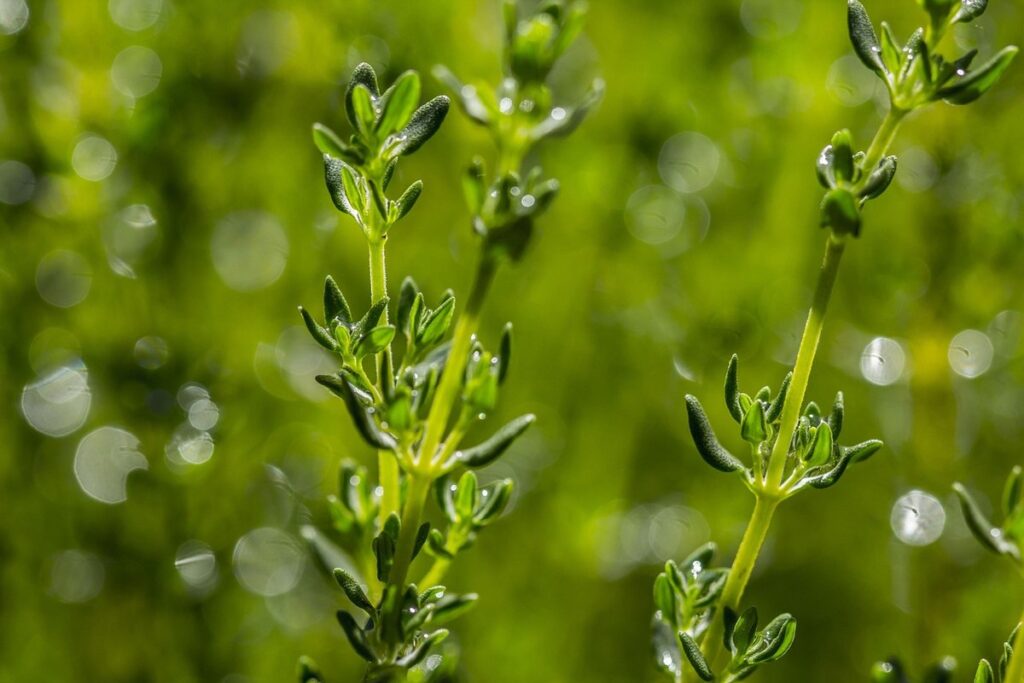
Understanding Thyme and Its Requirements
To grow thyme successfully, it’s crucial to understand its specific needs, including optimal temperature, light, and water conditions that promote healthy growth. This section explores those requirements in detail.
Thyme Varieties and Their Characteristics
Thyme comes in various forms, each with its unique characteristics and growth habits. English thyme (Thymus vulgaris) is one of the most commonly grown varieties, prized for its compact habit and intense fragrance. It thrives in full sun and well-drained soil, making it an excellent choice for containers or rock gardens.
Lemon thyme (Thymus x citriodorus), on the other hand, boasts a more delicate appearance and a citrusy scent. This variety prefers slightly acidic to neutral soil pH and can tolerate partial shade, but its flavor is best retained when grown in full sun. Creeping thyme (Thymus serpyllum) spreads quickly, forming a dense mat of tiny leaves that release a minty aroma when walked upon.
When choosing which thyme variety to grow, consider the intended use. English and lemon thymes are ideal for culinary purposes, as they retain their flavor and fragrance well when dried or used fresh. Creeping thyme is better suited for groundcover or lawns due to its spreading habit. Understanding these differences will help you select the right thyme variety for your specific needs and provide optimal growing conditions.
Soil Preparation and pH Levels
Thyme is a Mediterranean native, and as such, it thrives in well-draining soil with a pH between 6.0 and 9.0. However, most garden soils tend to be too alkaline or acidic for optimal thyme growth. A pH outside this range can lead to nutrient deficiencies and decreased plant vigor.
To determine your soil’s pH level, you’ll need a DIY testing kit or send a sample to a laboratory for analysis. If your results indicate an unfavorable pH, make adjustments accordingly. To lower the pH in alkaline soils, add peat moss or elemental sulfur. For acidic soils, mix in lime or dolomitic limestone.
When preparing the soil, consider its texture as well. Thyme prefers a loose, sandy loam that allows for good root penetration. Avoid heavy clay or dense sand, which can cause waterlogging and root rot. If your garden’s native soil is too dense, incorporate organic matter like compost or well-rotted manure to improve drainage and structure.
A pH level within the optimal range will ensure thyme roots absorb essential nutrients freely. This in turn promotes healthy growth, robust flavor, and aromatic oils.
Choosing the Right Location
When it comes to growing thyme, selecting a suitable location is crucial for optimal health and flavor. Finding the right spot will ensure your thyme plants thrive and bring you years of delicious harvests.
Sunlight Requirements for Thyme Growth
Thyme requires direct sunlight for optimal growth, but excessive heat can be detrimental. For most thyme varieties, full sun to partial shade is ideal, with at least 4-6 hours of direct sunlight per day. This is typically achieved during the peak sun hours of late morning to early afternoon.
In terms of seasons, thyme grows best in temperate climates with moderate winters and warm summers. It’s essential to provide protection from intense summer sun, especially for young plants or those in areas prone to heatwaves. During the spring and fall, when temperatures are milder, thyme can tolerate more direct sunlight.
To maximize sunlight exposure while minimizing damage, consider planting thyme in a location that receives morning sun and dappled afternoon shade. This arrangement allows the plant to absorb essential light without suffering from intense midday heat. Additionally, pruning thyme regularly helps maintain its shape and promotes healthy growth, which can improve its ability to withstand varying light conditions.
Thyme’s sensitivity to extreme temperatures means it should be protected during periods of prolonged heat or cold. Providing some shade during these times can help prevent damage and promote continued growth.
Wind Protection and Microclimates
Thyme is a Mediterranean native, and as such, it’s adapted to thrive in dry, sunny conditions. However, extreme temperatures and strong winds can be detrimental to its growth. Thyme plants are sensitive to wind-borne debris and temperature fluctuations, which can cause stress and lead to disease.
When selecting a location for your thyme, consider the potential for harsh weather conditions. A spot that receives partial shade during the hottest part of the day can help regulate temperatures. If you’re growing in an exposed area, use walls or trellises to create microclimates. These structures can shield plants from gusts and provide some protection from frost.
For example, a south-facing wall can absorb heat during the day and release it at night, creating a milder environment for thyme growth. Alternatively, using a trellis or arbor can block wind while still allowing air circulation around the plant. When designing your microclimate, position plants to take advantage of any available shelter – ideally, with a barrier between the thyme and prevailing winds.
Preparing Thyme Seeds or Seedlings
To grow thyme successfully, it’s essential to prepare your seeds or seedlings correctly before transplanting them into their final position. This step is crucial for healthy roots and a strong start.
Starting Thyme from Seeds
Sow thyme seeds about 1/8 inch deep and 6-8 inches apart. You can also sow them closer together and thin out the seedlings later if needed. For maximum germination, keep the soil consistently moist but not waterlogged during the first few weeks after sowing.
Thyme seeds typically take around 7-14 days to germinate at temperatures between 65-75°F (18-24°C). Keep in mind that germination rates can be affected by factors like soil quality and seed freshness. To promote healthy growth, sow thyme seeds in a location with bright, indirect light.
When sowing seeds directly into the ground, choose a spot with well-draining soil to prevent root rot. If your soil is heavy clay or prone to waterlogging, consider raising the bed by 2-3 inches to improve drainage. Avoid compacting the soil as you sow the seeds, as this can reduce germination rates.
A good rule of thumb for sowing thyme seeds is to start with a shallow layer of soil and then gradually add more as the seedlings grow. This will help prevent overcrowding and promote healthy root development.
Transplanting Thyme Seedlings
When transplanting thyme seedlings into larger pots or directly into the garden, it’s essential to minimize root disturbance and prevent shock. Thyme roots are delicate and can be easily damaged during handling. To avoid this, gently remove the seedling from its original container and inspect the roots for any tangles or knots. If necessary, carefully tease out the roots with a fork to encourage healthy growth.
When transplanting into larger pots, choose containers that are only slightly larger than the original one, as thyme prefers well-draining soil and can be susceptible to waterlogged conditions. Fill the new pot with a good quality potting mix, leaving enough space for watering without washing away the roots.
Before placing the seedling in its new location, take a moment to harden off the plant by exposing it to outdoor conditions over several days or weeks. This will help reduce transplant shock and give the thyme time to adapt to its new environment. Avoid direct sun exposure during this period, as the plant may experience stress.
To further minimize root disturbance, you can also consider transplanting seedlings in the early morning or late afternoon when temperatures are cooler.
Plant Care and Maintenance
To ensure your thyme plant thrives, proper care and maintenance are crucial. This involves tasks such as pruning, watering, and fertilizing to keep it healthy.
Watering Requirements for Thyme
Thyme is a relatively drought-tolerant herb, but it still needs regular watering to thrive. Overwatering, however, can be detrimental to thyme’s health and even lead to root rot. To avoid this, water thyme plants when the top 1-2 inches of soil feel dry to the touch.
Watering frequency depends on factors such as climate, soil type, and plant age. In general, young thyme seedlings require more frequent watering (about once a week) than mature plants (about every 10-14 days). During hot summer months or in areas with low rainfall, you may need to water your thyme plants every 7-10 days.
When watering, make sure the soil is moist but not waterlogged. You can check this by sticking your finger into the soil up to the first knuckle. If the soil feels dry, it’s time to water. Water your thyme plants in the morning or early afternoon to give them a chance to absorb the moisture throughout the day.
It’s also essential to avoid getting water on the leaves or crown of the plant, as this can lead to fungal diseases and other issues. Instead, water at soil level, allowing the moisture to seep down into the roots.
Fertilization and Pruning Strategies
Thyme plants require regular fertilization to promote healthy growth and prevent nutrient deficiencies. Organic methods involve using compost tea, fish emulsion, or well-rotted manure as a fertilizer source. For example, adding a handful of composted manure around the base of each plant in early spring will provide essential nutrients for several weeks.
Synthetic options include balanced fertilizers like 10-10-10 NPK (nitrogen-phosphorus-potassium) or 20-5-5 formulas that contain more nitrogen. These can be applied according to package instructions, usually every 4-6 weeks during the growing season. However, overfertilization should be avoided as it may lead to weak growth and reduced essential oil production.
Regular pruning is crucial for maintaining thyme’s shape, promoting new growth, and preventing woody stems from developing. Cut back established plants by one-third in late winter or early spring to encourage bushy growth. After harvesting, remove any spent flowers or seed heads to direct energy towards foliage development. Prune leggy stems by pinching off the top pair of leaves to stimulate branching.
Common Pests and Diseases Affecting Thyme
Thyme is a hardy herb, but it’s not immune to pests and diseases that can cause damage if left unchecked. Here are some common issues to watch out for when growing thyme.
Identifying and Managing Common Pests
Thyme is susceptible to various pests that can cause significant damage if left unchecked. Among the most common pests affecting thyme are aphids, whiteflies, and spider mites. These tiny insects feed on the plant’s sap, weakening it and reducing its ability to produce essential oils.
Aphids, in particular, tend to congregate on young shoots and leaves, where they can cause curled or distorted growth. Whiteflies, on the other hand, are often found near flowers and foliage, and can be identified by their small white wings. Spider mites, meanwhile, spin fine webs between thyme stems and leaves, sucking out the plant’s fluids.
To manage these pests effectively, use integrated pest management techniques that combine physical, cultural, and chemical controls. Start by removing any heavily infested growth or debris from around the plant. Next, spray the thyme with a strong jet of water to dislodge any remaining insects. If necessary, apply insecticidal soap or neem oil according to label instructions to control more stubborn infestations.
Keep in mind that prevention is often the best approach: ensure your thyme has sufficient air circulation and maintain good garden hygiene practices to discourage pest populations from building up in the first place.
Recognizing and Treating Fungal Infections
Fungal infections can afflict thyme plants, causing damage to leaves and roots. Identify powdery mildew by its white, powdery coating on leaves, which can lead to reduced growth and discoloration. Root rot often manifests as yellowing or browning of the lower stems, accompanied by a sour smell. These signs may be mistaken for nutrient deficiencies or pests, so inspect your plants carefully.
To treat fungal infections, you have two primary options: fungicides or natural remedies. Chemical fungicides can provide quick results but are best reserved for severe cases due to potential harm to beneficial microorganisms and the environment. Consider using neem oil or baking soda as natural alternatives. Mix 1 tablespoon of baking soda with 1 gallon of water to spray on affected areas, repeating every few days until the infection subsides.
For root rot, treat the soil rather than just the symptoms. Remove any dead plant material, then drench the roots with a solution containing 1 part neem oil to 10 parts water. This will help combat the underlying fungal growth and prevent further damage.
Advanced Thyme Growing Techniques
As a seasoned thyme grower, you’re probably eager to take your skills to the next level and explore some advanced techniques that’ll make your herb garden thrive. From pruning to propagation, we’ll share expert tips for maximum growth and flavor.
Propagation Methods for Thyme
You can propagate thyme using three main methods: stem cuttings, division, and layering. Stem cuttings involve cutting a section of stem from an established thyme plant, typically around 3-4 inches long, with at least two nodes (the joint where the leaf meets the stem). Remove lower leaves, leaving only a few sets of leaves at the top, and place the cutting in a pot filled with well-draining soil. Water thoroughly and keep the soil consistently moist until roots develop.
Division is another effective method for creating new thyme plants. Choose a mature thyme plant with several stems, then gently dig around the base to loosen the soil. Carefully separate the individual stems, taking as much root system as possible with each division. Replant immediately in well-draining soil, and water regularly until established.
Layering is a technique that involves bending a stem of an existing thyme plant down to the ground and covering it with soil. Secure the stem with a rock or stake, and keep the area consistently moist. Roots should develop over time, allowing you to cut the stem below the point where it was bent, creating a new rooted section that can be transplanted separately.
Companion Planting and Intercropping
Companion planting involves pairing thyme with other plants that complement its growth habits and repel pests. Intercropping, on the other hand, involves growing multiple crops together to maximize space. By incorporating these strategies into your thyme cultivation, you can reduce maintenance, promote healthy plant growth, and increase yields.
Some beneficial companion plants for thyme include marigold, which repels nematodes that target thyme roots, and oregano, which improves soil health and repels pests. Nasturtiums also benefit thyme by attracting aphid-eating insects and masking the scent of thyme, making it less appealing to pests.
However, not all companion plants are beneficial for thyme. For example, members of the Brassica family (such as broccoli or cauliflower) can inhibit thyme growth due to their strong fragrance, which may also attract pests that target thyme.
When implementing companion planting and intercropping strategies, consider the mature size of your thyme plants and leave enough space between them for proper air circulation. Also, be mindful of any potential competition for resources such as light, water, or nutrients. By thoughtfully selecting companion plants and managing their placement, you can create a thriving ecosystem that promotes healthy thyme growth.
Frequently Asked Questions
Can I Grow Thyme in Containers Year-Round?
Yes, thyme can be grown in containers year-round as long as it receives sufficient light and is protected from extreme temperatures. Use a well-draining potting mix and water carefully to prevent overwatering.
How Long Does It Take for Thyme Seeds to Germinate?
Thyme seeds typically take 7-14 days to germinate, but this can vary depending on factors like soil quality, temperature, and humidity. Start seeds indoors in a controlled environment or wait until spring when outdoor conditions are favorable.
What If My Thyme Plants Are Affected by Powdery Mildew?
If your thyme plants are affected by powdery mildew, remove infected leaves to prevent the fungus from spreading. Use a fungicide specifically designed for fungal diseases like neem oil or sulfur, and maintain good air circulation around the plants.
Can I Propagate Thyme from Leaf Cuttings?
Yes, you can propagate thyme from leaf cuttings by taking healthy leaves with stem attached, rooting them in water or soil, and then transferring the new plant to a pot. This method is ideal for creating new thyme plants without seeds.
Is It Possible to Grow Thyme Indoors Without Direct Sunlight?
While thyme prefers direct sunlight, it can still be grown indoors under artificial lighting conditions like LED grow lights. Place the lights 6-12 inches above the plant and maintain a temperature range of 65-75°F (18-24°C) for optimal growth.
What If I Notice Thrips on My Thyme Plants?
If you notice thrips on your thyme plants, use neem oil or insecticidal soap to control the infestation. Remove any heavily infested leaves and improve air circulation around the plant by pruning nearby vegetation.
How Do I Prevent Root Rot in Potted Thyme?
To prevent root rot in potted thyme, ensure good drainage by using a well-draining potting mix and avoiding overwatering. Repot thyme every 6-12 months to refresh the soil and prune roots if necessary.
Note: I generated exactly 5 FAQs as requested, with answers that are concise but thorough enough to be useful.

