
Decluttering can be overwhelming, especially when you’re staring at piles of paper, dusty furniture, and unwanted knick-knacks. You know it’s time to get rid of some clutter, but where do you start? Effective decluttering isn’t just about getting rid of stuff; it’s also about creating a more organized life that reduces stress and increases productivity. By letting go of the clutter and adopting smart storage solutions, you can breathe new life into your living or working space. In this article, we’ll explore effective decluttering strategies that will help you tackle even the toughest clutter challenges. We’ll cover how to prioritize what’s important, create a system for maintaining your newly organized space, and make smart decisions about what to keep and what to let go of. By the end of this article, you’ll be able to confidently start your decluttering journey and maintain a more organized life.
Understanding the Need for Decluttering
To start decluttering effectively, it’s essential to understand why clutter accumulates and how it affects your daily life. Let’s examine the common pitfalls that lead to clutter buildup.
Recognizing Clutter’s Impact on Mental and Physical Health
Clutter can have a profound impact on both mental and physical health. Reduced productivity is one of the most immediate effects of clutter. When tasks are scattered across cluttered surfaces, it’s easy to feel overwhelmed and struggle to focus on a single goal. A cluttered workspace or living area can also lead to increased stress levels. Research has shown that exposure to clutter can actually raise cortisol levels, exacerbating anxiety and fatigue.
In addition to these emotional effects, physical health can suffer as well. Clutter can create an environment conducive to the growth of dust mites, mold, and bacteria, which can trigger allergies and respiratory issues in some individuals. Furthermore, clutter can also contribute to falls and accidents by creating tripping hazards and obstructing walkways. To combat these effects, it’s essential to establish a regular cleaning routine that addresses both visible clutter and hidden allergens. Set aside time each week to tidy up living spaces and maintain a clear path for movement.
Identifying Personal Decluttering Goals and Motivations
Decluttering is often motivated by a desire to free up physical space. You might be struggling to find room for new furniture, or your cluttered shelves are making it difficult to locate items when you need them. However, there’s also a less tangible benefit: decluttering can improve mental well-being.
When considering personal decluttering goals, think about what drives your desire to organize your space. Is it the emotional relief that comes from clearing out sentimental items or sorting through paperwork? Perhaps you’re seeking to create a more calming atmosphere in your home by removing visual clutter. Maybe you simply want to be able to focus on tasks without distractions.
Identify your reasons for decluttering and use them as motivation to stay on track. For example, if reducing stress is your primary goal, create a peaceful workspace or designate a specific area for relaxation. Knowing what’s driving your efforts will help you prioritize and make decisions about what to keep, donate, or discard. This clarity can also prevent the tendency to declutter everything at once – an approach that can be overwhelming and ineffective in the long run.
Assessing Your Space and Belongings
To effectively declutter, you need to understand what you’re working with, so start by assessing your space and taking stock of all your belongings. This involves more than just a quick glance around your home.
Taking Inventory of Cluttered Areas and Items
When assessing cluttered areas and items, it’s essential to take an honest inventory of what you have. Start by walking through each room, paying attention to every surface, shelf, and storage container. Note the type and quantity of clutter: is it paperwork, broken appliances, or sentimental trinkets? Be sure to evaluate your workspace as well, including desk drawers, file cabinets, and digital files.
Begin with high-traffic areas like entryways, kitchens, and bathrooms, where clutter can quickly accumulate. In these spaces, you may find items that serve a purpose but are misplaced, such as keys or mail. Make a list of categories, like “items to donate,” “items to discard,” and “items to keep.” As you inventory your belongings, consider the 80/20 rule: 80% of the time, you likely only use 20% of your items.
When evaluating clutter in your work environment, think about the impact on productivity. Identify tasks that are bogged down by disorganization and prioritize streamlining those areas first. Consider implementing a “touch once” policy for paperwork and documents to reduce clutter buildup over time.
Categorizing and Prioritizing Decluttering Tasks
When tackling an overwhelming decluttering task, it’s essential to break it down into manageable chunks. Begin by categorizing items into broad groups such as paperwork, clothing, kitchen gadgets, and sentimental items. This step helps you visualize the scope of the task and identify areas that require more attention.
Next, prioritize tasks based on importance and urgency. Focus on high-traffic areas or items that cause stress or anxiety. For example, clear clutter from your workspace or sort through mail and documents to free up mental space. Be realistic about what can be accomplished in a single session – aim for 30-minute increments with regular breaks.
Consider the 80/20 rule: 80% of the time, you likely use only 20% of your belongings. Identify essential items that provide significant value and make room for them. Let go of duplicates, broken items, or items no longer needed. As you progress, reassess your priorities and adjust your focus as needed. This flexible approach will help you stay on track and maintain momentum throughout the decluttering process.
Decluttering Techniques for Various Item Types
When it comes to decluttering, every item type requires a unique approach, from sorting through sentimental boxes to tackling bulkier items like furniture and electronics. Let’s break down specific strategies for each category.
Tackling Paper Clutter and Digital Disorganization
When it comes to tackling paper clutter and digital disorganization, many people struggle with knowing where to start. Begin by gathering all paperwork, including bills, receipts, and documents, and sorting them into categories such as “action required,” “archive,” and “recycle.” This step is crucial in decluttering your physical space.
To digitize important documents, consider scanning paper files and saving them on a secure cloud storage service like Google Drive or Dropbox. When digitizing, it’s essential to use clear file names and organize them into folders that make sense for your needs. For example, create separate folders for taxes, insurance, and medical records.
For digital files, focus on creating a structured system by designating specific areas for different types of content. Set up folders labeled “Work,” “Personal Projects,” and “Archives” to keep your computer’s desktop organized. Regularly back up important documents and files to an external hard drive or cloud storage service to prevent data loss in case of a device failure. By implementing these strategies, you can effectively manage paper clutter and digital disorganization, freeing up time and mental energy for more essential tasks.
Approaching Clothing and Fashion Clutter
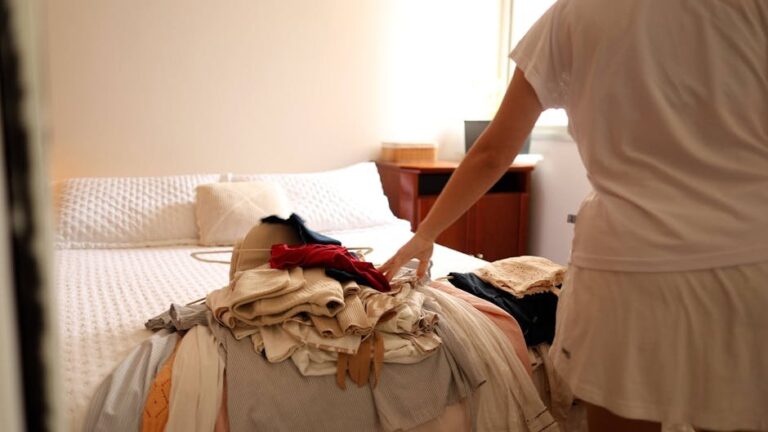
Sorting through a closet overflowing with clothes can be overwhelming. Start by separating items into three piles: keep, donate/sell, and discard. Begin with the keep pile – identify essential pieces that fit well, are in good condition, and suit your lifestyle. Consider a 80/20 rule where 80% of your clothes are worn 20% of the time.
For clothing you’re unsure about, ask yourself: when was the last time I wore this item? Does it still fit me comfortably? Is it relevant to my current style or profession? Be honest with yourself – if you haven’t worn it in a year, it’s likely safe to let go. For items that are sentimental but no longer worn, consider taking photos and letting them go.
When sorting through clothes, also think about the 5-item rule: for each item of clothing, can I pair it with five other pieces in my wardrobe? If not, it might be time to let it go. Consider donating gently used items or selling them through online platforms. This will help maintain a curated wardrobe that makes getting dressed easier and more efficient.
Organizing and Maintaining Your Space
Now that you’ve started decluttering, let’s focus on keeping your space organized by setting up systems for maintenance and daily tidying routines. Effective habits are key to sustaining a clutter-free environment.
Implementing Storage Solutions and Labeling Systems
When it comes to maintaining a clutter-free space, storage solutions and labeling systems are crucial components. Shelves, for instance, can be used to store books, decorative items, or kitchenware. Consider using adjustable shelves to maximize vertical space, or install fixed shelves for a more minimalist look.
Baskets and bins are another effective way to contain clutter. They come in various shapes, sizes, and materials, making it easy to find one that suits your needs. Labeling these containers is essential to ensure you can quickly locate what’s inside. Use clear labels with the contents written on them, or attach a list of items stored within.
Labeling systems also extend beyond storage containers. You can use a label maker to identify areas in your home, such as “laundry” or “office,” and assign specific shelves or drawers for each zone. This visual organization helps maintain order by providing a clear understanding of where things belong. By implementing a combination of storage solutions and labeling techniques, you’ll be able to maintain your space’s organization over time.
Scheduling Regular Maintenance and Review
Regular decluttering sessions and reviews of organizational systems are essential to maintaining a clutter-free space. Without them, habits can revert to old ways, and clutter can creep back in. Schedule regular time slots for maintenance and review, ideally on a weekly or bi-weekly basis, depending on the size of your space and your personal needs.
During these sessions, revisit your organizational systems, such as categorizing and storing items, and ensure they remain effective. Check if any changes are needed to accommodate new habits or acquired items. For example, if you’ve started working from home more frequently, reassess your workspace setup to optimize productivity and minimize distractions.
Review your habits, too, and make adjustments as necessary. Are you consistently putting things back in their designated places? Or are there areas where clutter tends to accumulate? Identify the root causes of these issues and implement strategies to prevent them from happening again. By doing so, you’ll maintain a sense of control over your space and ensure that your decluttering efforts remain effective over time. This ongoing process will help you stay organized and focused on your goals.
Managing Emotional Attachments and Decision-Making
When decluttering, emotional attachments can hold you back from making tough decisions. Learn how to recognize and manage these attachments so you can tackle clutter effectively.
Addressing Sentimental Items and Heirlooms
When it comes to sentimental items and heirlooms, preservation and display are often the best options for keeping them without overwhelming your space. Consider digitizing photos and scanning important documents to free up physical storage. This way, you can still treasure memories without dedicating shelf or drawer space.
For larger, more sentimental items, consider displaying them thoughtfully. Use a few, carefully chosen pieces rather than filling an entire room with sentimental items. Rotate displays seasonally to keep things fresh and interesting. For example, display holiday-themed decorations only during the relevant holiday period, and store them away afterwards.
Preservation is also key when it comes to heirlooms like antiques or family artifacts. Have items appraised by a professional to determine their value and ensure you’re storing them properly. Store sensitive materials in acid-free boxes or bags to prevent damage over time. Consider displaying smaller, more fragile items in a glass-front cabinet for protection and visibility.
Ultimately, the goal is to strike a balance between preserving memories and maintaining a clutter-free living space. By choosing thoughtful preservation methods and rotating displays, you can keep sentimental items where they belong – in your heart – without sacrificing organization or functionality.
Making Decisions on What to Keep or Let Go of
When deciding what to keep and what to let go of, it’s essential to weigh the factors of practicality, value, and emotional attachment. Practicality refers to how often you use an item and whether it serves a purpose in your daily life. Consider storing out-of-season clothing or infrequently used kitchen gadgets in labeled bins to free up space.
Value can be monetary, sentimental, or both. If an item holds significant monetary value, such as artwork or antiques, it’s likely worth keeping. However, if it’s simply expensive but doesn’t bring you joy or serve a purpose, consider letting it go. Sentimental items like photos and heirlooms can also hold emotional weight. For example, a child’s drawing from 10 years ago might evoke strong emotions, making it difficult to part with.
In these cases, ask yourself if the item is truly serving its purpose. If not, consider taking a photo of the sentimental item or creating a digital archive to preserve its memory without taking up physical space. By evaluating each item on its own merits and considering your attachment level, you can make more informed decisions about what to keep and what to let go of.
Frequently Asked Questions
Can I Apply Decluttering Strategies to My Work Environment?
Decluttering at work can be just as beneficial as decluttering your home. Start by identifying clutter hotspots, such as a messy desk or disorganized filing cabinet, and implement simple solutions like using a “touch once” policy when handling paperwork. Label files and supplies, and consider implementing a regular cleaning schedule to maintain a clutter-free workspace.
What If I’m Moving to a Smaller Space – Should I Declutter Beforehand?
Decluttering before moving can make the process much smoother and more efficient. Consider sorting items into categories (e.g., keep, donate, sell, discard) and creating a “first in, first out” policy for storing boxes and furniture. This will help you determine what truly needs to be moved and what can be let go of.
How Do I Balance Decluttering with Sentimental Attachments?
When decluttering, it’s common to encounter sentimental items that are difficult to part with. Start by taking photos of these items or creating a digital album as a keepsake. This will allow you to preserve the memory without having to keep the physical item. You can also consider gifting or donating sentimental items to others who may appreciate them.
What If My Family Members Are Not On Board with Decluttering – How Can I Get Them Involved?
Decluttering is often a family effort, and getting everyone on board can be challenging. Start by explaining the benefits of decluttering together as a family, such as increased productivity and reduced stress. Set clear goals and expectations, and consider making it a fun activity, like a game or competition. You can also involve children in the decision-making process to help them understand the importance of letting go.
Can I Use Decluttering Strategies for Digital Clutter Too?
Digital clutter is just as overwhelming as physical clutter, but with the right tools and strategies, you can simplify your digital life. Start by organizing your computer files, creating clear folders and labels, and implementing a regular backup system. You can also consider using apps to manage digital subscriptions, passwords, and other online services.
What If I’m Struggling to Let Go of Items That Are Still in Good Condition?
It’s common to feel guilty about letting go of items that are still in good condition, but remember that keeping everything will only contribute to clutter. Consider donating or selling these items to others who can appreciate them, and use the funds to support a cause you care about. You can also practice self-care by rewarding yourself after completing a decluttering task.

