You’ve probably heard that minimalism is all about getting rid of everything you own, but when it comes to fashion, simplicity doesn’t have to mean deprivation. In fact, adopting a minimalist wardrobe can be liberating – imagine being able to get dressed in just minutes every morning without ever feeling like you’re repeating an outfit. But for many people, the idea of paring down their wardrobe feels daunting or impossible. The key is not just about getting rid of stuff, but about investing in quality pieces that will last and making intentional choices about what you wear. This means debunking common myths about minimalism – like the idea that it’s only for young people or those with a lot of money to spend on fancy clothes. By the end of this article, you’ll know how to simplify your wardrobe, invest in timeless pieces, and adopt a more mindful approach to fashion that feels authentic to who you are.
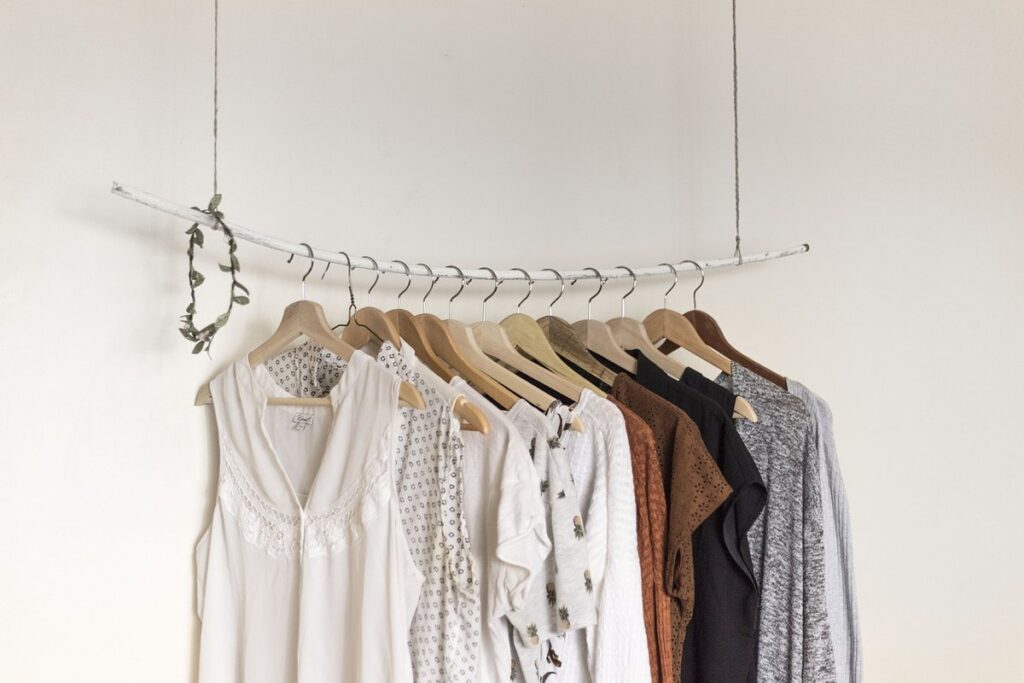
Understanding Minimalist Fashion
Minimalism is all about paring down your wardrobe to what truly brings you joy, and that starts by understanding what minimalist fashion really means. Let’s break down its core principles.
The Principles of Minimalist Style
At its core, minimalist fashion is built on three essential principles: simplicity, sustainability, and practicality. Simplicity refers to a reduction of unnecessary elements, such as excessive ornamentation or over-embellishment. This can be seen in clean-lined silhouettes, minimal patterns, and a limited color palette. A simple approach encourages you to focus on what truly matters – the quality of the garment rather than its elaborate details.
Sustainability is about considering the long-term impact of your fashion choices. Choose high-quality, timeless pieces that won’t contribute to waste or pollution. Opt for natural fibers like cotton, linen, and wool over synthetic materials whenever possible. Investing in a smaller number of well-made garments not only reduces the demand for fast fashion but also ensures you’ll have fewer items to maintain and replace.
Practicality is about dressing for your lifestyle rather than trying to fit an idealized image. Consider the activities you engage in regularly and choose clothing that can keep up. For instance, if you work outdoors or engage in sports, prioritize moisture-wicking fabrics and durable construction. By combining simplicity, sustainability, and practicality, you’ll create a wardrobe that serves your needs without overwhelming you.
Debunking Common Myths About Minimalism
Minimalist fashion is often misunderstood as being overly restrictive or unaffordable. Some people assume that minimalism requires getting rid of nearly everything and adopting a uniform wardrobe, which can be intimidating and unrealistic for many individuals.
However, the goal of minimalist fashion is not to deprive oneself but rather to simplify and edit one’s wardrobe to create a curated collection of essential pieces that bring joy and serve multiple purposes. This approach does not have to break the bank – thrift stores, second-hand shops, and swapping with friends can be great resources for finding affordable basics.
Another common myth is that minimalism means sacrificing style or personal expression. In reality, minimalist fashion encourages quality over quantity and allows individuals to focus on investing in timeless, well-made pieces that reflect their unique taste and aesthetic. By letting go of items that no longer serve them, people can free up space, reduce decision fatigue, and enjoy a more streamlined wardrobe that aligns with their values and priorities.
Setting Your Goals and Intentions
When embracing minimalist fashion, it’s essential to reflect on why you’re making this lifestyle change. Ask yourself: what’s driving my desire for a simpler wardrobe? Is it the environmental impact of fast fashion, the stress of decision fatigue when getting dressed, or the financial burden of maintaining an extensive collection? Be honest with yourself about your motivations, as this will help guide your decisions throughout the process.
Once you’ve identified your reasons, set achievable goals for simplifying your wardrobe. This might mean committing to a capsule wardrobe, donating a certain number of items each month, or practicing the one-in-one-out rule: for every new item that enters your closet, an old one must leave. Consider setting specific targets, such as reducing your wardrobe by 20% within the next three months or learning how to style a limited number of pieces.
Remember, minimalism is a journey, and it’s essential to be kind to yourself throughout the process. Don’t try to tackle too much at once; focus on making gradual, incremental changes that feel sustainable in the long term.
Assessing and Decluttering Your Current Wardrobe
Take a close look at your current wardrobe, because it’s time to sort through every item and decide what truly brings you joy and serves a purpose. It all starts by taking inventory of what you already have.
Identifying Problem Areas in Your Closet
To identify problem areas in your closet, start by taking everything out of your storage space and sorting items into three piles: keep, donate/sell, and discard. This exercise helps you visualize the clutter and make intentional decisions about what to keep. As you sort, pay attention to categories that seem particularly overwhelming – such as a pile of unworn sweaters or a stack of worn-out jeans.
Look for signs of poor quality, like missing buttons or frayed seams, which can indicate an item’s longevity and overall usefulness. You may also notice patterns of over-purchasing, such as multiple versions of the same style in different colors or sizes. These observations can help you recognize areas where you might be clinging to items that no longer serve you.
Consider your lifestyle and needs: if you haven’t worn a particular item in a year, it’s likely safe to let it go. Similarly, if an item requires frequent repairs or has become ill-fitting over time, it may be worth considering alternatives. By addressing these problem areas, you’ll begin to develop a clearer understanding of what truly adds value and joy to your wardrobe.
Sorting and Purging Strategies
Sorting through a cluttered closet can be overwhelming, but implementing a strategic sorting and purging process can make it manageable. Begin by gathering all clothing items from every corner of your home and placing them in one area, like a laundry room or garage. This allows you to see everything at once and prevents scattered storage.
Categorize items into three piles: keep, donate/sell, and discard. Start with the “keep” pile – only include clothes that fit perfectly, are in excellent condition, and align with your personal style. Be ruthless about eliminating items that no longer serve a purpose or meet your needs.
When evaluating items for donation or sale, consider the 80/20 rule: 80% of the time, you likely wear 20% of your clothes. Identify those staples and let go of items outside this spectrum. For pieces with sentimental value but are still in good condition, consider taking a photo to commemorate the item’s significance before letting it go. This approach helps you preserve memories while also decluttering your space.
The Importance of Quality Over Quantity
When you’re tempted by cheap, trendy items, remember that their lower price tag comes with a higher cost in the long run. These pieces may fit well for a season, but they often fall apart or go out of style soon after. Investing in fewer, higher-quality pieces means you’ll need to replace them less frequently, saving you time and money over time.
A simple way to put this into practice is by applying the 80/20 rule: 80% of the time, you likely wear only 20% of your clothes. Identifying these staples can help you prioritize what’s truly worth investing in. Consider each item’s quality, durability, and how well it fits into your existing wardrobe. A simple white shirt or a pair of well-made jeans may seem pricey upfront, but their value lies in their versatility and longevity.
Instead of buying cheap alternatives that might only last a few months, try to find timeless pieces from brands known for their quality and craftsmanship. This approach requires patience and self-control, but it pays off in the long run with a wardrobe that’s both functional and beautiful.
Building a Thoughtful Wardrobe
Creating a thoughtful wardrobe is all about intention and purpose, rather than simply accumulating clothes for their own sake. By prioritizing quality over quantity, you’ll set yourself up for long-term fashion success.
Understanding Your Personal Style
To develop a thoughtful wardrobe, you must first understand your personal style. Start by considering your lifestyle and how it influences your clothing choices. Think about the activities you engage in daily, such as work attire or workout clothes. Also, consider the climate where you live. For example, if you reside in a hot and humid region, you’ll likely prioritize lightweight fabrics.
Your body type plays a significant role in determining your style. If you have an hourglass figure, emphasize your waist with tailored dresses or tops that nip in at the waist. For those with a pear-shaped body, draw attention to your upper body with bold necklaces or statement sleeves. Rectangular shapes can benefit from softening their silhouette with A-line dresses or flared pants.
Identify your personal style by observing what you naturally gravitate toward when shopping. Pay attention to the colors and patterns you choose, as well as the fabrics that appeal to you. Look for commonalities across different purchases. This self-awareness will enable you to make more intentional purchasing decisions and avoid impulse buys, ultimately streamlining your wardrobe.
Investing in Timeless Pieces
Building a wardrobe around timeless pieces means investing in essentials that can be mixed and matched for multiple outfits. This approach eliminates the need for trendy items that quickly go out of style. A simple white shirt, for instance, can be dressed up or down depending on the occasion.
A classic pair of jeans is another versatile item that pairs well with a variety of tops. Consider investing in a few high-quality denim options rather than buying cheaper alternatives that may not last as long. Quality over quantity is key when it comes to building a thoughtful wardrobe.
Think about the types of pieces you already wear regularly and try to build your collection around them. Do you always reach for a particular scarf or statement piece? Consider incorporating more items like these into your wardrobe. When shopping, ask yourself whether an item will fit seamlessly with what you already own rather than just grabbing something that catches your eye.
Avoid buying items solely because they match the latest fashion trend – instead, focus on pieces that reflect your personal style and can be mixed-and-matched to create multiple outfits.
Learning to Mix High-Low Fashion
Learning to mix high-low fashion is an art that requires creativity and a keen eye for detail. It’s about combining expensive designer pieces with more affordable options to create outfits that look polished and put-together without breaking the bank. To achieve this, start by identifying the key elements of your high-end pieces – whether it’s a luxurious handbag or a tailored coat – and replicate them in lower-cost alternatives.
For instance, if you have a designer scarf, look for similar patterns and textures in a more affordable version. This way, you can create a cohesive look without spending a fortune. Similarly, if you own an investment piece like a leather jacket, use it as the anchor of your outfit and pair it with more budget-friendly items.
When mixing high-low fashion, remember that 80/20 rule applies: invest in 20% of the items that make up 80% of your outfits. This means that while you may splurge on a designer handbag, balance it out by pairing it with more affordable pieces. By doing so, you’ll create stylish outfits without compromising your minimalist values.
Creating a Maintenance Routine
Establishing a maintenance routine is crucial for maintaining your minimalist wardrobe, as it helps prevent clutter from building up and ensures your clothes stay organized and functional. It’s also an opportunity to reassess what you really need and use.
Scheduling Regular Wardrobe Reviews
Regularly reviewing your wardrobe is a crucial step in maintaining a minimalist approach to clothing. Set aside time every few months to go through each item and assess its relevance to your current lifestyle. Be honest with yourself – if you haven’t worn something in the past year, it’s likely safe to let it go.
Start by sorting items into three piles: keep, donate/sell, and discard. Consider factors like fit, quality, and how often you wear similar pieces. For instance, a well-made wool sweater may be worth keeping, even if you only break it out for special occasions, but a cheap polyester blend might not be worth the storage space.
When reviewing your wardrobe, pay attention to gaps in your collection. Identify areas where you consistently struggle to find something to wear and make adjustments accordingly. If you have a hard time finding outfits that fit well, consider investing in a few high-quality basics or seeking out second-hand options for more affordable alternatives. By regularly reviewing and refining your wardrobe, you’ll be able to maintain a streamlined collection that truly serves your needs.
Implementing a Capsule Wardrobe Strategy
A capsule wardrobe is a small collection of essential items that can be mixed and matched to create multiple outfits. To create one, start by evaluating your current wardrobe. Go through each item and ask yourself if it brings you joy or serves a specific purpose. Be honest – if an item doesn’t meet either criterion, consider letting it go.
Next, identify the types of clothing you need for different occasions and activities in your life. For example, do you have work clothes, exercise clothes, or formal wear? Make a list of the essential items within each category. Consider factors like climate, lifestyle, and personal style when determining what to include.
A general rule of thumb is to aim for 30-40 core pieces that can be combined in various ways to create a week’s worth of outfits. You can then add or subtract items based on your needs and preferences. For example, if you have a special occasion coming up, you might add one or two statement pieces to your wardrobe. The key is to strike a balance between practicality and personal expression. By creating a capsule wardrobe, you’ll not only simplify your closet but also develop a more intentional approach to dressing yourself.
Staying on Top of Laundry and Care
Managing laundry and dry cleaning can be a challenge for minimalist wardrobes. To avoid unnecessary trips to the laundromat or dry cleaner’s, consider designating a specific day each week for these tasks. For example, you might set aside Sundays for laundry and ironing.
To minimize laundry-related stress, adopt a ‘one in, one out’ policy when it comes to adding new items to your wardrobe. This ensures that the quantity of clothes remains balanced, preventing overwhelming piles of dirty laundry. Also, invest in clothes that can be easily mixed-and-matched, reducing the need for frequent washing.
For dry cleaning, prioritize items that truly require it – such as wool suits or silk blouses – and schedule pick-ups or drop-offs accordingly. You might also consider replacing these items with more low-maintenance alternatives when they eventually need to be replaced. To further simplify matters, store out-of-season clothes or less-frequently worn items in labeled bins or containers, keeping them separate from your everyday wardrobe.
Overcoming Challenges and Staying Motivated
As you simplify your wardrobe, you’ll inevitably face setbacks and doubts that can derail your minimalist journey. We’ll explore strategies to overcome these obstacles and stay motivated along the way.
Managing Expectations and Guilt
It’s normal to feel guilty when letting go of cherished items. You might worry about being wasteful, or think you’ll regret getting rid of something “just in case.” But holding onto clothes out of guilt can lead to clutter and decision fatigue.
Consider the reasons behind your attachment to certain pieces. Are they truly meaningful, or are they tied to memories that don’t necessarily have to be associated with those specific items? For example, a favorite childhood coat might evoke warm feelings, but it’s unlikely you’ll ever wear it again – and keeping it around can clutter your closet.
When deciding what to keep, ask yourself: “Would I genuinely miss this item if it were gone?” If the answer is no, consider letting it go. You might also try taking photos of items you’re struggling to part with, or creating a digital archive for sentimental pieces that don’t have a place in your daily life.
Remember, minimalism isn’t about getting rid of everything at once – it’s about making intentional choices and being mindful of what truly adds value to your life.
Building a Supportive Community
Connecting with like-minded individuals can be a game-changer for anyone embracing minimalism. By joining forces with those who share similar values and goals, you’ll not only find support but also motivation to stay on track. Many minimalist communities have online forums or social media groups where members share their experiences, offer advice, and celebrate each other’s successes.
Some popular platforms include Instagram accounts dedicated to minimalism, Reddit forums like r/minimalism, and Facebook groups specifically for minimalists. You can also search for local meetups in your area, which can be a great way to connect with others face-to-face. Attend workshops or events focused on sustainable living and minimalism – you’ll likely find kindred spirits there.
When participating in online communities, remember that everyone’s journey is unique, so avoid comparisons and criticism. Share your own experiences, ask for advice, and engage with others’ content respectfully. By building a supportive community around yourself, you’ll not only stay motivated but also gain valuable insights from those who understand the challenges and triumphs of embracing minimalism.
Celebrating Progress and Growth
Recognizing and celebrating small victories can be a powerful motivator. When adopting minimalism with clothes, progress often comes in tiny increments – letting go of one item, paring down a single category, or mastering the art of mixing-and-matching a few core pieces. Acknowledge these triumphs to build momentum.
You might be surprised at how much joy you derive from clearing out a single shelf, donating a handful of gently-used items, or perfecting your “uniform.” These small wins demonstrate that change is possible and worth striving for. Make it a habit to reflect on the little achievements along the way, no matter how insignificant they may seem.
To make this practice more effective, try keeping a “minimalism journal” where you track your progress, note what you’ve achieved, and identify areas for continued improvement. This simple exercise will help you appreciate the beauty of gradual growth and provide much-needed encouragement when faced with setbacks or self-doubt.
Frequently Asked Questions
Can I still be considered a minimalist if I have some non-essential items in my wardrobe?
Yes, minimalism is about living with intention and purpose, not eliminating all personal preferences. Having a few cherished or sentimental items that bring joy can coexist with the principles of minimalism.
How do I balance the need for practicality with the desire to express myself through fashion?
A minimalist wardrobe doesn’t mean sacrificing self-expression. Focus on investing in timeless, versatile pieces that reflect your personal style and can be mixed-and-matched with other items to create a variety of outfits.
What if I’m on a tight budget – can I still adopt a minimalist lifestyle through fashion?
Yes, minimalism is not just for those who have the means to invest in high-end pieces. Start by letting go of cheaper, trendy items that may quickly become outdated and focus on finding affordable alternatives to quality staples.
How often should I review my wardrobe to ensure it remains aligned with my minimalist goals?
Regularly reviewing your wardrobe (e.g., every 3-6 months) helps you stay on track with your goals and make adjustments as needed. Use this opportunity to assess what’s working for you and what areas still require simplification.
What if I have a lot of family members or friends who don’t understand my minimalist approach – how can I address their concerns?
When faced with pushback from loved ones, try explaining the benefits of minimalism in terms of your values (e.g., sustainability, reduced waste) and how it contributes to your overall well-being.