
Composting is a vital process in reducing waste and creating nutrient-rich soil for your garden, but one question often lingers: how long does compost take to break down? The decomposition time can vary significantly depending on factors such as temperature, moisture, and the type of materials being composted. You might be surprised at just how quickly some materials can decompose, while others may take months or even years to fully break down. In this article, we’ll explore the intricacies of composting decomposition, including the average time frames for common household waste items, and provide tips on how to speed up the process. By the end of this guide, you’ll have a clear understanding of what affects the composting time and be able to create your own nutrient-dense compost in no time.
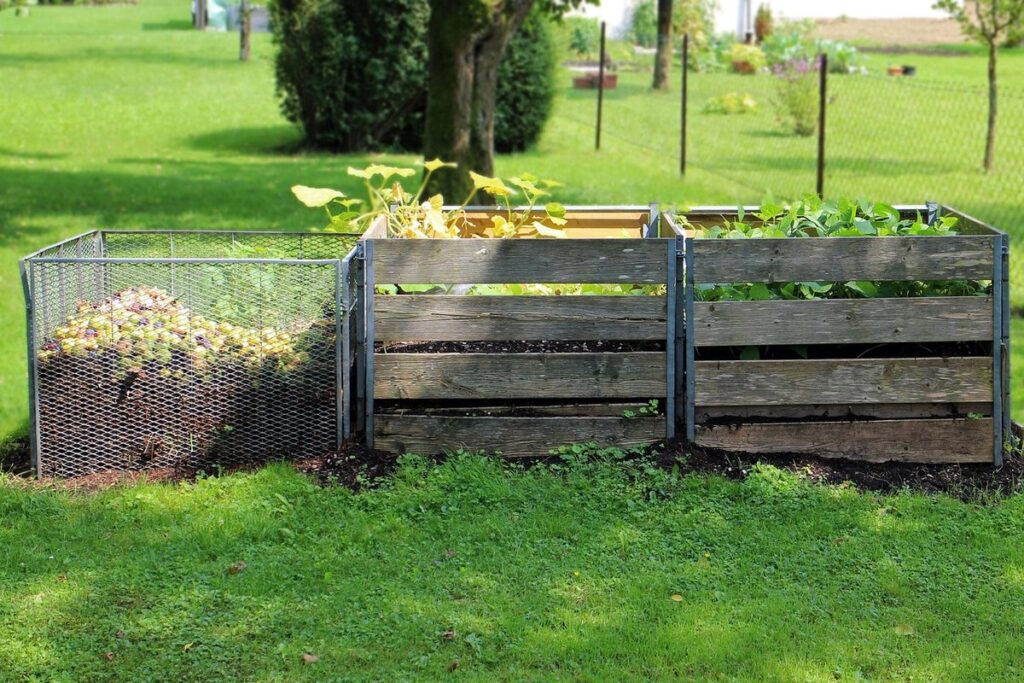
Understanding Composting Basics
Composting is a fundamental process that breaks down organic materials into nutrient-rich soil, and understanding its basics is crucial to creating effective compost. Let’s start by breaking down what composting entails.
What is Composting and Its Importance?
Composting is a natural process where organic materials break down into a nutrient-rich soil amendment. This occurs when microorganisms like bacteria and fungi feed on decomposing plant matter, releasing carbon dioxide, water vapor, and heat as byproducts. The importance of composting lies in its ability to recycle waste, reduce the need for synthetic fertilizers, and mitigate greenhouse gas emissions.
Composting also helps to conserve soil health by replenishing nutrients, improving soil structure, and supporting beneficial microbial life. By creating a balanced mix of “green” materials high in nitrogen (food scraps, grass clippings) and “brown” materials rich in carbon (dried leaves, shredded newspaper), you can foster optimal decomposition conditions.
A well-maintained compost pile will eventually reach temperatures that inhibit pathogen growth and weed seed germination. The resulting compost is a dark, crumbly substance teeming with beneficial microbes. Regularly turning your compost and monitoring its temperature helps ensure it breaks down efficiently and effectively.
Types of Composting Methods
There are several types of composting methods to choose from, each with its own unique characteristics and timeframes. Hot composting involves actively managing a mixture of “green” (nitrogen-rich) and “brown” (carbon-rich) materials to create a hot, steaming pile that breaks down quickly – typically within 1-3 months.
In contrast, cold composting is a low-maintenance approach where materials are layered in a bin or pile without regular turning. This method can take anywhere from 6-12 months or more, depending on the mix of materials and environmental conditions.
Worm composting, also known as vermicomposting, involves using red wiggler worms to break down food scraps and other organic matter in a controlled environment. This method is relatively fast, with finished compost typically ready within 1-2 months.
Bokashi composting uses microorganisms to ferment organic materials, producing a liquid fertilizer and compost that’s ready in about 2 weeks. It’s a great option for small spaces or those who want a quick turnaround on their compost.
Factors Affecting Compost Time
Multiple factors can influence how long it takes for your compost to break down, affecting both its quality and quantity. These variables play a crucial role in determining your compost’s readiness.
Temperature and Moisture Levels
Optimal temperature for composting ranges between 130°F and 140°F. This warmth accelerates microbial activity, breaking down organic matter quickly. However, temperatures above 160°F can kill beneficial microorganisms, hindering the composting process. Conversely, cooler temperatures slow decomposition.
Moisture levels also significantly impact composting speed. A mix of dry and wet materials is ideal, but consistently high moisture can lead to anaerobic conditions, causing unpleasant odors and reduced microbial activity. Aim for a balance where materials are moist, but not soggy or waterlogged. This typically means maintaining 50-60% moisture levels.
Temperature fluctuations, such as those caused by direct sunlight, can also affect decomposition rates. If your compost pile is exposed to extreme temperatures, consider providing shade. Maintaining consistent temperature and moisture levels helps ensure a balanced microbial ecosystem, which is crucial for efficient composting.
When monitoring temperature and moisture, check the compost pile regularly, ideally daily or every other day. Use a thermometer to track temperature fluctuations and add more materials as needed to maintain optimal moisture levels. By balancing these factors, you can create an environment conducive to rapid decomposition and faster compost production.
Carbon-to-Nitrogen Ratio
Maintaining a balanced carbon-to-nitrogen ratio is crucial for speeding up the decomposition process. This ratio determines how quickly microorganisms break down organic matter into compost. A well-balanced mix of 25-30% nitrogen-rich materials (food scraps, grass clippings) and 70-75% carbon-rich materials (dried leaves, shredded newspaper) supports optimal microbial activity.
If the ratio is too high in nitrogen, microorganisms will consume oxygen rapidly, leading to anaerobic conditions that slow decomposition. Conversely, a carbon-dominant pile may take months to break down due to limited microbial activity. Aiming for this balance ensures a steady supply of energy and nutrients for decomposers.
To achieve the ideal ratio, mix ‘green’ nitrogen-rich materials with ‘brown’ carbon-rich materials in each load. For example, add 2-3 cups of grass clippings to 5-6 cups of dried leaves or shredded newspaper. Monitor your pile’s progress by checking its temperature and moisture levels regularly. A balanced carbon-to-nitrogen ratio will typically produce a compost pile with a moderate to high temperature (130°F – 140°F) within 2-4 weeks, indicating active decomposition.
Composting Process Stages
The composting process involves several stages, each playing a crucial role in breaking down organic materials into nutrient-rich soil. In this next part of our guide, we’ll break down these stages to help you understand what’s happening within your compost pile.
Stage 1: Initial Breakdown (0-2 weeks)
In the initial breakdown stage of composting, which typically lasts between 0-2 weeks, large organic materials begin to break down into smaller pieces. This process is crucial for creating a nutrient-rich compost that’s teeming with beneficial microbes. During this time, you may notice the formation of a liquid compost, also known as “compost tea.” As microorganisms feed on the easily accessible carbon sources in your compost pile, they produce enzymes and acids that help break down complex organic matter.
The breakdown process is often accompanied by significant temperature fluctuations within the compost pile. Temperatures can rise to 130°F (54°C) or higher, causing the microbes to multiply rapidly. This heat helps kill off weed seeds, pathogens, and other contaminants, creating a clean environment for beneficial microorganisms to thrive. To encourage this initial breakdown stage, ensure your compost pile has adequate moisture levels and is well-aerated.
Some signs that the initial breakdown stage is progressing include:
- A noticeable decrease in volume as materials break down
- The presence of a liquid “tea” or leachate at the bottom of the pile
- A distinct earthy aroma
Stage 2: Active Decomposition (2-6 weeks)
During stage 2 of the composting process, active decomposition occurs. This phase is characterized by the breakdown of complex organic matter into simpler compounds through microbial activity. Microorganisms such as bacteria and fungi feed on the readily available carbon sources, releasing heat and carbon dioxide in the process.
As microorganisms consume the easily degradable materials, they create a food source for other beneficial microbes that are capable of breaking down more resistant compounds. This stage is marked by an increase in temperature, which can range from 130°F to 140°F (54°C to 60°C), depending on factors such as moisture levels and carbon-to-nitrogen ratio.
The duration of active decomposition typically ranges from 2 to 6 weeks, during which time the compost pile will often require turning to ensure adequate aeration. Turning the compost pile introduces oxygen, helping to control odors and promote healthy microbial growth.
It’s essential to maintain a balance between moisture and carbon-to-nitrogen ratio throughout this stage to prevent anaerobic conditions from developing. By doing so, you can encourage the breakdown of complex organic matter and speed up the decomposition process, ultimately reducing the overall composting time.
Estimating Compost Time
To get a more accurate estimate of your compost’s progress, it’s essential to understand how factors like carbon-to-nitrogen ratios and moisture levels affect the process.
Factors Affecting Compost Maturation Time
Composting maturation time is influenced by several factors that can either speed up or slow down the process. Oxygen levels play a crucial role; adequate aeration promotes healthy microbial activity, which breaks down organic matter efficiently. In contrast, low oxygen levels can lead to anaerobic conditions, resulting in unpleasant odors and slower decomposition.
Maintaining an optimal pH range between 6.5 and 7.5 is also essential for effective composting. Most microorganisms thrive within this acidity level, allowing them to rapidly break down organic matter. However, if the pH deviates from this range, it can impede microbial activity and prolong maturation time.
The presence of contaminants or excessive amounts of “green” materials like food scraps and grass clippings can also hinder composting efficiency. These substances introduce excess nitrogen, which can lead to ammonia buildup and create an ideal environment for pathogens to develop. Regularly monitoring and balancing the carbon-to-nitrogen ratio will help mitigate this issue.
When evaluating your compost pile’s oxygen levels, pH, or contaminant presence, it’s essential to regularly inspect its composition and make adjustments as needed. This proactive approach can help maintain a healthy balance and promote efficient decomposition, ultimately reducing maturation time.
Average Composting Times for Different Materials
Composting times vary significantly depending on the materials being processed. Food waste, for example, typically breaks down within 1-3 weeks when mixed with high-carbon materials like leaves or shredded newspaper. This is because food waste has a relatively low carbon-to-nitrogen ratio, making it easier for microorganisms to decompose.
Leaves, on the other hand, can take anywhere from 6-12 months to fully break down, depending on their moisture content and exposure to oxygen. Shredding leaves before adding them to your compost pile can significantly reduce this time. Grass clippings usually break down within 2-4 weeks, but high nitrogen levels can lead to anaerobic conditions if not balanced with adequate carbon-rich materials.
Other materials have varying composting times: coffee grounds and tea bags (1-3 months), eggshells (2-6 months), and manure from herbivores (3-12 months). It’s essential to note that these are general estimates, and actual composting times may differ based on specific conditions. To speed up the process, ensure a balanced carbon-to-nitrogen ratio and adequate oxygen levels in your compost pile.
Here are some key materials to keep in mind:
• High-carbon materials (leaves, shredded newspaper): 6-12 months
• Food waste: 1-3 weeks
• Grass clippings: 2-4 weeks
• Coffee grounds and tea bags: 1-3 months
• Eggshells: 2-6 months
Troubleshooting Common Issues
Don’t worry if things aren’t turning out as planned, we’ve got some common issues covered to help you get back on track. We’ll tackle problems like slow decomposition and pest infestations head-on.
Inadequate Aeration or Over-Moisture
Inadequate aeration and over-moisture are two common issues that can significantly slow down the composting process. When air circulation is poor, microorganisms have trouble breaking down organic matter, leading to anaerobic conditions that produce unpleasant odors and potentially harm plants if used in garden beds. To avoid this, ensure your compost pile has adequate space between layers for airflow. A minimum of 3-4 inches of clearance on all sides will help maintain a healthy balance.
On the other hand, over-moisture can drown microorganisms, causing them to die off and leading to a slower decomposition rate. Compost should be kept damp, but not waterlogged. Check your pile by sticking your hand into it – if it feels like a damp sponge, you’re on track. However, if it’s dripping wet or has visible puddles, it needs attention.
To correct these issues, consider adding more bulking agents (such as straw or shredded newspaper) to improve airflow or redistributing excess water throughout the pile. Regular monitoring and maintenance will help prevent these problems from arising in the first place, allowing your compost to mature at a healthy rate.
Presence of Contaminants or Pathogens
Compost piles can be contaminated with various substances that slow down or even stop the composting process. One of the most significant contaminants is weed seeds. They can sprout and grow inside the pile, making it difficult to produce a clean compost. Identify weeds by their distinctive growth patterns and remove them promptly.
Pathogens like E. coli and Salmonella are another concern in compost piles. These bacteria can originate from contaminated food waste or animal manure. To minimize the risk of pathogens, ensure that all food scraps are free from meat, dairy, and oils. If you do add these items, they should be fully broken down before being added to the pile.
Contaminants like plastic bags, metal fragments, and glass can also damage your compost pile. Regularly inspect the pile for any foreign objects and remove them immediately. A small amount of contaminants can significantly impact the overall quality and time it takes for the compost to mature.
Advanced Composting Techniques
Once you’ve mastered the basics, it’s time to take your composting skills to the next level with advanced techniques that speed up the process and improve results. We’ll explore some of these methods in more detail here.
Using Additives for Faster Breakdown
Adding bulking agents to your compost pile can significantly speed up the breakdown process. These materials, such as straw, shredded newspaper, or coconut coir, absorb excess moisture and provide oxygen for microorganisms to thrive. This helps to create a more conducive environment for decomposition.
Using microorganisms like effective microorganisms (EM) or beneficial bacteria can also accelerate the composting process. These additives introduce a diverse range of microbes that break down organic matter quickly. Some popular brands include EM-1 and Dyno-Bait, but it’s essential to follow the manufacturer’s instructions when introducing these products into your pile.
When using additives, start with small quantities (about 5% of the total material) and mix well to ensure even distribution. This will help prevent over-population of microorganisms, which can lead to unpleasant odors or pests. Monitor your compost pile regularly to adjust the amount of additives as needed.
Some popular combinations for speeding up breakdown include pairing bulking agents with microorganisms. For example, adding a layer of straw followed by EM-1 has been shown to reduce decomposition time by 30% in some cases.
Creating a Continuous Compost Loop
To create a continuous compost loop, combine finished compost with fresh materials to generate new waste. This process helps maintain a consistent supply of nutrients for microorganisms and promotes efficient decomposition. Start by adding 10-20% of finished compost to the pile, mixing it well with the fresh material.
A common example is layering shredded newspaper or cardboard with finished compost and garden scraps. As you add more materials, the pile will break down rapidly due to the high microbial activity. Monitor temperature levels; if they exceed 160°F (71°C), mix in some water to cool it down.
Another strategy involves setting up a “compost cart” or container for collecting food waste throughout the week. Add finished compost to this container and maintain a steady supply of fresh materials. This continuous loop ensures that microorganisms always have an ample food source, speeding up decomposition rates.
To maintain this cycle, balance the carbon-to-nitrogen ratio by adjusting the proportion of “green” (nitrogen-rich) and “brown” (carbon-rich) materials. Regularly turning or aerating the pile helps prevent anaerobic conditions that might slow down decomposition.
Frequently Asked Questions
Can I use compost in my garden immediately after it’s finished?
Yes, but make sure the compost has cooled down to room temperature, as hot compost can burn plants. A general rule of thumb is to wait at least a week or two before incorporating it into your soil.
How do I know if my compost is too wet and what can I do to fix it?
If your compost pile feels soggy or waterlogged, it’s likely too wet. Check the carbon-to-nitrogen ratio and add more brown materials like leaves or straw to balance it out. You can also turn the compost pile to improve airflow.
What happens if I accidentally add a large amount of meat or dairy products to my compost pile?
Yes, this is a common mistake that can attract pests and create unpleasant odors. If you’ve added too much animal matter, try to separate it from the rest of the compost and start a new pile with fresh materials.
Can I use compost as a mulch in my garden beds during the growing season?
Yes, but be aware that using compost as a mulch can suppress seed germination if it’s too rich. It’s best to apply a thin layer (about 2-3 inches) and mix it into the soil before planting.
Is it safe to use worm composting indoors, especially in small apartments with limited ventilation?
Yes, but make sure to follow proper ventilation guidelines to avoid moisture buildup and pest infestations. Keep your worm bin away from direct sunlight and maintain a consistent temperature between 55-77°F (13-25°C) for optimal decomposition.

