
Every time you visit the beach or go for a swim, you’re probably unaware of the silent threat lurking beneath the surface. Plastic pollution in our oceans is a growing problem that affects marine life in many ways. From entanglement and suffocation to microplastic consumption and ingestion, the impact on marine ecosystems is devastating. You may have seen images of sea turtles trapped in plastic bags or fish with stomachs full of microbeads, but the reality is far more complex and widespread. Plastic waste not only harms individual animals but also contaminates the entire food chain, putting human health at risk as well. In this article, we’ll explore the shocking impact of plastic on marine life and examine how individual actions and policy changes can help prevent this environmental disaster and protect our oceans for future generations to enjoy.
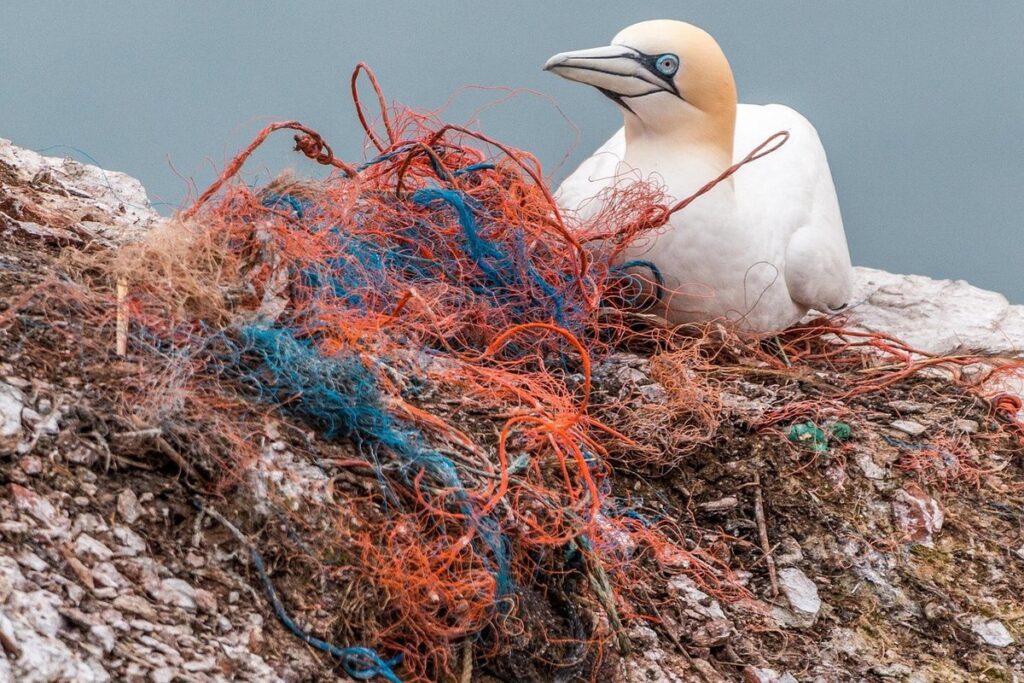
The Problem of Plastic Pollution
Plastic pollution is a silent killer for marine life, causing harm through entanglement, suffocation, and ingestion of tiny plastic particles that are mistaken as food. We’ll explore the effects on vulnerable species like sea turtles and fish.
The Scale of the Issue
Plastic pollution has become a pervasive issue affecting marine ecosystems worldwide. According to the United Nations, approximately 8 million tons of plastic waste enter our oceans each year. This staggering number highlights the scale of the problem and underscores the need for urgent action.
To put this into perspective, consider that if we don’t change our current trajectory, there will be more plastic than fish in the ocean by 2050. The World Economic Forum estimates that by then, up to 15% of all marine species could become extinct due to plastic pollution. This is not just a marine issue; it has severe implications for human health and the economy.
The main contributors to this problem are single-use plastics, such as bags, straws, and water bottles. These items often end up in storm drains and rivers, eventually making their way into the ocean. The majority of plastic pollution comes from land-based sources, with a small portion originating from marine activities like shipping and fishing.
A significant portion of this waste is not biodegradable, but rather breaks down into microplastics that are consumed by marine life. This has severe consequences for the food chain, as we’ll explore further in the next section.
Sources of Plastic Pollution
Landfills and industrial waste are two significant sources of plastic pollution. When not disposed of properly, plastics from landfills can escape into waterways through various means, including flooding, erosion, or intentional dumping. Industrial waste, such as manufacturing byproducts, chemical spills, and wastewater treatment plant effluent, also contributes to plastic pollution in oceans.
Microbeads in personal care products are another source of plastic pollution that has garnered attention in recent years. These tiny beads can slip through water treatment plants and into aquatic environments, where they can be ingested by marine animals or accumulate on the seafloor. Many countries have banned microbeads in face washes and toothpastes, but the ban’s effectiveness depends on its enforcement.
Some common industrial plastics that contribute to ocean pollution include polyethylene terephthalate (PET), high-density polyethylene (HDPE), and polyvinyl chloride (PVC). These materials are often used in packaging, such as water bottles, containers, and bags. To reduce plastic waste, individuals can opt for reusable products like cloth bags and refillable water bottles. Businesses can also adopt sustainable practices by implementing recycling programs or switching to biodegradable alternatives.
The Effects of Plastic on Marine Life
Plastic pollution is a major threat to marine life, causing entanglement, suffocation, and ingestion that can lead to blockages, nutrient deficiencies, and even death. We’ll examine the ways in which plastic affects these crucial ecosystems.
Entanglement and Suffocation
Marine animals often become entangled with plastic debris such as six-pack rings, fishing nets, and abandoned lines. These items can wrap around their bodies, constricting movement and cutting off circulation. The consequences are dire: entanglement can lead to drowning, suffocation, or even amputation of limbs.
A small fish might get caught in a discarded net, unable to swim free as it grows. A sea turtle may become trapped in a plastic bag, its flippers getting tangled in the material’s creases. Even large mammals like whales and dolphins are at risk: a whale can become snagged on a fishing line, dragging its massive body underwater.
The effects of entanglement go beyond individual animals. When marine life is caught or killed by plastic debris, it disrupts the delicate balance of ecosystems. Predators may struggle to find prey, while scavengers might be overwhelmed by the sheer number of carcasses. This can lead to changes in population dynamics and potentially even extinctions.
Ingestion of Plastic Particles
Marine animals ingest plastic particles through various means. For example, they may confuse microplastics with food and consume them intentionally. This can happen when microplastics are suspended in seawater or attached to algae, which is a common food source for many marine species.
Some animals, like sea turtles, have been observed actively feeding on jellyfish that contain high levels of plastic debris. In other cases, plastic particles may be ingested accidentally while feeding on prey items that have already consumed microplastics. This process can lead to a “plastic load” within the animal’s digestive system.
Ingestion of plastic particles can cause several health issues in marine animals. Blockages can form when large amounts of plastic accumulate in the gut, leading to reduced nutrient absorption and potentially life-threatening complications. Nutrient deficiencies can also occur if microplastics interfere with the normal digestion process or bind to essential nutrients, making them unavailable for absorption.
A study found that even small amounts of ingested plastic can cause significant harm to marine animals. The effects can be severe enough to lead to death in some cases.
Microplastics in the Food Chain
Microplastics are a primary concern when it comes to the impact of plastic pollution on marine life. Smaller organisms like plankton and zooplankton ingest microplastic particles, which can be as small as 1/10th the size of a grain of rice. These particles often mimic the appearance and texture of food sources, leading these animals to consume them unintentionally.
Once ingested, microplastics can become trapped in the organisms’ digestive systems or even be absorbed into their tissues. As these organisms are consumed by larger fish and marine mammals, the microplastic particles are transferred up the food chain. This means that humans who eat seafood contaminated with microplastics are potentially consuming plastic particles as well.
Research has shown that microplastics have been found in a wide variety of commercial seafood species, including oysters, mussels, and shrimp. In fact, studies have detected microplastics in over 80% of the seafood samples tested. This highlights the urgent need for consumers to be aware of the potential risks associated with consuming plastic-contaminated seafood and to take steps to minimize their exposure.
Impact on Marine Ecosystems
Plastic pollution has a profound impact on marine ecosystems, where it can cause harm to entire food chains and even lead to the extinction of species. We’ll explore these devastating effects in more detail below.
Changes to Biodiversity
Plastic pollution has a profound impact on marine biodiversity, leading to reduced species populations, altered community structures, and shifts in ecosystem function. One of the most significant effects is the decline of iconic species like sea turtles, fish, and corals. For instance, a study found that sea turtles are getting entangled in plastic debris at an alarming rate, which can lead to drowning or suffocation.
The ingestion of microplastics also affects marine life, as these particles can be mistaken for food and consumed by animals. This has been observed in species like oysters, mussels, and clams, which can accumulate toxins from the plastics they ingest. As a result, entire ecosystems are being altered, with some species becoming more dominant while others decline or disappear.
The impact of plastic pollution on marine biodiversity is not limited to individual species; it also affects ecosystem function. For example, coral reefs, which provide essential habitat for countless species, are being damaged by plastic debris and microplastics. This can lead to a cascade of effects throughout the entire ecosystem, including reduced fish populations and decreased water quality.
Habitat Destruction
Plastic debris can cause significant damage to critical habitats for marine animals. Coral reefs and seagrass beds are particularly vulnerable to plastic pollution. When plastic debris accumulates on these habitats, it can lead to changes in water circulation patterns, increased sedimentation, and reduced light penetration. This can cause coral bleaching, algae overgrowth, and the death of seagrasses.
In severe cases, the weight of accumulated plastic debris can even break off large sections of coral reefs or uproot entire seagrass beds. This can be catastrophic for marine life that depends on these habitats for food, shelter, and breeding grounds. For example, in 2019, a survey found that over 90% of coral reefs in the Great Barrier Reef had significant amounts of plastic debris.
To mitigate this issue, it’s essential to reduce plastic waste and implement effective waste management systems. This can be achieved through individual actions, such as properly disposing of trash, reducing single-use plastics, and participating in beach cleanups. Additionally, governments and organizations can establish policies and regulations that promote sustainable fishing practices, protect marine habitats, and hold industries accountable for their plastic pollution.
Human Health Implications
Plastic pollution not only harms marine life, but it also has significant effects on human health through the food chain. This is a crucial aspect to consider when discussing the impact of plastic on our planet.
Exposure to Toxic Chemicals
Exposure to toxic chemicals from plastic pollution poses a significant threat to human health. When plastic waste breaks down, it releases chemical additives and pollutants into the environment. These toxins can accumulate in coastal ecosystems, contaminating the food chain through the consumption of contaminated seafood. Marine animals often mistake microplastics for food and ingest them, which can lead to the transfer of toxic chemicals up the food chain.
For example, studies have shown that microplastic particles can contain high levels of polychlorinated biphenyls (PCBs) and dichlorodiphenyltrichloroethane (DDT). When humans consume seafood contaminated with these pollutants, they can ingest significant amounts of toxic chemicals. This exposure has been linked to various health problems, including cancer, reproductive issues, and neurological damage.
To minimize the risk of exposure, it’s essential to choose seafood from sources that have implemented sustainable fishing practices. Look for certifications like MSC (Marine Stewardship Council) or ASC (Aquaculture Stewardship Council), which ensure that fisheries meet rigorous environmental standards. Additionally, reduce your consumption of seafood high in mercury and PCBs, such as shark and swordfish.
Microplastic Consumption by Humans
Humans who consume seafood and other foods contaminated with microplastics are at risk of ingesting these tiny particles. Research has shown that microplastics have been found in a wide range of food sources, including fish, shellfish, salt, and even beer. The ingestion of microplastics can lead to physical harm, as they can cause blockages or damage to internal organs.
When humans consume microplastics, the body is unable to digest them, so they pass through the digestive system intact. However, this can lead to a buildup of microplastics in the body over time, potentially causing long-term health effects. Some studies have suggested that microplastic ingestion may be linked to an increased risk of cancer and reproductive problems.
The exact mechanisms by which microplastic ingestion affects human health are not yet fully understood, but it is clear that further research is needed to determine the full extent of the risks involved. In the meantime, reducing plastic use and adopting a more sustainable food system can help minimize exposure to microplastics in seafood and other foods.
Solutions and Prevention
Now that we’ve explored the devastating impact of plastic on marine life, let’s discuss practical ways to mitigate its effects and prevent future harm. We’ll examine effective solutions and prevention strategies for a healthier ocean.
Reducing Plastic Use
When reducing plastic use is a top priority, it’s essential to focus on everyday habits. Start by making simple swaps: switch from single-use bags to reusable ones made of durable materials like canvas or jute. Look for bags with a sturdy construction and consider investing in a few extras for convenience.
Next, opt for refillable water bottles instead of buying bottled water. Choose containers with leak-proof lids and consider the BPA-free options to minimize exposure to toxins. For straws, consider metal or glass alternatives that can be reused multiple times. Silicone straws are another eco-friendly option, but ensure they’re free from chemicals.
For personal care products, select items packaged in minimal plastic or opt for bulk purchases with refillable containers. This includes toiletries like toothpaste and shampoo. Be mindful of the packaging materials used by your favorite brands and seek out those using biodegradable or recyclable materials whenever possible. By incorporating these changes into daily routines, individuals can make a tangible impact on reducing plastic waste that ends up in oceans.
Policy Changes and Regulations
Implementing effective policy changes and regulations is crucial to reducing plastic pollution. Governments around the world are taking steps to address this issue by introducing extended producer responsibility laws. These laws hold manufacturers accountable for the waste generated by their products, encouraging them to design more sustainable packaging and materials.
For instance, the European Union’s Extended Producer Responsibility (EPR) directive requires companies to pay for waste management and disposal costs associated with their products. Similarly, some countries have implemented deposit-refund schemes for plastic bottles, which has led to a significant reduction in litter.
Effective waste management strategies are also essential in reducing plastic pollution. This includes improving recycling infrastructure, increasing public education on proper waste sorting, and implementing advanced technologies such as waste-to-energy plants and mechanical biological treatment facilities.
Governments can also establish regulations to reduce single-use plastics, such as banning or restricting the use of microbeads, straws, and bags. By setting clear targets and enforcement mechanisms, governments can create a supportive environment for businesses and individuals to adopt more sustainable practices.
Frequently Asked Questions
How Can I Effectively Reduce Plastic Use in My Daily Life?
Reducing plastic use requires a combination of awareness and intentional habits. Start by identifying areas where you can make changes, such as switching to reusable bags and water bottles. You can also try shopping for products with minimal packaging or buying in bulk. Remember that every small change counts, and collective efforts can lead to significant reductions in plastic waste.
What Happens When I Accidentally Consume Microplastics Through Seafood?
While the risks associated with microplastic consumption are still being studied, it’s essential to note that exposure to toxic chemicals from plastic pollution can have adverse effects on human health. If you’re concerned about consuming microplastics through seafood, consider consulting with a healthcare professional or registered dietitian for personalized advice.
Can I Use Biodegradable Plastic Products as an Alternative?
While biodegradable plastics may seem like a viable alternative, they often break down into microplastics that can still harm marine life. Instead, opt for reusable products made from durable materials like stainless steel or glass. When shopping for eco-friendly alternatives, look for products that are explicitly labeled as “bioplastics” or “compostable,” but be aware that these terms don’t necessarily guarantee environmental safety.
Is It Enough to Reduce Plastic Use Individually, or Do We Need Systemic Changes?
Individual actions are crucial in raising awareness and driving change, but systemic changes are also necessary to address the scale of plastic pollution. Encourage policymakers and businesses to implement extended producer responsibility laws, improve waste management strategies, and promote sustainable practices throughout their supply chains.
How Can I Participate in Beach Cleanups or Organize My Own Community Event?
Beach cleanups and community events can be an effective way to raise awareness about plastic pollution and engage local communities. Consider partnering with local organizations, schools, or government agencies to host events that not only collect trash but also educate participants about the impact of plastic on marine life.

