
Plastic waste is clogging our oceans, harming marine life, and contaminating the food chain. Every day, we generate massive amounts of plastic packaging, single-use items, and disposable products that end up in landfills or as litter. As individuals, communities, and policymakers, it’s essential to take collective responsibility for reducing plastic pollution and promoting sustainability. We can start by making conscious choices about our daily habits, such as using reusable bags, water bottles, and straws, but it requires more than just individual actions. Effective solutions also involve community-led initiatives, policy changes, and waste reduction strategies that benefit the environment and public health. This article will explore practical ways to combat plastic pollution through a combination of individual actions, community-driven projects, and policy solutions that reduce waste and promote sustainability.
Understanding the Problem
Plastic pollution is a complex issue, and understanding its root causes is crucial for developing effective solutions. Let’s take a closer look at the key factors contributing to this growing problem.
The Scope of Plastic Pollution
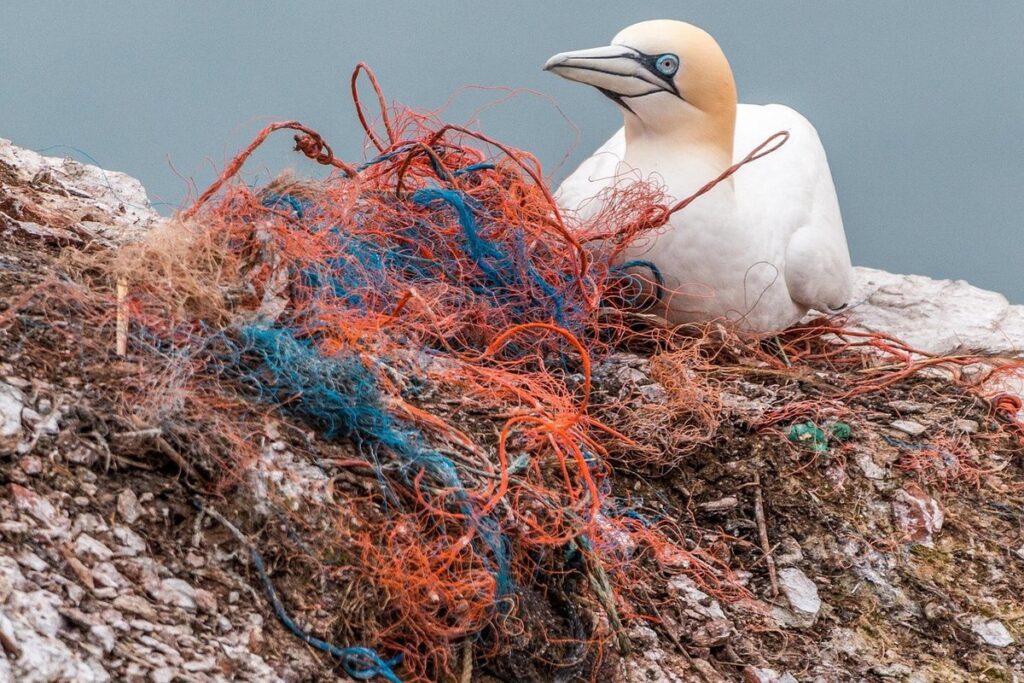
Plastic pollution affects every corner of our planet, from the surface of the ocean to the depths of our soil and the air we breathe. Marine life is particularly vulnerable, with countless species entangled in plastic debris or consuming it as a mistaken food source. A staggering number of sea turtles, for example, die each year after ingesting plastic bags that resemble jellyfish.
Pollution in our waterways also has a profound impact on human health. When plastic waste enters the ocean, it can break down into microplastics, which are then ingested by fish and other seafood. These toxins work their way up the food chain, contaminating the very foods we eat. In fact, research suggests that many people consume several hundred particles of plastic each week.
The effects of plastic pollution on air quality are just as concerning. When plastic waste is burned in landfills or incinerators, it releases toxic chemicals into the atmosphere, contributing to smog and poor air quality. Soil pollution from plastics also has long-term consequences, including decreased fertility and increased toxicity for plants and animals that inhabit these ecosystems.
Types of Plastic Pollution
Plastic pollution comes in various forms, each with its own set of environmental consequences. Microplastics are tiny plastic particles smaller than 5 millimeters that can be ingested by marine life and even make their way into the human food chain. They have been found in tap water, beer, and even table salt. The effects on ecosystems are still being studied, but it’s clear that microplastics contribute to the decline of many species.
Macroplastics refer to larger plastic items such as bags, bottles, and straws that often end up in oceans and landfills. These plastics can take hundreds of years to decompose and have been responsible for entangling or suffocating countless marine animals. Bioplastics, made from renewable resources like corn starch or sugarcane, are marketed as a more environmentally friendly alternative to traditional plastics. However, their production and disposal methods often mirror those of conventional plastics.
Some biodegradable plastics can break down into smaller components that may not harm the environment, but they still contribute to plastic waste. It’s essential to understand these different types of plastic pollution in order to develop targeted solutions for reduction.
Causes of Plastic Pollution
Plastic pollution is a complex issue, and understanding its causes is crucial to developing effective solutions. So, let’s take a closer look at the root factors driving this environmental crisis.
Single-Use Plastics
Single-use plastics are a significant contributor to plastic pollution. They’re used once and then discarded, often ending up in oceans, rivers, and landfills. Plastic bags, straws, and water bottles are among the most commonly used single-use items.
Plastic bags, for instance, are often used to carry groceries or other items, but they can easily get caught in recycling machines and end up as litter. Straws, on the other hand, are used for a few minutes before being discarded, and many of them aren’t recyclable. Water bottles are another major culprit, with millions of single-use plastic bottles thrown away every day.
A small change can make a big difference when it comes to reducing single-use plastics. For example, you can carry reusable bags when shopping, switch to metal or paper straws, and opt for refillable water bottles. Many cities also offer deposit-refund schemes for plastic bottles, which encourage consumers to return them and recycle.
To further reduce single-use plastics, consider the following:
- Choose products with minimal packaging
- Avoid buying items that are sold in single-use containers
- Support businesses that offer reusable alternatives or have reduced their use of single-use plastics
Production and Distribution
The production and distribution of plastic products significantly contribute to waste generation. When manufacturers produce plastics, they often prioritize cost-effectiveness over sustainability. This can lead to the use of low-quality materials or inefficient manufacturing processes, resulting in a higher volume of waste.
Plastics are also often produced in bulk, with large quantities shipped to retailers for sale. However, this centralized production model creates inefficiencies and encourages overproduction. A study found that most plastic packaging is used only once before being discarded, making it a significant contributor to the 8 million tons of plastic waste generated annually in the United States.
To reduce the impact of production and distribution on plastic pollution, companies can adopt more sustainable practices. This includes investing in recycling technologies, implementing closed-loop systems where materials are continuously cycled back into production, and reducing packaging waste through minimalistic designs. Some companies have already made progress in this area by switching to biodegradable materials or partnering with local recycling initiatives.
Strategies for Reduction
To effectively tackle plastic pollution, it’s essential to implement practical strategies that minimize our reliance on single-use plastics and reduce waste. This section explores various methods for achieving a significant reduction in plastic usage.
Individual Actions
When it comes to reducing plastic pollution, individual actions can make a significant impact. One simple yet effective step is switching from single-use bags and containers to reusable alternatives. Reusable bags are durable and can be washed multiple times before needing replacement. They also eliminate the need for plastic bags that often end up as litter or contribute to ocean pollution.
When shopping, bring your own containers for take-out food or bulk items like nuts or grains. Many stores now offer discounts for customers who bring their own containers. Look for stores in your area that participate in this practice and start using reusable containers regularly. You can also use stainless steel or glass containers instead of plastic wrap to store food.
Another action is to avoid microbeads, which are often found in face washes and exfoliating scrubs. Microbeads contribute to plastic pollution by entering waterways and harming aquatic life. Opt for products that use natural exfoliants like sugar or salt instead. Additionally, consider reducing your use of straws, which can easily become litter. You can also choose to buy products in bulk to reduce packaging waste.
Start with small changes and gradually work your way up to more significant actions. Every reduction in plastic use counts, and collective efforts can lead to substantial positive change.
Community-Based Initiatives
Community-led initiatives are a crucial aspect of reducing plastic pollution. One such initiative is beach cleanups, where volunteers gather to collect trash and debris from coastlines. These events not only remove existing waste but also raise awareness about the issue among participants and onlookers.
Many organizations, including government agencies and non-profit groups, organize regular beach cleanups. For example, the Ocean Conservancy’s Trash Free Seas program encourages communities to participate in coastal cleanups. When planning a beach cleanup event, consider factors such as location, timing, and waste management. Choose a site with a high volume of trash and schedule it during peak tourist season to maximize impact.
To make community-led initiatives more effective:
- Establish partnerships between local government, businesses, and residents to ensure long-term commitment.
- Set clear goals and track progress through data collection and monitoring.
- Foster a sense of ownership among participants by providing educational materials and promoting the benefits of their efforts.
Policy Solutions
Now that we’ve explored the impact of plastic pollution and made some lifestyle changes, let’s examine effective policy solutions to reduce waste at a systemic level. This includes government-led initiatives and regulations.
Extended Producer Responsibility
Extended producer responsibility (EPR) is a policy approach that shifts the cost and management of waste from governments to manufacturers. This concept recognizes that producers have a significant role in reducing plastic pollution, as their products often end up as waste. EPR can be implemented through various means, such as product take-back programs or deposit-refund systems.
A key aspect of EPR is making manufacturers financially accountable for the waste generated by their products. For example, companies like TerraCycle have partnered with brands to create closed-loop recycling systems. Procter & Gamble’s partnership with TerraCycle allowed customers to collect used packaging and earn rewards points in exchange for recycling it. This collaboration encouraged consumers to recycle more and helped reduce the amount of waste sent to landfills.
EPR policies can be designed to target specific products or industries, such as single-use plastics or electronics. To effectively implement EPR, policymakers must consider factors like product design, production costs, and market competition. By holding manufacturers accountable for their products’ environmental impact, EPR can drive innovation in sustainable packaging and waste management practices.
Government Policies and Regulations
Existing and proposed policies aimed at reducing plastic pollution are increasingly being implemented worldwide. Some of these initiatives focus on banning single-use plastics altogether, such as straws, cutlery, and bags. For instance, the European Union has banned single-use plastic bags and introduced taxes on plastic water bottles and other non-essential items.
Other governments have implemented deposit-refund systems for plastic bottles, encouraging consumers to return them and receive a refund. This approach has been successful in reducing litter and increasing recycling rates. In some countries, manufacturers are being held accountable for the waste generated by their products through Extended Producer Responsibility (EPR) policies. EPR requires companies to design more sustainable packaging, recycle materials, or pay fees for waste disposal.
Governments can also regulate plastic pollution by setting standards for recyclability and compostability of plastics. For example, Norway has implemented a ban on microbeads in personal care products due to their environmental harm. Similarly, some cities have introduced bans on Styrofoam take-out containers and expanded polystyrene cups. These regulations can significantly reduce the amount of plastic waste entering oceans and waterways.
Innovative Solutions
When it comes to tackling plastic pollution, innovative solutions are crucial for driving real change. In this section, we’ll explore cutting-edge ideas and technologies that can help reduce plastic waste.
Biodegradable Plastics
PLA and PHA are two of the most well-known biodegradable plastics. PLA (Polylactic Acid) is derived from renewable resources such as corn starch, sugarcane, or potato starch, making it a popular choice for disposable cutlery, packaging materials, and even 3D printing filaments. On the other hand, PHA (Polyhydroxyalkanoates) is produced through fermentation using microorganisms that feed on sugars.
These bioplastics have shown promise in reducing plastic pollution by being compostable at the end of their life cycle. However, it’s essential to note that not all PLA and PHA products are created equal, and their biodegradability can be affected by factors such as temperature, oxygen levels, and microbial presence. To ensure effective degradation, look for certifications like EN 13432 or ASTM D6400.
Some companies have successfully integrated bioplastics into their production lines, using them to replace traditional plastics in products like packaging materials, disposable bags, and even clothing. For instance, a company might use PLA-based packaging for its eco-friendly food products, ensuring that the packaging can be composted along with the product’s waste. By choosing biodegradable options, consumers can contribute to reducing plastic pollution, but it’s crucial to remember that the production process of these materials still has environmental implications and should be carefully considered.
Circular Economy Models
Companies like Patagonia and Reformation have made significant strides in reducing plastic waste through their circular economy models. These businesses have implemented closed-loop systems where products are designed to be recyclable, reusable, or biodegradable at the end of their life cycle. For instance, Patagonia’s Worn Wear program encourages customers to repair and repurpose their old clothing, while Reformation has developed a take-back program for used garments.
Some notable examples include H&M’s garment collecting initiative, which allows customers to drop off old clothes from any brand at participating stores. The collected materials are then sorted and processed into raw materials that can be reused in the production of new textiles. Similarly, IKEA has introduced a furniture take-back scheme, where customers can return used products for recycling or reuse.
These companies’ circular economy models not only reduce waste but also promote sustainable consumption by encouraging customers to think differently about product ownership and lifespan. By designing products with recyclability and reusability in mind, businesses can significantly minimize their environmental impact while creating a more closed-loop system.
Conclusion
Reducing plastic pollution requires a collective effort from individuals, communities, and governments. By implementing the strategies outlined in this guide, we can significantly decrease the amount of plastic waste that ends up in our oceans and landfills. A few key takeaways from this comprehensive guide include reducing single-use plastics, increasing recycling rates, and participating in beach cleanups. Moreover, choosing products with minimal or biodegradable packaging, avoiding microbeads in personal care products, and supporting companies that adopt sustainable practices can make a substantial difference.
In addition to individual actions, community-led initiatives such as organizing clean-up events, creating public awareness campaigns, and advocating for policy changes are crucial. Governments can play a vital role by enforcing stricter regulations on plastic production and waste management. Ultimately, reducing plastic pollution demands a multifaceted approach that involves every level of society.
Frequently Asked Questions
Can I still use biodegradable plastics even if they’re not perfect?
Yes, biodegradable plastics like PLA and PHA can be a step in the right direction. They break down faster than traditional plastics, reducing microplastic pollution. However, it’s essential to note that their production process might have environmental impacts, and their effectiveness depends on factors like oxygen availability and decomposition conditions.
How do I balance community initiatives with individual actions for effective plastic reduction?
Individual actions can lay the groundwork for community-led initiatives. Start by making personal changes, then collaborate with neighbors or local groups to organize beach cleanups, implement recycling programs, or advocate for policy change. By combining efforts, you’ll create a more significant impact on reducing plastic pollution.
What if I live in an area with limited access to recycling facilities?
In areas with inadequate recycling infrastructure, focus on “reduce” and “reuse” strategies. Avoid single-use plastics, opt for reusable bags and containers, and purchase products with minimal or biodegradable packaging. Consider contacting local government representatives to advocate for improved waste management services.
Can extended producer responsibility policies be effective in countries with weak regulations?
Yes, extended producer responsibility can still be implemented effectively even in countries with weak regulations. Companies can self-regulate by adopting take-back programs, designing more sustainable products, and investing in recycling infrastructure. Governments can also incentivize producers to adopt responsible practices through subsidies or tax breaks.
How do I know if a product labeled as “biodegradable” is genuinely reducing plastic pollution?
Look for third-party certifications like Compostable or Bioplastic Certifications. These organizations verify that the product meets specific standards for biodegradability and compostability. Be cautious of greenwashing, where companies misleadingly label products as biodegradable to appear more environmentally friendly. Always research the product’s life cycle assessment and material composition before making a purchase.

