
Imagine yourself soaking in a warm, natural pool surrounded by breathtaking Italian landscapes. Italy is home to some of the most stunning and rejuvenating natural hot springs in the world. From luxurious resorts to secluded gems hidden away in rural towns, you’re spoiled for choice when it comes to planning your dream hot springs getaway. But with so many options available, how do you choose the perfect one for your needs and budget? That’s where this guide comes in – we’ll show you how to navigate Italy’s extensive hot spring scene, highlighting hidden gems as well as high-end resorts that cater to all tastes and budgets. By the end of this article, you’ll be equipped with insider tips and knowledge on planning an unforgettable Italian hot springs adventure.
The Benefits and History of Hot Springs in Italy
For centuries, Italy has been renowned for its natural hot springs, which have not only brought relief to weary travelers but also become an integral part of local culture. We’ll explore their history and benefits next.
What Are Hot Springs?
Hot springs are a natural phenomenon formed when underground water rich in minerals and salts comes into contact with geothermal heat. This warm water is then heated to temperatures between 38°C and 42°C, making it ideal for therapeutic purposes. In Italy, hot springs have been utilized for centuries as a treatment for various ailments, from skin conditions to joint pain.
One of the key characteristics of Italian hot springs is their mineral-rich composition. Many contain high levels of sulfur, calcium, and magnesium, which are known to have anti-inflammatory properties. For example, the Terme di Montegrotto in Padua Province contains an unusually high concentration of radon, a radioactive gas believed to aid in arthritis treatment.
Hot springs can be found throughout Italy’s regions, particularly in areas with volcanic activity or tectonic plate movement. Visitors often flock to these natural hotspots for relaxation and rejuvenation. To make the most out of your visit, consider consulting with local spa staff about recommended treatments and bathing times. Some spas also offer guided tours of their facilities, allowing you to explore the unique geology surrounding the springs.
Historical Significance of Hot Springs in Italy
Hot springs have been an integral part of Italian culture and history for centuries. The ancient Romans prized these natural wonders for their therapeutic properties and recreational value. Archaeological evidence suggests that Roman emperors like Trajan and Hadrian often visited hot springs to relax and rejuvenate, while also using them as sites for social gatherings and diplomatic events.
Today, Italy’s hot springs continue to hold significant cultural importance. Many of the country’s thermal spas have been beautifully restored and now offer luxurious amenities and treatments inspired by traditional Roman practices. Visitors can soak in ancient baths, enjoy hydrotherapy sessions, or even book a private villa with its own hot spring-fed pool.
The historical significance of Italy’s hot springs also extends to their role as sacred sites. In many regions, thermal waters are still believed to possess spiritual properties, and pilgrims often visit these locations to bathe and seek healing. For example, the Salsomaggiore Terme in Parma has been a popular destination for those seeking relief from ailments like arthritis and skin conditions since the 18th century.
The Best Hot Springs in Italy: A Regional Guide
From the mountains of Piedmont to the hills of Campania, we’ll guide you through Italy’s best hot springs by region, highlighting hidden gems and popular favorites. Discover which ones are worth a visit on your next Italian adventure.
Northern Italy’s Hot Springs
Northern Italy is home to several popular hot springs, scattered throughout Lombardy, Piedmont, and the Italian Lakes region. One of the most well-known is Terme di Merone in Lombardy, which features a range of thermal pools and mud treatments. Visitors can also explore the nearby botanical garden and spa resort.
In Piedmont, the town of Oulx boasts several hot springs, including Terme di Oulx, which offers indoor and outdoor pools as well as a sauna and fitness center. The area is surrounded by beautiful mountains and forests, making it an ideal destination for those seeking relaxation amidst nature.
The Italian Lakes region is another hotspot for hot spring enthusiasts, with several options in and around Lake Maggiore and Lake Como. Terme di Stresa on Lake Maggiore offers stunning views of the surrounding landscape from its thermal pools, while the nearby town of Pallanza features a range of spas and wellness centers.
When visiting these hot springs, consider booking in advance to ensure availability, especially during peak season. It’s also essential to check the facilities’ rules and regulations regarding swimwear, towels, and access to certain areas.
Central Italy’s Hidden Gems
Central Italy is home to a treasure trove of lesser-known hot springs, particularly in Umbria and Tuscany. While many flock to Siena’s Terme di Saturnia, few venture beyond this popular destination. One such hidden gem is the Fonteverde Thermal Spa in San Casciano dei Bagni, Umbria. This luxurious spa offers a range of thermal pools and treatments amidst breathtaking scenery.
The nearby Tuscan town of Rapolano Terme boasts a smaller, yet equally charming hot spring complex. Its natural waters are rich in minerals, particularly calcium and magnesium, making it an ideal spot for those seeking relaxation and rejuvenation. Visitors can soak in the outdoor pool or indulge in a therapeutic massage. To experience these off-the-beaten-path hot springs, consider visiting during the shoulder season (April-May or September-October) when prices are lower and crowds thinner.
When exploring central Italy’s hidden gems, keep in mind that some of these hot springs may not offer English language support or have limited amenities compared to larger resorts. Research ahead of time to ensure a smooth visit and make the most of your experience.
How to Choose the Perfect Hot Spring for Your Needs
With so many incredible hot springs to choose from, it’s essential to consider a few key factors when selecting the perfect one for your needs. From location and amenities to accessibility and ambiance.
Factors to Consider When Selecting a Hot Spring
When choosing a hot spring in Italy, several factors come into play. Location is one of the most critical considerations. Some hot springs are nestled in rugged mountainous terrain, offering breathtaking views and serene seclusion, while others are situated near bustling towns and cities, providing easy access to amenities. Consider whether you prefer a secluded retreat or a more accessible, urban experience.
Amenities also play a significant role in your decision. Do you want to unwind with a massage, facial, or other spa treatment? Some hot springs offer on-site spas, while others may require you to venture into nearby towns for these services. Others still provide basic amenities like towels, showers, and lockers. Be sure to research the specific amenities offered by each hot spring before making your selection.
Lastly, consider the types of treatments available at each hot spring. Some specialize in therapeutic baths for conditions like arthritis or fibromyalgia, while others focus on relaxation and rejuvenation through mineral-rich waters and soothing ambiance. Think about your personal needs and preferences to ensure you choose a hot spring that meets your expectations.
Types of Hot Springs Experiences Available
Italy offers a diverse array of hot springs experiences, ranging from luxurious resorts to natural, rustic settings. For those seeking relaxation and pampering, high-end hotels like Castello di Casole’s thermal spa or Grand Hotel Tremezzo’s private pool area provide an indulgent escape. These properties often feature expertly trained staff, gourmet dining options, and upscale amenities.
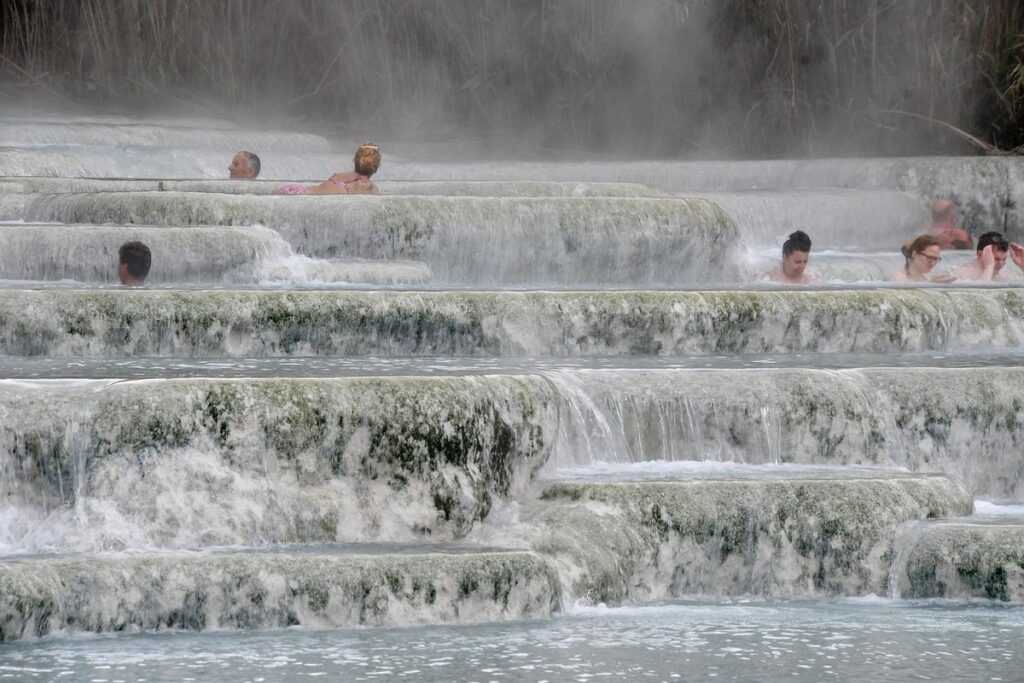
In contrast, visitors can also opt for a more down-to-earth experience at one of Italy’s many natural hot springs. The Terme di Saturnia in Tuscany, for instance, offers a serene atmosphere amidst stunning scenery. Its waters are rich in minerals and flow directly from the Earth, providing a truly authentic soak.
For travelers on a tighter budget or looking for an off-the-beaten-path adventure, some of Italy’s natural hot springs can be found in remote areas, such as the Salsomaggiore Terme in Emilia-Romagna. These locations often lack the frills but offer an immersive experience that immerses visitors in the country’s unspoiled landscapes and authentic culture.
Planning Your Hot Springs Trip: Essential Tips and Tricks
To make the most of your Italian hot springs getaway, it’s crucial to plan ahead, knowing which thermal baths to prioritize and when to visit for optimal relaxation. Researching beforehand will ensure a seamless trip.
When to Visit and How Long to Stay
The best time to visit Italy’s hot springs is a common query among travelers. The answer largely depends on what you’re looking for – tranquility, thermal water activities, or simply enjoying the scenery.
Weather-wise, the spring and autumn seasons (April-May and September-October) offer pleasant temperatures with minimal rainfall. These periods are ideal for hiking, exploring nearby towns, or taking leisurely strolls around the hot springs facilities.
If you’re interested in thermal water activities like swimming, soaking, or even mud baths, summer might be a better fit. However, be prepared for larger crowds and potentially higher prices during peak tourist season (June-August). On the other hand, if you prefer cooler temperatures and fewer visitors, consider visiting during winter months.
Some hot springs facilities remain open year-round, while others may have limited hours or seasonal activities like snowshoeing or guided winter hikes. Research the specific hot spring you’re interested in to plan accordingly.
Getting There and What to Pack
Italy’s hot springs are scattered throughout its regions, so plan accordingly. You’ll find most of them in Tuscany and Umbria, but there are also notable ones in Lazio and Campania.
For easy access to these natural wonders, you can rent a car or book a guided tour from nearby towns. Some popular transportation options include trains and buses, especially for those visiting the more accessible hot springs like Saturnia in Maremma. Keep in mind that rural roads can be narrow and winding; an experienced driver will make navigating these routes easier.
When packing for your Italian hot springs adventure, prioritize comfort over style. Bring a swimsuit, towel, and comfortable walking shoes or sandals with good grip. Many of Italy’s hot springs are located within scenic hiking trails, so having sturdy footwear is essential. Don’t forget to pack sunscreen, sunglasses, and a hat as you’ll likely be spending time outdoors before and after your soak.
In terms of essentials, it’s also wise to bring a refillable water bottle and a lightweight change of clothes in case you get wet from the thermal waters or decide to cool off with a nearby swim. Check local regulations regarding food and drink at the hot springs – some might have restrictions on outside items.
Hot Springs for Every Budget: Affordable Options in Italy
Looking for a relaxing soak without breaking the bank? This section highlights the best affordable hot springs in Italy, perfect for all budgets.
Budget-Friendly Hot Springs Resorts
If you’re looking for a budget-friendly hot springs experience in Italy, consider resorts and hotels that offer affordable packages. Agriturismo La Sorgente in Tuscany is one such option, with rooms starting from around €60 per night. This working farm offers agritourism accommodations and allows guests to participate in activities like olive harvesting.
Other budget-friendly options include masserie, traditional rural dwellings often converted into guesthouses or resorts. Masseria Montenapoleone in Puglia offers a range of amenities, including a restaurant, swimming pool, and hot tub, all for under €100 per night. Similarly, Agriturismo San Giorgio in Umbria provides comfortable rooms and access to shared facilities like a kitchen and lounge area.
When booking an affordable hot springs resort, consider factors like package deals, off-season stays, or group bookings. Many Italian agriturismos and masserias also offer all-inclusive packages that include meals and activities, which can be a cost-effective way to experience their amenities. Additionally, look for resorts with self-catering options to save on food costs.
Free or Low-Cost Hot Springs Experiences
In many parts of Italy, you can soak up the country’s natural beauty without breaking the bank. Free or low-cost hot springs experiences can be found at public bathhouses and natural hot springs scattered throughout the region. One example is Terme di Montegrotto, a sprawling thermal complex near Padua that offers free admission to its stunning gardens and pools. Visitors can lounge on the sun-kissed decks overlooking the surrounding countryside or take a leisurely stroll along the meandering pathways.
Another option is the Terme di Salsomaggiore, a historic spa town in Emilia-Romagna where you can soak in the thermal waters at a fraction of the cost of its more luxurious counterparts. For a truly immersive experience, head to the natural hot springs at Saturnia, where warm waters bubble up from beneath the earth’s surface and pour into a series of pools surrounded by lush greenery. While some of these experiences may not offer the same level of luxury as their pricier counterparts, they provide an authentic taste of Italy’s thermal heritage without the hefty price tag.
Safety First: Precautions to Take When Visiting Hot Springs
Before you soak your worries away, it’s essential to prioritize your safety at Italy’s natural hot springs by taking a few simple precautions. Be aware of your surroundings and follow local guidelines for a worry-free experience.
Health Risks Associated with Hot Springs Use
Using hot springs can pose several health risks if not approached properly. Bathers are particularly vulnerable to infections caused by bacterial, viral, and fungal contaminants present in the water. Pseudomonas aeruginosa is a common culprit, often found in poorly maintained or overused hot springs. This opportunistic pathogen can cause skin lesions, ear infections, and even life-threatening pneumonia.
Some individuals may also experience allergic reactions to various substances present in the water, such as sulfur compounds or minerals like silica. Symptoms range from mild rashes and itching to anaphylaxis, a potentially fatal condition that requires immediate medical attention. A small minority of people may be especially sensitive to these allergens due to pre-existing conditions.
To minimize risks when visiting hot springs in Italy, take precautions: shower before entering the pool area, as the natural bacteria on your skin can increase the risk of infection; avoid touching your face or eyes while bathing; and rinse off thoroughly after exiting the water. It’s also essential to choose reputable facilities with proper maintenance and sanitation practices in place.
Essential Safety Precautions for a Safe Visit
When visiting Italy’s natural wonders, hot springs safety should be a top priority. Following instructions is crucial when exploring these thermal baths. Pay attention to posted signs and guidelines provided by staff, as they are designed to protect you from potential hazards.
Hot spring water temperatures can range from 98°F to 104°F (36°C to 40°C), and prolonged exposure can cause dizziness, nausea, or even heat exhaustion. Listen to your body: if you start feeling unwell, remove yourself from the hot springs immediately. Don’t ignore initial discomfort; it’s better to err on the side of caution.
Before bathing, check with staff about any specific rules or restrictions for your chosen hot spring. Some may have varying temperature levels, restricted access for certain health conditions, or other unique guidelines. Be prepared to disclose any pre-existing medical conditions that might impact your experience.
Remember, safety should never be compromised for the sake of relaxation. Take regular breaks to cool off and hydrate between sessions, and avoid overexertion in the hot springs area. By following these essential precautions, you can minimize risks and have a rejuvenating experience amidst Italy’s breathtaking natural wonders.
Frequently Asked Questions
Can I visit hot springs in Italy with mobility issues?
You can still enjoy the hot springs in Italy with mobility issues. Many resorts and natural hot springs offer accessibility features such as ramps, lifts, or even wheelchair-accessible pools. It’s essential to research and contact the specific location before your visit to confirm their accommodations.
What if I experience any health issues after soaking in the hot springs?
If you experience any discomfort, pain, or other adverse reactions after soaking in the hot springs, seek medical attention immediately. Some common symptoms include dizziness, nausea, or skin irritation. Be sure to follow the guidelines and instructions provided by the hot spring staff and listen to your body’s signals.
How do I know if a luxury resort is worth the extra cost?
To determine if a luxury resort is worth the extra cost, consider factors such as the quality of amenities, treatment options, and overall atmosphere. Weigh these against your budget and priorities. If you value exclusivity, high-end services, or exceptional cuisine, a luxury resort might be the right choice for you.
What’s the difference between a public bathhouse and a natural hot spring?
A public bathhouse typically offers a more communal experience with multiple baths and facilities, whereas a natural hot spring often provides a more secluded, rustic atmosphere. Public bathhouses usually have amenities like showers, saunas, and relaxation areas, whereas natural hot springs might be more basic but offer an immersive, authentic experience.
Can I visit hot springs in Italy during the off-season?
Yes, you can still visit hot springs in Italy during the off-season (usually November to March). Some resorts may offer special promotions or discounts, while others might have reduced hours or services. Be sure to research and contact the location ahead of time to confirm their operating schedule and availability.

