
Making homemade refrigerator pickles is a game-changer for anyone who loves snacks, sides, or just wants to add some excitement to their meals. Not only are store-bought pickles filled with preservatives and artificial flavorings, but they also can’t be customized to your taste preferences. By making your own fridge pickles, you can control the level of crunchiness, sweetness, and spice to create a unique flavor profile that suits your mood or occasion. In this article, we’ll walk you through our step-by-step guide on how to make delicious homemade refrigerator pickles with customizable brine recipes. We’ll also share expert tips for achieving that perfect crunch and experimenting with different flavors, so by the end of it, you’ll be able to create your own signature pickle recipe and enjoy them fresh from your fridge in just a few days.
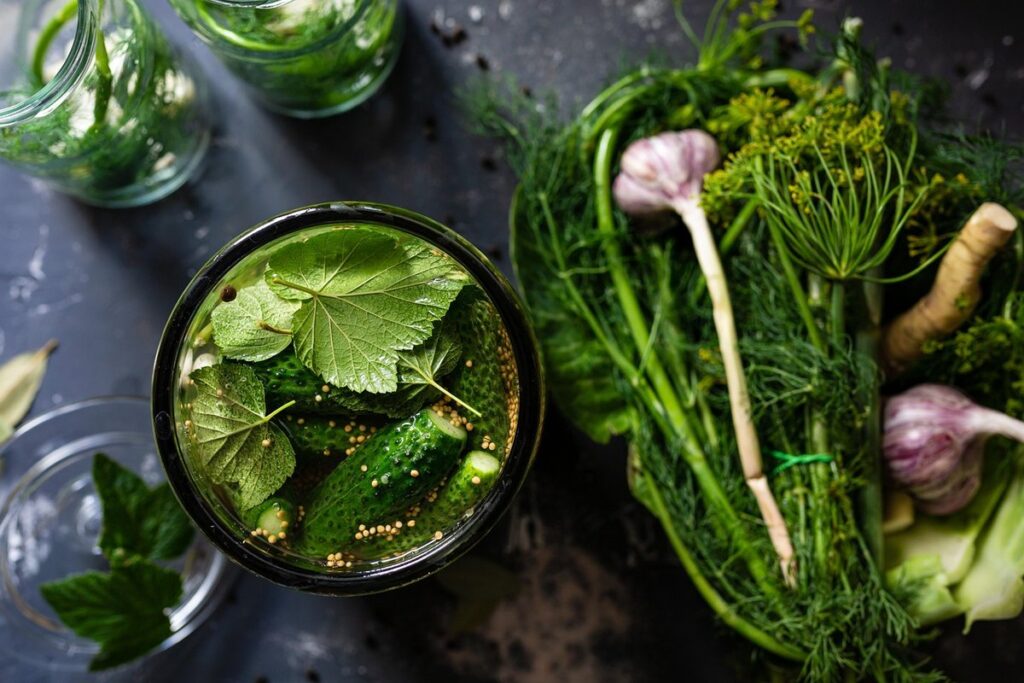
Choosing the Right Cucumbers
When selecting cucumbers for your homemade pickles, it’s crucial to choose a variety that is suitable for canning and has the right balance of acidity and sweetness. You’ll want to opt for a cucumber type known for its firmness and minimal seeds.
Factors to Consider When Selecting Cucumbers
When it comes to making delicious homemade refrigerator pickles, one of the most critical factors is selecting the right cucumbers. Freshness and crispness are essential for achieving the perfect balance of flavor and texture in your pickles.
Opting for fresh cucumbers can make a significant difference in the outcome. Look for firm, heavy cukes with no visible signs of soft spots or bruises. Avoid those with wrinkled skin, as they may be past their prime. You want to choose cucumbers that are typically around 4-6 inches long and have a bright, even green color.
When selecting cucumbers, also consider the variety. English or hothouse cucumbers tend to be more suitable for pickling due to their slender shape and fewer seeds. These varieties will yield better results in terms of texture and appearance. For best results, choose cucumbers that have been stored properly – ideally at a cool, dry place – to preserve their freshness and crunchiness. This simple yet crucial step sets the foundation for your homemade pickles’ success.
Common Types of Cucumbers for Pickling
When it comes to pickling, not all cucumbers are created equal. You’ll typically find three main types: slicing, pickling, and English cucumbers. Each has its own characteristics that make them more suitable for certain applications.
Slicing cucumbers are the ones you usually see in salads or sandwiches. They’re too large and have too much water content to be ideal for pickling. Their thick skin also makes it difficult to achieve the characteristic crunch of a good pickle. Stick with slicing cucumbers if you want to use them as a fresh ingredient, but they’re not your best bet for homemade refrigerator pickles.
Pickling cucumbers, on the other hand, are specifically bred for their small size and thin skin. They have less water content than slicing cucumbers, making them perfect for quick pickling in the fridge. Look for cucumbers that are about 4-6 inches long and have a firm, glossy appearance.
English cucumbers are similar to slicing cucumbers but with a thinner skin. While they’re not ideal for pickling either, you can use them as a substitute if you can’t find true pickling cucumbers. Just be aware that English cucumbers will add more water to your brine and may result in a slightly different texture.
Preparing the Brine
Now that you’ve got your cucumbers ready, it’s time to prepare the brine solution that will give them their signature tangy flavor and crunch. This crucial step involves mixing salt, water, and a few other magic ingredients.
Understanding the Role of Salt in Pickling
Salt plays a crucial role in pickling by inhibiting the growth of microorganisms on food. This is because salt raises the osmotic pressure within the cells, making it difficult for bacteria and yeast to multiply. When submerged in a brine solution, the high concentration of salt prevents these pathogens from thriving.
As salt affects the flavor and texture of pickles, it’s essential to strike a balance between preservation and taste. Using too little salt can lead to soft, under-seasoned pickles prone to spoilage. Conversely, an overabundance of salt can result in overly salty pickles that are unpalatable.
In practice, most recipes use a mixture of granulated salt and sometimes other seasonings like sugar or spices. For refrigerator pickling, using a ratio of at least 1:5 (one part salt to five parts water) is generally recommended to ensure the brine is sufficiently salty for preservation. This concentration also helps maintain a favorable balance between flavor and texture, preventing the development of off-flavors that can occur with under-salted or over-salted pickles.
Creating a Customizable Brine Recipe
To create a customizable brine recipe for your homemade refrigerator pickles, you’ll need a basic understanding of the ingredients involved. This typically includes water, vinegar (white, apple cider, or white wine), sugar, and spices such as salt, black pepper, dill seeds, and coriander.
For a standard brine, use 1 cup of sugar for every 4 cups of liquid. Adjust this ratio to your taste, keeping in mind that too little sugar can result in under-seasoned pickles, while too much can make them overly sweet. When it comes to spices, consider adding a pinch of red pepper flakes for some heat or a few sprigs of fresh dill for added flavor.
Customize your brine recipe by incorporating ingredients like garlic, mustard seeds, or bay leaves to suit individual tastes. For example, if you prefer a tangy pickle, increase the vinegar ratio or add a splash of lemon juice. If you’re aiming for a milder taste, reduce the amount of sugar and spices accordingly. By experimenting with different combinations, you can create unique flavor profiles that complement your favorite dishes.
Making the Pickling Solution
To make a great batch of homemade refrigerator pickles, you’ll need to mix together a salty brine solution that’s specifically tailored for this recipe. Let’s get started on making the pickling liquid by combining salt, water, and other essential ingredients.
How to Make a Spiced Vinegar Solution
To give your homemade refrigerator pickles an extra boost of flavor, you’ll need to make a spiced vinegar solution. This is where things get interesting, as you can customize the spice blend to suit your taste preferences. For a classic combination, start by mixing 1/4 cup of white vinegar with 2 tablespoons of water. Next, add 1 teaspoon of mustard seeds, 1/2 teaspoon of coriander seeds, and 1/4 teaspoon of dill seeds.
You can also add other spices to create unique flavor profiles. Consider adding a pinch of red pepper flakes for a spicy kick or a few cloves for a more aromatic taste. Simply let the mixture steep for at least 30 minutes before straining it through a fine-mesh sieve into a clean glass bottle. Store this spiced vinegar solution in the refrigerator and use it as needed to add depth and complexity to your homemade pickles. Keep in mind that this solution will mellow out over time, so feel free to adjust the spice level to suit your taste preferences. This is a great opportunity to experiment with different flavor combinations.
Tips for Achieving the Perfect Balance of Flavors
Achieving a perfect balance of acidity, sweetness, and spice levels is crucial for creating delicious homemade refrigerator pickles. A well-balanced flavor profile will enhance the natural taste of your vegetables, while an unbalanced one can result in overpowering or unpleasant flavors.
To strike this balance, consider the type of pickling liquid you’re using. Vinegar-based solutions typically rely on acidity to preserve and add flavor, while sweeteners like sugar or honey contribute a rich, caramelized taste. Spice levels also play a significant role, as too little can result in bland pickles and too much can overwhelm other flavors.
When adjusting the balance of your pickling solution, start by tasting small batches as you go. This will allow you to identify areas where adjustments are needed without committing to an entire batch. For example, if you find your pickles too sour, add a bit more sugar or honey to compensate. Conversely, if they’re too sweet, reduce the amount of sweetener and balance with a pinch more salt or spices. By regularly tasting and adjusting your pickling liquid, you’ll develop a keen sense for achieving that elusive perfect balance in your homemade refrigerator pickles.
Canning vs. Refrigerator Pickling
When it comes to preserving your pickles, you have two main options: canning for long-term storage and refrigerator pickling for a quicker, low-maintenance alternative. We’ll explore the key differences between these methods next.
The Benefits and Drawbacks of Refrigerator Pickling
Refrigerator pickling is a more accessible and forgiving method for beginners compared to canning. This is because it doesn’t require a deep understanding of water bath canning procedures, acidity levels, or pressure canning equipment. With refrigerator pickling, you simply create the brine mixture, pack the vegetables in jars or containers, and store them in the fridge.
One significant benefit of refrigerator pickling is the ability to use less sugar than traditional canning methods. Since the pickles are stored in the refrigerator and not cooked, the natural flavors and textures of the vegetables remain intact. You can opt for a more balanced flavor profile by reducing or even eliminating added sugars altogether. For instance, you could try using honey or maple syrup for a touch of sweetness.
Easier storage is another advantage of refrigerator pickling. Unlike canned goods, which must be stored in a cool, dark place to prevent spoilage, refrigerator pickles are simply refrigerated at a consistent temperature. This makes it easier to manage your pantry space and ensures that you can enjoy your homemade pickles whenever you like.
Safety Precautions for Refrigerator Pickling
To ensure the safety of your homemade refrigerator pickles, it’s crucial to maintain proper acidity levels. This is typically achieved by using a vinegar-based brine, with most recipes calling for a 5% acidity level. You can check the acidity level by using pH test strips or a pH meter, but a more straightforward approach is to use a recipe that includes a pre-determined amount of vinegar.
Another essential safety precaution is to use clean equipment when making your pickles. This means washing your hands thoroughly before handling any food, as well as sanitizing all utensils and containers that come into contact with the pickling liquid or vegetables. You should also make sure that your refrigerator is at a consistent temperature between 39°F and 41°F (4°C and 5°C), which will slow down bacterial growth and help prevent spoilage.
To further minimize the risk of foodborne illness, it’s essential to store your pickles in an airtight container, keeping them away from direct sunlight and heat sources. By following these simple guidelines, you can enjoy your homemade refrigerator pickles while minimizing the risk of contamination.
Tips for Achieving Crispness in Homemade Pickles
To get that perfect crunch, achieving crispness is all about mastering a few key techniques and tweaking your recipe to suit your taste. Let’s look at some game-changing tips for making pickle perfection.
Factors Affecting Texture and Crunchiness
When pickling vegetables, several factors influence their texture and crunchiness. Salt content plays a crucial role; high salt concentrations can cause veggies to become soft and soggy due to increased water absorption. Conversely, using too little salt may result in under-pickled items that retain their initial firmness but lack flavor.
Acidity levels also impact texture. Vinegar’s acidity helps preserve pickles by creating an environment inhospitable to bacterial growth, but excessive acidity can lead to a soft or mushy texture. A balanced acidity level is essential for maintaining crunchiness.
Temperature and time are additional factors affecting pickle texture. Leaving pickles at room temperature for too long can cause them to become soft due to enzymatic activity. On the other hand, refrigeration slows down this process, allowing pickles to retain their crunchiness for a longer period. Typically, it takes 24-48 hours for vegetables to develop optimal crunchiness after being submerged in brine.
To maintain crunchiness and avoid sogginess, monitor your pickling liquid’s acidity level and adjust as needed. Regularly checking on the pickles during the initial stages of fermentation will help you prevent over-acidification or under-pickling.
How to Enhance Flavor and Prevent Overpowering Spices
When adding complementary spices, herbs, or sweeteners, consider the flavor profile you want to achieve. For a classic dill pickle, a pinch of caraway seeds can enhance the freshness without overpowering the dill. Similarly, a small amount of brown sugar can balance out the acidity and add depth.
Experiment with different combinations to find the perfect harmony for your taste buds. For example, coriander pairs well with mustard seeds in an Indian-inspired pickle, while a sprig of fresh mint adds a bright note to a Middle Eastern-style pickle.
To prevent overpowering flavors, start with small amounts and adjust to taste. Some spices, like cumin or cinnamon, can quickly dominate the palate, so use them sparingly. A good rule of thumb is to balance strong flavors with milder ones. If you’re using a bold spice, pair it with something neutral like garlic or onion for contrast.
In general, it’s better to err on the side of caution and add more flavor later than overpowering your pickles upfront. Taste as you go and make adjustments accordingly, so you can achieve a balanced flavor that complements the natural sweetness of the vegetables.
Advanced Techniques for Customizing Your Pickles
Now that you’ve mastered the basics of making homemade refrigerator pickles, it’s time to take your creations to the next level with advanced techniques and unique flavor combinations. Let’s experiment with spice blends and seasonings to elevate your pickle game.
Experimenting with Fermentation and Lacto-Fermentation
Lacto-fermentation is a process where natural bacteria on the vegetables ferment the sugars, creating lactic acid and preserving the pickles. This method has numerous benefits, including enhanced flavor, improved digestion, and increased nutritional value. The process involves allowing the pickles to sit at room temperature for 3-5 days, allowing the beneficial bacteria to develop.
During this time, the pickles will start to bubble and release carbon dioxide gas. This is a sign that the fermentation process is underway. Once the desired level of sourness is achieved, the pickles can be transferred to the refrigerator to slow down the fermentation process.
To apply lacto-fermentation to your homemade refrigerator pickles, you can experiment with different techniques, such as using a fermentation vessel or adding a weight to keep the vegetables submerged under their own juices. This will help prevent mold from growing and ensure that the beneficial bacteria have access to all areas of the pickles. By incorporating lacto-fermentation into your pickle-making routine, you can create more complex and tangy flavors while preserving the natural goodness of your homemade refrigerator pickles.
Adding Fresh Herbs or Spices for Unique Flavors
When incorporating fresh herbs into your homemade pickle recipes, consider using dill, parsley, or basil to create a bright and refreshing flavor. Dill, in particular, pairs well with cucumbers and can be used in place of or in addition to traditional pickle spices. For example, try adding a handful of chopped fresh dill to your brine for an extra boost of flavor.
To experiment with unique spice combinations, think about the flavors you enjoy in other dishes. For instance, if you like Indian cuisine, try adding cumin and coriander to your pickling liquid for a warm, aromatic flavor. Similarly, if you prefer Mediterranean flavors, add oregano and thyme for a savory taste.
You can also use different types of chili peppers or hot sauce to add heat to your pickles. Experiment with small batches and adjust the amount of spice to your liking. Consider adding fresh ginger or garlic to enhance the flavor profile. The key is to balance bold flavors with acidity from vinegar, so don’t be afraid to try new combinations to find what works best for you.
Frequently Asked Questions
Can I use store-bought vinegar instead of making my own spiced vinegar solution?
Yes, but keep in mind that using store-bought vinegar may affect the flavor and balance of your pickles. Homemade spiced vinegar solution allows for a customizable blend of spices, which can add depth and complexity to your pickles.
How long do homemade refrigerator pickles typically last in the fridge, and what are some signs they’ve gone bad?
Homemade refrigerator pickles generally last 6-8 weeks when stored properly. Signs that they have gone bad include off smells, slimy texture, or mold growth. Regularly check your pickles for these indicators to ensure food safety.
What if I accidentally add too much salt to the brine – can it be adjusted later?
While it’s not ideal, you can try diluting the brine with water to adjust the salt level. However, this may affect the overall flavor and texture of your pickles. To avoid over-salting, measure ingredients carefully and consider making a small batch before scaling up.
Can I make homemade refrigerator pickles without a thermometer – how will I know if they’re acidic enough?
While it’s not recommended to skip acidity testing entirely, you can use the “smell test” as an indicator. Pickles with high acidity levels should have a sharp, tangy smell. If your pickles don’t pass this test or show signs of spoilage, recheck your brine recipe and adjust accordingly.
What’s the best way to preserve the crunchiness of my homemade pickles – can I use any specific container or storage method?
To maintain crunchiness, store your pickles in a shallow, wide-mouthed container (such as a glass jar with a tight-fitting lid) to allow for air circulation. Keep them refrigerated at a consistent temperature below 40°F (4°C).

