
Making the switch to homemade dishwasher detergent is a simple yet effective way for you to reduce your environmental impact and save money on laundry costs. Many commercial detergents contain harsh chemicals that can harm both people and the planet, but natural ingredients like washing soda and baking soda are just as effective at cleaning dishes without putting the environment at risk. By making your own dishwasher detergent from scratch, you’ll not only be reducing chemical exposure in your home, but also cutting down on packaging waste and saving money on expensive store-bought brands. This article will show you how to create a cost-effective and eco-friendly homemade dishwasher detergent using natural ingredients that’s just as effective as its commercial counterpart, allowing you to save money and live more sustainably by the time you finish reading.
Benefits of Making Your Own Dishwasher Detergent
Making your own dishwasher detergent can not only save you money, but it’s also a great way to reduce your environmental impact and eliminate harsh chemicals from your home. Let’s explore the benefits of this simple switch!
Reducing Chemical Exposure
Commercial dishwasher detergents often contain a cocktail of harsh chemicals that can have detrimental effects on humans, pets, and the environment. These toxins can seep into waterways, contaminating aquatic life and potentially harming those who consume fish or shellfish from affected areas.
Some common culprits include phosphates, which contribute to algae blooms that deplete oxygen levels in water, and chlorine-based bleaches, which release toxic byproducts during washing cycles. When used regularly, these chemicals can accumulate in the body, increasing the risk of respiratory problems, skin irritation, and other health issues.
By making your own dishwasher detergent, you can significantly reduce exposure to these toxins. A simple recipe using washing soda, baking soda, and natural enzymes is a safer alternative to commercial detergents. These ingredients work together to break down food residue without releasing harsh chemicals into the environment.
When shopping for alternatives, look for products labeled as “phosphate-free” or “biodegradable.” Consider your local water quality and adjust your recipe accordingly. For example, if you live in an area with soft water, you may need to increase the washing soda concentration to maintain effective cleaning power.
Saving Money on Laundry Costs
Making your own dishwasher detergent can also save you money on laundry costs. Commercial detergents often contain optical brighteners, which are chemicals that make clothes appear brighter and whiter by reflecting light. These chemicals can be washed off onto your clothes during the wash cycle and may cause colors to fade faster.
A common example of a homemade dishwasher detergent recipe includes washing soda, baking soda, and borax. The estimated cost for this recipe is around $1.50 per batch, which can last for 20-30 loads. In contrast, many commercial dishwasher detergents can range from $10 to $15 per bottle, with each load costing around $0.25-$0.35.
By using your homemade detergent in both the washing machine and dishwasher, you can potentially save up to 50% on laundry costs compared to buying commercial products. This saving is due not only to the lower cost of ingredients but also because you’re avoiding the unnecessary wash-off of optical brighteners onto your clothes.
Environmental Impact of Mass Production
Mass-produced dishwasher detergents generate a substantial amount of waste through packaging. Plastic containers and cardboard boxes used for these products contribute to landfill waste and are often not recyclable. The production process itself also consumes significant resources, including energy, water, and raw materials like petroleum-based chemicals.
In addition to packaging waste, the manufacturing of mass-produced detergents leads to chemical pollution in various forms. Toxic chemicals like sodium lauryl sulfate (SLS) and triclosan have been linked to environmental harm, contaminating soil and waterways when not disposed of properly. Furthermore, these chemicals can also affect aquatic life.
The extraction and processing of raw materials used in mass-produced detergents often involve deforestation, water pollution, and soil degradation. For instance, the production of sodium tripolyphosphate (STPP), a common ingredient in many commercial detergents, has been associated with environmental damage due to its impact on aquatic ecosystems.
By making your own dishwasher detergent at home, you can significantly reduce your contribution to these environmental concerns.
Choosing the Right Ingredients for Your Detergent
When making homemade dishwasher detergent, selecting the right ingredients is crucial for effectiveness and safety. This section guides you through the essential components to include in your recipe.
Understanding the Role of Washing Soda
Washing soda, also known as sodium carbonate, is a natural mineral-based ingredient often used in homemade dishwasher detergent recipes. Its primary purpose is to act as an alkaline agent, helping to remove grease and food residue from dishes. It’s particularly effective at breaking down tough stains and odors.
To use washing soda safely, it’s essential to handle it carefully, as it can cause skin irritation if not handled properly. You can find washing soda in most grocery stores or online retailers that sell household cleaning supplies. Be sure to check the label for its chemical composition to ensure it’s 100% sodium carbonate.
If you’re unable to find washing soda or prefer a more readily available alternative, borax (sodium tetraborate) is sometimes used as a substitute in homemade detergent recipes. However, keep in mind that borax can be less effective at removing grease and stains compared to washing soda. Some users also report a slight residue buildup when using borax. Always research the specific ratio of ingredients and potential side effects before making any substitutions or adjustments.
The Importance of Baking Soda
Baking soda plays a crucial role in homemade dishwasher detergent as an abrasive agent, helping to remove food residue and stains from dishes. Its benefits extend beyond just cleaning power – baking soda is also a natural pH balancer, which helps to maintain the optimal water pH required for effective cleaning. This ensures that your dishwasher’s rinse aid and heating elements function correctly.
When choosing a type of baking soda for use in homemade detergent, look for an odorless, pure sodium bicarbonate powder. Some types of baking soda may contain additives or be designed for specific purposes (like cooking or personal care), which can affect their performance as a cleaning agent. A 1:1 ratio with washing soda is often recommended for most recipes, but this may need to be adjusted depending on your water’s mineral content and the type of dishes being washed.
While baking soda is generally gentle on surfaces, excessive use can lead to buildup over time, which may affect the performance of your dishwasher. To mitigate this risk, consider reducing the amount used in your recipe or incorporating additional abrasives, such as citric acid, for a more balanced formula. This balance will help maintain optimal cleaning results while minimizing potential drawbacks.
Optional Additives for Customization
You can add a touch of personalization to your homemade dishwasher detergent by incorporating optional additives. These ingredients can enhance the performance, scent, or both of your custom formula.
One popular option is essential oils, which provide a pleasant aroma without leaving behind any harsh chemical residues. Choose from various scents like lavender, lemon, or eucalyptus, and use them according to the manufacturer’s guidelines for usage rates in cleaning products. Some people also find that tea tree oil has antimicrobial properties beneficial for maintaining cleanliness.
Citric acid is another versatile additive that can help adjust pH levels or act as a natural preservative. It’s commonly used in combination with washing soda to create a balanced formula. Borax, an alternative to washing soda, can also be used in small quantities to aid in water softening and improve cleaning efficiency.
When experimenting with these additives, remember that their effects might vary depending on your local water quality, dishwasher model, or personal preferences. Start by using the recommended amounts and adjust as needed to avoid any adverse reactions.
Preparing Your Homemade Dishwasher Detergent
To get started on making your own homemade dishwasher detergent, you’ll need to mix together a few simple ingredients and follow some basic instructions. This will ensure your mixture is effective and safe for use in your dishwasher.
Basic Recipe: A Simple Starter Formula
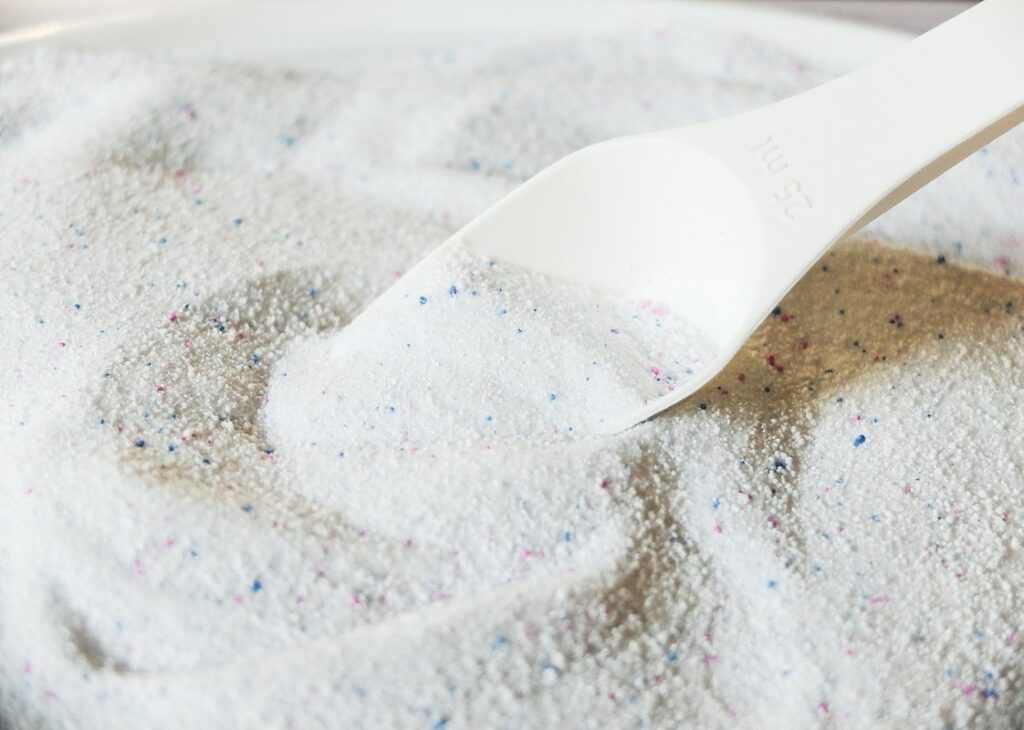
To make a simple starter formula for homemade dishwasher detergent, start by mixing 1 cup of washing soda with 1 cup of borax. Add 2 tablespoons of baking soda and 10 drops of an essential oil (optional) to the mixture. Stir until well combined. This basic recipe makes approximately 4 cups of detergent, which is enough for about 40 loads.
When mixing the ingredients, make sure to wear gloves to avoid skin irritation from the washing soda and borax. Also, avoid inhaling the powder, as it can cause respiratory issues. Store the detergent in an airtight container to maintain its potency and prevent moisture absorption.
For optimal performance, use this recipe with a dishwasher that uses a standard wash cycle. If your dishwasher has a different cycle or features, such as steam cleaning, you may need to adjust the ratio of ingredients accordingly. Keep in mind that homemade detergent may not produce the same level of foam as commercial products, but it will still effectively clean dishes.
To maintain consistency in the detergent’s quality, make small batches (about 2 cups) and store them separately from larger quantities. This helps prevent clumping and ensures a steady supply for your dishwasher.
Customizing Recipes Based on Personal Needs
When preparing your homemade dishwasher detergent, you may need to make adjustments based on your water type. If you live in an area with hard water, you’ll want to add more washing soda or use a higher ratio of washing soda to baking soda. This will help counteract the minerals present in hard water and ensure effective cleaning.
On the other hand, if you have soft water, you may find that your detergent is too harsh. In this case, reducing the amount of washing soda or using a lower ratio can help balance out the formula.
Another factor to consider is your dishwasher model. Some machines are designed to work with high-concentration detergents, while others require low-concentration formulas. If you’re unsure about your machine’s requirements, consult your user manual or manufacturer’s guidelines.
You may also want to adjust the scent or ingredient content of your detergent based on personal preference. For example, if you prefer a fragrance-free option, simply omit the essential oils from the recipe. Alternatively, if you’d like to add a customized scent, try using different essential oils in varying concentrations.
Safety Precautions and Tips for Use
Before making your homemade dishwasher detergent, it’s essential to follow proper safety precautions to avoid any potential harm. This section outlines the necessary guidelines and tips for safe use.
Handling Ingredients Safely
When working with ingredients for homemade dishwasher detergent, it’s essential to prioritize handling safety. Start by wearing protective gear: gloves to prevent skin irritation and goggles to shield your eyes from potential splashes. If you have long hair, consider tying it back to avoid accidental powder contact.
Store your ingredients in a well-ventilated area, away from direct sunlight and heat sources. Washing soda and baking soda can be particularly hazardous when mixed with moisture or exposed to high temperatures. Keep the container lids tightly sealed and label them clearly for easy identification.
When measuring out ingredients, use a scoop or spoon to minimize dust creation. Avoid inhaling powder particles, as they can irritate your lungs. If you experience any discomfort or allergic reactions after handling ingredients, discontinue use immediately and consult a medical professional.
To prevent cross-contamination, maintain separate storage areas for active ingredients and finished detergents. Regularly clean and inspect your workspace to ensure safe working conditions. This will help minimize the risk of accidents and allow you to work efficiently with confidence.
Using Your Homemade Detergent Effectively
When using your homemade dishwasher detergent, it’s essential to get the measurement right. A general rule of thumb is to use 1-2 tablespoons per load, but you may need to adjust this depending on the size of your dishes and the water hardness in your area. To avoid over-dosing, start with a smaller amount and increase as needed.
To ensure optimal performance, it’s also crucial to use the correct dosage for different types of loads. For example, heavily soiled dishes or pots and pans may require more detergent than lighter loads. If you’re unsure, try using the “1 tablespoon per cycle” rule for tougher jobs.
When troubleshooting common issues with your homemade detergent, check the following:
• Check the rinse aid dispenser: Make sure it’s filled with a commercial rinse aid or a mixture of 50% white vinegar and 50% water.
• Adjust the detergent dosage: If you’re experiencing residue buildup or poor cleaning, try reducing the amount of detergent used per cycle.
• Inspect your dishwasher filter: A clogged filter can affect the performance of your homemade detergent. Clean it regularly to ensure optimal results.
By following these tips, you’ll be able to use your homemade dishwasher detergent effectively and maintain a sparkling clean dishwasher.
Troubleshooting Common Issues with Homemade Dishwasher Detergent
Don’t worry, we’ve all been there: your homemade dishwasher detergent isn’t cleaning as well as you’d like. Let’s tackle some common issues and get those dishes sparkling again!
Problems with Foaming or Residue Buildup
Excessive foaming can be a problem with homemade dishwasher detergent. This is often due to an imbalance of surfactants, which are soap-like compounds that reduce surface tension and allow water to penetrate food residue more easily. Washing soda, a common ingredient in these recipes, can contribute to excessive sudsing if used in excess. To prevent this issue, try reducing the amount of washing soda or substituting it with a smaller quantity of kosher salt.
Another common problem is residue buildup, which can be caused by an insufficient rinsing action or inadequate water temperature. If you notice a film forming on your dishes after running a cycle, check that your dishwasher’s rinse aid dispenser is filled and functioning properly. You may also need to adjust the amount of borax in your recipe, as this ingredient helps to soften water but can leave residue if used excessively.
A good starting point for addressing these issues is to experiment with different ratios of surfactants to other ingredients. For example, try increasing the proportion of baking soda or adding a small amount of white vinegar to help balance out the formula. Keep in mind that every household’s water and dishwasher combination is unique, so it may take some trial and error to find the right balance for your specific situation.
Maintaining Optimal Performance Over Time
To maintain optimal performance over time, it’s essential to store your homemade dishwasher detergent properly. Keep the detergent in an airtight container, such as a glass jar with a tight-fitting lid, to prevent moisture and air from affecting its consistency. Store the container in a cool, dry place, away from direct sunlight.
Regularly rotating your homemade detergent can also help maintain its effectiveness. If you notice a decrease in performance or an increase in residue buildup, try switching to a different batch of detergent. This can be especially helpful if you’re using a customized recipe that incorporates optional additives.
Over time, the pH levels and concentration of your homemade detergent may change due to natural chemical reactions between the ingredients. Re-formulate your detergent as needed by re-measuring the ingredients or adjusting the proportions. Some common signs that it’s time for a re-formulation include noticeable changes in water temperature effects, increased sudsing, or persistent residue buildup on dishes.
A good rule of thumb is to start with a fresh batch every 2-3 months and reassess its performance before continuing use. By following these simple tips, you can ensure your homemade dishwasher detergent continues to perform optimally and remains a reliable alternative to commercial detergents.
Frequently Asked Questions
Can I Use This Homemade Detergent in an HE (High Efficiency) Dishwasher?
Yes, the homemade detergent recipe can be adapted for use in HE dishwashers by adjusting the washing soda content and using a small amount of liquid rinse aid. However, it’s essential to note that some HE models may require specific detergents, so consult your dishwasher’s user manual for guidance.
How Do I Know If My Homemade Detergent is Causing Residue Buildup in My Dishwasher?
Check the manufacturer’s guidelines for acceptable residue levels and monitor your dishwasher’s performance. If you notice excessive buildup or poor cleaning results, adjust the detergent recipe by increasing the baking soda content or using a smaller amount of washing soda.
What If I Don’t Have Washing Soda; Can I Use Baking Soda Alone?
While baking soda can be used as a substitute in emergency situations, it may not provide optimal cleaning performance. Consider purchasing washing soda for better results or explore alternative recipes that rely on baking soda and other ingredients. Keep in mind that using only baking soda might lead to reduced cleaning efficacy.
Can I Make a Smaller Batch of Homemade Detergent for Trial Purposes?
Yes, you can make a smaller batch by halving the recipe’s quantities. This allows you to test your homemade detergent without committing to larger batches. Store any leftover detergent in an airtight container and use it within a reasonable timeframe to ensure optimal effectiveness.
How Do I Adapt My Homemade Detergent Recipe for Different Water Types (Hard or Soft)?
To account for varying water hardness, adjust the washing soda content accordingly. For hard water, increase the washing soda amount by 1-2 tablespoons per recipe batch. Conversely, reduce the washing soda in soft water areas to avoid excessive sudsing. Monitor your dishwasher’s performance and adjust the recipe as needed based on your specific water conditions.

