
Making homemade chicken broth from scratch can be a game-changer for anyone looking to upgrade their cooking. Store-bought broths are often high in sodium and preservatives, but by making your own you can control exactly what goes into it. This means using high-quality ingredients that suit your dietary needs and preferences, rather than relying on processed options. With just a few simple steps and some basic pantry staples, you can create a rich, flavorful broth that elevates all sorts of dishes from soups to sauces. In this comprehensive guide, we’ll walk through the process of making homemade chicken broth, including tips for selecting the best ingredients and achieving a clear, nutritious final product. By the end of it, you’ll be able to make your own healthier, more flavorful homemade chicken broth with ease.
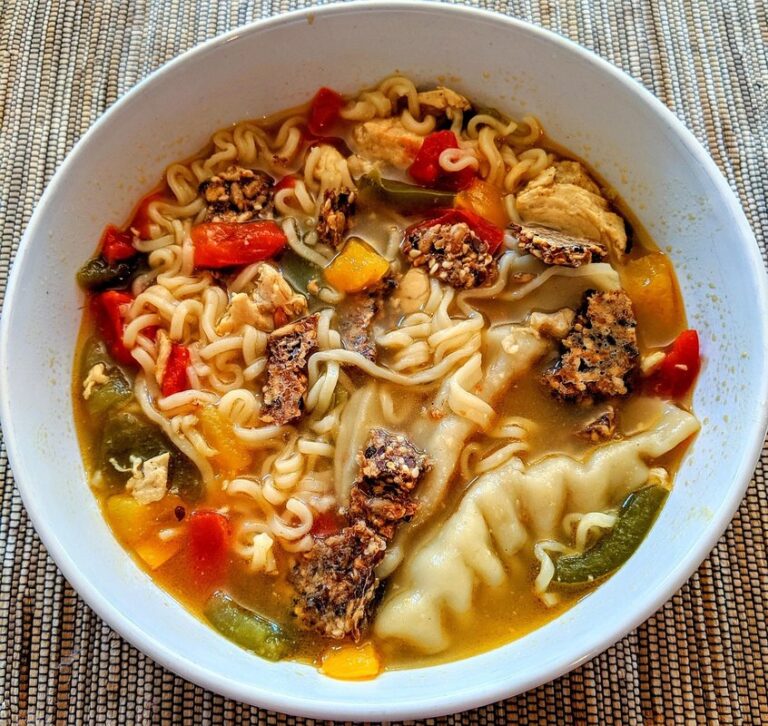
Benefits of Making Your Own Chicken Broth
Making your own chicken broth at home is a game-changer for any home cook, offering numerous benefits that elevate your cooking and health. Let’s explore the advantages of ditching store-bought broth and making it from scratch instead.
Why Store-Bought Broth Falls Short
When you reach for a store-bought carton of chicken broth, it’s often because of convenience. However, the ingredients and additives used to extend shelf life can make these products less desirable than making your own from scratch.
One major issue with commercial broths is their high sodium content. A single serving of some popular brands can contain upwards of 900 milligrams of salt, which is more than a third of the recommended daily intake for adults. This excessive sodium can be particularly problematic for those on low-sodium diets or managing conditions like hypertension.
Another concern is the presence of preservatives and additives, such as MSG, sodium nitrite, and BHT. These substances are added to enhance flavor and extend shelf life but may also have negative health effects in large quantities. Making your own chicken broth allows you to avoid these unwanted ingredients altogether, giving you greater control over what goes into your food.
Customization and Cost-Effectiveness
When you make your own chicken broth from scratch, you have complete control over the quality and quantity of ingredients used. This means you can choose to use organic vegetables, grass-fed bones, and free-range chicken, ensuring a broth that’s both nutritious and toxin-free. On the other hand, store-bought broths often rely on preservatives and additives to extend shelf life.
Another significant benefit is cost-effectiveness. While it may seem counterintuitive, making your own broth can be more economical in the long run. A small pack of bones can yield multiple batches of broth, whereas buying individual containers of broth from the store adds up quickly. For example, a 2-gallon batch of homemade broth costs approximately $5 to make, which works out to about $0.25 per cup.
In contrast, commercial broths can range from $3 to $6 per quart, making homemade broth a more budget-friendly option for frequent users. By investing in a few basic ingredients and some quality bones, you can enjoy a steady supply of fresh, healthy broth without breaking the bank.
Choosing the Right Ingredients
When making homemade chicken broth, selecting the right ingredients can make all the difference in flavor and quality. A good starting point is to choose organic, free-range chickens for the best taste.
Selecting Fresh Poultry Bones
When selecting fresh poultry bones for homemade chicken broth, it’s essential to choose high-quality options that will yield maximum flavor and nutritional value. You can opt for either raw or cooked bones, depending on your personal preference and the desired outcome.
For raw bones, look for those from organic or free-range sources, as they tend to have a more robust flavor profile. Consider using a combination of necks, backs, and wings for a richer broth. If you’re unable to find fresh raw bones, you can also use frozen ones, but be sure to thaw them before use.
Cooked bones are another option, often obtained from rotisserie chickens or leftover roasted poultry. These bones have already been broken down during cooking, making it easier to extract the collagen and minerals into your broth. However, cooked bones may impart a slightly different flavor profile compared to raw ones. Regardless of which type you choose, make sure they’re free of any added preservatives or seasonings that might compromise the broth’s quality. When in doubt, always check with your butcher or local market for fresh, high-quality options.
Aromatics and Flavor Enhancers
Aromatics like onions, carrots, and celery are staples in many broths because they add depth and complexity to the flavor profile. When choosing these ingredients, consider using a mix of sweet and savory aromatics to balance out the flavors. For example, pairing a mellow onion with a few sprigs of fresh thyme can create a rich, earthy flavor.
Bay leaves are another ingredient that can add depth to your homemade broth. These leaves have a mild, slightly bitter flavor that pairs well with chicken. To use bay leaves effectively, be sure to add them early in the cooking process and remove them before serving. Typically, you’ll want to add 2-3 leaves per quart of broth.
Peppercorns can also enhance the flavor of your homemade broth. Use black or green peppercorns for a more subtle flavor or white peppercorns for a slightly spicy kick. As with bay leaves, add peppercorns early in the cooking process and remove them before serving to avoid overpowering the other flavors in your broth.
The Roasting Process
Now that we’ve got our bones and scraps ready, it’s time to break down those raw ingredients through a process called roasting, which is essential for extracting flavors.
Benefits of Browning Bones
Browning bones before making broth may seem like an extra step, but it offers numerous benefits. The process, also known as “caramelization,” enhances the flavor and color of the final product. This is because the Maillard reaction, a chemical reaction between amino acids and reducing sugars, occurs when bones are exposed to high heat. The resulting compounds add depth and richness to the broth.
In addition to flavor enhancement, browning bones also improves their nutritional profile. During this process, some of the collagen in the bones breaks down into gelatin, which is then extracted during simmering. This gelatin is an excellent source of protein and can help improve joint health. Furthermore, the caramelization reaction increases the bioavailability of minerals like calcium and magnesium.
To reap these benefits, it’s essential to brown your bones properly. Heat them in a pan over medium-high heat until they’re nicely browned on all sides, then add aromatics and proceed with making your broth as usual. A darker-colored broth is not only more flavorful but also indicates that the Maillard reaction has occurred, ensuring the nutritional benefits of browning are preserved.
Tips for Even Roasting
Achieving evenly roasted bones is crucial for a rich and flavorful homemade chicken broth. To start, preheat your oven to 400°F (200°C), as this temperature allows for even browning without burning the surface of the bones.
For timing, aim to roast the bones for about 30-40 minutes per pound, depending on their size and density. However, keep a close eye on them during the last 10-15 minutes, as overcooking can lead to bitter flavors in your broth. To check if the bones are roasted enough, look for a deep golden brown color and a slightly caramelized texture.
It’s also essential to rotate the baking sheet halfway through the roasting process. This ensures even heat distribution and prevents some areas from becoming too dark or burnt. You can also roast the bones in batches if you have a large quantity, as this allows for more manageable portions and easier monitoring of their progress.
The Simmering Process
Now that you’ve gathered your ingredients and chopped up those vegetables, it’s time to focus on the longest step: simmering your chicken broth for optimal flavor. This section will walk you through the process of bringing out the best in your homemade broth.
Essential Cooking Times and Temperatures
A minimum internal temperature of 165°F (74°C) is essential to kill bacteria and ensure food safety. However, reaching this temperature doesn’t guarantee optimal flavor extraction from your broth ingredients. For a rich, full-bodied chicken broth, it’s crucial to cook the bones at a lower temperature for an extended period.
For white or light-colored bones, such as breast or wing tips, a moderate simmer of 140-150°F (60-65°C) is sufficient for 24-48 hours. This gentle heat will break down the proteins and extract collagen without scorching the surface of the bones. Darker meat like thighs or necks require a slightly higher temperature, around 160-170°F (71-77°C), to achieve the same results.
It’s also essential to note that the cooking time can vary depending on your personal preference for body and flavor intensity. Some cooks prefer their broth clear and light, while others prefer it rich and gelatinous. In general, longer cooking times will result in a more intense broth. If you’re short on time, consider using a pressure cooker or Instant Pot to reduce the cooking time without sacrificing too much flavor.
Common Issues and Troubleshooting Tips
Foam formation is a common issue during simmering. It’s caused by the release of proteins and collagen from the bones, which then coagulate on the surface of the liquid. To prevent or reduce foam, you can skim it off as it forms or use a paper towel to absorb excess fat and protein particles. Another solution is to add a small amount of acidity, such as lemon juice or vinegar, to help break down proteins.
Undercooked bones can lead to an incomplete extraction of collagen and minerals. To avoid this, ensure that your bones are properly roasted before simmering them. Roasting helps to caramelize the surface of the bones, making it easier for their contents to release into the liquid during cooking. Alternatively, you can also add a small amount of apple cider vinegar or wine to the pot, as these acidic ingredients will help break down connective tissue and promote mineral extraction. By taking these precautions, you’ll end up with a rich and flavorful broth that’s packed with nutrients.
Seasoning and Storage
Now that you’ve made your homemade chicken broth, it’s time to add flavor and preserve it for later use. Proper seasoning and storage techniques will ensure your broth remains delicious and fresh for weeks to come.
Balancing Flavor with Salt Content
When seasoning homemade chicken broth, it’s easy to overdo it on the salt. The flavor profile of a good broth is all about balance – between rich meaty flavors and subtle spices. Start by adding small amounts of salt towards the end of simmering time. You can also try using other seasonings like peppercorns or dried herbs to add depth without overpowering the dish.
Consider the type of salt you’re using, too. Unrefined sea salts or kosher salt are coarser and often used more judiciously than table salt. If you do end up with a too-salty broth, a small amount of acidity – like lemon juice or vinegar – can help cut through it. Think about the flavors that will be combined with your broth later on: if it’s destined for soups or stews where other salty ingredients are added, you may want to err on the side of caution.
In general, it’s better to aim for a slightly under-seasoned broth and adjust as needed during cooking rather than over-salting from the start. This also allows the natural flavors of the chicken and vegetables to shine through in your finished product.
Proper Storage Methods
When storing homemade chicken broth, it’s essential to maintain its quality and safety. Freezing is a popular method, as it helps preserve the broth’s nutritional value and prevents spoilage. For optimal results, pour the cooled broth into airtight containers or freezer bags, leaving about an inch of headspace for expansion. Label the containers with the date and contents, then store them at 0°F (-18°C) or below.
Refrigeration is another option for short-term storage. Keep the broth in a covered container in the coldest part of your refrigerator (typically the bottom shelf). Use it within three to five days, as bacterial growth can occur beyond this timeframe. If you plan to store the broth for an extended period, consider canning.
Canning methods allow for longer storage times, but proper technique is crucial to prevent spoilage and contamination. Research safe canning procedures and follow tested recipes to ensure successful results. It’s also essential to note that canned broth will retain its quality if stored properly in a cool, dark place. Always check the broth before consumption, regardless of the storage method used, for any signs of spoilage or off-odors.
Advanced Techniques and Variations
Taking your homemade chicken broth to the next level, we’ll explore advanced techniques for depth of flavor and creative variations to keep your recipes exciting. From roasted bones to aromatics, discover new ways to elevate your broth game.
Bone Broth vs. Stock: What’s the Difference?
Bone broth and stock are two distinct liquids with different nutritional profiles and flavor characteristics. While both share a common base of simmered bones, their differences lie in the cooking time and ratio of bones to liquid. Stock is typically made by simmering meaty bones for 30 minutes to an hour, resulting in a clear, light broth. In contrast, bone broth is cooked for several hours or even days, which breaks down the collagen in the bones and releases gelatin-rich nutrients.
This prolonged cooking time gives bone broth its characteristic rich, velvety texture and intense flavor. The longer simmer also extracts more minerals from the bones, such as calcium, magnesium, and phosphorus. A 24-hour bone broth typically contains up to three times the amount of collagen as a stock. To make a high-quality bone broth, it’s essential to use a 2:1 or even 3:1 ratio of bones to liquid and to simmer at a low temperature for an extended period. This technique not only yields a more nutritious broth but also one with enhanced flavor and texture.
Customizing Your Broth with Herbs and Spices
Customizing your homemade chicken broth is where the true magic happens. This is where you can experiment with unique flavors and adapt the recipe to suit your tastes. One way to add depth to your broth is by incorporating herbs like thyme, rosemary, or bay leaves. These fragrant plants not only infuse flavor but also provide a subtle aroma that elevates the overall dining experience.
For a more intense flavor, consider adding spices like black pepper, paprika, or cumin. A small pinch of cayenne pepper can add a pleasant kick, while coriander seeds offer a warm, earthy note. Experiment with different combinations to find your perfect blend.
When using herbs and spices, remember that less is often more. Start with a small amount and adjust to taste, as it’s easier to add more flavor than remove excess. You can also reserve some of the aromatics, like onions or carrots, and use them in soups or stews later on. By embracing creativity and experimentation, you’ll unlock new possibilities for your homemade chicken broth and make it a staple in your kitchen repertoire.
Frequently Asked Questions
Can I use leftover bones from a previous meal in my homemade broth?
Yes, using leftover bones is a great way to reduce waste and get the most out of your ingredients. Just make sure they’re clean and free of any excess fat or debris before adding them to your pot.
How do I know if my homemade broth has been sufficiently sterilized during the simmering process?
To ensure your broth is safe for consumption, you should aim for a rolling boil at 212°F (100°C) for at least 10-15 minutes. This will kill off any bacteria or other pathogens that might be present in your ingredients.
What’s the best way to store homemade chicken broth for an extended period?
To keep your broth fresh and safe, consider dividing it into ice cube trays and freezing them. Once frozen, you can transfer the cubes to airtight containers or freezer bags for storage.
Can I use my homemade broth as a base for other soups or sauces, or is it best suited as a standalone liquid?
Yes, your homemade broth can be used as a base for many different recipes, including soups, stews, and sauces. Simply dilute it to the desired consistency and adjust seasonings to taste.
Is there a specific ratio of bones to water that I should aim for when making my own chicken broth?
While the ideal ratio will vary depending on your personal preferences and the type of bones you’re using, a general rule of thumb is to use 2-3 pounds of bones per gallon of water. This will ensure a rich, flavorful broth with plenty of nutrients.

