
You might have heard about the numerous benefits of apple cider vinegar, but did you know that making your own at home is surprisingly easy? With just a few simple ingredients and some basic equipment, you can create this versatile liquid gold in the comfort of your own kitchen. Not only will homemade apple cider vinegar save you money compared to store-bought versions, but it also allows you to control the quality and concentration of the final product. From using it as a natural remedy for digestive issues and skin problems to incorporating it into household cleaning recipes and pest control methods, this multipurpose liquid is a game-changer for anyone looking to live a more sustainable lifestyle. In this article, we’ll share expert tips on how to make homemade apple cider vinegar from scratch and explore its many uses around the house and in your daily routine. By the end of it, you’ll be able to create and use your own homemade apple cider vinegar with confidence.
History and Background
The story of homemade apple cider vinegar is a long and storied one, dating back centuries to traditional European farming practices. Let’s take a look at how it was originally made and used.
Origins of Apple Cider Vinegar
Apple cider vinegar has a rich history dating back to ancient civilizations. The earliest recorded use of apple cider vinegar was by the ancient Greeks and Romans, who valued it for its medicinal properties. They used it to treat various ailments, including digestive issues and skin conditions. In traditional European folk medicine, apple cider vinegar was also known as “mother,” a cloudy liquid formed during fermentation that was believed to have healing powers.
The practice of making apple cider vinegar at home has been passed down through generations in many cultures. In the United States, for example, homemade apple cider vinegar was a staple on many farms and homesteads. Families would make it from their own apples and use it not only as a culinary ingredient but also as a natural remedy for common health issues.
The medicinal properties of apple cider vinegar were first documented in the 18th century by German physician Christian Friedrich Senfft von Pilsach, who wrote about its uses in treating conditions such as arthritis and gout. Today, researchers continue to explore the potential benefits of apple cider vinegar, including its antimicrobial and anti-inflammatory properties.
Modern vs. Traditional Methods
Commercial apple cider vinegar manufacturers often employ a modern process involving rapid fermentation techniques and filtering to achieve consistency and shelf-life. This approach involves heating the mixture to accelerate bacterial growth and then straining it through activated carbon or other filters to remove impurities. The result is a more refined product with a longer shelf life.
In contrast, traditional homemade methods rely on slower, natural fermentation processes that allow the apple cider to develop its unique flavor and character over time. This typically involves allowing the mixture to sit at room temperature for several weeks, stirring occasionally, before straining it through cheesecloth or a fine-mesh sieve. The resulting vinegar is often cloudier and has a more pronounced flavor than commercial varieties.
One key difference between modern and traditional methods lies in the level of control over the fermentation process. Commercial producers can manipulate factors like temperature and acidity to produce a consistent product, whereas homemade enthusiasts must rely on observation and patience to achieve the desired results.
Making Homemade Apple Cider Vinegar
To make homemade apple cider vinegar, you’ll need just a few simple ingredients and some basic equipment to get started. The process is straightforward and can be completed in just a few weeks.
Ingredients and Equipment Needed
To make homemade apple cider vinegar, you’ll need a few essential ingredients. Start with 1-2 pounds of apples, preferably a mix of sweet and tart varieties like Granny Smith and Gala. You’ll also need 1 quart of water and 1 cup of sugar to help kick-start fermentation. Optional ingredients include pectic enzyme or yeast to aid in the process.
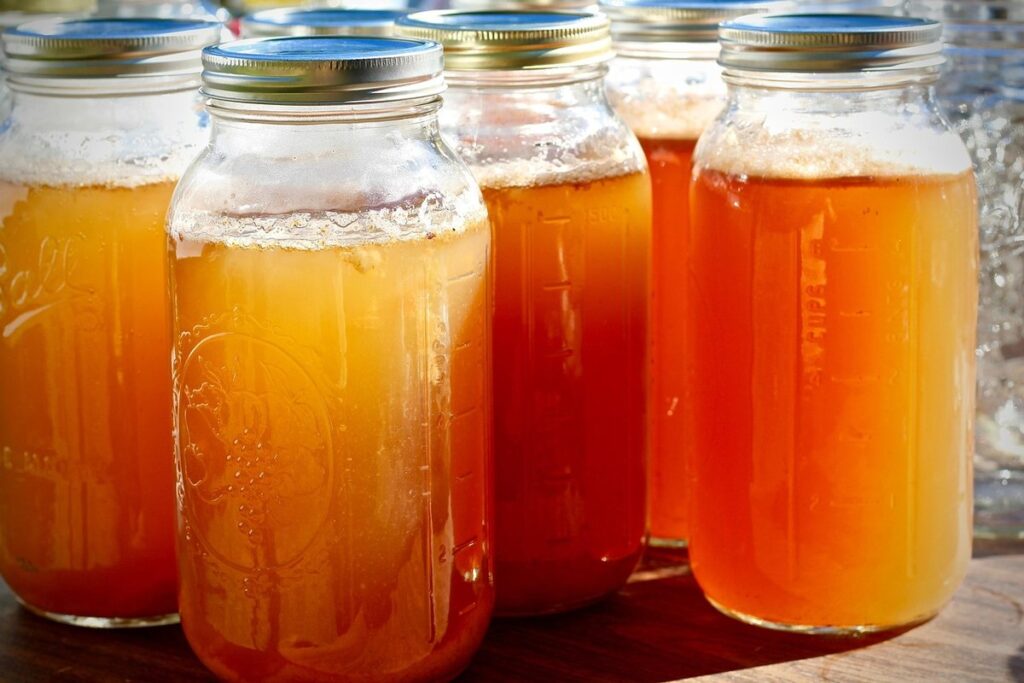
For equipment, you’ll need a large glass jar or container with a wide mouth, such as a Mason jar or a food-grade plastic bucket. This will serve as your fermentation vessel, where the magic happens. Make sure it’s clean and sanitized before use. A lid or cheesecloth is also necessary to cover the vessel and keep dust out.
A hydrometer can be helpful in measuring the acidity level of the vinegar as it ferments. Some enthusiasts also swear by a wooden dowel or stick to act as an airlock, allowing CO2 to escape while keeping contaminants out. You’ll also need a place for your fermentation vessel to sit, such as a dark cupboard or pantry, where temperatures remain relatively consistent and between 64°F and 75°F (18°C and 24°C).
Basic Fermentation Process
To create homemade apple cider vinegar through fermentation, you’ll need to follow these basic steps. First, prepare a clean container with a wide mouth for easy monitoring and stirring. Transfer 1-2 cups of apple cider into the container, leaving about an inch of space at the top.
Next, add a small amount of “mother” or active culture from store-bought vinegar or a previous batch. This will introduce beneficial bacteria that start breaking down the sugars in the cider. Cover the container with a cloth or paper towel to keep dust out and allow air exchange.
Over the next 7-14 days, observe your mixture for signs of fermentation, such as bubbles on the surface, a sour smell, and sediment at the bottom. If you don’t see any activity within two weeks, it may be due to contamination or an insufficient amount of “mother.”
During this time, ensure the environment remains cool (around 68-72°F) and away from direct sunlight. Avoid disturbing the mixture excessively, as this can disrupt the delicate balance of bacteria and hinder fermentation progress. After the desired level of sourness is achieved, your homemade apple cider vinegar is ready for use or storage in a dark glass bottle with a tight-fitting lid.
Tips and Variations for Success
Achieving optimal results when making homemade apple cider vinegar requires a delicate balance of variables. Temperature plays a significant role; ideal temperatures for fermentation range from 50°F to 70°F (10°C to 21°C). Maintaining a consistent pH level between 2.4 and 3.4 is also crucial, as it affects the growth of beneficial bacteria and prevents unwanted contaminants.
To adjust pH levels, you can use mother of vinegar – a gelatinous substance that forms during fermentation – or add a small amount of citric acid. Be cautious not to overdo it, as excessive acidity can lead to off-flavors and unpleasant odors.
Secondary fermentation, also known as “mothering,” allows the natural yeast on the apple cider to ferment and develop the vinegar’s flavor profile. This step typically takes 1-3 weeks at room temperature. Monitor your mixture regularly to ensure the mother is developing properly and not becoming too thick or slimy.
For optimal results, keep your fermentation vessel away from direct sunlight and maintain a consistent environment. This will help promote healthy bacteria growth and prevent contamination. Regularly check the pH level and taste the vinegar to determine when it has reached the desired acidity and flavor.
Benefits of Homemade Apple Cider Vinegar
Now that we’ve discussed how to make homemade apple cider vinegar, let’s explore its numerous benefits and uses for a healthier lifestyle. You’ll be amazed at all it has to offer!
Health Benefits and Nutrition
Consuming homemade apple cider vinegar provides a wealth of nutritional benefits and potential health advantages. The fermentation process involved in making ACV creates probiotics, which can support gut health by introducing beneficial bacteria into the digestive system. These probiotics also help to boost the immune system, reducing inflammation and improving overall well-being.
In addition to probiotics, apple cider vinegar is rich in antioxidants, including polyphenols and flavonoids. These compounds have been shown to possess anti-inflammatory properties, which can aid in protecting against chronic diseases such as heart disease and certain cancers.
Some of the most significant health benefits associated with consuming homemade apple cider vinegar include improved digestion, reduced blood sugar levels, and enhanced weight management. To get the most out of these benefits, it’s essential to consume ACV in moderation – typically 1-2 tablespoons per day diluted in water or added to meals.
A key consideration when using homemade apple cider vinegar for health benefits is choosing a high-quality product with minimal processing. Look for an unfiltered, raw vinegar that contains the mother of the vinegar – a cloudy substance composed of bacteria and acetic acid. This ensures you’re getting the full range of nutrients and beneficial compounds found in ACV.
Beauty and Skincare Uses
Homemade apple cider vinegar is a versatile ingredient for beauty and skincare routines. It can be used as a natural toner to balance skin pH, reducing the appearance of pores and fine lines. Mix 1 part ACV with 2 parts water and apply it to the face with a cotton pad. This helps to tighten skin and prepare it for further products.
As a face mask ingredient, apple cider vinegar can help to exfoliate dead skin cells and reduce acne. Combine equal parts ACV and honey for a soothing treatment that moisturizes while controlling bacteria growth. Leave on for 5-10 minutes before rinsing with warm water.
For hair care, apple cider vinegar can be used as a final rinse after shampooing to balance scalp pH and remove product buildup. Mix 1 tablespoon of ACV with 1 cup of water as a last-step rinse to help tame frizz and add shine.
Household Cleaning and Pest Control
You can use homemade apple cider vinegar as a natural cleaner for surfaces around the house. Mix it with water to create an effective all-purpose cleaning solution. The acidity in the vinegar helps break down dirt and grime, making it easier to wipe away stains and odors.
For tougher stains or soap scum buildup on surfaces like sinks, showers, or countertops, try using a more concentrated mixture of 1 part apple cider vinegar to 2 parts water. Apply the solution with a soft cloth, then rinse thoroughly with warm water.
Homemade apple cider vinegar can also be used as a pest control agent in your home. Mix equal parts vinegar and water in a spray bottle, and use it to repel ants, roaches, or other pests. The acetic acid in the vinegar disrupts their communication and navigation systems, making it difficult for them to find food or each other.
To get rid of fruit flies, try placing a small cloth soaked in apple cider vinegar near the area where they’re present. The flies will be attracted to the smell of the vinegar but won’t be able to land on the surface, allowing you to trap and remove them.
Recipe Variations and Flavor Profiles
You can get creative with your homemade apple cider vinegar by experimenting with different ingredients and flavor combinations, from sweet to savory. Try adding spices, herbs, or fruits to create unique variations.
Apple Cider Vinegar Tonic Recipes
Try combining homemade apple cider vinegar with invigorating herbs to create a refreshing tonic. You can make a Ginger-Zinger Tonic by mixing 1/2 cup of ACV with 1-inch piece of fresh ginger, peeled and grated, and a squeeze of fresh lime juice. This blend is perfect for post-workout recovery or as an afternoon pick-me-up.
For an anti-inflammatory boost, try the Turmeric Tonic: combine 1/2 cup of ACV with 1 teaspoon of turmeric powder and a pinch of black pepper. The curcumin in turmeric pairs well with the acidity in apple cider vinegar to create a potent anti-inflammatory drink.
Cinnamon and Apple Cider Vinegar make a great pair, especially during cold winter months. Mix 1/2 cup of ACV with 1/4 teaspoon of ground cinnamon powder and a drizzle of honey for a soothing digestive tonic. You can also add slices of fresh apple or a cinnamon stick to the mixture for added flavor.
When experimenting with different herbs and spices, remember that a little goes a long way. Start with small amounts and adjust to taste, as some ingredients can be quite potent when combined with ACV.
Flavored Apple Cider Vinegars
To create flavored apple cider vinegars, you can add ingredients such as citrus peels, berries, or spices to the fermentation vessel during the last few weeks of fermentation. This process is called “fractional blending” and allows for unique flavor profiles without sacrificing the health benefits of unflavored apple cider vinegar.
Citrus peels from oranges, lemons, or limes can be added whole or sliced thinly, imparting a subtle citrus flavor to the final product. Berries like raspberries, blueberries, or strawberries can be crushed and added in small amounts for a fruity twist. Spices such as cinnamon sticks, cloves, or ginger slices can also be used to create distinct flavors.
When adding ingredients, it’s essential to monitor the fermentation process closely to avoid contamination or over-fermentation. A general rule of thumb is to add flavorings after 2-3 weeks of fermentation, when the acetic acid level has begun to stabilize. This allows for a balanced flavor and helps prevent overpowering the apple cider vinegar with strong flavors.
Some popular combinations include adding a cinnamon stick with a few cloves for an autumnal spice blend or using a handful of fresh raspberries for a sweet-tart flavor. Experimenting with different ingredients can help you create unique and delicious flavored apple cider vinegars that cater to your personal taste preferences.
Safety and Precautions
When working with homemade apple cider vinegar, it’s essential to take precautions to avoid any potential health risks or skin irritations that may arise from using undiluted ACV. Be sure to follow these guidelines carefully to ensure safe use.
Handling Acetic Acid and Fermentation
When working with homemade apple cider vinegar, it’s essential to be aware of the potential risks associated with acetic acid during fermentation. Acetic acid is a natural byproduct of the fermentation process and can cause skin and eye irritation if not handled properly.
The risk of exposure occurs when the fermentation vessel is opened or when the liquid is transferred from one container to another, releasing acetic acid fumes into the air. Prolonged exposure can lead to respiratory problems, headaches, and dizziness.
To minimize the risks associated with handling acetic acid during fermentation:
- Always wear protective gloves, a face mask, and safety goggles when working with homemade apple cider vinegar.
- Ensure good ventilation in your workspace by opening windows or using an exhaust fan.
- Keep the fermentation vessel at least 6 feet away from living areas to prevent fume buildup.
- Avoid transferring liquid until the fermentation process is complete and the bubbles have slowed down significantly.
Allergies and Intolerances
If you’re considering using homemade apple cider vinegar for its potential health benefits, it’s essential to be aware of any allergies or intolerances you may have. Some individuals may experience adverse reactions to acetic acid, the main active compound found in apple cider vinegar. For example, people with sensitive stomachs or those taking certain medications, such as antacids or blood thinners, should use caution when consuming homemade apple cider vinegar.
It’s also worth noting that individuals with gastrointestinal issues like IBS (Irritable Bowel Syndrome) may need to limit their intake of acetic acid. If you have a pre-existing condition, consult your healthcare provider before using homemade apple cider vinegar. Always dilute the vinegar in water, as undiluted consumption can exacerbate digestive issues.
In some cases, people with allergies or intolerances might react to specific ingredients used during the fermentation process. For instance, if you’re allergic to sulfites, ensure that your fermenting equipment and storage containers are free from residual sulfite residue. Be mindful of cross-contamination by storing apple cider vinegar away from other foods and household items.
Frequently Asked Questions
Can I use any type of apple for making homemade apple cider vinegar?
Yes, but it’s best to use a mix of sweet and sharp apples. A variety like Granny Smith is ideal for its high acidity content, while a sweeter apple like Gala adds depth to the flavor. The combination creates an optimal balance for fermentation.
How do I know if my homemade apple cider vinegar has gone bad or spoiled?
Check the appearance and smell. If it’s cloudy, moldy, or has an off smell, discard it immediately. Healthy apple cider vinegar should be clear, have a mild tangy aroma, and have a pH level between 2.4 and 3.0.
Can I use homemade apple cider vinegar as a substitute for store-bought in recipes?
Yes, but keep in mind that homemade versions can be more potent due to the absence of added preservatives and stabilizers. Start with smaller amounts and adjust to taste. Also, note that flavor profiles may differ depending on the apple varieties used.
What if I don’t have a fermentation vessel? Can I still make homemade apple cider vinegar?
Yes, you can use a clean glass jar or even a food-grade plastic container for primary fermentation. However, secondary fermentation is crucial for achieving the desired acidity level and clear appearance. Consider investing in a dedicated fermentation vessel for better results.
How do I store homemade apple cider vinegar to maintain its quality and potency?
Store it in a cool, dark place away from direct sunlight. Keep the bottle tightly sealed after use. It’s best to transfer it to smaller glass bottles once opened, as the acetic acid can react with certain materials over time.

