
Discovering new hobbies can be a thrilling experience that brings a sense of excitement and fulfillment to our lives. Learning a new skill or activity not only expands our interests but also challenges our minds, helping us grow both personally and professionally. Whether you’re interested in capturing stunning moments through photography, expressing yourself creatively through writing, or exploring the world through languages, there’s a wealth of options available for anyone looking to try something new.
As we navigate life’s journey, it’s easy to get stuck in routine and lose touch with our passions. However, making time for hobbies can have a profound impact on both physical and mental well-being. By mastering new activities, you’ll not only enhance your skills but also develop resilience, confidence, and a newfound appreciation for the world around you. In this comprehensive guide, we’ll explore expert tips and advice to help you find and master new hobbies, taking your skills to the next level and unlocking a more fulfilling life.
Choosing Your First Hobby
Choosing a hobby can be overwhelming, but narrowing down your options starts with understanding what sparks your interest and passions. What are you naturally drawn to?
Benefits of Trying New Hobbies
Trying new hobbies offers a wealth of benefits that can enhance various aspects of your life. One significant advantage is stress relief: engaging in an enjoyable activity can divert your attention away from daily worries and provide a much-needed break. This is particularly true for hobbies like gardening, where the physical act of planting and nurturing plants can be meditative.
Social connections are another plus when exploring new hobbies. Joining a club or group focused on the hobby you’re interested in can introduce you to like-minded people, potentially leading to lasting friendships. For instance, if you take up photography, look for local photography clubs or online forums where you can share your work and learn from others.
Personal growth is also a significant benefit of trying new hobbies. As you progress in mastering a skill, you’ll develop confidence and a sense of accomplishment. This, in turn, can translate to other areas of life, such as career advancement or personal relationships. To maximize these benefits, choose a hobby that genuinely interests you and make time for it regularly – even if it’s just 15-30 minutes per day.
Assessing Your Interests and Skills
To choose a hobby that truly brings you joy, it’s essential to assess your interests and skills. Start by making a list of activities you’ve always been curious about but haven’t had the time or opportunity to try. Consider hobbies you enjoyed as a child, like painting or playing music, and think about how they might still be relevant today.
Next, evaluate your current skills and strengths. Do you have experience with DIY projects or have a background in art? These transferable skills can help you pick up new hobbies more quickly. You might also consider activities that complement your existing interests or skills, such as writing if you enjoy reading or photography if you’re already familiar with art.
When assessing your available time, be realistic about how much time you can commit to a hobby each week. Start small and aim for at least 15-30 minutes per session, three times a week. This will help you build momentum without feeling overwhelmed. Remember that the goal is to find a hobby that brings you balance and fulfillment, not to add another item to your to-do list.
Popular Hobbies for Beginners
If you’re new to the world of hobbies, starting small is key. Let’s look at some beginner-friendly options that are perfect for those who want to dip their toes into something new.
Learning a New Language
Learning a new language can be an incredibly rewarding hobby, opening doors to new cultures, communities, and perspectives. Not only does it improve cognitive abilities, such as memory and problem-solving skills, but it also broadens career opportunities and enhances travel experiences.
To get started, you don’t need to enroll in a pricey language course or dedicate hours each day to studying. Online resources like Duolingo, Babbel, and Rosetta Stone offer flexible and interactive learning platforms that cater to various proficiency levels. These tools provide structured lessons, exercises, and quizzes to help you build vocabulary, grammar, and pronunciation skills.
In addition to online resources, consider joining language exchange programs or finding a language partner. This can be done through apps like Tandem or HelloTalk, which connect native speakers with learners for conversation practice. You can also attend local language meetups or clubs in your area. For example, the language exchange cafe in your city might offer weekly gatherings where people gather to practice their languages and socialize.
Some popular languages to learn include Spanish, French, Mandarin Chinese, Arabic, and Portuguese. Each has its unique characteristics, cultural nuances, and practical applications.
Photography Basics
You’ll need a few essential pieces of equipment to get started with photography. A digital single-lens reflex (DSLR) camera is ideal for beginners, as it offers manual controls and interchangeable lenses. You can also consider a mirrorless camera or a point-and-shoot model, but be aware that they may have limitations in terms of flexibility.
When composing your shot, pay attention to the rule of thirds: imagine your image divided into thirds both horizontally and vertically. Place important elements along these lines for more visually appealing photos. Consider the lighting as well – natural light is always a good option, but be prepared to experiment with artificial light sources when shooting indoors.
In post-processing, you can use photo editing software like Adobe Lightroom or Skylum Luminar to enhance your images. Familiarize yourself with the basic tools and filters available in these programs. For example, learning how to adjust exposure, contrast, and color balance will greatly improve your photos.
Creative Pursuits
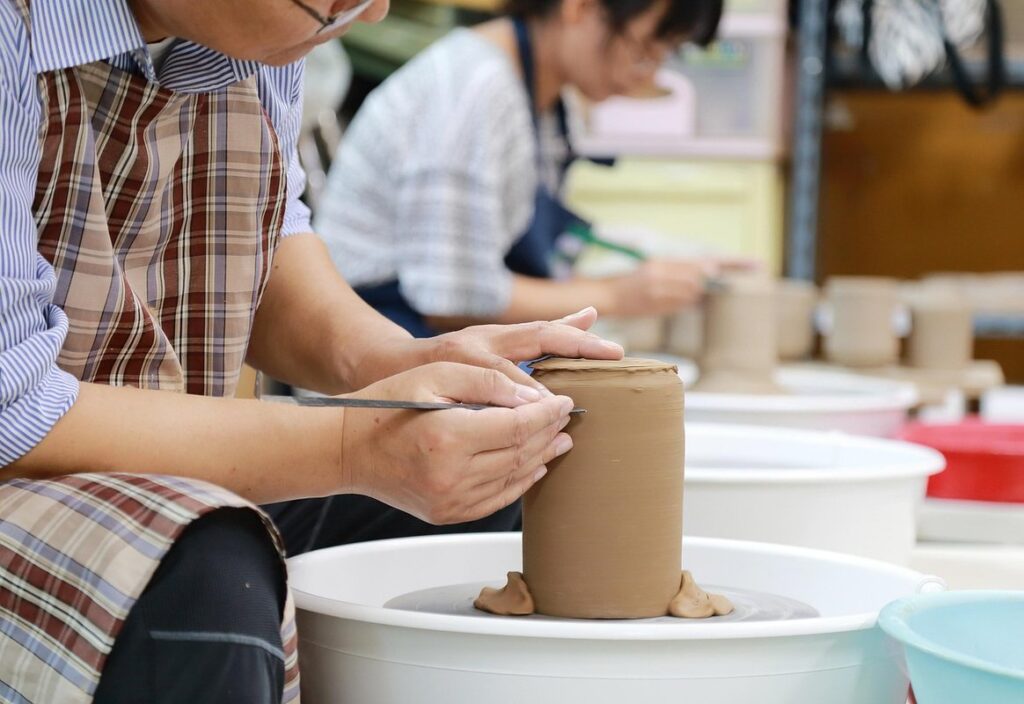
If you’re looking for creative outlets to express yourself, consider learning a new art form, such as painting, pottery, or photography. These hobbies can help spark your imagination and bring out your inner artist.
Drawing and Painting Fundamentals
To get started with drawing and painting, you’ll need a few basic materials. For drawing, these typically include a pencil sharpener, eraser, sketchbook, and pencils of varying hardness levels (HB, 2B, 4B, 6B). For painting, you’ll need paints (acrylic or oil), brushes, a palette, and a surface to paint on – canvas, paper, or board.
When working with different mediums, understanding their unique characteristics is key. Acrylics dry quickly and can be mixed with a range of materials for texture. Oils take longer to dry but blend colors smoothly. Watercolors require careful planning as they spread easily.
To improve your skills, focus on the basics: proportion, perspective, line, shape, value, color, and texture. Practice drawing simple shapes and gradually work up to more complex subjects like still-life compositions or portraits. Don’t be afraid to make mistakes – they’re an essential part of the learning process.
When it comes to techniques, experiment with different brushstrokes (hatching, cross-hatching, stippling) and layering colors to achieve depth and dimension. For beginners, try following online tutorials or drawing/painting classes where you can receive feedback from instructors and learn alongside others.
Writing for Beginners
To start a writing practice, find inspiration by reading widely and often. Pay attention to what sparks your interest – a well-crafted sentence, a vivid description, or a compelling character arc. Identify what draws you to these elements and use them as fuel for your own writing.
Developing consistent habits is key to making progress in writing. Set aside dedicated time each day or week to write, and treat it with the same importance as any other appointment. Begin by committing to short sessions – 15-20 minutes a day – and gradually increase duration as you build endurance.
Overcome common obstacles like writer’s block by changing your environment or trying a new format. Writing in a coffee shop can be invigorating, while journaling during daily commutes can help loosen up ideas. Experiment with different styles, such as freewriting or prompts, to get out of your comfort zone and discover fresh perspectives.
Avoid the pressure to produce perfect prose immediately. Instead, focus on generating content regularly, even if it’s imperfect. Revise and edit later, but don’t let fear of mistakes hold you back from starting in the first place.
Physical Activities
Whether you’re looking for a new way to stay active or simply want to try something new, learning a physical activity can be an incredibly rewarding experience.
Getting Started with Yoga
Yoga is a low-impact exercise that can be modified to suit different fitness levels and goals. Regular practice has numerous benefits, including reduced stress, improved flexibility, and enhanced balance. When choosing a style, consider what you hope to achieve – Hatha focuses on physical postures, while Vinyasa emphasizes flowing movements.
To get started with yoga, it’s essential to learn proper alignment and breathing techniques. Start by practicing basic poses, such as Mountain Pose (Tadasana) and Downward-Facing Dog (Adho Mukha Svanasana). Modify these poses for your level of flexibility and strength – for example, bend your knees in Mountain Pose if you have trouble standing upright.
It’s also crucial to understand that yoga is not a one-size-fits-all activity. Experiment with different styles and teachers to find what works best for you. Listen to your body and take regular breaks to avoid injury. Consider investing in a good yoga mat, as it can provide grip and support during practice. Most importantly, be patient with yourself – mastering yoga takes time and dedication, but the rewards are well worth the effort.
The Benefits of Team Sports
Participating in team sports offers a multitude of benefits beyond just physical exercise. For one, it provides an excellent opportunity to develop social connections and friendships. Being part of a team encourages camaraderie and teamwork, which can lead to lasting relationships with fellow players. Many people have reported making new friends through their involvement in recreational or competitive sports teams.
In addition to the social aspect, team sports also offer a chance for strategy development and problem-solving. Players need to work together to achieve goals, which requires communication, planning, and adaptability. This can translate to other areas of life, such as career or personal projects, where collaboration and strategic thinking are essential.
Team sports often involve physical exercise, but they also require mental focus and discipline. By engaging in regular practice and competition, individuals can improve their overall fitness levels while developing valuable skills like time management and resilience. Examples include team sports like soccer, basketball, volleyball, and hockey, which cater to different interests and abilities.
Intellectual Pursuits
If you’re looking for a mentally stimulating hobby, consider exploring intellectual pursuits that challenge your mind and broaden your knowledge. From philosophy to coding, we’ll cover some of the most engaging options available.
Starting a Garden or Indoor Plants
When starting a garden or indoor plants, selecting the right plant species is crucial. Begin by choosing low-maintenance options like succulents, air plants, or herbs. These are perfect for beginners as they require minimal care and can thrive in indoor conditions with proper lighting. Consider factors such as climate, available space, and desired outcome when making your selection.
Soil preparation is another essential aspect to consider. Use a well-draining potting mix specifically designed for indoor plants. Avoid using regular garden soil, as it can compact and prevent water from reaching the roots. If you’re planting in a container, choose one with good drainage holes to prevent waterlogged soil.
Regular maintenance routines will help your plants flourish. Water them when the top inch of soil feels dry to the touch. Most indoor plants prefer bright, indirect light but be cautious not to overexpose them to direct sunlight. Fertilize sparingly, using a balanced fertilizer during the growing season (spring and summer). Prune or repot as necessary to maintain plant health.
Learning to Play an Instrument
When starting out, it’s essential to choose an instrument that suits your interests and skill level. Consider factors like size, portability, and maintenance costs when selecting a violin, guitar, or piano. Some beginners prefer electronic keyboards for their ease of use and versatility.
Finding resources is also crucial for learning to play an instrument. Look for local music schools or private instructors who can provide personalized guidance and help you set realistic goals. Online tutorials and video lessons are another excellent option, with platforms like YouTube, Udemy, and Skillshare offering a wealth of instructional content.
To practice effectively, start by setting aside a dedicated time each day for learning. Begin with short sessions (15-20 minutes) and gradually increase the duration as you become more comfortable. Focus on building good technique from the outset to avoid developing bad habits later on. Break down complex pieces into smaller sections, practicing each part slowly until you can play them smoothly together.
Advanced Hobbies
If you’re looking for a challenge, exploring advanced hobbies can provide a new level of excitement and fulfillment. We’ll delve into some unique pursuits that require skill and dedication to master.
Mastering a Musical Instrument
Mastering a musical instrument requires a deep understanding of advanced techniques and strategies for improvement. To take your playing to the next level, focus on refining your tone production, phrasing, and dynamic control. Practice scales and arpeggios in different keys and contexts to develop finger strength and dexterity.
One effective approach is to work with a qualified teacher who can provide personalized feedback and guidance. Regular lessons can help you overcome plateaus and improve faster than solo practice. Consider recording yourself regularly to identify areas for improvement and track progress over time.
For intermediate learners, performance opportunities are essential for growth. Look for local music events, workshops, or masterclasses where you can share your talents with others. Joining a band or ensemble is also an excellent way to challenge yourself and learn from fellow musicians. To optimize practice sessions, prioritize focused warm-ups (10-15 minutes), followed by in-depth work on specific pieces or techniques (30-45 minutes). Take regular breaks to avoid burnout and maintain motivation.
Some essential skills for advanced musicians include sight-reading, improvisation, and score analysis. Develop these abilities by working with a wide range of repertoire, experimenting with different styles, and learning from experienced mentors. By cultivating these areas, you’ll not only improve your technical proficiency but also enrich your musical expression.
Writing Short Stories or Novellas
Developing complex stories and characters is a crucial aspect of writing short stories or novellas. To create believable characters, consider their motivations, backstories, and emotional arcs. This will allow you to craft nuanced relationships between them and the plot. When plotting, think about the inciting incident that sets the story in motion and the turning points that propel it forward.
To add depth to your narrative, incorporate sensory details and descriptive language. Use active voice instead of passive voice to create a more engaging reading experience. Editing is also crucial for publication; ensure you have multiple rounds of revisions before sharing your work with others.
Here are some key considerations when editing:
- Read your work aloud to catch awkward phrasing or unclear dialogue
- Show, don’t tell – instead of telling the reader what’s happening, show them through descriptive scenes
- Use clear and concise language, avoiding overly complex sentences
Additionally, research various writing styles and techniques, such as the use of foreshadowing or non-linear storytelling. This will help you develop a unique voice and approach to your writing. Practice regularly by setting aside dedicated time for writing and revising, and don’t be afraid to experiment with new ideas and forms.
Frequently Asked Questions
Can I switch between hobbies frequently without losing progress?
Yes, it’s completely normal to try multiple hobbies and switch between them as you discover what works best for you. The key is to focus on making progress in each hobby at your own pace, rather than getting stuck on one thing.
How do I balance learning a new hobby with my existing responsibilities and schedule?
To make time for a new hobby, start by identifying small blocks of time each day or week that can be dedicated to it. Be realistic about how much time you have available and prioritize your commitments accordingly. You can also try combining hobbies (e.g., listening to language lessons during commutes).
What if I’m struggling with a particular aspect of my chosen hobby – should I give up?
Don’t be discouraged if you hit a roadblock or struggle with a specific technique. Many people encounter setbacks when learning new skills, but it’s how you respond that matters. Break down complex tasks into smaller steps, seek guidance from online resources or mentors, and celebrate small victories along the way.
Can I learn multiple hobbies simultaneously, or should I focus on one at a time?
While it’s possible to juggle multiple hobbies, it’s essential to be realistic about your energy levels and schedule. Focus on one or two primary hobbies initially, and then gradually add more as you become more confident in your abilities. This will help prevent burnout and ensure that you can devote sufficient attention to each activity.
How do I know when I’ve reached a plateau with my hobby, and what should I do next?
Pay attention to any feelings of stagnation or boredom with your current hobby. When this happens, it’s time to reassess your goals, seek new resources, or try an adjacent skill to reignite enthusiasm. You can also consider taking on leadership roles, teaching others, or collaborating with fellow hobbyists to inject fresh perspectives and stimulate growth.

