
Starting an herb garden in a container can be a great way to add fresh flavor to your cooking without taking up too much space. You might have considered growing herbs indoors, but if you’re short on windowsill space or want more flexibility with your setup, containers are the perfect solution. Not only do they allow you to grow a variety of herbs year-round, but they also give you the freedom to move them around and control their exposure to sunlight.
Container selection is one key consideration – make sure it has good drainage holes to prevent waterlogged soil. Preparing the right type of potting mix and finding the ideal spot in your home or on your patio will also contribute to a thriving herb garden. In this article, by the time you finish reading, you’ll be able to choose the right container for your herbs, prepare the perfect growing conditions, and learn how to keep them healthy and pest-free.
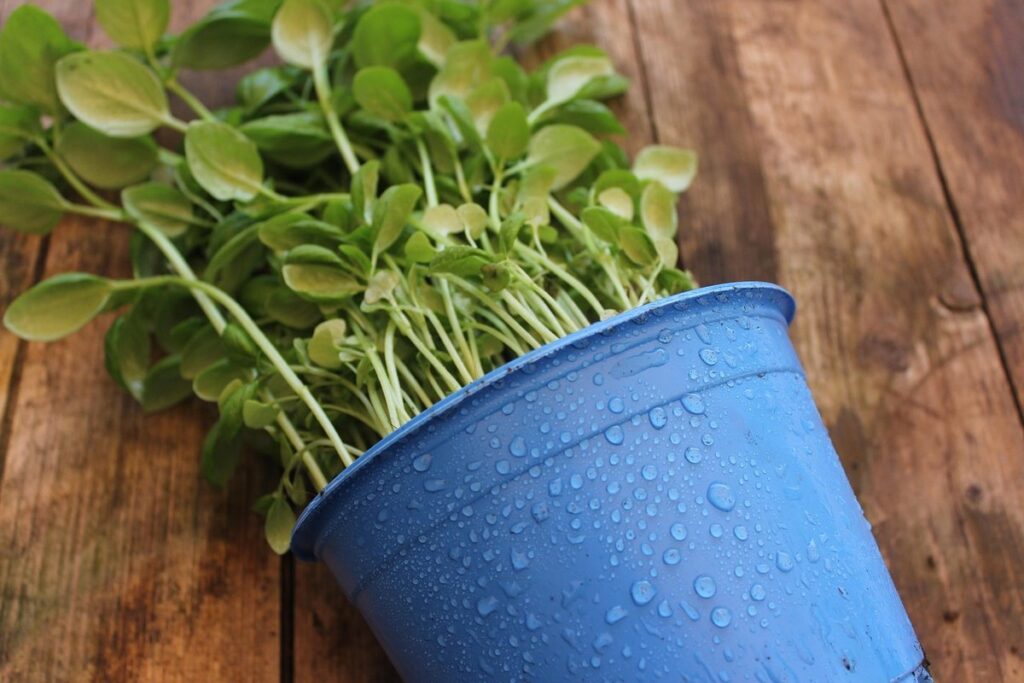
Choosing the Right Container
When selecting a container for your herb garden, you’ll want to consider factors like size, material, and drainage to ensure your plants thrive. A well-chosen container can make all the difference in your garden’s success.
Factors to Consider When Selecting a Container
When selecting a container for your herb garden, consider three essential factors: size, material, and drainage. A container that is too small will limit the root growth of your herbs, while one that is too large may cause them to become waterlogged. As a general rule, choose containers that are at least 5-7 gallons in size to accommodate the mature spread of most herb varieties.
The material of the container also plays a significant role. Un glazed terracotta or ceramic pots allow for excellent drainage and aeration, which promotes healthy root development. However, they can dry out quickly, requiring more frequent watering. On the other hand, plastic or resin containers are often lightweight and inexpensive but may retain heat and moisture, increasing the risk of root rot.
Proper drainage is also crucial to prevent waterlogged soil, which can lead to root decay and nutrient deficiencies. Ensure your container has at least one-third to one-half inch of space between the soil and the top rim for adequate drainage. You can also add a layer of small rocks or broken pottery shards at the bottom of the container to improve water flow.
Considering Light Requirements
Herbs have varying light requirements, and choosing a container that provides adequate lighting is crucial for their growth. Some herbs like basil and mint thrive in full sun, requiring at least 4-6 hours of direct sunlight per day. On the other hand, herbs like parsley and cilantro prefer partial shade, especially during peak summer months.
When selecting a container, consider its size and material to ensure it allows for sufficient light penetration. Dark-colored containers can absorb heat, but they also block light, so opt for a lighter material or paint your container with a reflective finish. If you’re growing herbs in a shaded area, choose varieties that tolerate low light conditions.
Keep in mind that even if an herb can tolerate partial shade, it will still require some direct sunlight to photosynthesize and grow well. Most herbs will benefit from 2-4 hours of direct sunlight per day, especially during the growing season. Be sure to research the specific light requirements for each herb variety you’re cultivating to ensure your container provides the right conditions for their success.
Preparing the Soil and Fertilizer
Before planting your herbs, you’ll need to prepare the soil and fertilizer to create a healthy environment for growth. A well-prepared potting mix can make all the difference in getting your herb garden off to a great start.
Understanding Soil pH and Herb Tolerance
Most herbs prefer a slightly acidic to neutral soil pH, ranging from 6.0 to 7.0. However, some plants like rosemary and thyme can tolerate more alkaline conditions, up to pH 8.0. On the other hand, herbs like lemon balm and mint thrive in acidic soils with a pH between 5.5 and 6.5.
Herbs that require specific pH levels include:
- Basil: Prefers slightly acidic to neutral soil pH (6.0-7.0)
- Cilantro: Tolerates a wide range of pH, but prefers slightly acidic conditions (6.0-6.8)
- Parsley: Prefers neutral to slightly alkaline soil pH (7.0-8.0)
If you’re growing herbs in containers, it’s essential to test your potting mix regularly to ensure the optimal pH for each plant. You can use a DIY pH kit or send a sample to a lab for analysis. Some potting mixes are specifically designed to be more acidic or alkaline, so choose a mix that matches your herb’s requirements.
Keep in mind that repeated testing and adjustments may be necessary as the soil pH can fluctuate over time due to factors like fertilizer application and weather conditions.
Composting and Organic Fertilizers
Compost and organic fertilizers are essential components of a thriving container herb garden. These natural amendments promote healthy soil structure, improve fertility, and support beneficial microbial activity, ultimately leading to robust plant growth.
When using compost, it’s crucial to balance the amount applied with the needs of your herbs. Too little compost may not provide sufficient nutrients, while excessive application can cause over-fertilization, potentially burning roots or causing an imbalance in soil pH. A general rule is to add a 2-3 inch layer of compost at planting time and mix it well into the potting medium.
Some popular organic fertilizers for container gardens include fish emulsion, bone meal, and alfalfa meal. These options release nutrients slowly, reducing the risk of over-fertilization and promoting steady growth throughout the growing season. You can also create your own fertilizer blend using kitchen scraps like fruit peels, vegetable trimmings, and coffee grounds. Simply bury them in the potting mix or add a small amount to the top layer as a surface dressing.
Selecting and Planting Herbs
When choosing herbs for your container garden, consider factors such as climate, soil type, and mature size to ensure a harmonious mix. Selecting the right herb varieties will set the stage for a thriving and fragrant garden.
Popular Herb Varieties for Container Gardens
Basil is an excellent choice for container gardens due to its compact growth habit and high oil content. This characteristic makes it more resistant to pests and diseases. It thrives in well-draining soil and full sun, typically requiring at least 4-6 hours of direct sunlight daily.
Mint is another popular herb that can be grown in containers. However, be cautious when planting mint as it can spread quickly and take over the surrounding area. To prevent this, consider growing it in a separate container or contain it with a physical barrier. Mint prefers moist soil but can tolerate some drought.
Rosemary is a low-maintenance option for container gardens. It’s relatively slow-growing and requires minimal pruning. However, it still needs regular watering, especially during hot summer months. Make sure the pot has good drainage holes to prevent root rot. When selecting rosemary, choose compact or dwarf varieties that are specifically bred for containers.
These three herbs can be grown together in a large container, but ensure they have enough space to accommodate their mature sizes. Basil and mint can be pruned regularly to encourage bushy growth and prevent them from becoming leggy.
Tips for Planting and Spacing Herbs
When planting herbs in a container garden, it’s essential to consider their mature size and growth habits. Compact varieties like Thai basil and dwarf French tarragon require less space than sprawling ones like rosemary and oregano. A general rule of thumb is to plant herbs 6-8 inches apart, depending on their mature spread.
For optimal air circulation, avoid overcrowding the container. This will help prevent fungal diseases that thrive in humid environments. Consider a staggered planting pattern, where you plant one herb slightly behind or beside another, rather than side by side. For example, pair tall herbs like mint and lemongrass with shorter ones like parsley and cilantro.
When selecting a container, keep in mind the root depth of your herbs. Choose pots that are at least 6-8 inches deep to accommodate the roots of larger varieties. A shallow pot may lead to waterlogged soil, which can cause root rot. Be mindful of the container’s material and size as well; terracotta pots absorb water quickly, while larger containers can dry out rapidly in hot weather.
Watering and Humidity Control
To keep your herbs happy and thriving, you’ll need to focus on providing just the right amount of moisture and humidity for them to flourish in their container garden. Proper watering and humidity control techniques will make all the difference.
Understanding Herb Water Requirements
Different herb varieties have distinct moisture requirements. For instance, basil and mint thrive in consistently moist environments, while rosemary and thyme prefer drier conditions. You can check the seed packet or consult with a nursery professional to determine the optimal watering needs for your specific herbs.
To ensure consistent moisture levels, use a drip irrigation system or a water-efficient watering can. Watering cans with long spouts allow you to deliver water directly to the roots of each plant, minimizing evaporation and runoff. For herbs that require more frequent watering, such as basil and mint, consider using a self-watering planter or adding a moisture-retentive gel to the potting mix.
Avoid getting leaves wet, as this can lead to fungal diseases. Water your herb garden in the morning, so the plants have the entire day to dry off before nightfall. Aim for about 1-2 inches of water per week, either from rain or irrigation. Monitor soil moisture by inserting your finger into the potting mix up to the knuckle; if it feels dry, it’s time to water.
Managing Container Humidity
Adequate humidity levels are crucial for container herb gardens, as most herbs prefer moist environments. When containers dry out too quickly, roots can become stressed, and growth may slow. One way to maintain humidity is by using a mulch layer on the surface of the soil. Organic materials like bark chips or straw help retain moisture, reduce evaporation, and regulate soil temperature.
When choosing a mulch, consider the herb’s specific needs. For example, mint prefers moist conditions and benefits from a thicker mulch layer to prevent drying out. On the other hand, basil is sensitive to root rot and may require less mulching to prevent waterlogged soil. If you live in an extremely dry climate or have limited time for maintenance, using a humidifier can be an effective solution.
Some common mistakes when using humidifiers include placing them too close to plants, which can cause overwatering, or underestimating the device’s capacity. Research the product and follow instructions carefully to ensure optimal results. By maintaining the right humidity levels, you’ll create a healthy environment for your herb garden to thrive in its container.
Maintenance and Pest Control
To keep your container herb garden healthy and thriving, regular maintenance and pest control are crucial tasks to stay on top of, including monitoring for common pests. Regular checks can make all the difference in preventing damage and keeping your herbs strong.
Regular Pruning and Harvesting
Regular pruning is essential to promote bushy growth and encourage new leaf production. Pinch off the top set of leaves when your herb plant reaches about six inches tall, just above a node. This will prevent it from becoming leggy and encourage branching. For most herbs, you’ll want to prune them back by about one-third after they’ve produced their first flush of flowers.
Harvesting regularly is also crucial for maintaining a healthy and thriving container herb garden. Pinch off individual leaves or stems as needed, rather than waiting until the entire plant needs pruning. This will prevent pests like aphids from being attracted to the plant’s sap, which can accumulate when the foliage is left to grow unchecked.
For herbs like basil, cilantro, and dill, remove flower buds before they open to direct the plant’s energy towards leaf growth rather than seed production. For others, like mint and lemongrass, prune back overgrown stems and trim off any dead or damaged leaves to maintain a tidy appearance and promote healthy root development.
Common Pests and Diseases Affecting Container Herbs
Aphids, spider mites, and mealybugs are common pests that thrive in the warm, humid conditions often found on container herb gardens. These tiny insects feed on sap, causing curled or distorted leaves, and can be particularly problematic for herbs like basil and rosemary.
Root rot is another significant concern, typically caused by overwatering, which leads to root decay and a reduction in water and nutrient uptake. Symptoms include yellowing leaves, droopy stems, and a soft, mushy texture on the roots. To prevent this, ensure good drainage holes in your containers and avoid getting water on the leaves or crown of the plant.
Fungal diseases like powdery mildew and downy mildew can also afflict container herbs, especially when plants are crowded or exposed to excessive moisture. Regularly inspect your plants for white, powdery patches or yellowish-gray spores growing on the undersides of leaves. To mitigate these issues, maintain a balanced watering schedule and provide adequate air circulation around your containers.
Monitor your plants closely, and take action promptly if you notice any signs of pests or diseases, as these can quickly spread and compromise the health of your entire herb garden.
Troubleshooting and Advanced Techniques
Now that you’ve successfully established your container herb garden, let’s tackle some common issues and explore expert techniques for achieving maximum growth and flavor. We’ll address common problems and provide advanced methods to take your herb garden to the next level.
Identifying and Resolving Herb Growth Issues
When inspecting your container herb garden, you may notice signs of distress on some plants. Over-watering and under-watering are two common issues to watch out for. Over-watered herbs can develop yellow or droopy leaves, while under-watered ones might turn a pale green color. To determine the cause, check the soil moisture by sticking your finger into the soil up to the first knuckle.
If it’s dry, it’s likely that your plants are thirsty. Water them thoroughly, making sure not to get water on the leaves or crown of the plant to prevent fungal diseases. On the other hand, if the soil feels wet, you may be over-watering. This can cause roots to rot and lead to more severe problems down the line.
To prevent over-watering, ensure good drainage in your container by adding a layer of small rocks or broken pottery at the bottom. Also, consider using a well-draining potting mix specifically designed for containers. By taking these precautions and keeping an eye on your plants’ needs, you can quickly identify and address issues before they become major problems.
Using Self-Watering Containers and Other Innovations
Self-watering containers can be a game-changer for container herb gardens. These innovative systems use a water reservoir to deliver moisture directly to the roots of plants as needed, reducing evaporation and runoff. This means you can go longer between watering sessions, making it easier to maintain a healthy garden.
One popular option is the self-watering planter with a built-in water reservoir. Fill the reservoir with water, and the plant draws what it needs through capillary action. You can also use a separate self-watering system, like a water-filled tray or a drip irrigation kit, attached to your existing container.
Other innovative methods for optimizing container herb gardens include using sensors to monitor soil moisture levels, which alert you when watering is needed, and incorporating aerated pots that improve air circulation around the roots. For example, the AeroGarden uses LED grow lights and a built-in water reservoir to provide optimal growing conditions for your herbs.
Frequently Asked Questions
How to Transfer Established Herbs from One Container to Another?
When transferring established herbs from one container to another, it’s essential to handle the roots gently and ensure proper drainage in the new container. Water thoroughly after transplanting, and monitor the herb’s response to its new environment.
Can I Use Regular Garden Soil for My Herb Container Garden?
While regular garden soil can be used as a substitute for potting mix, it may not provide optimal growing conditions for your herbs. Potting mixes are specifically designed to drain excess water and prevent root rot, making them a safer choice for container gardens.
How Often Should I Repot My Herbs, Even If They’re Doing Well?
Herbs typically require repotting every 6-12 months as they become pot-bound. However, if you notice your herbs are still thriving in their current container, you can delay repotting until necessary. Keep an eye out for signs like reduced growth or nutrient deficiencies.
What Are Some Signs of Over-Watering vs. Under-Watering in My Herb Container Garden?
Look for yellowing leaves and soft stems to identify over-watering, while under-watering often causes crispy leaves and a wilting appearance. Monitor your herbs’ response to watering, adjusting your schedule accordingly based on these visual cues.
Can I Use Self-Watering Containers with Hydroponic Systems in My Herb Garden?
While self-watering containers can provide benefits for herb growth, they are not directly compatible with hydroponic systems. If you’re interested in using both techniques, consider integrating a separate hydroponic system alongside your container garden.

