
Hedgehogs have become a beloved subject in crafting, with their endearing faces and spiky coats making them an attractive theme for handmade creations. You may be new to hedgehog crafts or looking to improve your skills, but creating realistic hedgehog designs can seem daunting. Achieving the right texture and appearance for their scales and quills is particularly challenging. This guide aims to provide a comprehensive introduction to crafting adorable hedgehogs, covering the essential materials and techniques you’ll need to get started. We’ll also explore advanced methods for achieving realistic scales and quills, helping you to create stunning and detailed hedgehog crafts that capture the essence of these charming creatures. By the end of this beginner’s guide, you’ll be well on your way to creating beautiful hedgehog-inspired crafts with confidence and precision.
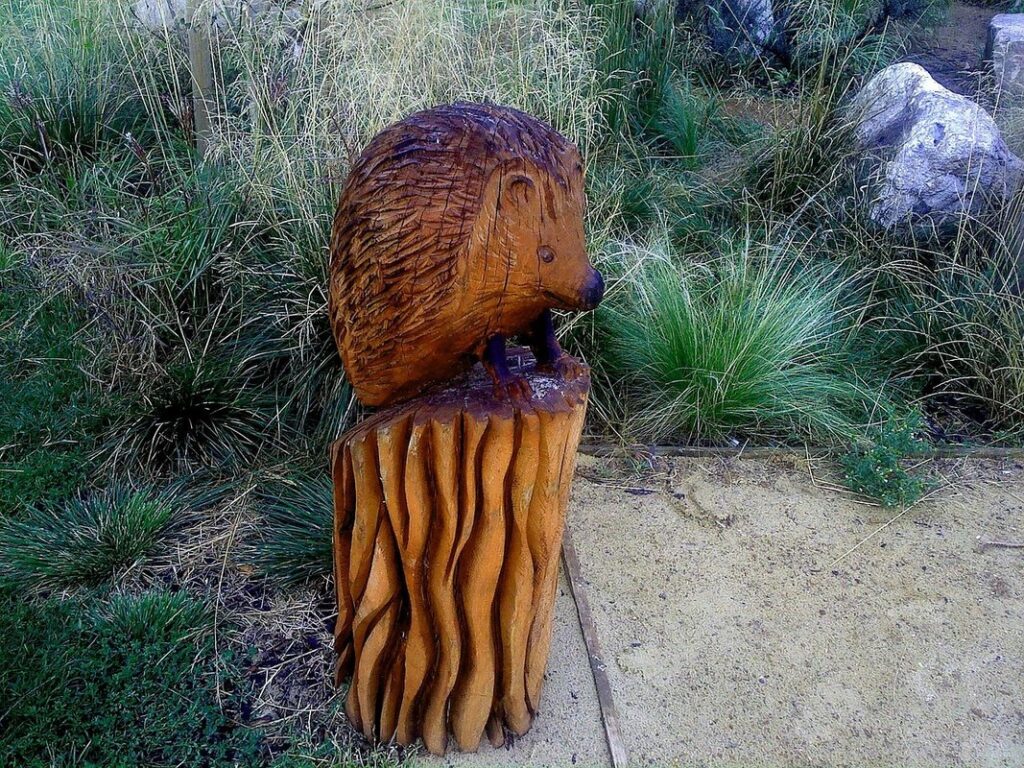
Getting Started with Hedgehog Crafts
Before you start crafting, it’s essential to gather the right materials and tools for your hedgehog project. Let’s take a look at what you’ll need to get started.
Choosing the Right Materials
When it comes to creating hedgehog crafts, having the right materials can make all the difference. As a beginner, you’ll want to focus on versatile and easy-to-work-with supplies that won’t break the bank. For paper-based projects, look for high-quality cardstock or watercolor paper in various textures and weights. These will provide a sturdy base for your designs and allow for smooth ink flow.
For fabric crafts, cotton or linen blends are great choices due to their softness and durability. Fleece is also an excellent option for beginners, as it’s easy to work with and provides a lovely texture. When shopping for materials, consider online craft stores like Amazon or Etsy, which often offer a wide selection at competitive prices.
Additionally, thrift stores, garage sales, and local fabric scraps can be great sources of affordable materials. When shopping in person, inspect the material carefully for any imperfections or inconsistencies that might affect your project’s overall quality. By choosing high-quality materials and being mindful of where you source them, you’ll set yourself up for success and create beautiful hedgehog crafts with confidence.
Basic Crafting Techniques for Beginners
When working with paper, it’s essential to understand basic cutting techniques. You can use scissors specifically designed for craft projects, which often have blunt tips to prevent accidents. Cutting straight lines requires gentle, consistent pressure; try practicing on scrap paper before creating your hedgehog design. For curved lines or shapes, consider using a craft knife or a rotary cutter with a guide.
Gluing is another fundamental skill in crafting. Choose a suitable adhesive for the materials you’re working with – hot glue guns are great for thick papers and fabrics, while white school glue works well for smaller projects like paper cutouts. When applying glue, use a small amount to avoid excess mess; it’s better to apply thin coats rather than one large glob.
Folding techniques can add a playful touch to your hedgehog crafts. Simple folds involve creating crisp creases with your fingers or a bone folder, while more complex designs might require using scissors or other specialized tools. To create a basic finger puppet, fold a rectangular piece of paper in half lengthwise and then along the width; this will give you two identical halves that can be attached to sticks or popsicle sticks for a 3D effect.
For more intricate folding patterns, try practicing on practice sheets before tackling your hedgehog design.
Designing Your Own Hedgehog Creations
Now it’s time to get creative and design your own unique hedgehog crafts, from quirky figurines to adorable decorations. You’ll find inspiration and guidance here to bring your prickly passions to life!
Understanding Hedgehog Anatomy
Hedgehogs have a unique and fascinating anatomy that makes them instantly recognizable. One of their most distinctive features is their spines, which cover almost their entire body. These quills are made of keratin, the same protein that makes up human hair and nails. They’re hollow and flexible, allowing hedgehogs to curl up into a ball for defense.
To accurately depict hedgehog anatomy in your crafts, focus on the shape and direction of these spines. Typically, they curve slightly forward from the base of the spine to the tip. You can use a combination of long, curved spines on the back and shorter, more tightly packed ones on the sides to achieve this look.
The eyes are another essential feature to get right, as they’re often small but prominent in hedgehog faces. They’re usually rounded or oval-shaped, with a relatively large pupil compared to the iris. Don’t be afraid to add some texture and detail to make them stand out.
When drawing ears, keep them small and triangular, with a slightly rounded tip. The mouth is usually small and bead-like, but you can add a bit of personality by making it more expressive.
Exploring Different Hedgehog Species for Inspiration
Hedgehogs come in a variety of species, each with its own distinct characteristics and features. The Indian long-eared hedgehog, for instance, has large ears that can rotate independently, giving it exceptional hearing abilities. This unique trait could inspire crafts that emphasize listening or hearing-related themes.
The African pygmy hedgehog is known for its striking markings, which can range from a dark brown to a creamy white color. Its spines are also shorter and more rounded compared to other species, making it an interesting subject for artists who enjoy exploring texture and pattern. If you’re planning to create a hedgehog-inspired piece, consider studying the African pygmy’s distinctive appearance.
The European hedgehog, found throughout much of Europe and Asia, is recognizable by its brown coat with lighter-colored tips. Its spines are longer and more pointed than those of the African pygmy, making it an appealing subject for crafts that emphasize detail and realism. Take note of how each species’ unique features can be applied to your craft – do you want to focus on texture, pattern, or overall appearance?
Advanced Hedgehog Crafting Techniques
If you’re looking to take your hedgehog crafts to the next level, this section will reveal expert tips for creating intricate and detailed designs. You’ll learn how to add texture and dimension to your creations.
Creating Realistic Scales and Quills
When creating realistic scales and quills for your hedgehog craft, you’ll want to focus on texture and color variation. For felt scales, use a mixture of short and long fibers to achieve a layered look. You can also blend different colors to mimic the natural gradations found in a hedgehog’s coat.
For more realism, try using yarn or thread to create individual quills that can be attached to the body. Experiment with different weights and textures to capture the stiffness and softness of real quills. Alternatively, you can use 3D printing to create intricate scale designs or even entire quill clusters.
A successful application is a hedgehog sculpture made from resin, where each scale was carefully printed in high detail using a 3D printer. The result is an uncannily lifelike texture that captures the intricate patterns found on real hedgehogs. When working with yarn or thread, remember to shape and arrange each quill individually for maximum authenticity. This attention to detail will pay off when your finished craft looks remarkably like its living counterpart.
Using Textiles and Felt to Create Hedgehog Characters
When working with textiles and felt, you can create incredibly realistic and detailed hedgehog characters. To achieve this, it’s essential to master various techniques for cutting, shaping, and assembling complex designs. Start by selecting the right type of fabric or felt – wool, fleece, or even cotton blends work well. Use a sharp utility knife or scissors to cut out individual pieces, taking care to maintain smooth edges.
For more intricate designs, consider using a craft knife with interchangeable blades or a rotary cutter. To shape and assemble the pieces, try using a hot glue gun or a strong fabric adhesive like fabric fuse. This will allow you to create layered textures and add dimension to your hedgehog’s body and face. Some artists also use felting needles to create more realistic details, such as quills and whiskers.
Finished projects showcasing these techniques are truly impressive – for instance, a life-sized felt hedgehog with intricate texture and shading can be both whimsical and endearing.
Showcasing Your Hedgehog Creations
Now that you’ve created some amazing hedgehog crafts, let’s talk about how to showcase your prickly creations and make them a beautiful addition to any room.
Displaying and Storing Hedgehog Crafts
When it comes to showcasing and preserving your finished hedgehog crafts, framing and mounting are essential techniques to master. Delicate pieces, such as watercolor or mixed media artwork, require gentle handling to prevent damage. Consider using acid-free mats and UV-filtering glass to protect against fading.
For more substantial pieces like 3D sculptures or dioramas, a sturdy wooden dowel or rod can provide the necessary support for hanging on a wall. Make sure the dowel is securely attached to ensure it doesn’t topple over. When displaying multiple pieces together, create a visually appealing arrangement by balancing size, texture, and color.
To store your hedgehog crafts, invest in acid-free storage boxes or folders specifically designed for art and craft supplies. These containers will help maintain the integrity of your work by preventing moisture buildup and exposure to dust. Label each box clearly so you can easily find a specific piece when needed.
Sharing Your Hedgehog Crafts Online and in Communities
Sharing hedgehog crafts online and in communities can be a great way to connect with like-minded crafters, get feedback on your work, and even sell your creations. However, it’s essential to share responsibly and give credit where credit is due.
When sharing your hedgehog crafts on social media platforms or blogs, consider including a brief description of the project, materials used, and any relevant inspiration or references. This helps build trust with potential buyers and respect for original sources. For example, if you create a hedgehog-themed throw pillow using a vintage pattern found online, mention where you discovered the pattern.
When sharing in crafting communities, many platforms have built-in tools to help attribute designs or patterns from other users. Take advantage of these features, especially when showcasing complex projects that might infringe on others’ intellectual property. Some popular crafting communities also provide guidelines for sharing and attributing original work – familiarize yourself with these rules to avoid unintentionally violating them.
Remember, respecting others’ creations is crucial in the crafting world. By giving credit where due, you not only maintain a positive reputation but also contribute to a supportive community of creatives.
Tips for Troubleshooting Common Crafting Issues
Don’t let frustration get in the way of your creative process – we’ve got you covered with practical advice on fixing common crafting mishaps.
Dealing with Delicate or Fragile Materials
When working with delicate or fragile materials in hedgehog crafts, such as porcelain or fine glass beads, it’s essential to handle them carefully to avoid damage. Start by gently grasping the material at its thickest point, rather than holding it by the edges. This will distribute the weight more evenly and reduce the risk of breakage.
For storage, consider using individual compartments or pouches to keep each piece separated from others. You can also wrap fragile items in acid-free tissue paper or bubble wrap to provide extra protection during transit or long-term storage.
When accidents do happen, don’t panic – many delicate materials can be repaired with the right techniques and materials. For example, you can use a jewelry repair kit to fix broken clasps or reattach loose threads on fabric crafts. For more complex repairs, consider seeking guidance from online tutorials or craft communities that specialize in hedgehog-themed crafting.
Addressing Common Crafting Challenges and Mistakes
Uneven cuts can be a frustrating issue when working with hedgehog craft pieces. To avoid this problem, try using a ruler or cutting mat to guide your scissors or craft knife. This will help you make straight, even cuts every time. If you do encounter uneven cuts, don’t worry – they’re easily fixable. Simply trim the excess material and sand down the edges for a smooth finish.
Loose threads can also be a nuisance when working with fabrics like felt or fleece. To prevent loose threads, use a hot glue gun to secure any loose ends before moving on to the next step in your project. If you do encounter loose threads, try using a needle and thread to carefully weave them back into place.
Misaligned parts can be a bit more challenging to fix, but it’s not impossible. Take a step back and assess the problem – sometimes, simply repositioning the pieces or adjusting the glue can solve the issue. If not, you may need to start over with new materials or take a different approach altogether.
Conclusion: Encouraging Creativity in Hedgehog Crafts
As you’ve reached the end of our delightful hedgehog craft guide, let’s wrap up by exploring ways to keep your creative spark alive and inspire new prickly projects.
Inspiration and Motivation for Continuing to Craft
As you’ve completed this journey through delightful hedgehog crafts, we hope you’re feeling inspired to create even more. The world of prickly projects is vast and diverse, and there’s always room for new ideas and innovations. To keep the momentum going, we recommend checking out online communities dedicated to hedgehog art and craft. Websites like Hedgehog Haven and Prickly Pals showcase stunning creations and offer valuable resources for learning.
You can also find inspiration in nature – observe the intricate patterns on a real-life hedgehog’s spines or the unique textures of its fur. These natural wonders can spark creativity and influence your next project. Don’t be afraid to experiment with new techniques, materials, and themes. For instance, try combining hedgehog-inspired designs with other interests like gardening or cooking.
If you’re looking for a platform to share your creations and connect with fellow crafters, consider joining online forums or social media groups focused on handcrafted items or animal-themed crafts. Not only will you receive constructive feedback and encouragement, but you’ll also gain access to exclusive tutorials, patterns, and resources.
We invite you to contribute to the hedgehog crafting community by sharing your own ideas, projects, or tips in the comments section below. Your expertise and creativity can help inspire others and enrich the world of prickly crafts. By collaborating and learning from one another, we can keep pushing the boundaries of what’s possible with hedgehog-inspired art and craft.
Frequently Asked Questions
Can I use recycled materials for hedgehog crafts?
Yes, using recycled materials is an excellent way to make your hedgehog crafts more eco-friendly. Look for materials like cardboard, fabric scraps, or old paper to create unique and sustainable projects.
How do I know when to use felt versus yarn for creating realistic quills?
Felt is generally better suited for creating detailed, textured quills, while yarn can be used for longer, more flowing quills. Experiment with both options to achieve the desired effect in your hedgehog crafts.
What if I’m not good at drawing or painting? Can I still create a realistic-looking hedgehog?
You don’t need to be an artist to create realistic-looking hedgehogs. Focus on using high-quality materials, paying attention to proportions and details, and experimenting with different techniques like layering or texture to achieve the desired effect.
How do I store and display my delicate hedgehog crafts without damaging them?
To store delicate hedgehog crafts, use acid-free tissue paper or boxes to prevent damage from moisture. For displaying, consider using museum-quality glass or acrylic frames that block UV light, which can cause fading over time.

