
Handmade wreaths for Christmas are a thoughtful way to add a personal touch to your holiday decor. Not only do they make a unique gift, but creating one yourself can be a fun and rewarding experience that brings out your creativity. However, making a beautiful handmade wreath can seem daunting, especially with so many different materials and designs to choose from. You may feel overwhelmed by the countless tutorials online or unsure of where to start when it comes to selecting the right materials for your project. This guide is designed to walk you through the process of creating a stunning handmade Christmas wreath, covering essential materials, various design ideas, and step-by-step techniques that will result in a beautiful decoration to treasure for years to come.
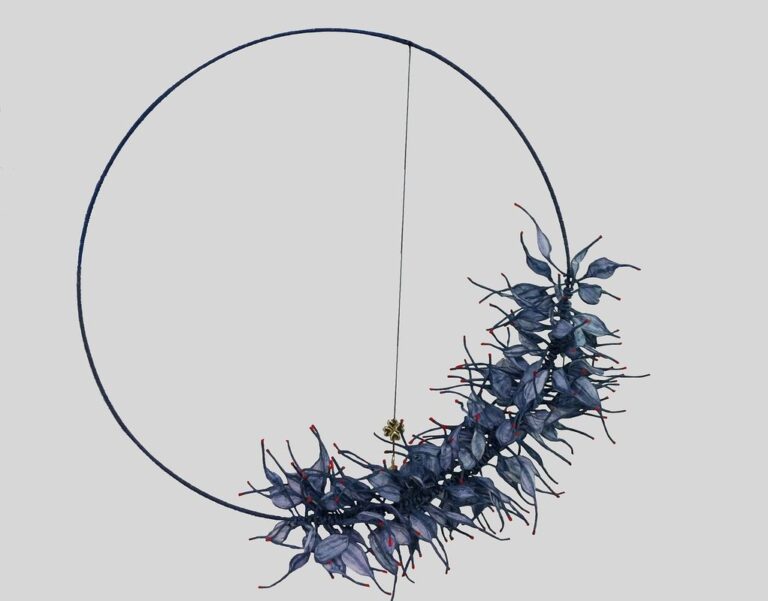
Understanding the Basics of Handmade Wreaths
To create beautiful handmade wreaths, you need a solid foundation in basic techniques and materials. We’ll start by covering the fundamentals of wreath crafting.
What are Handmade Wreaths?
A handmade wreath is a carefully crafted circular decoration made from natural materials such as evergreen branches, flowers, fruits, and other botanical elements. The history of wreaths dates back to ancient times, when they were used to symbolize victory, honor, and celebration. In the context of Christmas decorations, handmade wreaths have become a staple in many homes, adding a personal touch to the holiday atmosphere.
The significance of handmade wreaths lies in their ability to evoke a sense of nostalgia and tradition. They are often created using techniques passed down through generations, making each piece a unique reflection of the maker’s skills and creativity. Moreover, handmade wreaths allow individuals to express themselves through their choice of materials and design, making every decoration one-of-a-kind.
For those new to crafting, starting with simple designs and natural materials is recommended. Consider using evergreen branches, pinecones, and ribbons as a base. As you become more confident in your skills, experiment with different textures, colors, and themes to create truly unique handmade wreaths that reflect your personal style. By incorporating handcrafted elements into your holiday decor, you can add warmth and character to your home’s festive atmosphere.
Materials Used for Handmade Wreaths
When crafting handmade wreaths for Christmas, you’ll want to choose materials that evoke a festive atmosphere and withstand the holiday season’s moisture. Evergreen branches are an excellent choice, as they retain their scent and color throughout the winter months. You can gather them from your yard or purchase them at a local nursery. Pinecones add a rustic touch and can be found in most forests or purchased online. Consider incorporating ribbons made from natural fibers like cotton, burlap, or twine to create a warm and inviting look.
For added texture and interest, incorporate other materials like dried flowers, eucalyptus, or ferns. Fresh greenery like holly or mistletoe can also be used, but make sure to replace it regularly to maintain its freshness. When selecting ribbons, choose ones with a subtle sheen or matte finish to avoid overpowering the natural elements. Consider using earthy-toned ribbons in shades of brown, beige, or soft green to complement your evergreen branches and pinecones.
Choosing the Right Supplies for Your Wreath Project
To create a beautiful handmade wreath, you’ll need to choose the right materials and supplies that match your design vision. We’ll walk through some essential considerations for selecting the perfect pieces.
Selecting the Perfect Frame or Base
When it comes to selecting a frame or base for your handmade wreath, you have several options to consider. Wire frames are a popular choice, as they provide excellent structural support and can be easily shaped to fit the desired design. However, they can be prone to bending if not supported properly.
Foam rings offer an alternative to wire, providing a more rustic and textured look that suits many handmade wreath designs. They also tend to hold their shape well, even when loaded with heavier decorative elements. Wooden rings are another option, often used for more traditional or vintage-inspired wreaths.
When selecting the perfect frame or base, consider the type of materials you’ll be using in your design. For example, a wire frame might be suitable for a lightweight, all-greenery wreath, but may not provide enough support for a heavy floral arrangement. A foam ring, on the other hand, could be ideal for adding some extra texture and depth to your design.
In general, it’s best to choose a frame or base that complements the overall aesthetic of your wreath and provides sufficient structural support for its components.
Types of Decorative Elements to Use
For a handmade wreath Christmas, you can incorporate various decorative elements that reflect the holiday’s spirit. Flowers and foliage are classic choices for winter wreaths, but consider using seasonal berries like holly or mistletoe for a more festive look. Ornaments made from natural materials like pinecones, twigs, or even seashells can add texture and visual interest to your design.
When it comes to flowers, choose species that thrive in cooler temperatures, such as eucalyptus, ferns, or amaryllis. These can be used alone or paired with other elements to create a cohesive look. Consider the color palette you want to achieve – traditional red and green or more modern pastels?
Some popular ornament options for handmade wreaths include:
• Glass balls in various sizes and colors
• Decorative pins, clips, or small hooks for attaching ornaments
• Dried flowers like baby’s breath or statice
• Pine needles or sprigs of rosemary
When selecting decorative elements, remember that less is often more. Balance your design by choosing a few statement pieces and complementing them with simpler materials. This will help create visual harmony and prevent the wreath from feeling cluttered.
Designing Your Handmade Wreath: Tips and Inspiration
To bring your handmade wreath to life, we’ll explore essential design tips that ensure a beautiful and cohesive finished product, from shape to embellishments.
Seasonal Themes and Color Schemes
For a festive and inviting look, consider these popular seasonal themes and color schemes for handmade wreaths during Christmas. Winter whites and creams evoke a clean, snowy feel, while rich reds and greens bring to mind the lush foliage of evergreen trees.
To create a winter wonderland theme, focus on pale blues, silvers, and frosted glass accents, which can add a touch of frosty magic to your wreath. For a more rustic look, consider earthy tones like burlap, twine, and pinecones. Alternatively, you can incorporate traditional holiday colors like crimson red, emerald green, or navy blue for a classic Christmas feel.
When choosing a color scheme, think about the overall aesthetic you want to achieve: do you prefer a calm and serene atmosphere, or a bold and festive one? Consider the style of your home’s decor and how the wreath will be displayed. For example, if you’re hanging it on a front door, a brighter, more eye-catching design may be suitable, while a cozier living room setting might call for softer hues.
Some popular seasonal themes include:
- Winter woodland scenes with pinecones, acorns, or other natural elements
- Festive holiday motifs like snowflakes, holly leaves, or reindeer
- Soft, monochromatic schemes featuring pastel shades of pink, blue, or purple
Mixing and Matching Elements for Unique Designs
When combining different materials and elements, consider pairing textures for visual interest. For example, mesh wire can add a delicate, lacy feel to your wreath, while burlap brings a rugged, homespun quality. You might also combine smooth glass or ceramic decorations with natural elements like pinecones or evergreen branches.
To create a cohesive look, choose a unifying element that ties the various materials together. This could be a specific color palette, a common theme (e.g., winter wonderland, rustic charm), or even a single shape repeated throughout the design. For instance, using red berries as accents can tie in with a festive holiday theme.
Consider the size and scale of each element when mixing and matching. Balance bulky items like ornaments or decorative balls with smaller details like ribbons or tiny pinecones. A small arrangement of fresh greenery can also help fill gaps between larger decorations.
Some possible combinations to try:
• Mercury glass ornaments paired with frosted pinecones
• Burlap ribbon wrapped around a wire frame, adorned with artificial flowers
• Pine branch sprigs attached to a mesh wreath form, punctuated by red berries
Techniques for Creating a Handmade Wreath
To add some extra flair to your handmade wreath, you’ll want to learn various techniques for shaping and decorating. From twisting grapevines to crafting festive bows, we’ve got you covered.
Basic Wire Wrapping for Beginners
To start wire wrapping for your handmade wreath, you’ll need a few basic tools and some practice. Begin by cutting a length of floral wire to the desired size using wire cutters. Hold the wire taut and snip it at an angle to prevent fraying. Next, shape the wire into a loop or circle using pliers – this will form the base of your wreath.
When attaching components, start with small items like berries or ornaments. Thread the component onto the wire by twisting the wire around its base. Secure the item in place by wrapping the wire tightly around it several times. For larger items like ribbons or garlands, wrap the wire around the center of the material to create a loop, then attach the component to the wreath frame.
To add a bow or other decorative element, cut two lengths of wire and twist them together at one end. Wrap this twisted section around the base of the bow or ribbon, securing it in place. This technique allows for easy adjustment and removal of components, making it perfect for beginners who want to experiment with different designs without committing to a specific look.
Advanced Techniques: Faux Floral Arrangements
To create realistic faux floral arrangements for your handmade wreath, you’ll need some advanced techniques. Experienced crafters can use a combination of materials and methods to mimic real flowers. One approach is to layer different textures and colors to achieve depth and dimension. For example, you could start with a base of greenery like eucalyptus or ferns, then add artificial flowers in various shapes and sizes.
When selecting faux flowers, look for ones made from high-quality materials that can be shaped and styled to resemble real blooms. You’ll also need some floral wire, which comes in different gauges depending on the project’s complexity. To create a more realistic look, use wire wrapping techniques to secure individual stems or bunches of flowers together.
Some key considerations when working with faux florals include choosing colors that match your desired season and theme, selecting flowers with varying textures and scales, and experimenting with different arrangements to achieve a visually appealing composition. For a Christmas-themed wreath, consider using red or green accents, pinecones, or berries to add seasonal flair.
Displaying Your Handmade Wreath Creatively
Now that you’ve crafted your handmade wreath, let’s explore some unique and creative ways to display it throughout your home, adding a personal touch to every room. From mantels to walls, we’ll show you how to showcase your masterpiece.
Tips for Styling Your Wreath in Various Settings
When it comes to styling and displaying your handmade wreath, the setting can greatly impact its overall look. To create a cohesive visual experience, consider the space where you plan to hang your wreath. For example, if you’re placing it on a mantel, balance the size of the wreath with other decorative elements in the room. A larger wreath might be overwhelming on a small mantel, so opt for a smaller one and supplement with candles or garlands.
For doors, choose a wreath that complements the door’s style and shape. A circular wreath can work well on a round door, while a more asymmetrical design suits an arched entrance. On walls, create a focal point by grouping your wreath with other wall decor, such as frames or mirrors, to draw the eye upwards.
Consider the scale of the space when selecting a wreath size and type. In a small entryway, a compact wreath can be just what’s needed to add some festive cheer without overwhelming the space. On the other hand, larger spaces like living rooms benefit from more substantial wreaths that make a statement.
Additional Ideas for Repurposing Old Decorations
Old decorations can be repurposed into unique and creative elements for your handmade wreath. Consider transforming last year’s Christmas ornaments into a beautiful garland to adorn your mantel or staircase. Simply thread the ornaments onto a length of twine, fishing line, or thin ribbon, leaving space between each one for a visually appealing effect.
You can also repurpose old candles by cleaning and rewaxing them, then using them as votives or lanterns in your wreath design. For example, place a small evergreen sprig or holly leaf on top of the candle to create a festive look. Another idea is to turn old picture frames into decorative elements by decoupaging them with festive paper or fabric.
If you have an old mirror or glass vase that’s no longer needed, consider using it as a base for your wreath. Simply attach a wire frame to the back of the mirror or vase and begin building your wreath around it. This will add depth and dimension to your design while also repurposing an old item.
Some other items you can repurpose include vintage doilies, lace trim, or crocheted motifs, which can be used as embellishments for your wreath. Be creative and experiment with different combinations of materials to create a unique and eye-catching handmade wreath.
Troubleshooting Common Issues with Handmade Wreaths
Don’t worry, we’ve all been there – struggling to fix a pesky handmade wreath that just won’t hold its shape. This section tackles common issues and their easy-to-fix solutions.
Addressing Common Challenges: Drying Out Materials
When working with natural materials like evergreen branches, holly, and eucalyptus, it’s common for crafters to encounter drying out issues. This can be particularly problematic during the holiday season when wreaths are often made with fresh foliage. To prevent materials from drying out too quickly, start by choosing high-quality materials that have a natural moisture barrier or those specifically labeled as ‘long-lasting’.
Some materials, like succulent branches and preserved flowers, are naturally more resistant to drying out than others. Consider incorporating these into your wreath design for added durability. When working with fresh foliage, make sure to keep the stems hydrated by regularly misting them with water. This will help maintain their moisture levels and prevent premature drying.
In addition to regular hydration, consider using a floral preservative or glycerin spray to help lock in moisture. These products can be applied directly to the foliage to create a barrier against dry air and promote healthy moisture retention. By taking these simple steps, you can enjoy your handmade wreath throughout the holiday season without worrying about it drying out too quickly.
Fixing Mistakes: A Guide to Correcting Errors in Your Wreath Design
When mistakes happen in your wreath design, it’s essential to address them promptly to maintain the overall aesthetic. A lopsided shape can be corrected by gently twisting the wire frame in the opposite direction. If you’ve added too many decorations, carefully remove them and reassess your design.
To avoid mistakes altogether, create a mockup or test run with scrap materials before working on your final piece. This step allows you to experiment with different layouts and identify potential issues beforehand.
Correcting color imbalances is also crucial in wreath design. If your chosen palette appears unharmonious, try adjusting the proportions of each element. For instance, if a specific ribbon or flower clashes with the rest of the design, consider substituting it with a more complementary piece.
Some common mistakes include uneven spacing between elements and inconsistent texture throughout the design. To address these issues, use a ruler or measuring tape to ensure even gaps, and balance textured materials by grouping them together in harmony.
Conclusion: Showcasing Your Handmade Wreath Creativity
Now that you’ve mastered various techniques for crafting unique handmade wreaths, it’s time to showcase your creativity and share your finished masterpieces with friends and family.
Displaying Your Finished Product with Pride
When you’ve finally completed your handmade wreath, it’s time to showcase its unique charm. Consider gifting it to a loved one as a thoughtful and personalized present. Alternatively, display it proudly on your front door or mantle, where it can add warmth and personality to your holiday decor.
For an extra-special touch, pair your handmade wreath with other homemade decorations, such as candles, garlands, or cookies. This will create a cohesive and inviting atmosphere that reflects your creativity and attention to detail.
If you’re looking for ways to preserve the memory of your handiwork, consider turning your wreath into a keepsake by attaching a small plaque or card with the date and materials used. You can also take photos of your finished wreath and create a scrapbook or digital album as a record of your crafting journey.
When displaying your handmade wreath, don’t be afraid to experiment with different settings and arrangements. Try placing it in a sunny window, next to a festive holiday display, or amidst some evergreen branches for added depth and texture. With a little creativity, your finished wreath can become a cherished family heirloom or a treasured holiday tradition.
Encouragement to Experiment and Create More
As you complete your handmade wreath project, remember that the true magic lies not just in the finished product but also in the creative journey itself. You’ve invested time and effort into crafting a unique piece of art, reflecting your personality and style. Encourage yourself to experiment with new ideas and techniques, pushing beyond your comfort zone.
Consider trying out different materials or combinations of textures and colors. For example, pair smooth evergreen branches with delicate glass ornaments for a striking contrast. Alternatively, add some depth to your design by incorporating natural elements like pinecones, acorns, or dried flowers.
Remember, the possibilities are endless when it comes to handmade wreath creations. You can also repurpose old decorations, such as turning an old book page into a decorative ribbon or using vintage buttons as embellishments. By embracing experimentation and creativity, you’ll not only refine your skills but also develop a distinctive voice in your craft.
Frequently Asked Questions
Can I Use Artificial Flowers in My Handmade Wreath?
Yes, artificial flowers can be used in handmade wreaths to create realistic and long-lasting designs. They come in various colors and textures, allowing you to match your desired aesthetic. You can wire wrap them or use hot glue to attach them to the base of the wreath.
How Do I Prevent My Handmade Wreath from Drying Out?
To prevent drying out, choose fresh materials with minimal moisture loss. Keep evergreen branches in water until you’re ready to assemble your wreath. Store finished wreaths away from direct sunlight and heat sources to preserve their freshness.
What if I Want to Make a Large-Scale Handmade Wreath? Are There Any Special Considerations?
When making large-scale handmade wreaths, consider using heavier-duty materials like thicker wire or foam bases for added stability. You may also need more decorative elements to achieve the desired design. Plan your design accordingly and take necessary precautions when handling larger pieces.
Can I Repurpose Old Materials for My Handmade Wreath? What Types Work Best?
Yes, repurposing old materials is a great way to create unique handmade wreaths. Natural resources like dried flowers, seeds, or pinecones work well for adding texture and interest. Consider combining these with new materials to achieve the desired look.
How Long Do Handmade Wreaths Typically Last? Can I Expect Them to Withstand Multiple Seasons?
Handmade wreaths can last for multiple seasons if properly cared for. Regular dusting and gentle cleaning will help extend their lifespan. To ensure longevity, avoid exposing them to extreme temperatures or direct sunlight for extended periods.

