
You might be surprised at how easily you can give old, discarded items new life in your garden. From plastic bottles to cardboard tubes, many everyday waste products can become valuable resources for gardening. Using recycled materials in your garden not only helps minimize environmental impact but also conserves natural resources and reduces waste. By repurposing items that would otherwise end up in landfills, you’re contributing to a more sustainable future. In this article, we’ll explore the benefits of incorporating recycled materials into your gardening practice, from cost-effective solutions to creative DIY projects. We’ll discuss how to transform old containers into planters, use eggshells as natural pest deterrents, and even upcycle an old pallet into a trellis. By the end of this article, you’ll have a solid understanding of how to create a more eco-friendly garden using recycled materials.
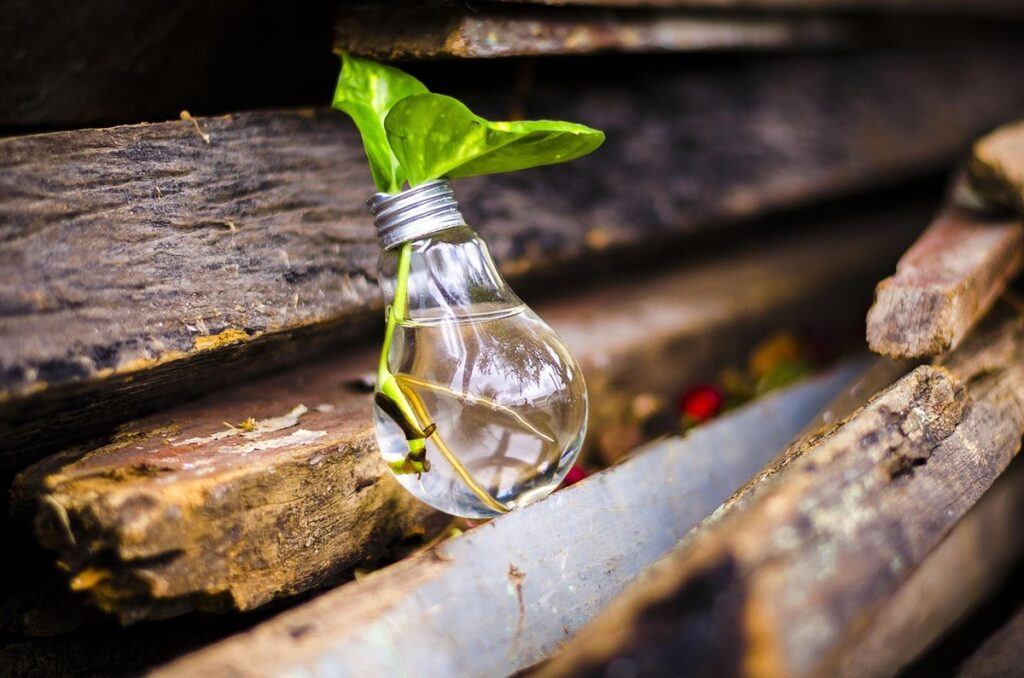
The Benefits of Sustainable Gardening
Now that you’ve learned how to create a sustainable garden with recycled materials, let’s explore the many rewards of making this choice for yourself and the planet.
Reducing Waste and Conserving Resources
When you garden with recycled materials, you not only create a unique and eco-friendly space but also significantly reduce waste and conserve natural resources. For instance, using old pallets as planters or wooden crates as trellises keeps these items out of landfills and gives them new life in your garden.
By repurposing discarded materials, you’re also reducing the demand for virgin materials needed to manufacture new products. This decrease in resource extraction helps preserve natural habitats and ecosystems. For example, using reclaimed wood for planters or paths reduces the pressure on forests and saves water used in logging and processing operations.
In addition to conserving resources, gardening with recycled materials minimizes environmental impact by reducing waste sent to landfills. According to the Environmental Protection Agency (EPA), over 34 million tons of municipal solid waste are generated from construction and demolition activities each year. By repurposing these materials for your garden, you’re diverting a significant amount of waste away from landfills and into a more productive use.
By incorporating recycled materials into your gardening practices, you’ll not only create a sustainable space but also contribute to reducing waste and conserving natural resources.
Cost-Effective and Budget-Friendly Options
Repurposing old containers and using reclaimed wood for planters are just a few examples of cost-effective ways to incorporate recycled materials into gardening projects. Consider using plastic bottles, cardboard tubes, or wooden crates as mini-greenhouses for seed starting or as self-watering planters.
Old pallets can be disassembled and used as individual planks for building raised beds or as a base for larger garden planters. You can also repurpose old bricks, stones, or concrete blocks to create decorative edging or paths in your garden.
When working with reclaimed wood, make sure to inspect the material carefully before using it. Look for signs of rot, mold, or insect damage that could harm your plants. A good way to extend the life of reclaimed wood is to seal it with a natural oil-based finish.
Some other budget-friendly options include using old fabric scraps to create plant covers or frost blankets, and repurposing old wire mesh as trellises for climbing plants. By getting creative with materials you might otherwise throw away, you can save money on gardening supplies while reducing waste and promoting sustainability in your garden.
Environmental Benefits of Sustainable Gardening Practices
Using recycled materials in gardening not only reduces waste and conserves resources but also has a positive impact on ecosystems and biodiversity. By choosing recyclables over traditional materials, you’re reducing pollution from manufacturing processes and minimizing the amount of waste sent to landfills. This shift can lead to cleaner waterways, improved air quality, and a decrease in greenhouse gas emissions.
Recycled materials can also improve soil health by introducing beneficial microorganisms and organic matter. For example, using compost made from recycled food waste or cardboard as mulch can help regulate soil temperature, retain moisture, and suppress weeds. Additionally, recyclable containers like old plastic bottles or tin cans can be used to create self-watering planters that reduce the need for frequent watering.
When incorporating recycled materials into your garden, prioritize those that are least processed and most biodegradable. Consider using natural fibers like straw or bamboo as a weed barrier or mulch instead of synthetic alternatives. By making these simple changes, you can contribute to a more sustainable gardening practice that benefits both your garden and the environment.
Collecting and Preparing Recycled Materials for Gardening
Now that you have a good understanding of where to find recycled materials, let’s move on to collecting and preparing them for use in your garden. We’ll explore how to clean, sort, and process these materials into usable gardening tools and decor.
Sources of Recyclable Materials
When it comes to collecting recycled materials for gardening, you have a variety of sources to explore. Start by checking with local recycling centers to see if they offer bulk pickup services or drop-off locations for specific types of materials like cardboard, glass, or metal. Some communities also host special collection events for items like electronics, batteries, or textiles.
Online marketplaces can be another valuable resource for finding recycled materials. Websites like Freecycle, Craigslist, or Facebook Marketplace often have groups dedicated to giving away free items, including those that can be repurposed in the garden. You can also search for local buy/sell/trade groups or online forums focused on sustainable living and gardening.
Additionally, keep an eye out for community events like yard sales, garage sales, or swap meets, where you may find gently used items with potential uses in your garden. Some municipalities also offer free mulch or compost programs that can provide a valuable resource for soil amendment. By exploring these sources, you can collect the materials you need to create a unique and sustainable gardening space.
Cleaning and Processing Recycled Materials
Cleaning and processing collected materials is a crucial step before using them in gardening. Begin by removing any debris, dirt, or contaminants from the surface of containers, such as old pots, tubs, or buckets. A gentle scrub with soap and water can help loosen tough stains and grime. For particularly stubborn spots, consider applying a mixture of equal parts water and white vinegar to the affected area.
When it comes to sanitizing containers, heat can be an effective method. Submerge the container in boiling water for 10-15 minutes or use a dishwasher on the hottest cycle. This will help kill any bacteria, fungi, or other microorganisms that may have taken hold.
For soil mixtures, start by breaking up clumps and aerating the material with a garden fork or spade. Remove any large debris or roots, then sift through the mixture to separate different textures and particle sizes. A general rule of thumb is to aim for a mix containing 30-50% compost, 20-40% topsoil, and 10-30% perlite or vermiculite.
By following these steps, you can ensure that your recycled materials are clean, processed, and ready for use in gardening projects.
DIY Projects Using Recycled Materials
When working with recycled materials, creativity knows no bounds. Old pallets can be transformed into planters and trellises for a rustic touch, while glass jars and containers become mini-greenhouses for seedlings. Wooden crates can be repurposed as raised beds, adding depth and visual interest to your garden.
For a more whimsical approach, consider upcycling old CDs or cardboard tubes into bird feeders or plant markers. These eco-friendly alternatives not only reduce waste but also provide a unique conversation starter in the garden. When choosing materials for DIY projects, remember to clean and disinfect them thoroughly before use to prevent contamination and ensure healthy growth.
Some other ideas include:
- Transforming old boots or shoes into self-watering planters
- Using cardboard tubes as supports for climbing plants like peas or beans
- Creating a living wall using recycled mesh and reclaimed wood
When integrating DIY projects made from recycled materials, keep in mind the type of soil and climate your garden requires. Some materials may need additional support or protection from the elements, so be sure to research and test before implementation. With a little creativity, you can breathe new life into discarded items and create a truly one-of-a-kind garden space.
Creative Gardening Ideas with Recycled Materials
Give old materials a new life by repurposing them as garden decorations, planters, and more, adding a creative touch to your outdoor space instantly. Get inspired by these innovative ideas that are perfect for DIY enthusiasts.
Repurposed Containers for Seed Starting and Transplanting
When repurposing containers for seed starting and transplanting, consider using old plastic bottles, tin cans, or wooden crates. These can be cleaned and transformed into mini-greenhouses to provide a sheltered environment for delicate seedlings. For example, an empty plastic bottle can become a self-watering planter by adding a small amount of water and a few rocks. As the plants grow, they’ll draw up the water as needed.
Another option is to use old cardboard tubes from toilet paper or paper towel rolls as mini-greenhouses for individual seedlings. Simply cut out the bottom and wrap the tube with a layer of newspaper or a coffee filter before placing it in a sunny spot. This will provide a protected environment for the seeds to germinate and grow.
When transplanting seedlings, reuse containers like yogurt cups or small pots made from recycled materials. These can be filled with a mixture of potting soil and compost, and then placed directly into the garden bed. This reduces waste and saves money on purchasing new planters.
Reclaimed Wood Planters and Trellises
When working with reclaimed wood for planters and trellises, you’ll want to choose woods that are durable enough to withstand outdoor conditions. Cedar and cypress are popular choices due to their natural resistance to rot and insect damage. When selecting reclaimed wood, consider the patina – a unique aging process that adds character to your garden structures.
To create planters or trellises using reclaimed wood, start by cleaning the material thoroughly to remove any debris or dirt. You can use a mixture of bleach and water to disinfect the wood, but be sure to rinse it well before proceeding. For added stability, consider attaching wooden brackets or screws to support the weight of plants.
When designing your planter or trellis, keep in mind the aesthetic you want to achieve. Reclaimed wood can add a rustic charm to your garden, so don’t be afraid to get creative with cuts and joints. You can use copper nails or old hardware to create a decorative look that complements your existing garden decor.
A few key considerations when building reclaimed wood planters and trellises include:
- Using durable woods like cedar or cypress
- Cleaning the material thoroughly before use
- Adding support brackets for added stability
- Getting creative with cuts and joints for a unique aesthetic
Upcycled Garden Markers and Decorations
Upcycling old materials into unique garden markers and decorations is a great way to add personality to your garden while reducing waste. You can use old mason jars, tin cans, or plastic bottles as plant labels by painting them with bright colors and adding the plant’s name on each one. For a more rustic look, try using wooden spoons, vintage keys, or other metal items as markers. Simply attach a small piece of twine or wire to create a loop for hanging.
For decorations, consider upcycling old CDs into shiny wind chimes by attaching them to a metal ring and adding some small bells. You can also use old maps, music sheets, or book pages to create beautiful decoupage on wooden boards or ceramic tiles. These materials add an extra layer of meaning to your garden decor while keeping the original item out of landfills.
When choosing upcycled materials for decorations, think about their texture and color. For example, combining rough stone with smooth glass can create a visually interesting contrast. Consider mixing different textures and patterns to create a unique look that complements your garden’s style.
Tips for Integrating Recycled Materials into Existing Gardens
When upgrading your garden, consider how you can incorporate recycled materials to minimize waste and maximize your space’s potential. Reusing old items can add a unique touch to your garden design.
Assessing Your Garden’s Needs and Potential for Integration
When evaluating your garden’s potential for integrating recycled materials, it’s essential to consider its unique needs and layout. Start by assessing the climate and soil conditions of your garden. If you live in an area with high rainfall or poor drainage, for example, you may want to focus on incorporating water-resistant recycled materials like plastic containers or metal planters.
Take stock of the existing structures and features in your garden, such as raised beds, trellises, and pathways. Identify areas where recycled materials can be repurposed or reused, like old pallets that can become a trellis or decorative screen. Consider the types of plants you’re growing and their specific needs – for instance, if you’re cultivating plants with deep roots, you may want to use heavier, more substantial recycled materials.
Make a mental or written note of any areas where your garden could benefit from additional support, like shade, wind protection, or improved drainage. This will help guide your search for suitable recycled materials and ensure they meet the specific needs of your garden.
Preparing Soil for Recycled Materials
When introducing heavy or dense materials like brick or concrete blocks into your garden ecosystem, it’s essential to prepare the soil properly. These new additions can alter the soil structure and potentially suffocate the roots of nearby plants. To mitigate this risk, loosen the top 6-8 inches of soil before adding the recycled materials. This allows for better drainage and aeration, giving your plants the best chance to thrive.
You’ll also want to mix in organic matter like compost or well-rotted manure to improve the soil’s fertility and overall health. A general rule of thumb is to add 2-3 inches of organic material per inch of depth for dense materials. For example, if you’re adding a layer of brick, aim to incorporate at least 4-6 inches of compost into the surrounding soil.
Avoid compacting the soil as you work with recycled materials – this can create an impenetrable barrier that prevents water and air from reaching plant roots. Instead, gently rake the surface after each addition, keeping the soil loose and well-oxygenated.
Maintenance and Upkeep Strategies
When incorporating recycled materials into your garden, it’s essential to establish a regular maintenance routine. This ensures that the materials remain stable and continue to serve their purpose without compromising the health of your plants or the environment.
To begin with, inspect your recycled material features regularly for signs of damage or wear. Check for loose joints, rust, or other forms of deterioration that could lead to collapse or contamination. For example, if you’ve used an old pallet as a planter box, check the wood’s condition and replace it promptly if necessary.
Another crucial aspect is ensuring proper drainage and air circulation around recycled materials. This can be achieved by adding a layer of organic matter like compost or mulch to improve soil health and prevent waterlogging. You should also leave enough space between features for air to circulate, preventing the buildup of moisture that could lead to mold or mildew.
Some materials may require occasional cleaning or disinfecting to maintain their effectiveness. For instance, if you’re using recycled containers with seeds or seedlings, gently rinse them before replanting to prevent any potential contaminants from affecting your plants’ growth.
Advanced Techniques and Projects with Recycled Materials
As you’ve experimented with repurposing everyday items for your garden, it’s time to take it to the next level with more complex projects that showcase creativity and sustainability. From intricate trellises to artistic planters.
Large-Scale Garden Features Using Recycled Materials
Creating large-scale garden features using recycled materials requires imagination and technical know-how. One innovative approach is building a living wall, also known as a green wall or vertical garden. This can be achieved by attaching planters made from reclaimed wood, plastic bottles, or old pallets to a wooden frame or a trellis. The plants are then arranged in a visually appealing manner to create a lush, verdant display.
Another large-scale project is designing a rainwater harvesting system using recycled materials. This involves collecting and storing rainwater from rooftops or other surfaces in a tank made from an old shipping container, plastic barrel, or concrete cistern. The water can then be used for irrigation, reducing the need for municipal water supplies. Consider adding a swale – a shallow ditch that collects and filters rainwater – to further increase water efficiency.
Key considerations when building large-scale garden features include drainage, structural integrity, and maintenance access. Ensure proper planning and execution to avoid waterlogged soil or collapsed structures.
Energy-Efficient Irrigation Systems Made from Recyclables
Repurposing materials for efficient irrigation systems is a creative and eco-friendly approach to gardening. One example of this is using old plastic bottles as mini-greenhouses for seed starting. The bottles are cleaned, cut, and placed over small pots or trays filled with soil. As the seeds germinate and grow, they receive optimal light and temperature conditions, reducing the need for supplemental lighting. This method also reduces water waste by allowing excess moisture to evaporate from the bottle.
Another option is to use recycled PVC pipes to create a drip irrigation system. Cut the pipes into sections and connect them using elbow joints or T-connectors. Place the pipes under the soil near each plant, and attach a small dripper or emitter to deliver water directly to the roots. This method is not only energy-efficient but also reduces evaporation and runoff.
When building an energy-efficient irrigation system from recyclables, consider the following steps:
- Clean and prepare your materials thoroughly
- Choose the right type of pipe or tubing for your needs (e.g., PVC, PEX, or corrugated hose)
- Plan the layout to minimize water pressure loss and maximize efficiency
- Test your system before installing it in your garden
Incorporating Technology with Recycled Materials
When combining technology with recycled materials, consider integrating solar-powered irrigation systems into your garden design. These systems can be created using recycled PVC pipes and old solar panels. For example, you can repurpose an old solar panel to power a water pump that draws from a rainwater collection system built from recycled plastic containers.
Another option is to incorporate sensors made from recycled materials to monitor soil moisture levels and temperature fluctuations. These sensors can then transmit data to a smartphone app, allowing for precise watering schedules and optimal growing conditions. Additionally, you can repurpose an old Arduino board or Raspberry Pi to control automated gardening systems that use recycled materials for water storage and distribution.
Some practical considerations when incorporating technology with recycled materials include ensuring the electronic components are weather-resistant and protected from moisture damage. You should also research the compatibility of various technologies with your garden’s specific climate and plant requirements. By combining these factors, you can create a high-tech gardening system that minimizes waste and maximizes efficiency while using recycled materials to reduce costs and environmental impact.
Common Challenges and Solutions When Gardening with Recycled Materials
Many gardeners encounter issues when working with recycled materials, such as uneven drainage and pest infestations. Let’s tackle some of these common challenges together and explore their solutions.
Potential Risks and Hazards Associated with Recycled Materials
When using recycled materials in gardening, it’s essential to be aware of potential risks and hazards associated with certain types. Lead-based paint on old furniture or containers is a significant concern, as it can leach into the soil and contaminate plants. Similarly, contaminated soil from industrial sites or areas with high levels of pollution can harbor heavy metals like arsenic, mercury, or cadmium.
To mitigate these risks, inspect materials carefully before using them in your garden. Check for any signs of lead-based paint, such as a dull finish or peeling, and avoid using items that are cracked or flaking. Also, test the pH level and nutrient content of your soil to determine if it’s safe for gardening.
Some types of recycled materials can also pose physical hazards. For example, old glass bottles may be sharp or contain shards that can cause injury. Similarly, metal containers with jagged edges can scratch skin or damage garden tools.
In general, err on the side of caution when using recycled materials in your garden. If you’re unsure about the safety of a particular material, consider alternatives or take steps to mitigate potential risks.
Troubleshooting Common Issues and Finding Solutions
When using recycled materials in gardening, you may encounter issues such as mold growth, pest infestations, or structural weaknesses. One common problem is uneven moisture levels within containers made from recycled plastic or wood. This can be caused by differences in material density and absorption rates.
To address this issue, ensure that all containers are thoroughly cleaned and dried before filling with soil. Regularly inspect your containers for signs of waterlogging or dryness, and adjust watering schedules accordingly. For example, if you’re using a large planter made from reclaimed wood, consider installing a drainage system to prevent waterlogged soil.
Another potential issue is the introduction of chemicals or contaminants from recycled materials into the garden ecosystem. To minimize this risk, only use materials that have been thoroughly cleaned and processed for gardening purposes. Additionally, consider testing your soil regularly to detect any potential chemical residues or imbalances.
For example, if you’re using a recycled plastic container, check for BPA or phthalate contamination by contacting the manufacturer or conducting a simple at-home test. By being proactive and monitoring your garden’s conditions, you can identify and address common issues related to gardening with recycled materials.
Frequently Asked Questions
Can I use recycled materials in indoor gardening?
Yes, you can use recycled materials for indoor gardening, but ensure that the materials are clean and free from contaminants to prevent any potential health risks. Consider repurposing old containers or using reclaimed wood for planters, and prioritize proper ventilation to maintain a healthy indoor environment.
How do I deal with lead-based paint on recycled materials?
When working with recycled materials that may have lead-based paint, such as old furniture or appliances, take necessary precautions to avoid exposure. Wear protective gear like gloves and masks, and consider sanding or stripping the paint before using the material in your garden. You can also repurpose materials without removing the paint if you plan on containing them within a sealed space.
What are some sustainable ways to transport heavy recycled materials?
To reduce the carbon footprint associated with transporting heavy recycled materials, consider using eco-friendly transportation methods like bike trailers or electric carts for small-scale gardening projects. For larger-scale endeavors, look into partnering with local organizations or businesses that can assist with material collection and transport.
Can I use recycled materials in areas with high levels of pollution?
While using recycled materials is a great way to reduce waste, it’s essential to consider the environmental conditions where you plan to use them. In areas with high levels of pollution, opt for materials that are less likely to absorb pollutants or contaminants, such as plastic containers over reclaimed wood. Additionally, prioritize proper cleaning and processing procedures before introducing these materials into your garden ecosystem.
What if I’m not experienced with DIY projects – can I still create garden features using recycled materials?
Absolutely! You don’t need extensive DIY experience to incorporate recycled materials into your gardening projects. Start by exploring simple, beginner-friendly tutorials or online resources that provide step-by-step instructions for various DIY projects. Begin with small-scale endeavors and gradually move on to more complex projects as you gain confidence and skills.

