
Fresh herbs can make or break a dish, adding not only flavor but also nutritional value to your meals. You’ve likely heard about the benefits of eating locally sourced and organic produce, but have you considered the impact that fresh herbs can have on your diet? Not only do they add a burst of flavor, but they’re also packed with antioxidants, vitamins, and minerals that can help boost your immune system and reduce inflammation. From basil’s sweet aroma to rosemary’s piney scent, each herb has its unique properties and uses in cooking. In this article, we’ll explore the nutritional benefits, aromatic profiles, and versatile uses of fresh herbs, giving you a newfound appreciation for these culinary superstars and showing you how to incorporate them into your daily meals, so by the end of it, you’ll be able to create delicious and healthy dishes with ease.
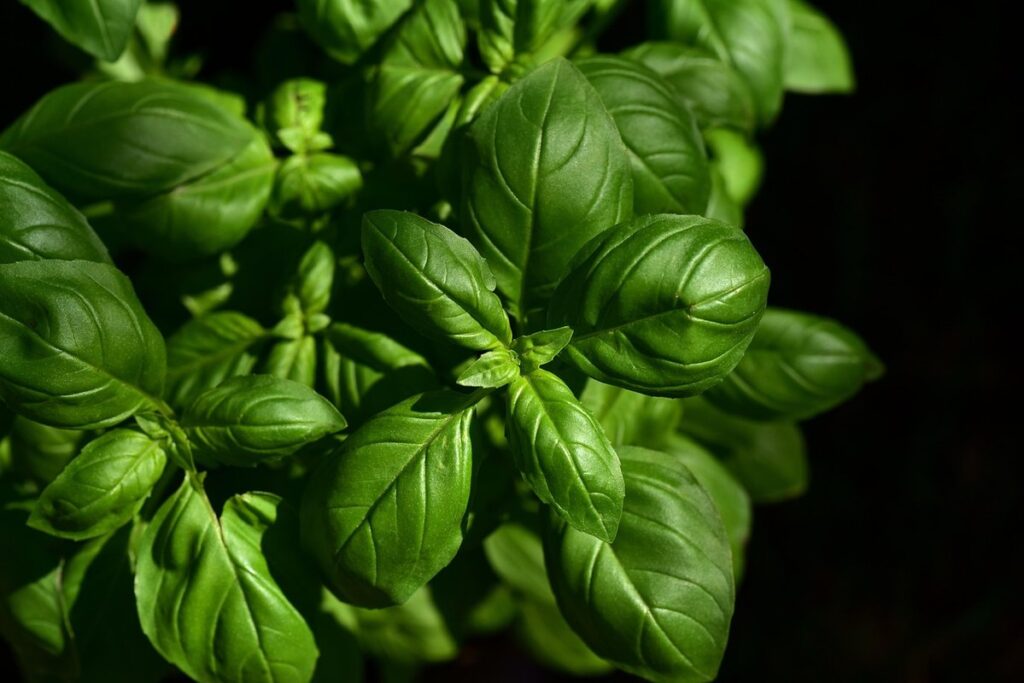
Benefits of Using Fresh Herbs
Using fresh herbs can add immense flavor, aroma, and nutritional value to your dishes, making them a game-changer for home cooks. Whether you’re a seasoned chef or a beginner in the kitchen.
Nutritional Value of Fresh Herbs
Fresh herbs are more than just a flavorful addition to your dishes; they’re also packed with essential nutrients. A single sprig of fresh rosemary contains over 10% of the daily recommended intake of vitamin A, while parsley is a rich source of vitamin C, providing up to 100% of the daily value in a single cup. Fresh herbs like basil and cilantro are also high in potassium, an electrolyte that helps regulate fluid balance and blood pressure.
In addition to these vitamins and minerals, fresh herbs are renowned for their antioxidant properties. Antioxidants help protect cells from damage caused by free radicals, which can contribute to chronic inflammation and diseases like heart disease and cancer. Consuming a variety of fresh herbs can provide a range of health benefits, including reduced inflammation and improved digestion.
When using fresh herbs in cooking, be sure to choose the freshest bunch possible. Avoid wilted or yellowing leaves, as they may have lost some of their nutritional value. Also, note that dried herbs can’t replicate the same level of nutrition found in fresh varieties, so try to incorporate fresh herbs into your meals whenever possible.
Aromatic and Flavor Profiles
Fresh herbs offer a diverse range of aromatic and flavor profiles that can elevate various types of cuisine. For instance, basil’s sweet and slightly spicy aroma is perfect for Mediterranean dishes like pesto or caprese salads. On the other hand, rosemary’s piney and herbaceous notes pair well with roasted meats and vegetables in traditional Italian cooking.
Thyme, with its minty and slightly lemony flavor, adds depth to soups, stews, and braises. It also pairs surprisingly well with seafood dishes like fish or shrimp. Parsley’s fresh, green taste complements salads, sauces, and garnishes, while cilantro’s citrusy notes are often used in Mexican and Indian cuisine.
When using these herbs, consider the intensity of their flavors. Basil and parsley are best used in moderation to avoid overpowering other ingredients. Thyme and rosemary, however, can be used more liberally due to their more subtle flavor profiles. When pairing fresh herbs with different cuisines, remember that Mediterranean dishes often feature basil, oregano, or thyme, while Asian-style cooking may include cilantro, mint, or lemongrass. By understanding the unique characteristics of each herb, you can unlock a world of flavors and experiment with new recipes.
Choosing and Storing Fresh Herbs
Choosing the right fresh herbs for your recipes is just as important as storing them properly, so let’s cover some essential tips to keep your herbs fresh. We’ll explore the best ways to store popular herbs like basil and parsley.
Selecting Fresh Herbs at the Market
When selecting fresh herbs at the market, it’s essential to choose ones with vibrant colors and crisp textures. Hold a sprig of basil between your fingers; if it crumbles easily, it may be past its prime. Similarly, inspect parsley for any signs of wilting or discoloration. Aromatic herbs like rosemary and thyme should have a fragrant scent when bruised.
Check the freshness date labels on pre-packaged herbs, but keep in mind that these are not always reliable indicators. Instead, look for bunches with tightly closed leaves and minimal moisture loss. Some markets may also offer “just-picked” or “daily harvest” sections where you can find exceptionally fresh herbs.
Consider visiting local farmers’ markets or joining a community-supported agriculture (CSA) program to access seasonal produce, including fresh herbs. For example, during the warmer months, you’re more likely to find an abundance of basil and mint. In contrast, colder seasons bring an influx of hardery herbs like rosemary and sage.
Look for bunches with minimal signs of pests or diseases, such as aphids or powdery mildew. If possible, ask your vendor about the herb’s origin and growing conditions to make informed choices.
Storage Methods for Maximum Freshness
When storing fresh herbs, it’s essential to maintain optimal humidity levels to prevent moisture loss. Airtight containers with a damp paper towel can work well for delicate herbs like basil and mint. Simply place the leaves inside the container, cover them with the paper towel, and seal the lid.
For bulkier herbs like parsley or cilantro, you can use paper bags with holes punched in them to allow for airflow. This method helps prevent moisture buildup while keeping the herbs fresh. Store these herbs in a cool, dry place away from direct sunlight.
Freezing is another excellent storage method for maintaining freshness. Chop the herbs finely and mix them with a small amount of olive oil or water. Spoon the mixture into an ice cube tray, freeze, and then transfer the frozen cubes to an airtight container or freezer bag. Frozen herbs are perfect for using in soups, stews, or sauces.
When freezing, keep in mind that some herbs like basil and mint may lose their flavor intensity. However, they will still retain most of their nutrients. Consider labeling the frozen herb cubes with their corresponding thawing time to ensure you use them at optimal freshness.
Preparing and Using Fresh Herbs
When working with fresh herbs, it’s essential to properly prepare them before using in recipes. Learn how to clean, chop, and store your favorite herbs for optimal flavor and nutrition.
Basic Preparation Techniques
When working with fresh herbs, proper preparation is essential to release their full flavor and aroma. Chopping is a simple yet effective way to prepare most herbs. Use a sharp knife to cut them into small pieces, ideally just before adding them to your dish. The size of the chop will depend on the herb’s texture and the desired intensity of its flavor.
For delicate herbs like basil or mint, a gentle slice or chiffonade is often preferred. This involves stacking the leaves and cutting them into thin strips. Mincing, on the other hand, is better suited for robust herbs like rosemary or thyme. Hold the herb vertically and cut it in a rocking motion, applying gentle pressure.
Making herb butters and oils is also an excellent way to prepare fresh herbs. Simply mix softened butter with chopped herbs and season with salt as needed. For herb-infused oils, combine chopped herbs with a neutral oil like olive or grapeseed in an airtight container. Store the mixture in the refrigerator for up to 1 week, shaking occasionally.
When making herb butters and oils, it’s essential to use high-quality ingredients and store them properly to maintain their flavor and aroma. This will ensure that your dishes are infused with the full essence of fresh herbs.
Herb Pairing Guide
When pairing fresh herbs with various types of cuisine, consider the flavor profiles and aromas of each herb. Basil is a classic choice for Mediterranean dishes, particularly those featuring chicken, fish, or vegetables. Its sweet, slightly spicy taste complements the rich flavors of roasted tomatoes and olives.
In contrast, cilantro pairs well with Mexican and Asian-style cooking, adding a fresh, citrusy note to salsas, salads, and noodle dishes. Parsley and dill are also commonly used in Mediterranean cuisine, but their milder flavor makes them suitable for soups, stews, and sauces.
Some chefs recommend pairing herbs with foods of similar origin or cultural background. For example, use Thai basil with Southeast Asian-inspired stir-fries and curries. Similarly, Italian parsley is a natural fit for pasta dishes and risottos.
When working with stronger-tasting herbs like rosemary and thyme, use them in moderation to avoid overpowering other flavors. A general rule of thumb is to combine 2-3 sprigs of robust herbs per serving, or 1-2 sprigs for milder herbs. Experimenting with different herb pairings can help you develop a unique flavor profile that suits your taste preferences and cooking style.
Popular Fresh Herbs for Different Dishes
Whether you’re a seasoned chef or a home cook, using fresh herbs can elevate your dishes and add a burst of flavor. Let’s take a look at some popular herbs that pair perfectly with various cuisines.
Herbs for Mediterranean Cuisine
Mediterranean cuisine is renowned for its bold flavors and aromas, which are expertly balanced by a few key fresh herbs. Oregano, thyme, rosemary, and parsley are staples in many Mediterranean dishes, including Greek salads and Italian pasta sauces. These herbs not only add flavor but also provide a boost of antioxidants and essential oils.
When using oregano in your cooking, pair it with ingredients like lemon juice and olive oil to bring out its pungency. Thyme is often used to complement rich flavors like lamb or tomato sauce, while rosemary pairs well with roasted meats and vegetables. Parsley adds a fresh, citrusy note to salads and soups.
To incorporate these herbs into your Mediterranean-inspired dishes, start by making a classic Greek salad with oregano, parsley, cucumber, tomatoes, and feta cheese. For pasta sauces, try combining thyme and rosemary with garlic, olive oil, and crushed tomatoes. You can also use these herbs to marinate meats or add them as a finishing touch to soups and stews. Experiment with different combinations to find the perfect balance of flavors for your dishes.
Herbs for Asian-Style Cooking
In Asian-style cooking, fresh herbs add a bright, citrusy flavor to dishes like Thai curries, Chinese stir-fries, and Vietnamese salads. Among the most commonly used herbs are cilantro, basil, mint, lemongrass, and kaffir lime leaves. Cilantro, also known as coriander, is a staple in many Asian cuisines, adding a pungent flavor to dishes like Thai green curry and Indian chutneys.
Basil, often paired with lemongrass, adds an aromatic flavor to soups and stir-fries. Mint, commonly used in Vietnamese desserts and drinks, also finds its way into savory dishes like lamb curries. Lemongrass, with its citrusy scent, is a key ingredient in many Thai soups and marinades. Kaffir lime leaves, often combined with cilantro and chili peppers, add depth to Indonesian and Malaysian dishes.
When using these herbs in Asian-style cooking, remember that a little goes a long way. Start with small amounts and adjust to taste, as overuse can overpower the dish’s other flavors. You can also combine multiple herbs for added complexity and depth. For example, pairing cilantro with lemongrass creates a fresh, citrusy flavor profile perfect for Thai-inspired dishes.
Advanced Techniques with Fresh Herbs
As you become more comfortable working with fresh herbs, it’s time to take your skills to the next level and explore some advanced techniques for incorporating them into your cooking. From making herb-infused oils to using them in sauces, we’ll show you how.
Infused Oils and Vinegars
Infused oils and vinegars are a great way to add depth and complexity to dishes without overpowering their natural flavors. These flavorful liquids can be used as finishing touches for everything from salads and soups to meats and vegetables.
To make infused oil, combine fresh herbs with a neutral-tasting oil like grapeseed or canola in a clean glass jar. The ratio is typically 1 part herbs to 3 parts oil, but feel free to experiment and adjust the proportions based on your personal taste. Store it in a cool, dark place for at least two weeks, shaking the jar every few days to help the flavors meld.
When using infused oils, remember that a little goes a long way – start with a small amount and add more to taste. You can also use them as a marinade or brush them onto meats during cooking.
Infused vinegars are made in a similar way, but with white wine vinegar or apple cider vinegar instead of oil. The herbs infuse into the acid, creating a tangy and savory flavor that’s perfect for salad dressings, marinades, and sauces.
Some popular herb-infused oil combinations include basil and lemon, rosemary and garlic, and thyme and bay leaves. Experiment with different herbs and flavors to create your own unique blends.
Herb-Infused Marinades and Sauces
When it comes to adding depth and complexity to dishes, herb-infused marinades and sauces are a game-changer. By infusing fresh herbs like rosemary, thyme, and oregano into liquids, you can create rich, aromatic flavors that elevate even the most mundane ingredients.
To make an herb-infused marinade, start by combining chopped fresh herbs with acidic ingredients like lemon juice or vinegar in a bowl. Let it sit for at least 30 minutes to allow the oils in the herbs to infuse into the liquid. For example, try combining 1/4 cup of olive oil with 2 tablespoons of chopped rosemary and 2 cloves of minced garlic.
For sauces, you can use the same principle, but add a thickerening agent like honey or cornstarch towards the end of cooking time. A simple recipe for homemade teriyaki sauce involves infusing soy sauce with ginger, garlic, and green onions. Simply combine 1/2 cup of soy sauce with 2 tablespoons of grated ginger and 2 cloves of minced garlic in a bowl, then let it sit for at least 30 minutes before straining and using as needed.
Some popular herb-infused marinade and sauce recipes include:
- Rosemary lemon butter: Infuse olive oil with chopped rosemary and lemon zest, then mix with softened butter.
- Thyme BBQ sauce: Combine thyme leaves with ketchup, apple cider vinegar, and brown sugar for a sweet and tangy BBQ sauce.
- Oregano teriyaki sauce: Mix oregano leaves with soy sauce, ginger, garlic, and honey for a savory Asian-inspired sauce.
Troubleshooting Common Issues with Fresh Herbs
Fresh herbs can be finicky, and we’ve all been there – wilting leaves, brown tips, and lost flavor. Don’t worry, we’ll walk you through common issues and solutions to keep your herbs thriving.
Overpowering or Underwhelming Flavors
When working with fresh herbs, it’s not uncommon to encounter issues with overpowering flavors or underwhelming results. Overpowering flavors can arise from using too many herbs, choosing herbs with strong aromas like basil or rosemary, or adding them at the wrong stage of cooking. On the other hand, underwhelming flavors may be due to using herbs that have lost their potency or haven’t been used in a complementary way.
To balance herb flavors in dishes, start by considering the overall flavor profile you want to achieve. For example, if making a Mediterranean-style salad, use herbs like oregano and thyme to add depth without overpowering other ingredients. When using strong herbs like basil or rosemary, pair them with milder ingredients to prevent overwhelming flavors.
In general, it’s better to err on the side of caution when adding fresh herbs to a dish. Begin with small amounts and adjust to taste, as you can always add more but it’s harder to remove excess herbs. Consider the cooking time too – some herbs like parsley and cilantro are best added at the end of cooking to preserve their flavor and aroma.
Preserving Fresh Herbs for Later Use
To preserve fresh herbs for later use, consider one of three methods: freezing, dehydrating, or making herbal teas. Freezing is a simple and effective way to retain herb flavor and aroma. Chop the herbs finely and place them in airtight containers or freezer bags. Frozen herbs are perfect for adding to soups, stews, and sauces.
Dehydrating involves removing moisture from the herbs using a food dehydrator or by air-drying them. This method is ideal for delicate herbs like basil and mint. Remove excess moisture with a salad spinner or paper towels before placing the herbs in a single layer on a baking sheet. Store dried herbs in a cool, dark place.
To make herbal teas, steep fresh or dried herbs in hot water for 5-10 minutes. Popular herb combinations include peppermint and lemon balm for digestive issues or chamomile and lavender for relaxation. Strain the tea before serving to avoid any loose particles. You can also add these teas to salad dressings, marinades, or as a flavorful base for soups.
Frequently Asked Questions
Can I Use Fresh Herbs in Place of Spices for Every Recipe?
Yes, fresh herbs can be used as a substitute for spices, but it’s essential to consider the flavor profile and intensity of each herb. For example, basil is a strong-flavored herb that works well in Mediterranean dishes, while thyme is more suitable for soups and stews.
How Long Do Fresh Herbs Typically Last When Stored in an Airtight Container?
The shelf life of fresh herbs stored in an airtight container depends on the type of herb. Generally, leafy herbs like parsley and basil last around 1-2 weeks, while woody herbs like rosemary and thyme can last up to 3-4 weeks.
What If I Forget to Use Up My Fresh Herbs Before They Go Bad?
You can preserve fresh herbs by freezing them in airtight containers or ice cube trays. Simply chop the herbs, place them in a container, and store it in the freezer for later use. You can also make herbal teas by infusing fresh herbs in hot water.
Can I Use Fresh Herbs to Make Infused Oils and Vinegars Without Specialized Equipment?
Yes, you can make infused oils and vinegars using simple equipment like glass jars and a blender or food processor. Simply combine the herbs with oil or vinegar in a jar, seal it, and let it sit for a few days before straining and bottling.
How Do I Know Which Fresh Herbs to Pair with Different Types of Protein?
Consider the flavor profile and intensity of each herb when pairing them with protein sources like meat, poultry, or fish. For example, rosemary pairs well with lamb, while thyme complements chicken and fish.

