
Choosing eco-friendly diapers for your baby is an excellent way to reduce their environmental impact, but it can be overwhelming with so many options available. The conventional diaper industry has significant environmental consequences, from chemical-laden materials to massive amounts of waste generated daily. By switching to eco-friendly alternatives, you’re not only doing the planet a favor but also promoting healthier development for your child. In this article, we’ll explore the benefits and best practices of using eco-friendly diapers, including how to choose the right one for your needs and overcome common challenges that come with making the switch. We’ll delve into the importance of reducing waste, selecting sustainable materials, and finding a balance between affordability and environmental responsibility, so you can feel confident in your decision.
Understanding the Impact of Traditional Diapers
Traditional diapers may seem harmless, but their environmental footprint is significant, affecting not only our planet but also your baby’s sensitive skin. Let’s examine the impact of these conventional products on a daily basis.
The Environmental Cost of Disposable Diapers
The production of disposable diapers contributes significantly to environmental degradation. Deforestation is a major concern as many trees are cut down to make the wood pulp used in these products. The majority of diapers contain chlorine-bleached wood pulp, which has been linked to water pollution and soil contamination. In the US alone, it’s estimated that over 20 million trees are felled each year just for disposable diaper production.
Furthermore, the manufacturing process for disposable diapers requires large amounts of energy, leading to significant greenhouse gas emissions. The average American baby uses around 2,500-3,000 disposable diapers in their first year alone, resulting in substantial waste and pollution. In addition to these environmental impacts, disposable diapers also contribute to landfill waste and methane production as they decompose.
When choosing an eco-friendly diaper option, it’s essential to consider the environmental cost of traditional disposable diapers. Opting for reusable or biodegradable alternatives can significantly reduce your baby’s carbon footprint and promote sustainable practices in baby care. When selecting a more environmentally friendly option, look for products that use sustainable materials and have minimal packaging.
Health Risks Associated with Chemical-Laden Diapers
Chemicals like dyes, fragrances, and pesticides are commonly found in traditional diapers. These additives can expose babies to potential health risks, particularly skin irritation and allergic reactions. For instance, some infants may develop contact dermatitis or eczema due to the harsh chemicals present in these products.
The use of dyes in diapers is another concern, as they can be contaminated with heavy metals like lead and cadmium. These toxic substances can accumulate in a baby’s body over time, leading to serious health issues. Furthermore, fragrances in traditional diapers can cause respiratory problems and trigger asthma attacks in some children.
Pesticides used in the manufacturing process of these diapers have also been linked to various health concerns. Babies who wear these diapers may be at risk of developing hormone-related disorders or reproductive issues later in life. To minimize exposure to these chemicals, consider opting for eco-friendly diapers made from natural materials and free from additives. Look for products that are certified by reputable organizations, such as the EcoLogo program, which ensures compliance with rigorous environmental standards.
Eco-Friendly Alternatives to Disposable Diapers
If you’re looking for a more sustainable way to care for your baby’s bottom, consider these eco-friendly alternatives to traditional disposable diapers that are gentle on the environment. From cloth diapers to hybrid options, explore your choices here.
Cloth Diapering 101: A Beginner’s Guide
Cloth diapering offers numerous benefits for parents looking to reduce their environmental footprint and save money. One of the most significant advantages is the reduced number of disposable diapers required over a baby’s lifetime. According to the Environmental Protection Agency (EPA), a single child can generate up to 2,500 pounds of waste from disposable diapers.
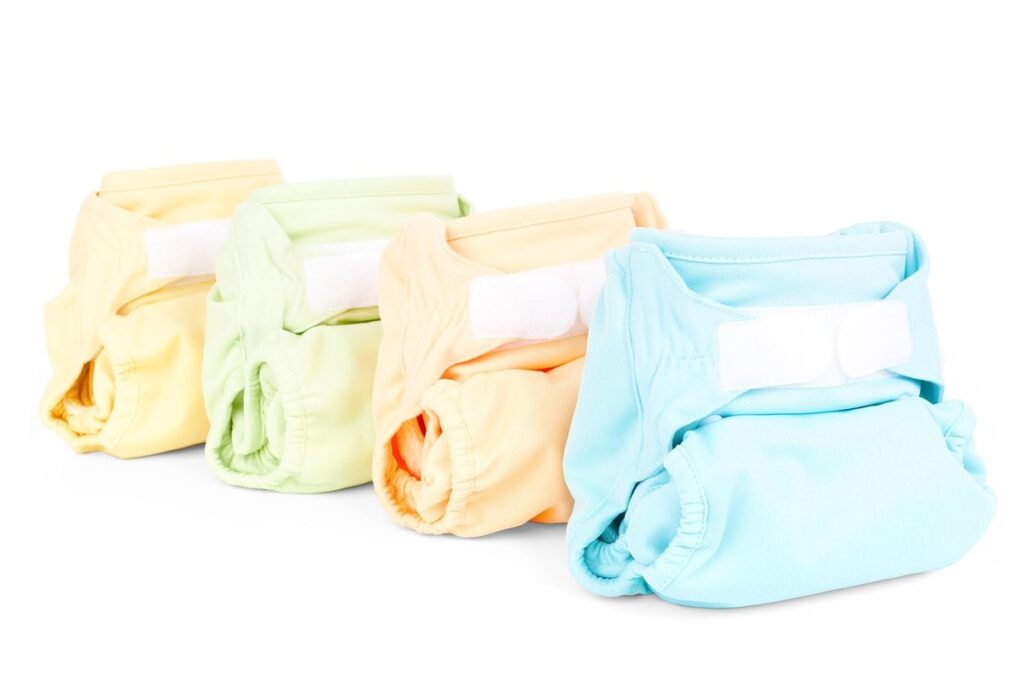
There are three primary types of cloth diapers: all-in-one, all-in-two, and pocket diapers. All-in-one diapers have a built-in absorbent layer and waterproof lining, making them easy to use but more expensive. All-in-two diapers feature separate components that can be mixed and matched for different situations. Pocket diapers have an insertable absorbent layer that’s placed inside the diaper.
Common issues with cloth diapering include leaks, skin irritation, and difficulty in getting rid of stains. To troubleshoot these problems, it’s essential to use a gentle detergent and avoid overloading the diaper with too much absorbency. Regular washing and proper storage can also help prevent stains from setting in.
Hybrid Diapers: The Best of Both Worlds?
Hybrid diapers offer a compromise between the convenience of disposables and the eco-friendliness of cloth. They typically consist of a reusable outer shell with removable, washable inserts made from materials like cotton or bamboo. This design allows for easy disposal of soiled liners while keeping the main diaper clean for repeat use.
The benefits of hybrid diapers include reduced waste and the potential for fewer diaper changes. Parents can also choose inserts made from eco-friendly materials, such as hemp or Tencel, which are biodegradable and require less water to produce than traditional cotton. Some hybrid diapers come with adjustable snaps or Velcro closures, making them easier to fit on smaller babies.
For parents who want to minimize their environmental impact but struggle with the laundry commitment required for full-time cloth diapering, hybrids can be a more manageable option. However, it’s essential to consider factors like durability, absorbency, and maintenance costs when selecting a hybrid system. Some popular brands offer high-quality options, but it’s also possible to DIY or upcycle your own hybrid diapers with thrifted materials.
Choosing the Right Eco-Friendly Diaper for Your Needs
Choosing a suitable eco-friendly diaper can be overwhelming, but understanding your priorities and needs is key to making an informed decision. Consider your baby’s age, lifestyle, and sensitivity when selecting a diaper.
Factors to Consider When Selecting an Eco-Friendly Diaper
When selecting an eco-friendly diaper, consider the materials used. Look for diapers made from sustainable materials like bamboo, cotton, and recycled paper products. Some popular brands use FSC-certified wood pulp to reduce their carbon footprint. However, be aware that even eco-friendly materials can have negative environmental impacts if not sourced responsibly.
Assessing absorbency is crucial, as it directly affects your baby’s comfort and the diaper’s effectiveness. Opt for diapers with a high liquid-absorbing capacity or those specifically designed for heavy wetters. Also, consider diapers with adjustable absorbency levels to accommodate your child’s changing needs. For example, nighttime diapers often require more absorbency than daytime diapers.
Durability is another key factor to consider. Eco-friendly diapers may be made from natural fibers that can break down over time. Look for brands that use strong stitching and reliable fastening systems to minimize leakage and extend the diaper’s lifespan. Finally, think about your baby’s skin sensitivity and choose a diaper with a gentle, hypoallergenic design that reduces the risk of irritation.
Top Brands and Products: A Review
Some of the top brands and products in the eco-friendly diaper market stand out for their unique features and benefits. Seventh Generation is known for its plant-based materials and BPA-free design, making it a popular choice among parents who prioritize environmental sustainability. Bambo Nature, on the other hand, uses natural materials like bamboo and cotton to create diapers that are breathable and gentle on baby’s skin.
Other notable brands include The Honest Company and Andy Pandy, both of which offer a range of eco-friendly diaper options with unique features such as flushable liners and biodegradable packaging. What sets these products apart is their commitment to using sustainable materials and minimizing waste throughout the production process. For example, Seventh Generation’s diapers are made from 95% plant-based materials, reducing the amount of non-renewable resources used in traditional diaper manufacturing.
When choosing an eco-friendly diaper brand, consider your family’s specific needs and preferences. If you’re looking for a diaper with a biodegradable lining, Bambo Nature might be the way to go.
Tips for Switching to Eco-Friendly Diapers
Now that you’ve made the switch to eco-friendly diapers, it’s time to learn how to transition your baby’s entire diaper routine to sustainable products and practices. This section shares expert advice on a seamless switch.
Preparing for a Smooth Transition
When making the switch to eco-friendly diapers, it’s essential to prepare both your home and baby for the change. Start by washing your baby’s hands thoroughly after handling soiled diapers, and make sure to wash your own hands as well before touching your baby or preparing food.
You’ll also want to set up a dedicated space for diaper storage and washing. Designate an area in your laundry room or a corner of a bedroom where you can keep a supply of eco-friendly diapers and dispose of soiled ones. Consider using a diaper pail with a charcoal filter to minimize odors. When it comes to washing, look for a detergent that’s free from harsh chemicals and suitable for use on cloth diapers.
To ensure a smooth transition for your baby, introduce the new diapers gradually over several days or weeks. This allows their sensitive skin time to adjust to the different materials and dyes used in eco-friendly products. Keep an eye out for any signs of irritation or discomfort, and consult with your pediatrician if you have concerns.
Common Challenges and Solutions
One of the most significant challenges you’ll face when switching to eco-friendly diapers is the potential for leakage and skin irritation. This can be especially frustrating if you’ve been using traditional diapers with their absorbent chemicals and superabsorbent polymers (SAPs). A common culprit behind these issues is the switch from SAPs, which can leave behind a residue that irritates sensitive skin.
To troubleshoot, try switching to eco-friendly diaper brands that use natural fibers like bamboo or cotton. These materials tend to be gentler on baby’s skin and can reduce the risk of irritation. You may also want to consider using eco-friendly diaper cream or ointment to help soothe any existing irritations.
Another challenge you might encounter is the increased frequency of changing required with eco-friendly diapers. Since these diapers typically have a lower absorbency capacity, you’ll need to change them more often to prevent leaks. To make this transition smoother, try stocking up on extra sets of clothes and diapers for emergency situations, or consider investing in a diaper pail with built-in wet bags for easy disposal.
The Future of Eco-Friendly Diapers: Trends and Innovations
As we continue on our journey to sustainable baby care, let’s look at the exciting trends and innovations emerging in eco-friendly diaper technology. From biodegradable materials to reusable options, change is afoot.
Emerging Technologies and Materials
Researchers are exploring various emerging technologies and materials to improve eco-friendly diaper performance. Biodegradable plastics, such as polylactic acid (PLA), are being developed for their potential to replace traditional plastic components. These bioplastics can reduce greenhouse gas emissions associated with conventional plastic production.
Natural fibers like bamboo, sugarcane, and hemp are also gaining attention for their absorbency and eco-friendliness. Bamboo-based diapers have shown significant advantages in terms of breathability and moisture-wicking properties. However, the use of natural fibers often comes at a higher cost due to factors such as harvesting and processing requirements.
Some companies are combining biodegradable materials with advanced manufacturing techniques to create innovative products. For instance, a few brands are utilizing 3D printing to craft diapers from sustainable materials, reducing waste and allowing for more precise designs. While these advancements show promise, it’s essential to consider the scalability and availability of emerging technologies when making eco-friendly diaper choices.
Industry Advancements and Standards
The industry is rapidly moving towards stricter standards and certifications for eco-friendly diaper production. The Bluesign standard, for instance, ensures that diapers meet rigorous environmental and health criteria. This includes limitations on chlorine bleach, dyes, and other chemicals known to harm the environment or human health. As a result, some manufacturers are now incorporating this certification into their marketing campaigns.
Other notable certifications include Oeko-Tex and GOTS (Global Organic Textile Standard). These labels guarantee that diapers meet certain criteria for organic content, non-toxic materials, and production processes that minimize environmental impact. When shopping for eco-friendly diapers, look for these certifications as a sign of quality and commitment to sustainability.
Labeling requirements also play a significant role in promoting transparency and accountability within the industry. The EU’s Eco-Label certification, for example, requires manufacturers to disclose specific information about their products’ composition, packaging, and end-of-life processes. This growing emphasis on transparent labeling is crucial for consumers who want to make informed choices about their baby care products. By prioritizing certifications and labels that align with your values, you can find diapers that not only reduce waste but also promote a healthier environment for your child.
Frequently Asked Questions
Can I use eco-friendly diapers for twins or multiples?
Yes. Eco-friendly diaper brands often offer options for larger sizes and higher capacities to accommodate multiple babies. However, you may need to adjust your washing schedule and storage space accordingly.
What if my baby has sensitive skin and needs hypoallergenic diapers?
Look for brands that specifically label their products as hypoallergenic or fragrance-free. Some popular eco-friendly diaper brands also offer organic cotton and natural latex options, which can be gentler on delicate skin.
How do I ensure my laundry routine doesn’t negate the eco-friendliness of cloth diapers?
Use a gentle wash cycle with cold water and eco-friendly detergent to minimize energy consumption and reduce environmental impact. Consider line-drying your diapers or using a clothes rack to save energy.
Can I use reusable diapers for overnight use, or do I need specialized nighttime diapers?
Most reusable diaper brands offer absorbency levels suitable for nighttime use. However, you may want to consider using extra layers of protection or booster pads specifically designed for overnight wear to minimize leaks and messes.

