
Drawing realistic illustrations of otters can be a challenging yet rewarding experience for artists. Whether you’re a seasoned professional or just starting out, mastering the art of drawing these charismatic creatures requires a combination of technical skill and artistic vision. With their sleek fur, playful demeanor, and aquatic abilities, otters have become a popular subject in both watercolor and digital art. However, many artists struggle to capture their likeness accurately, leading to frustration and disappointment. This comprehensive guide aims to address this issue by covering the history, techniques, and styles involved in drawing otters. By the end of this article, you’ll learn how to create realistic and engaging illustrations using a range of mediums, from watercolor to digital tools.
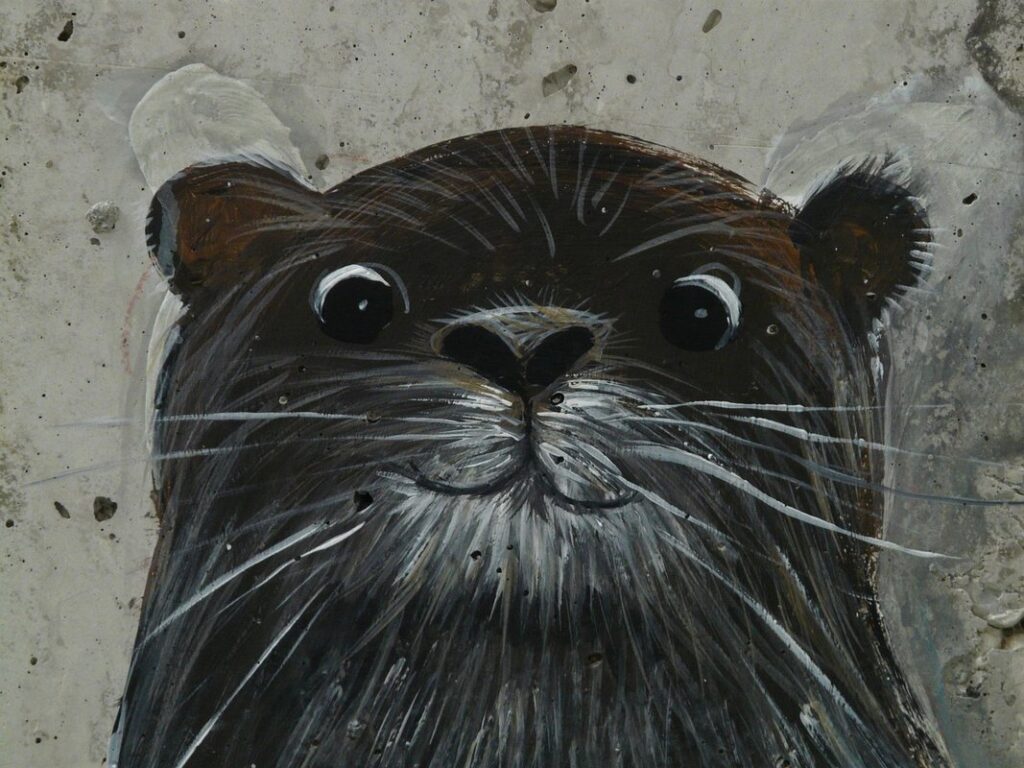
History of Otter Illustrations
Otter illustrations have a rich and fascinating history that spans centuries, from ancient cultures to modern-day artists. Let’s take a journey through the evolution of otter art over time.
Early Depictions of Otters in Art
Otters have been a subject of fascination for artists and wildlife enthusiasts alike throughout history. In ancient civilizations such as Egypt and Greece, otters were often depicted in hunting scenes and mythological contexts. For example, the tomb paintings of ancient Egypt feature otters in elaborate hunting scenarios with falcons, highlighting their importance in the ecosystem.
In Asian cultures, particularly in Japanese art, otters have been revered for their playful nature and symbolized good fortune. The ukiyo-e woodblock prints of the 17th century often featured otters as central subjects, showcasing their agility and cunning. These early depictions not only demonstrated an appreciation for otter behavior but also influenced the development of otter illustrations in Western art.
Notable artists such as Henri Rousseau and Paul Gauguin were inspired by these Eastern representations when creating their own works featuring otters. Their unique styles and interpretations added to the evolution of otter illustration, emphasizing the importance of observing and capturing the animal’s playful, mischievous nature. By studying these historical examples, modern artists can appreciate the artistic and cultural significance of otters in art and incorporate elements of their behavior and characteristics into their own work.
Evolution of Otter Illustration Styles
Throughout history, otter illustrations have been shaped by various artistic styles and movements. During the 19th century, realism dominated otter art, with artists aiming to accurately depict the animal’s fur texture and body shape. This style is exemplified in the works of John James Audubon, who meticulously detailed the North American river otter’s coat patterns.
As the Impressionist movement gained momentum, otter illustrations began to take on a softer, more expressive quality. Artists like Henri Matisse used bold brushstrokes and vibrant colors to capture the otter’s playful nature. Watercolor techniques also became increasingly popular during this period, allowing artists to create delicate, dreamy depictions of otters.
In the 20th century, modernism and abstraction influenced otter art, with some artists experimenting with non-realistic forms and bold shapes. This is evident in the works of Andy Warhol, who reproduced images of otters using silkscreen printing techniques.
To apply this knowledge, consider how different artistic styles might suit your personal taste or subject matter. If you’re aiming to create a realistic illustration, stick to traditional mediums like pencil or charcoal. For a more expressive piece, experiment with watercolor or mixed media.
Techniques for Drawing Otters
Drawing otters requires a delicate balance between capturing their playful nature and conveying their sleek, aquatic physique. Mastering specific techniques will help you bring these charming creatures to life on paper.
Mastering Proportion and Anatomy
When drawing an otter’s body, it’s essential to get the proportions right. The ideal measurement for an adult otter is roughly 3-4 times its length equal to its height at the shoulder. For example, a 12-inch tall otter would be about 36-48 inches long. Start by dividing the body into sections: head, neck, torso, and tail. Note that the head accounts for only about one-fifth of the overall length, while the torso and tail make up roughly two-thirds.
To accurately depict an otter’s anatomy, consider its muscle structure. Otters have strong shoulder muscles that allow them to swim efficiently, but their hind legs are relatively weak due to their aquatic lifestyle. Focus on capturing this unique musculature in your drawings. Don’t forget the facial features: an otter’s eyes are set fairly far apart and its whiskers are long and thin.
When drawing an otter’s body proportions, keep in mind that its torso is typically longer than its neck. This can be a subtle but important distinction to get right. Also, pay attention to the way the fur lies on the body: it should be thicker around the shoulders and thinner towards the tail.
Capturing Movement and Expression
When drawing otters, it’s essential to capture their unique movement and expression. This can be achieved by studying how their bodies are positioned and how they move through space. Observe how an otter’s ears perk up when it senses something interesting, or how its whiskers twitch as it sniffs the air.
To convey energy and playfulness, focus on dynamic poses that show the otter in motion. Use quick, loose strokes to suggest movement, rather than trying to draw every detail. For example, you could depict an otter chasing after a fish, its paws barely touching the water’s surface as it leaps through the air.
To capture expression, pay attention to the eyes and facial muscles. Otters have large, round eyes that seem to sparkle with curiosity, while their facial muscles are highly expressive, conveying emotions like excitement or contentment. When drawing an otter’s face, try to capture these subtle nuances by using soft lines and gentle curves.
Incorporating movement and expression into your drawings will help bring your otters to life, making them more engaging and relatable for the viewer. Experiment with different poses and facial expressions to find what works best for your artwork.
Different Media for Otter Drawings
Whether you’re a seasoned artist or just starting out, choosing the right medium is crucial to bringing your otter drawing to life. From traditional pencils and paints to digital tools, we’ll explore various options that suit different styles and preferences.
Watercolor Techniques for Soft, Expressive Otters
To create soft, expressive illustrations of otters with watercolors, focus on layering and blending techniques. Start by wetting the entire sheet to create a uniform base tone. This will allow you to build up layers of color without worrying about underlying inconsistencies. Use gentle brushstrokes to apply washes of transparent paint, allowing each layer to dry before adding the next.
To achieve the right texture, experiment with different brushes and paper types. A rough-textured paper can help mimic the fur’s natural texture, while a soft-bristled brush can create subtle blending effects. When painting otter fur, focus on capturing the way light catches individual hairs, rather than trying to render every single strand.
Use glazing techniques to achieve deep, rich colors. Apply multiple thin layers of transparent paint over a base color to build up luminosity and depth. This will help create a sense of softness and subtlety in your otter’s fur. By mastering these watercolor techniques, you can capture the playful, expressive nature of otters on paper.
Digital Tools for Creating Realistic Otters
Photorealistic software like Clip Studio Paint and Adobe Photoshop are popular choices for creating realistic otter drawings. These programs offer a range of brushes and tools that can be used to achieve intricate textures and details. For example, the “Wet Media” brush in Clip Studio Paint mimics the look of watercolor paintings, while Adobe’s “Brush Engine” allows artists to create custom brushes from scratch.
Another option is digital painting software like Corel Painter or Krita. These programs offer a more natural drawing experience, with features like customizable brushes and layers that can be used to build up complex textures. For instance, Krita’s “Dancing Brush” tool can create dynamic strokes that mimic the movement of a real otter.
When using digital tools, it’s essential to practice and experiment to achieve realistic results. Artists can start by studying reference images of otters in various environments and lighting conditions. They should also consider the specific texture and fur patterns they want to replicate, as these can be time-consuming to create digitally.
The Role of Reference Images in Otter Drawings
When drawing otters, reference images can make all the difference in capturing their playful, furry essence. Let’s explore how to use these visual aids effectively in your artwork.
Importance of Accurate Reference Images
Accurate reference images are essential for capturing the subtleties and complexities of an otter’s appearance. When artists rely on inaccurate or generic reference images, their drawings often suffer from exaggerated features, misplaced proportions, or a lack of texture and detail. By contrast, using accurate reference images allows artists to accurately depict the shape and size of an otter’s ears, nose, and eyes, as well as the softness and texture of its fur.
Reference images can also help artists capture the subtleties of an otter’s posture and movement. For example, a photograph of an otter in mid-pounce can provide valuable insights into the tension and muscle structure required to achieve this pose. Conversely, a still image of an otter relaxing on a riverbank can offer guidance on how to convey a sense of relaxation and calm.
To find accurate reference images, artists should seek out high-quality photographs or videos that showcase otters in various environments and contexts. Many wildlife photographers and conservation organizations share stunning images of otters online, which can be used as valuable references for drawing and illustration purposes. By incorporating these images into their work, artists can significantly enhance the realism and accuracy of their drawings.
Finding and Utilizing Reference Images
When searching for reference images to draw otters, start with online resources. Websites like National Geographic and the World Wildlife Fund offer high-quality photos of otters in their natural habitats. These images can provide valuable insights into an otter’s posture, movement, and behavior. You can also explore stock photo websites and search for specific keywords related to otters, such as “otter swimming” or “otter playing.”
Wildlife photography can be a rich source of reference material. Look for photographers who specialize in capturing images of otters and other aquatic mammals. Their photos often showcase the intricate details of an otter’s fur, skin texture, and body language. Consider visiting local zoos or wildlife sanctuaries that offer behind-the-scenes tours or photography opportunities.
To develop your observation skills, spend time watching live otters in their habitat. Visit a nearby lake or river where otters are known to reside, and bring binoculars or a camera to capture their behavior. Observe how they interact with their environment, hunt for food, and socialize with each other. Taking notes on what you observe can help you create more accurate and engaging drawings of otters.
Advanced Techniques for Realistic Otter Drawings
To take your otter drawings to the next level, learn advanced techniques for capturing their distinctive fur patterns and expressive facial features. Mastering these skills will elevate your artwork to a new level of realism and sophistication.
Achieving Shading and Texture in Otter Illustrations
To achieve realistic shading and texture in otter illustrations, artists can experiment with various media and techniques. For instance, watercolor is well-suited for capturing soft, feathery textures and subtle gradations of tone. By layering washes and allowing them to blend on the paper, artists can create a sense of depth and dimensionality that simulates the intricate patterns found in otter fur.
Digital media, such as software like Adobe Photoshop or Procreate, offer even more precise control over shading and texture. Artists can use layer masks to build up complex textures and blend colors seamlessly. Some artists also employ specialized brushes designed to mimic the look of watercolor or oil paint, allowing for a high degree of realism in digital work.
A key consideration when aiming for realistic shading is to pay attention to the direction and intensity of light sources. In natural environments, otters often occupy areas with low-lying vegetation or shallow water, where sunlight filters through the foliage or reflects off the surface. By capturing these nuanced lighting effects, artists can create a more immersive and believable depiction of their subjects.
Creating Realistic Fur Patterns and Textures
When depicting an otter’s fur patterns and textures, artists often face a daunting task. Unlike smooth-skinned animals, otters have thick, insulating coats with intricate layering that can be challenging to capture accurately. The key lies in understanding the structure of their fur: guard hairs, undercoat, and sometimes even the presence of whisker-like facial hair.
To achieve realistic textures, start by observing the direction of individual hairs, which often lie flat against the otter’s skin or stand on end, particularly around the neck and shoulders. Use short, gentle strokes with a range of pencil values to suggest the softness and layering of fur. For digital artists, software like Procreate or Adobe Photoshop can offer advanced brushes that mimic the look and feel of real-world textures.
Consider breaking down an otter’s fur into distinct sections: face, neck, body, and tail. Focus on capturing the subtlest variations in texture and pattern within each area, rather than trying to depict every single hair. By paying attention to these details and experimenting with different drawing tools or software, you can create a richly textured and engaging otter illustration that invites the viewer’s eye to linger.
Tips for Drawing Otters from Life
When drawing otters from life, it’s essential to pay close attention to their unique body language and facial expressions. Observing these subtle details will bring your drawings to life.
Observing Live Otters in Their Habitat
Observing live otters in their habitat is one of the most effective ways to improve your artistic accuracy. When you observe otters in person, you can study their behavior, movement, and body language firsthand. This direct observation will help you capture the subtleties of an otter’s expression and movement in your drawings.
Try to spend at least a few hours observing live otters in a habitat that mimics their natural environment. Pay attention to how they interact with each other, their surroundings, and the water. Note the way they hold their bodies, the positions of their limbs, and the textures of their fur. Observe how light interacts with their coats and how shadows fall on their features.
When observing live otters, try to focus on a single aspect at a time. For example, spend 10-15 minutes studying the shape and movement of an otter’s ears or the texture of its fur. Take notes, sketch lightly, and ask yourself questions like “What is the relationship between the otter’s body and its surroundings?” or “How does the light affect the way I perceive this otter’s features?”
By observing live otters in their habitat, you’ll develop a deeper understanding of their anatomy, behavior, and expression. This will ultimately translate to more accurate and lifelike drawings.
Tips for Sketching Otters on Location
When sketching otters on location, it’s essential to be prepared with suitable materials. Bring a portable drawing kit containing a range of pencils (HB, 2B, and 6B), eraser, sharpener, and a notebook or sketchbook with a durable cover. Consider using water-soluble pencils or colored pencils for added flexibility.
To capture the otter’s movement and expression, observe its behavior and body language. Note how it moves through the water, whether with ease or with hesitation. Observe the way its fur ripples in the current. Use loose, expressive strokes to convey this energy on paper. Practice capturing rapid movements by drawing short, gestural sketches.
When sketching otters in their natural habitat, be mindful of your surroundings and respect their space. Keep a safe distance to avoid disturbing them. Take advantage of opportunities for close-up observations, but prioritize the animal’s well-being over getting the perfect shot. A 30-second sketch can be more valuable than a 10-minute observation from afar if it means not stressing or disrupting the otter.
Frequently Asked Questions
What if I’m a beginner and want to draw an otter from memory?
Start by studying reference images and familiarizing yourself with the otter’s body proportions, anatomy, and facial features. Practice drawing these elements separately before attempting to combine them in a single illustration. As you gain experience, you’ll develop your skills and become more confident in creating realistic otter drawings.
Can I use digital tools to draw an entire scene featuring otters?
Yes. Many digital art programs allow you to create detailed scenes with multiple subjects, including otters. Use software like Adobe Photoshop or Illustrator to draw the environment and otters together, taking advantage of features such as layers and blending modes to achieve realistic textures and shading.
What’s the difference between using a watercolor pencil versus a traditional watercolor brush for drawing otters?
Watercolor pencils offer more control and precision when creating delicate lines and details. Traditional watercolor brushes are better suited for soft, expressive strokes and achieving subtle color gradations. Experiment with both tools to see which one suits your style and technique.
How do I know if my digital drawing of an otter is realistic enough?
Compare your artwork with high-quality reference images of real otters. Look for accurate proportions, muscle structure, and facial features. Analyze the textures and fur patterns you’ve created – are they consistent with those found on actual otters? Continuously refine your skills by practicing and studying the work of other artists who specialize in realistic otter illustrations.
Can I draw an entire family of otters together in one illustration?
Yes. When drawing multiple otters, focus on capturing their unique expressions and interactions while maintaining accurate body proportions and anatomy. Consider using a mix-media approach, combining digital tools with traditional media to achieve the desired level of detail and texture.

