
As summer gives way to autumn, the air grows crisper and the leaves begin their colorful dance. You might find yourself longing to capture the essence of this cozy season on paper. Drawing autumn landscapes, animals, and buildings can be a therapeutic way to appreciate the fleeting beauty of nature’s final hurrah before winter sets in. But where do you start? In this article, we’ll explore expert techniques for drawing autumn scenes that evoke warmth and character. You’ll learn how to incorporate seasonal details like fallen leaves, ripe fruits, and rustic textures into your artwork, bringing the coziness of autumn to life on paper. By the time you finish reading, you’ll be equipped with the skills to create your own inviting autumn drawings, from serene landscapes to charming animal portraits.
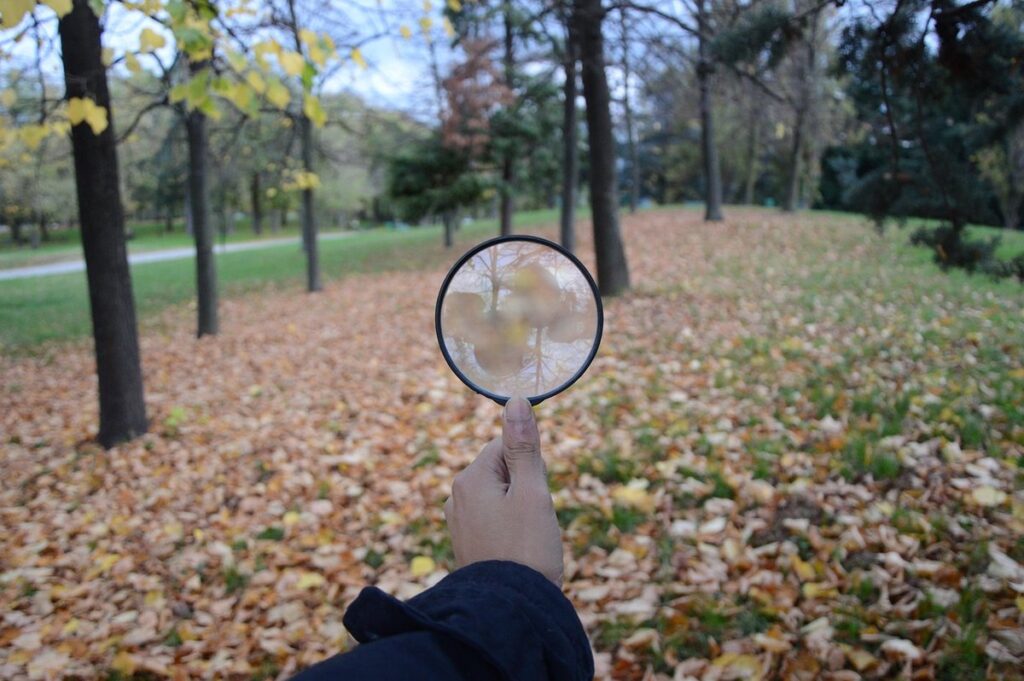
Understanding Autumn Colors and Themes
As you prepare to draw autumn scenes, let’s take a moment to understand what makes these colors so vibrant and how they can inspire your artwork. The changing hues of fall foliage hold many secrets waiting to be unlocked in your drawings.
Exploring the Palette of Autumn
The warm colors of autumn are a defining feature of the season. These hues, ranging from deep oranges to burnt reds and golden yellows, can evoke feelings of coziness and warmth when used in drawings. To create a sense of autumnal comfort, focus on earthy tones such as terracotta, sienna, and umber. These colors are reminiscent of fallen leaves, woodsmoke, and crackling fires.
Incorporate these warm colors into your drawings by using them for the majority of the composition. Consider painting or drawing a warm-colored sky to set the tone for the rest of the piece. You can also use colored pencils or markers to add pops of autumnal color to foliage, branches, or even architectural details.
When combining warm and cool tones, remember that warm colors tend to advance while cool colors recede. This means that warm colors will appear closer to the viewer while cool colors will appear farther away. Use this contrast to create depth and visual interest in your drawings.
Some examples of warm autumnal colors include: burnt orange (#FF9900), golden yellow (#F2C464), and deep red (#8B0A1A). Experiment with these colors to find the perfect palette for your autumn-themed artwork.
Depicting Nature’s Cycle of Change
As you draw autumn scenes, consider capturing the essence of nature’s cycle of change. This season is often seen as a time of transition from the vibrancy of summer to the quiet of winter. To convey this feeling, focus on depicting leaves changing color, trees shedding their leaves, and animals preparing for hibernation.
When representing falling leaves, think about capturing their gentle descent or the rustling sound they make when they hit the ground. You can achieve this by using loose brushstrokes or delicate lines to suggest movement. Consider adding some of the surrounding foliage in the background, like bare branches or remaining greenery, to emphasize the cycle of change.
For trees shedding their leaves, observe how the sunlight filters through the bare branches, casting dappled shadows on the ground. You can use a range of values and textures to convey the sense of loss and renewal. When depicting animals preparing for hibernation, think about capturing their behavior – like squirrels storing nuts or birds flying south.
To add depth to your drawings, consider including some seasonal elements that hint at the approaching winter. This could be as simple as a few snowflakes drifting through the air or a frost-covered windowpane in the background. By incorporating these details, you can convey the sense of transition and change that is characteristic of autumn.
Drawing Techniques for Autumn Landscapes
To capture the essence of autumn, let’s focus on essential drawing techniques that will help you convey the warm colors and vibrant textures of the season through your artwork. We’ll explore brushstrokes and layering to achieve depth and dimension.
Using Blending and Glazing
Blending and glazing are essential techniques for creating realistic autumn landscapes. Blending involves layering colors to achieve smooth transitions between hues, while glazing adds a translucent layer of paint over the entire surface or specific areas.
To blend colors effectively, start by using wet-on-wet brushstrokes with a soft-bristled brush. Load your brush with thin layers of paint and gently merge them onto the paper. This will help prevent harsh lines between colors. For example, to blend autumnal greens, mix a small amount of yellow ochre or burnt sienna into the green paint.
Glazing can be achieved by applying a thin layer of transparent paint over the entire surface or specific areas. This technique is particularly effective for capturing the soft, diffused light of autumn afternoons. Mix your glaze with a solvent like turpentine or linseed oil to achieve the right consistency. Apply it in thin layers, allowing each coat to dry before adding the next.
By mastering blending and glazing techniques, you can create rich, nuanced autumn landscapes that invite the viewer’s eye to explore.
Capturing Light and Shadow in Autumn Scenes
When rendering autumn scenes, it’s essential to capture the dynamic interplay of light and shadow. This contrast not only adds depth but also conveys the fleeting nature of the season. To begin, consider the time of day: warm, golden light often bathes the landscape during late afternoons, while soft, diffused light characterizes overcast skies.
To recreate this effect, focus on the placement and intensity of shadows. In autumn, they can be particularly long due to the low sun position, creating a sense of drama and atmosphere. You can use various techniques to suggest the presence of shadows: for instance, you might employ soft blending with a wet brush or drybrushing to create subtle texture.
When rendering autumn foliage, consider how light interacts with the leaves’ intricate details. The golden light often accentuates their veins and edges, while deeper shadows reveal their three-dimensional form. By balancing these elements, you can evoke a sense of presence and substance in your drawings.
In addition to capturing the dynamic interplay of light and shadow, pay attention to the way they interact with autumn’s iconic features: bare branches, fallen leaves, and harvest details. These elements offer opportunities to experiment with chiaroscuro and other techniques that heighten the emotional impact of your artwork.
Drawing Autumn Foliage
When it comes to capturing the essence of autumn, drawing its vibrant foliage is a great way to get creative. We’ll explore some techniques for rendering leaves and branches in your artwork.
Leaf Structure and Texture
When drawing leaves, it’s essential to capture their unique structure and texture. Deciduous leaves, such as those from maple trees, typically have a flat base with prominent veins that branch out towards the edges. These veins can be drawn using a range of lines, from smooth curves to jagged patterns. The edges themselves may be entire or serrated, depending on the leaf type.
Evergreen leaves, like those found on conifers, often have needle-like shapes and are typically arranged in clusters or sprigs. Their surfaces can appear waxy or fuzzy to the touch, which can be conveyed through subtle texture work with graphite pencils or charcoal. To accurately draw leaf veins, try using a fine-tip pen or pencil to carefully render their paths.
The surface of leaves can also exhibit interesting patterns and textures. Some species display intricate networks of ridges and grooves, while others feature wavy or rippled surfaces. By observing the shape, size, and arrangement of these features, you can create more realistic leaf drawings that capture the essence of autumn foliage.
Creating Realistic Fall Branches
When drawing realistic fall branches, it’s essential to pay attention to their intricate shapes and sizes. Individual twigs and branchlets can be irregularly shaped, with smooth or textured surfaces. Some may have a prominent central vein, while others appear more delicate. To capture these details accurately, use reference images of real autumn foliage. Study the way light falls on the branches, creating subtle shadows that add depth to your drawing.
To achieve realistic proportions, consider using a gesture drawing approach. Quickly sketch the overall shape and movement of the branch, focusing on capturing its energy and flow. This will help you get a sense of the branch’s placement in space and its relationship to surrounding foliage.
When rendering individual twigs and branchlets, pay attention to their varying sizes and textures. Some may be thick and woody, while others are thin and brittle. Use subtle lines and shading to convey these differences in texture and tone. For example, you might use a softer pencil for the smooth surfaces of thicker branches, then switch to a finer tip for the delicate twigs.
Use your gesture drawing as a guide to refine your branch’s placement and proportions. Balance the composition by considering the negative space around the branch and how it relates to surrounding elements.
Drawing Autumn Animals
Bring autumn to life on paper by learning how to draw adorable animals, from squirrels and raccoons to deer and owls. With these simple techniques, you’ll be creating your own seasonal masterpieces in no time!
Capturing Movement and Energy
When drawing autumn animals in motion, capturing their energy and movement is crucial to conveying a sense of dynamism. Start by observing the animal’s posture and body language – for instance, a bird in flight will have its wings spread wide and its tail feathers streaming behind it. To capture this movement on paper, use loose, expressive lines that follow the contours of the animal’s body.
Gesture drawings can be particularly helpful in conveying energy and movement. Quickly sketch the animal’s pose, focusing on capturing the overall shape and gesture rather than individual details. This will help you get a sense of the animal’s dynamic movement and allow you to convey it through your drawing.
To add even more energy to your drawing, pay attention to the way the animal interacts with its environment. For example, a squirrel scurrying through leaves might have leaves and twigs caught in its fur or tail. A deer bounding through a forest might be surrounded by blurred, impressionistic trees that convey a sense of speed.
When incorporating these elements into your drawing, remember that less is often more. Avoid over-detailing the animal’s features or surroundings, as this can detract from the overall sense of movement and energy. Instead, focus on capturing the essence of the scene through bold lines, expressive gestures, and loose, confident strokes.
Depicting Cozy Winter Scenes with Autumn Animals
When drawing autumn animals in cozy winter scenes, consider the subtle contrast between the warm colors of fall foliage and the cool tones of snow. To achieve a harmonious palette, focus on muted earthy shades like sienna, umber, and burnt orange, which can be paired with soft blues and purples to evoke a sense of winter’s chill.
For gentle lighting, use a soft, diffused light source to create a warm glow around the animals. This can be achieved by layering thin washes of color or using a glazing technique. For example, you could paint a warm orange-yellow tone on top of a blue-gray underlayer to create a soft, sunlit effect.
Consider depicting autumn animals in a state of relaxation, such as snuggled up by a warm fire or nestled in a snow-covered den. This can be achieved by using gentle curves and rounded shapes to convey a sense of coziness and comfort. For instance, you could draw a squirrel curled up in a ball, surrounded by fallen leaves and twigs, or an owl huddled in a hollow log with its feathers ruffled from the cold.
To add depth and interest to your scene, include some subtle winter elements, such as snowflakes gently falling around the animals or a few scattered icicles hanging from a nearby branch.
Drawing Autumn Buildings and Structures
As we explore the beauty of autumn, let’s focus on drawing the season’s charming buildings and structures, from cozy cottages to rustic barns.
Capturing Traditional Architecture
When drawing traditional architecture associated with autumn settings, it’s essential to capture the rustic charm of old farmhouses, village cottages, and rustic barns. These structures often feature weathered wood, worn stone, and intricately designed details that evoke a sense of nostalgia.
To accurately draw these textures, focus on capturing the subtle play of light on rough-hewn wood or the soft patina of aged stone. Use a range of values to suggest depth and dimensionality, from the dark recesses of doorways and windows to the warm glow of interior lighting.
Pay attention to shape and proportion as well – traditional autumn architecture often features steeply pitched roofs, overhanging eaves, and sturdy columns that support the weight of heavy timbers. Don’t be afraid to add in details like rusty hinges, worn door handles, and cobweb-covered corners to give your drawing a sense of age and history.
When rendering details, consider using a range of line weights and hatching techniques to convey the tactile quality of weathered wood or stonework. For example, use thicker lines for rough-hewn timbers and finer lines for delicate carvings or moldings. This attention to detail will help bring your traditional autumn architecture to life on paper.
Creating Cozy Autumn Interiors
Warm lighting is a key element in creating cozy autumn interiors. Consider using soft golden light to illuminate spaces, which can be achieved through various techniques such as layering thin washes of yellow and orange or applying subtle texture to suggest warm glow. Avoid harsh shadows, instead opting for gentle, diffuse illumination that invites the viewer into the space.
Rich colors also contribute to a cozy atmosphere. Incorporate autumnal hues like terracotta, sienna, and umber on walls, furniture, and textiles to create a sense of warmth and comfort. Consider using warm neutrals like beige or taupe as a backdrop for these bold colors, allowing them to take center stage.
Soft furnishings play a crucial role in creating inviting interiors. Add plush throw blankets, chunky knit rugs, and oversized pillows in autumnal tones to create a cozy nook. These textiles not only add visual interest but also invite the viewer to snuggle up and stay awhile.
When drawing interior spaces, focus on capturing the feeling of warmth and comfort rather than precision or realism. Use loose brushstrokes and subtle texture to suggest the softness of fabrics and the glow of warm lighting. By doing so, you’ll create inviting autumn interiors that transport viewers into a cozy world.
Tips for Drawing Seasonal Details
Adding seasonal details can make your drawings feel more authentic and engaging, so let’s focus on capturing autumn’s unique charm through subtle textures and colors.
Incorporating Seasonal Elements
Incorporating seasonal elements is a crucial aspect of drawing autumn scenes. These details can add depth and context to your artwork, making it more engaging and immersive for the viewer. When depicting autumn landscapes, consider including ripe fruits, such as apples or grapes, scattered on the ground or hanging from trees.
Vegetables like pumpkins and squash are also excellent additions, especially when paired with warm lighting and cozy atmosphere. Don’t forget to incorporate a variety of flowers, like sunflowers, dahlias, or chrysanthemums, which thrive during autumn months. These elements can be used to create visually appealing compositions and add a sense of vibrancy to your drawings.
To make the most of seasonal details, observe how they interact with the surrounding environment. For instance, fallen leaves can be gently blowing in the wind or crunching underfoot. You can also experiment with different textures by incorporating soft, plump fruits or rough, weathered wood. By thoughtfully integrating these elements into your drawings, you’ll create a more authentic and captivating representation of autumn’s beauty.
Using Seasonal Patterns and Textures
When drawing autumn scenes, incorporating seasonal patterns and textures adds depth and authenticity to your artwork. Leaves, with their intricate veins and varied shapes, can be used to create visually appealing backgrounds or add texture to branches. Consider using different types of foliage, such as maple, oak, or birch leaves, to create a sense of realism.
Branches themselves offer a wealth of textural opportunities. You can depict them as smooth and slender or gnarled and twisted, depending on the type of tree and the autumnal stage. Animal fur is another excellent source of seasonal texture. Think about using warm, earthy tones to capture the softness of a squirrel’s coat or the rougher texture of a rabbit’s fur.
To effectively incorporate these elements into your artwork, try experimenting with different brushstrokes and techniques. For example, use drybrushing to suggest the rough bark of an ancient tree or wet-on-wet blending to create subtle leaf textures. By incorporating seasonal patterns and textures in this way, you can bring your autumn drawings to life and capture the essence of the season.
Frequently Asked Questions
Can I use autumn drawings for commercial purposes?
Yes, as long as you have the necessary permissions or rights to use the specific images or themes. Autumn drawings can be used in various contexts such as advertising, product design, or even interior decorating. However, ensure that your artwork doesn’t infringe on any copyrights or trademarks.
How do I balance realism and coziness in my autumn drawings?
Achieving a balance between realism and coziness is subjective, but generally, it’s about capturing the essence of autumn through subtle color palettes, gentle lighting, and inviting textures. Focus on creating warm and inviting spaces that evoke feelings of comfort and relaxation.
What if I’m not an experienced artist; can I still create effective autumn drawings?
Yes, drawing autumn scenes is accessible to artists of all skill levels. Start by practicing simple techniques such as blending colors or capturing light and shadow. Don’t be afraid to experiment with different styles and mediums until you find what works best for your artistic voice.
How do I capture the movement and energy of autumn animals in motion?
To capture the dynamic movement and energy of autumn animals, focus on loose gestural drawings that convey their swift movements. Use expressive lines and a range of values (light and dark) to emphasize speed and action. Consider using sketching techniques like hatching or cross-hatching for added texture and depth.
Can I use autumn drawing themes year-round if I don’t have the time to switch subjects seasonally?
Yes, while drawings inspired by autumn are naturally associated with the fall season, you can apply many of the techniques and themes discussed in this article to other seasonal contexts. Focus on capturing universal elements such as light, texture, and movement that transcend specific seasons.

