
Many dog owners assume that as long as their furry friend has access to a backyard, they’re getting enough exercise. But the truth is, daily walks are crucial for your dog’s physical and mental well-being. Not only do regular walks help manage weight, but they also provide essential socialization opportunities and stress relief. Without sufficient physical activity, dogs can become lethargic, anxious, or even develop behavioral problems.
For many of you, fitting in a daily walk can be a challenge, especially with busy schedules and unpredictable weather. However, creating a walking routine that works for both you and your dog is easier than you think. In this article, you’ll learn why daily walks are so important and discover practical tips on how to incorporate them into your lifestyle, ensuring your dog stays happy, healthy, and well-adjusted.
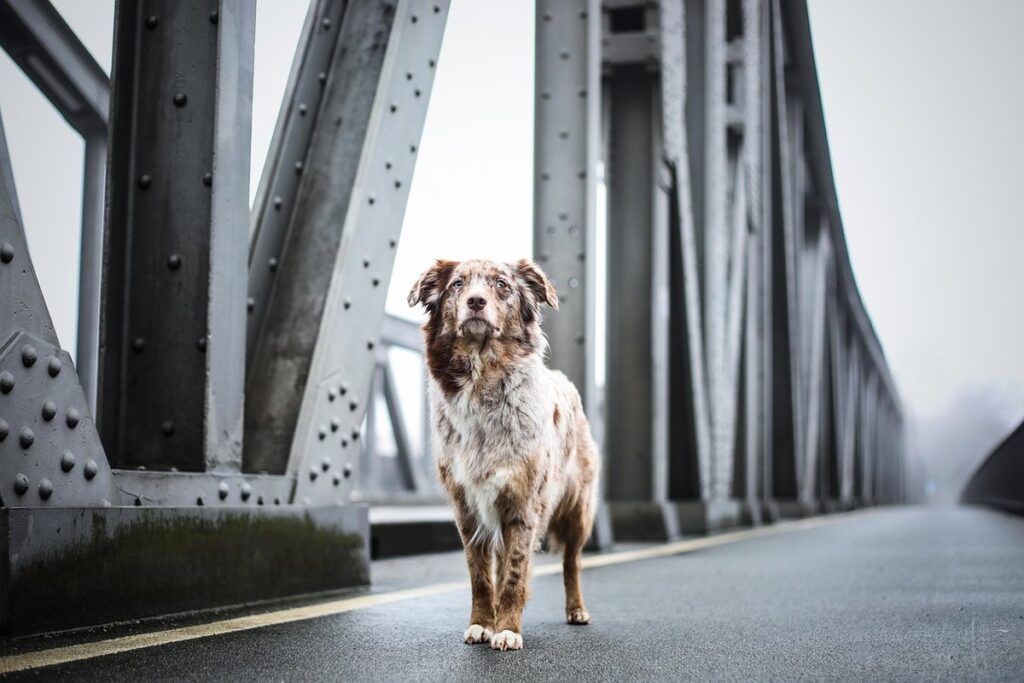
The Importance of Regular Walking for Dogs
Daily walks aren’t just a convenience, they’re essential for your dog’s physical and mental well-being. By walking your dog regularly, you can help prevent behavioral problems.
Benefits for Physical Health
Regular walking has a significant impact on a dog’s physical health. One of the most obvious benefits is maintaining a healthy weight. When dogs are regularly active, they burn calories and expend energy, which helps prevent obesity. A study by the American Animal Hospital Association found that over 50% of dogs in the United States are overweight or obese, which can lead to various health problems.
Regular walking also improves cardiovascular health in dogs. Exercise strengthens the heart and lungs, allowing them to function more efficiently. This is especially important for older dogs, as it helps maintain their overall fitness level and reduces the risk of age-related diseases. For example, a dog that’s accustomed to daily walks will be better equipped to handle the demands of hiking or other strenuous activities.
Finally, walking strengthens bones in dogs by stimulating bone growth and density. This is particularly important for puppies, as it lays the foundation for their skeletal health throughout their lives. As with humans, regular exercise helps prevent conditions like osteoporosis and reduces the risk of fractures.
Benefits for Mental Health
Regular walking is essential for providing mental stimulation to dogs. Without adequate physical and mental exercise, dogs can become restless and prone to destructive behavior due to boredom. A daily walk helps redirect excess energy into constructive activities, such as sniffing and exploring their surroundings.
Moreover, regular walks play a significant role in reducing stress and anxiety in dogs. When dogs are not walked regularly, they may exhibit signs of stress like panting, pacing, or increased heart rate. This can be particularly concerning for older dogs or those with existing health conditions.
In addition to the physical benefits, walking provides an opportunity for socialization and interaction between dog and owner. A daily walk can help strengthen the bond between dog and family member, reducing anxiety and stress related to separation and reuniting.
To incorporate mental stimulation into your dog’s daily routine, try adding short training sessions or playtime activities before or after walks. You can also mix up the route or terrain to keep things interesting and prevent boredom.
Why Do Dogs Need Daily Walks?
You might wonder, what would happen if your furry friend doesn’t get daily exercise – could it lead to boredom, lethargy, and even behavioral issues.
Basic Needs: Exercise and Relief
Regular exercise is essential for dogs’ physical fitness and mental well-being. Daily walks provide a vital outlet for their pent-up energy, which can accumulate if left unchecked. A sedentary dog may become overweight or obese, leading to various health problems, including diabetes, arthritis, and heart disease.
Daily walks also help maintain your dog’s muscle mass and bone density, reducing the risk of osteoporosis and other mobility issues. Moreover, exercise stimulates blood flow, which supports wound healing and immune function. Even short, frequent walks can be beneficial for older or less energetic dogs, as they provide essential physical activity without putting excessive strain on their joints.
During daily walks, you can also observe your dog’s behavior and mental state. If they seem restless or anxious at home, it may indicate that they need more exercise or relief from confinement. Be aware of changes in their body language and adjust the duration or frequency of walks accordingly. This will help you create a tailored routine that meets your dog’s specific needs, promoting overall physical and emotional health.
Socialization and Training
Daily walks are a crucial aspect of socialization for dogs. When you take your dog on a daily walk, they’re exposed to various environments, people, and other animals, which helps them develop essential social skills. For example, a walk around the block can introduce your dog to different types of terrain, such as grass, gravel, or pavement, teaching them to adapt and navigate new surfaces.
Socialization also involves interactions with others, including people, children, and other dogs. During walks, you can practice basic obedience commands like “sit” and “stay,” reinforcing good behavior in a natural setting. Consistency is key: establish a regular routine for training sessions during your daily walks to help your dog associate these exercises with positive outcomes.
In addition to socialization, daily walks provide opportunities for bonding between owners and their dogs. Share treats or toys during walks to create a positive association and strengthen the bond between you and your pet. You can also use this time to address any behavioral issues that may arise due to lack of exercise or mental stimulation.
Types of Daily Walks Suitable for Dogs
Different types of daily walks can suit various breeds and temperaments, from short strolls to longer hikes. Whether you have a high-energy dog or a senior pup, there’s a walk that’s right for them.
Short, Gentle Strolls for Senior or Disabled Dogs
For older dogs or those with disabilities, short, gentle strolls can be a great way to maintain their mobility. The key is to keep these walks brief and low-impact to avoid putting unnecessary strain on joints that may already be compromised. Aim for 10-15 minute sessions, twice a day, with plenty of breaks in between.
Consider the dog’s specific needs when planning these strolls. For example, if your older dog has arthritis, it’s best to stick to flat, smooth surfaces like sidewalks or grassy areas rather than rocky or uneven terrain. Similarly, dogs with mobility issues may benefit from harnesses instead of collars to distribute their weight more evenly.
Remember to keep the pace relaxed and let your dog set the tone for each walk. Avoid pulling on the leash or trying to rush them along – this can exacerbate existing health problems. Instead, allow them to sniff and explore at their own pace, taking in the sights and sounds of the world around them. By doing so, you’ll be helping to preserve their mental and physical well-being for as long as possible.
Long, Invigorating Hikes for High-Energy Breeds
For high-energy breeds like Australian Shepherds and Border Collies, daily walks are essential but not enough. These dogs require longer, more invigorating hikes to satisfy their physical and mental needs. A 30-minute stroll around the block won’t cut it – you need to commit to at least an hour or two of moderate to intense exercise.
When planning a hike for your high-energy breed, consider terrain that will challenge them. Steep inclines, uneven trails, and off-leash areas are all great options. The goal is to engage their minds as well as their bodies, so try to incorporate new sights, smells, and experiences into each outing. For example, you might visit a nearby park with streams or lakes for added stimulation.
It’s also essential to pay attention to your dog’s body language during these hikes. If they seem tired, hot, or stressed, it’s time to head back home. Remember that every breed is different, so observe your own dog’s needs and adjust your hiking schedule accordingly. By doing so, you’ll help keep them happy, healthy, and well-exercised throughout the day.
Signs Your Dog Needs More Walks
If you suspect that your dog is not getting enough physical activity, look out for signs such as restlessness, pacing, and destructive behavior when they’re cooped up. These habits are often a sign of pent-up energy.
Increased Energy Levels
Dogs that exhibit excessive energy or restlessness may be a sign that they need more frequent or longer walks. You might notice your dog pacing back and forth, whining, or acting out due to pent-up energy. This can be especially true for high-energy breeds like Border Collies or Australian Shepherds.
In these cases, it’s essential to increase the duration or frequency of walks to meet their needs. For instance, if your dog is usually content with a 30-minute walk, you might need to extend this to an hour-long stroll. Alternatively, consider breaking up the day into shorter, more frequent walks instead of one long one.
Pay attention to your dog’s body language and behavior during these increased walks. If they’re still exhibiting signs of restlessness or excess energy after the new walking schedule is implemented, it may be a sign that you need to make further adjustments. Keep in mind that every dog is different, so it’s crucial to tailor your approach to their individual needs and breed characteristics.
Destructive Behavior
Dogs that engage in destructive behavior often need more exercise and mental stimulation. Chewing furniture, digging up the yard, and barking excessively are common signs of a dog not getting enough physical activity or mental challenge. For example, if your dog is chewing on shoes or books, it may be due to boredom rather than a desire for the specific item.
Providing daily walks can help alleviate these issues by giving your dog the opportunity to run off excess energy and explore their surroundings. A short walk around the block may not suffice; dogs that engage in destructive behavior typically require more substantial exercise. Aim for at least 30 minutes of brisk walking or 45 minutes of leisurely strolling per day.
Some dogs also benefit from additional activities, such as playtime in a securely fenced area or engaging with interactive toys. Consider incorporating these into your daily routine to provide mental stimulation and satisfy your dog’s natural hunting instincts.
Tips for Creating a Daily Walking Routine
To establish a consistent daily walking routine, you’ll want to start by setting realistic goals and scheduling walk times that work best for both you and your dog.
Schedule Walks Around Your Dog’s Circadian Rhythm
Dogs, like humans, have an internal clock that regulates their natural energy levels. These rhythms can vary depending on factors such as breed, age, and individual temperament. Some dogs are naturally morning birds, while others peak later in the day or even at night.
To maximize the physical and mental benefits of walking for your dog, it’s essential to schedule walks around their circadian rhythm. For example, if your dog is a high-energy breed that needs intense exercise, consider scheduling an early morning walk when they’re most alert. On the other hand, a more laid-back breed might benefit from a later afternoon stroll.
Consider your dog’s natural activity patterns and plan your walks accordingly. If you notice that your dog tends to get overexcited or hyperactive at certain times of the day, try scheduling walks during these periods. Conversely, if you find that they’re most relaxed in the morning, plan your walk for then. By synchronizing your walking routine with their natural energy levels, you can ensure a more enjoyable and effective exercise experience for both you and your dog.
Incorporate Varying Routes and Activities
To keep walks interesting and prevent boredom, mix up the route, terrain, or activities during walks. Change the location to explore new neighborhoods, parks, or trails nearby. Even small variations can make a difference, such as walking counterclockwise around the block instead of clockwise.
Incorporate different terrains like grass, dirt, or pavement to challenge your dog’s paws and senses. If possible, include short segments on harder surfaces like sidewalks or woodchips for added variety. You can also incorporate elevation changes by choosing routes with hills or stairs.
Add new activities to walks, such as sniffing games or hide-and-seek, to mentally stimulate your dog. Hide treats or toys along the route and encourage your dog to find them. This game not only keeps things interesting but also provides exercise for their nose and brain. Consider incorporating short play sessions during walks, like tossing a ball or frisbee.
By regularly changing up the walk’s routine, you’ll keep your dog engaged and prevent boredom. Aim to vary at least one aspect of each walk, even if it’s just a small change. This simple strategy will help keep walks enjoyable for both you and your dog throughout the year.
Common Mistakes to Avoid When Walking Dogs
When walking your dog, it’s easy to make mistakes that can be detrimental to their health and happiness. Here are some common errors to watch out for.
Overexertion: Recognizing the Signs of Overheating or Exhaustion
As you walk your dog, it’s crucial to be attentive to their behavior and body language. Overexertion can lead to overheating or exhaustion, especially on hot days or during long walks. Pay attention to signs like panting, drooling, or restlessness, which may indicate that your dog is feeling overwhelmed.
Look for changes in your dog’s gait, such as a sudden decrease in pace or stiffness in their legs. If your dog starts to lag behind or show reluctance to continue walking, it’s likely they’re experiencing physical discomfort. Be aware of the temperature and humidity levels, as these can exacerbate overheating issues.
Check your dog’s tongue and gums for signs of dehydration. If their tongue is dry or their gums feel sticky, it may be a sign that they need more water or a break from the exercise. Monitor your dog’s overall demeanor, taking note if they seem lethargic or disinterested in their surroundings.
Allowing Distractions to Interfere with Walks
Walking your dog can be a challenging task, especially when faced with distractions like other dogs or people. Allowing these interruptions to dominate your walk is not only stressful for you but also potentially hazardous for your dog. Sticking to quiet routes is an effective way to minimize disruptions and maintain a peaceful pace.
Try to avoid areas known for high foot traffic or canine concentrations, such as popular parks or pet-friendly cafes. Opting for quieter streets or designated walking trails can significantly reduce encounters with other dogs or people who might initiate unwanted interactions.
Additionally, consider varying your walk schedule to avoid predictable patterns that may attract attention from others. For instance, try taking your dog out during less busy times of the day, such as early morning or late evening. By being mindful of potential distractions and adapting your walking routine accordingly, you can create a more enjoyable and stress-free experience for both yourself and your dog.
The Role of Technology in Supporting Daily Dog Walking
Technology can play a significant role in supporting daily dog walking, especially for busy owners who need to balance work and family responsibilities. From GPS trackers to mobile apps, there are many innovative tools available.
Wearable Devices: Tracking Your Dog’s Activity Levels
Wearable devices can provide valuable insights into your dog’s physical health by tracking their activity levels. These devices attach to your dog’s collar and monitor their movements, pace, and distance covered. Some popular options include FitBark, Whistle 3, and Garmin. By reviewing the data collected, you can assess whether your dog is meeting their daily exercise needs.
For example, if your dog typically covers around 2-3 kilometers on a walk, but the device shows they’re only managing 1 kilometer per day, it may indicate that they need more physical activity or have developed some mobility issues. This information can help you adjust their walking schedule and intensity to meet their needs.
When choosing a wearable device for your dog, consider factors such as size, accuracy, and battery life. Some devices also offer additional features like temperature tracking, sleep monitoring, and alerts for unusual behavior. By using these tools, you’ll gain a deeper understanding of your dog’s physical health and be able to make informed decisions about their daily care. Regularly reviewing the data will help ensure your dog stays active and healthy.
Mobile Apps: Planning and Organizing Walks
Mobile apps can be a valuable tool for planning and organizing walks with your dog. Route mapping features allow you to explore new routes and find ones that suit your dog’s needs. Some popular walking apps, such as MapMyWalk or Walkmeter, provide turn-by-turn directions and even offer voice guidance.
When it comes to scheduling, many apps enable you to set reminders and schedule regular walks in advance. This can be especially helpful for busy owners who struggle to remember daily walks. For example, the app PupLife allows you to create a customized walking plan tailored to your dog’s specific needs.
In addition to these features, some apps also offer tracking capabilities, enabling you to monitor your dog’s activity levels and progress over time. This can be beneficial for owners who want to ensure their dogs are getting enough exercise or need to make adjustments to their routine. By utilizing mobile apps in this way, owners can create a more efficient and effective walking plan that meets the needs of both themselves and their dogs.
Frequently Asked Questions
Can I Train My Dog to Walk on a Leash Without Daily Walks?
Yes, it’s possible to train your dog to walk on a leash without daily walks, but you’ll need to establish a consistent training routine and gradually increase the duration of walks. This can be done by starting with short periods of walking and gradually increasing the time as your dog becomes more comfortable.
How Do I Know If My Dog Is Getting Enough Exercise Through Playtime in the Yard?
While playtime in the yard is beneficial, it may not provide enough physical activity for high-energy breeds or dogs that require regular exercise. Observe your dog’s behavior during and after playtime; if they appear restless or exhibit destructive behavior, it may be necessary to supplement with daily walks.
What If My Work Schedule Prevents Me From Walking My Dog Every Day? Are There Alternatives?
While daily walks are ideal, you can still provide regular exercise for your dog through alternatives like hiring a dog walker or asking a trusted neighbor to help. You can also consider shorter, more frequent walks during breaks in your schedule.
Can I Mix Up the Types of Daily Walks Based on My Dog’s Energy Levels Throughout the Day?
Yes, you can mix up the types of daily walks based on your dog’s energy levels throughout the day. For example, if your high-energy breed requires a longer hike in the morning, you could opt for shorter, more leisurely strolls in the evening when their energy levels may be lower.
Can I Use Technology to Track My Dog’s Physical Activity and Health Without Actually Walking Them?
Yes, wearable devices can help track your dog’s physical activity and health, even if you’re not walking them. This information can be used to identify patterns or areas for improvement in your dog’s exercise routine, allowing you to make adjustments as needed.

