
Living in a small space can be both liberating and overwhelming. On one hand, you have more time to focus on the things that matter, but on the other hand, clutter can quickly accumulate and make your tiny haven feel cramped and stressful. Effective decluttering strategies are crucial for maintaining a peaceful and organized living environment, especially in compact spaces where every item seems to take up valuable real estate. By learning how to manage your belongings and create functional zones within your small space, you’ll be able to transform it into a clutter-free sanctuary that nourishes both body and mind. This article will cover essential organizing tips and maintenance routines that work, helping you develop the skills and habits necessary to keep your small space tidy and beautiful for years to come.
Understanding Your Space
When it comes to decluttering small spaces, understanding how you use your space is key. This section will walk you through identifying your needs and creating a functional layout that works for you.
Identifying Clutter Triggers
Emotional attachment to possessions is a major contributor to clutter in small spaces. This can stem from sentimental value, guilt over discarding items, or the desire to hold onto memories. When dealing with these emotions, it’s essential to acknowledge and address them head-on. Set aside time for reflection and ask yourself why you’re holding onto each item. Be honest about whether keeping it will truly bring joy or serve a practical purpose.
Lack of storage space can also exacerbate clutter issues in small spaces. However, this isn’t always a fixed problem – often, it’s a matter of optimizing the space you have. Consider vertical storage options like wall-mounted shelves or hooks to make the most of your walls and ceiling height. Additionally, think about multi-functional furniture pieces that serve more than one purpose.
Poor organizational systems can also contribute to clutter in small spaces. This might mean relying on makeshift storage solutions or failing to establish a maintenance routine. Take stock of your current system and identify areas for improvement. Implementing a designated spot for frequently used items and establishing a regular tidying schedule can go a long way in keeping clutter at bay.
Assessing Your Space’s Potential
When assessing your small space’s potential for decluttering and optimization, start by evaluating its layout. Measure the room’s dimensions, including the location of doors, windows, and any built-in features like shelves or cabinets. This will help you visualize how furniture can be arranged to create a sense of flow and make the most of available space. Consider the “traffic path” through the room – ideally, it should be at least 3 feet wide to allow for comfortable movement.
Next, examine the room’s measurements in relation to the types of furniture and storage you need. For example, if your space is dominated by a large window, use vertical storage solutions like floor-to-ceiling shelves or cabinets to keep floors clear. If the room has an awkward shape, look for multi-functional furniture pieces that serve more than one purpose.
Consider how different areas of the room can be optimized for specific activities – such as a reading nook with built-in bookshelves or a home office with a compact desk and storage for supplies.
Decluttering Strategies
When it comes to small spaces, streamlining your belongings can make all the difference. Let’s explore practical strategies for paring down your stuff and maximizing what remains.
Sorting and Purging
When sorting through belongings in a small space, it’s essential to separate items into categories. Begin by gathering boxes or bins labeled for each room or area of your home. This will help you keep similar items together and make decision-making more efficient.
As you sort, implement the “one-touch rule”: make a decision about an item as soon as you touch it. This means putting things away immediately if you’ve decided to keep them, or designating a box for donation or disposal on the spot. Avoid handling the same item multiple times, which can lead to indecision and clutter buildup.
For items that are difficult to part with, ask yourself: when was the last time I used this? If it’s been over a year, consider letting it go. Be ruthless – if you don’t need or use an item regularly, there’s likely someone who does. Keep in mind that storage space is limited in small homes; keeping only what brings value and joy will help maintain a clutter-free environment.
Remember to purge items regularly, especially after major decluttering efforts, to prevent new clutter from accumulating.
Letting Go of Emotionally Charged Items
When decluttering small spaces, it’s often the emotionally charged items that prove to be the most challenging to part with. These can range from family heirlooms and mementos to high-value collectibles. To release attachment to such items, consider digitizing them through photography or scanning.
This way, you’ll have a digital copy of the item while freeing up physical space. For instance, scan old family photographs to preserve memories without taking up shelf space. Alternatively, take clear, high-quality photos of artwork, jewelry, or other collectibles to showcase online or store on a memory card.
Creative repurposing is another technique for letting go of emotionally charged items. Think beyond the item’s original purpose and explore alternative uses. For example, an antique vase can be transformed into a unique planter or pen holder. This approach not only reduces clutter but also adds a personal touch to your space.
Organizing Your Space
Effective organizing of small spaces requires a thoughtful approach to storage and layout, which we’ll explore through practical strategies and tips tailored for compact areas. Let’s start with the foundation: creating a functional space from scratch.
Vertical Storage Solutions
Maximizing vertical space is crucial for small spaces where floor area is limited. You can achieve this by installing wall-mounted shelves, hooks, and storage units. These solutions not only save floor space but also make the most of the ceiling height. Wall-mounted shelves are ideal for storing books, decorative items, or kitchen utensils. Choose materials that fit your decor and consider the weight capacity before installation.
Hooks are versatile and can be used to hang bags, jackets, or cleaning supplies. Look for designs with multiple hooks or ones that fold down when not in use to save space. Storage units come in various forms, including cabinets, drawers, and shelves. They’re perfect for storing items like linens, cleaning products, or office supplies.
When selecting storage solutions, consider the size of the items you need to store and the accessibility of the space. For example, a narrow cabinet might be suitable for a small entryway, while a wider shelving unit is better suited for a living room. Measure your walls carefully before making any purchases to ensure a proper fit.
Compact Furniture Options
Compact furniture options can be a game-changer for small spaces. They offer a way to maximize every inch of room without sacrificing style or functionality. One popular option is multi-functional pieces, such as ottomans that serve as both storage and seating.
For example, an ottoman with a hinged top can store linens, out-of-season clothing, or even important documents. Some models come equipped with casters, making it easy to move them around the room as needed. Foldable tables are another compact furniture option worth considering. These lightweight, space-saving designs can be easily set up and taken down, perfect for small kitchens, home offices, or guest rooms.
Space-saving seating solutions include nesting chairs, wall-mounted stools, and even fold-down tables that convert into seats. When shopping for compact furniture, look for pieces with removable legs or casters to make rearranging a breeze. Measure your space carefully before making a purchase to ensure the new piece fits comfortably in its intended spot. By incorporating these compact furniture options into your small space, you can reclaim valuable square footage and create a more efficient, organized living area.
Creating a Maintenance Routine
Now that you’ve decluttered your small space, it’s essential to create a maintenance routine that prevents clutter from building up again. This involves setting aside time each week for tidying and organization.
Establishing Habits
Establishing habits is crucial to maintaining a decluttered and organized small space. Regular tidying sessions can be as simple as dedicating 10 minutes each day to picking up clutter, putting away items that are out of place, and making sure everything has its designated spot.
To make tidying more manageable, consider implementing “touch-and-go” cleaning routines. These involve quickly wiping down surfaces, dusting or vacuuming high-traffic areas, and taking care of any spills or messes as soon as they happen. This approach can help prevent clutter from building up in the first place.
A good starting point is to identify the most-used areas in your small space and allocate specific cleaning tasks to each area. For instance, if you work from home, dedicate 30 minutes each week to tidying your desk and office supplies. If you have a tiny kitchen, set aside daily time for wiping down countertops and sink.
Another key habit is to establish a “one-touch rule” when it comes to handling clutter. This means dealing with items immediately whenever possible – putting away clothes that are out of the dryer or recycling papers instead of letting them pile up. By adopting these simple habits, you’ll be able to maintain your decluttered space and avoid the stress that comes with feeling overwhelmed by messes.
Implementing Systems for Ongoing Organization
Labeling systems can be as simple as using a label maker to assign a category to each item. This categorization helps you quickly identify what goes where and maintain consistency throughout your space. You might use color-coded labels for different types of items, like books or kitchenware, or reserve specific colors for frequently accessed objects.
Scheduled reviews are essential for maintaining order in small spaces. Set aside time each week or month to review your systems, assess their effectiveness, and make adjustments as needed. This could be as straightforward as tidying up a cluttered area or reassessing the categories you’ve established. Consider implementing a “touch once” policy during these reviews: handle an item only once to deal with it immediately.
Automated reminders can also streamline your organization process. Use digital tools like calendars or apps to schedule regular cleaning sessions, review dates, or even seasonal storage tasks. These notifications can serve as a gentle nudge to stay on track and avoid neglecting important maintenance activities.
Advanced Decluttering Techniques
When you’ve decluttered the basics, it’s time to take your space to the next level with expert-level techniques that will make every inch count. From categorizing by type to the “one-touch rule”, we’ll cover it all.
The KonMari Method in Small Spaces
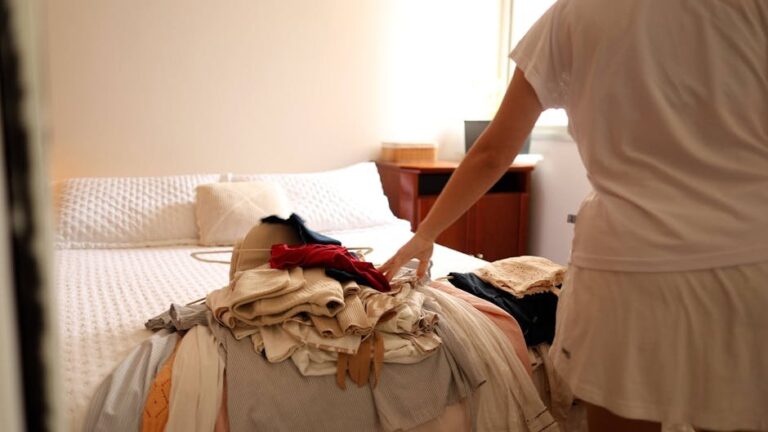
When applying Marie Kondo’s KonMari method to small spaces, folding becomes an even more critical aspect of decluttering. Since every inch counts in compact areas, efficient folding is essential for storing items without sacrificing style or functionality. To fold clothes in a way that sparks joy, try using the KonMari folding technique, which involves folding items into rectangular shapes that can be stood up in drawers.
For example, consider folding t-shirts and tank tops together by layering them on top of each other before rolling up the bundle tightly. This allows for easy visibility of every garment without having to rummage through a pile of folded clothes. By categorizing similar items together (e.g., all tops or bottoms), you can see exactly what you have, which items are your favorites, and where to store them.
When it comes to storing items in small spaces, think vertically – use wall-mounted shelves, hooks, and storage units that maximize ceiling height to keep floors clear. Folded clothes can be stored in compact drawers or on hooks, freeing up floor space for other essentials like a comfortable chair or a functional desk.
Micro-Decluttering for Maximum Efficiency
In small spaces, every inch counts, and micro-decluttering strategies can make a significant impact on productivity. One effective approach is the 5-minute declutter: set a timer for five minutes and remove as many items as possible from a single area, such as a drawer or shelf. This technique helps you quickly identify clutter hotspots and build momentum.
Another strategy is the 10-item challenge, where you clear a specific number of items from a designated space in a single session. For example, if you’re decluttering your desk, aim to remove ten unnecessary papers, pens, or other objects. This exercise teaches you to prioritize and let go of non-essential items.
Micro-decluttering also involves breaking down larger tasks into smaller, manageable chunks. Divide a cluttered area into sections, focusing on one section at a time. Clear each section before moving on to the next. This approach helps maintain organization and prevents overwhelming yourself with the task as a whole.
In small spaces, every decluttering effort counts, and micro-decluttering strategies can help maximize efficiency while minimizing time and energy investment. By implementing these techniques, you’ll be able to identify and tackle clutter more effectively, creating a more streamlined living or working environment.
Overcoming Common Challenges
One of the biggest hurdles in decluttering small spaces is figuring out what to do when you’re overwhelmed by clutter, and we’re here to help you tackle that problem. We’ll cover common challenges and share practical solutions to get your space back on track.
Small Space Syndrome and Overwhelm
Living in a small space can be overwhelming, especially when clutter seems to multiply exponentially. The feeling of being trapped is a common phenomenon known as “Small Space Syndrome.” It’s not just about the physical confines of a tiny apartment or room but also the emotional toll it takes on our mental health.
The anxiety and stress caused by living in a small space can lead to feelings of confinement, making it difficult to relax and recharge. To manage these emotions, start by acknowledging your feelings and giving yourself permission to express them. Recognize that clutter is not just physical but also emotional, and that letting go of items can be a therapeutic process.
One way to tackle Small Space Syndrome is by implementing the “one in, one out” rule. For every new item that enters your space, get rid of an old one to maintain balance. This simple strategy helps maintain a sense of control over your environment. Additionally, try to identify areas where clutter accumulates and create designated zones for different activities, such as reading or working. By doing so, you’ll create a sense of separation and visual calmness in the space.
Balancing Style with Functionality
In small spaces, it’s easy to sacrifice functionality for style, but this compromise can have long-term consequences. For instance, a cluttered and ornate layout may look beautiful initially but become overwhelming and difficult to maintain. To strike a balance between aesthetics and functionality, start by defining your priorities. What aspects of the space are most important to you? Is it creating a peaceful ambiance or maximizing storage capacity?
Consider incorporating design principles that promote calmness and serenity, such as monochromatic color schemes or minimalist decor. A limited palette can create a sense of visual harmony while also making the space feel larger. Additionally, incorporate textural elements like plants, woven baskets, or natural fibers to add depth without cluttering the space.
To further enhance functionality, consider multi-functional furniture pieces that serve more than one purpose. For example, an ottoman with storage can provide a place to sit and stash items out of sight. By integrating these design principles and practical solutions, you can create a small space that feels both stylish and functional, allowing you to enjoy the best of both worlds.
Frequently Asked Questions
Can I Apply These Decluttering Strategies to Small Spaces with Limited Budgets?
Yes, decluttering doesn’t have to break the bank. Repurpose items you already own, shop second-hand, and focus on free or low-cost organizing solutions like repurposed containers and DIY storage.
How Do I Handle Cluttered Areas That Are Also Shared Living Spaces, Like a Small Kitchen or Bathroom?
Start by implementing small-scale decluttering efforts that can be completed in short sessions. Use multi-functional furniture pieces and vertical storage solutions to maximize space. Don’t forget to involve all household members in the decluttering process for shared areas.
What If I’m Struggling with Emotional Attachment to Certain Items? Will It Be Difficult to Let Them Go?
While releasing attachment can be challenging, it’s a crucial step in creating a clutter-free environment. Practice self-compassion and acknowledge your feelings. Consider digitizing sentimental items or repurposing them into functional pieces that still honor their emotional significance.
Are There Any Tips for Maintaining the Decluttered Space During Peak Seasons (e.g., Holidays, Guest Visits)?
Yes, maintaining peak seasons requires a bit of extra planning. Schedule regular tidying sessions during these times and implement systems like labeling, storage containers, or even automated reminders to maintain your space’s organization.
What If I’m Considering Using the KonMari Method in My Small Space but Am Worried It Will Be Too Time-Consuming?
The KonMari method focuses on folding and storing items in a way that sparks joy. While it does require an initial investment of time, the benefits include reduced clutter and easier maintenance. Start by applying its principles to a single area or category of items to gauge its effectiveness for your specific needs.

