
Amsterdam is one of the most bike-friendly cities in the world, but its narrow streets and complex traffic patterns can be daunting for even the most seasoned cyclists. You might be wondering where to start when it comes to navigating Amsterdam’s streets safely, or how to find a reliable bike rental service that won’t break the bank. But with the right guidance, you can unlock the secrets of cycling in this beautiful city. In this comprehensive guide, we’ll show you how to find your way through Amsterdam’s busy streets, discover some hidden gems off the beaten path, and explore all that this amazing city has to offer on two wheels. By the end of this article, you’ll know exactly where to go for bike rentals, what routes to take to avoid traffic hotspots, and how to make the most of your cycling adventure in Amsterdam.
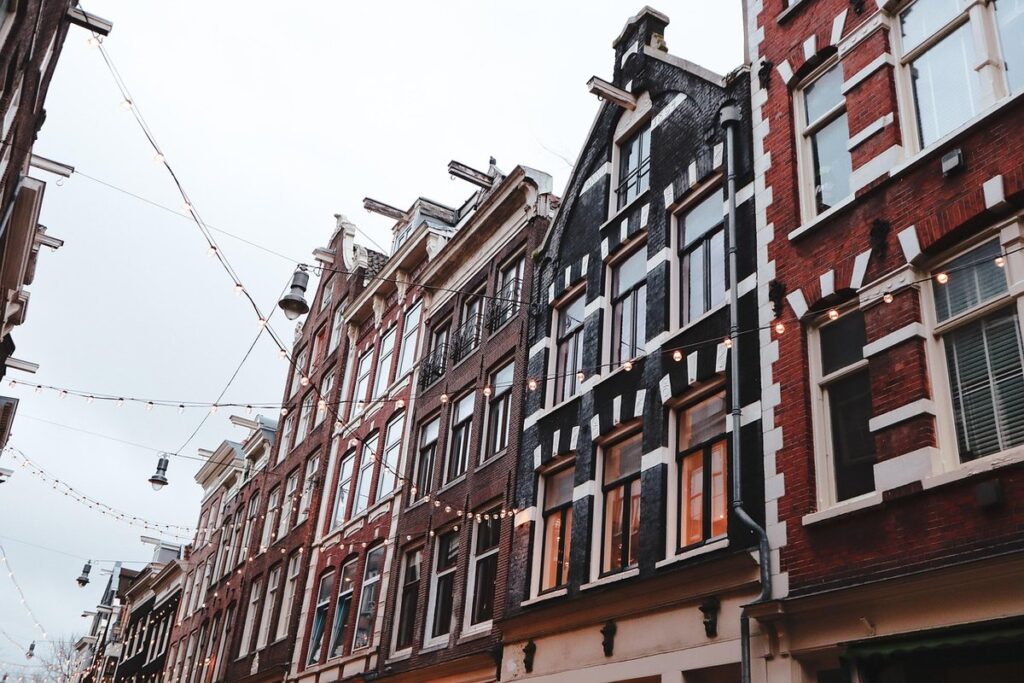
Planning Your Cycle Trip to Amsterdam
Before you hop on your bike and head to Amsterdam, let’s get organized. This section is all about planning the perfect cycle trip to the city, from routes to accommodation.
Choosing the Right Bike for Amsterdam’s Streets
When cycling through Amsterdam’s congested streets, you’ll want a bike that can handle tight corners and crowded bike lanes. Electric bikes (e-bikes) are popular among tourists due to their ease of use and assistance on hills, which are common in Amsterdam’s city center.
However, e-bikes are not allowed in all parts of the city. Some neighborhoods have restricted access, so be sure to check local regulations before renting an e-bike. Folding bikes, on the other hand, are ideal for navigating Amsterdam’s canals and bridges due to their compact design.
Consider a hybrid bike with wide tires for added stability on cobblestone streets. If you plan to cycle along the city’s many bike paths, a single-speed or fixed-gear bike will provide a smoother ride. Avoid bikes with heavy frames or cumbersome designs that may get caught in tight spaces.
Some popular types of bikes among locals include cargo bikes and children’s trailers, which are perfect for carrying groceries or little ones on longer rides. When choosing your rental bike, make sure it has a reliable lock to prevent theft, as bike crime is an issue in the city.
Understanding Amsterdam’s Cycling Infrastructure
Amsterdam’s streets are designed with cyclists in mind, featuring a network of bike lanes and paths. One key feature is the use of ‘straat’ bike paths, which run along major roads and allow cyclists to bypass heavy traffic. These paths are typically at least 2 meters wide, providing ample space for cyclists to ride alongside each other.
In addition to bike lanes, many of Amsterdam’s bridges have designated cycling routes. The city’s canal bridges often feature a raised bike path or a separate pedestrian-cycling path on one side of the bridge. This design allows pedestrians and cyclists to share the same space while maintaining a safe distance from motorized traffic.
Amsterdam’s cycling infrastructure also includes designated ‘ fietspaden’ – wide, segregated bike lanes that run along major roads. These paths are often separated from car traffic by a physical barrier or a median strip. As you plan your cycle trip, familiarize yourself with the city’s map to understand where these bike-friendly routes are located and how they connect different parts of the city.
Safety Precautions for Cycling in Amsterdam
When cycling through Amsterdam’s busy streets, it’s essential to be aware of potential hazards and take necessary precautions to stay safe. This includes understanding local traffic rules and being mindful of pedestrian zones.
Navigating Amsterdam’s Busy Streets Safely
Amsterdam’s streets are a maze of narrow canals and bike lanes, with trams rumbling overhead and pedestrians strolling alongside. It’s not uncommon to see cyclists weaving through crowded areas or waiting patiently at busy intersections. To navigate these busy streets safely, consider the following tips.
Firstly, be aware of your surroundings at all times. Keep an eye on other road users, whether they’re cycling, walking, or driving, and anticipate potential hazards. When approaching tram stops or major intersections, slow down to give yourself time to react if necessary. Don’t assume that pedestrians will yield to you – instead, make eye contact with them as you approach.
It’s also essential to follow local rules of the road. In Amsterdam, cyclists must ride on the right-hand side of bike lanes and keep left when approaching intersections. Be mindful of tram tracks, which can be slippery in wet weather and may cause your tires to skid if not handled carefully.
Additionally, consider using a GPS-enabled bike route planner or mapping app to help you plan the safest and most efficient routes through the city. This can help minimize stress and reduce the likelihood of accidents caused by fatigue or distraction.
Avoiding Common Dangers on the Road
Amsterdam’s roads can be intimidating for cyclists, especially with tram and bus routes running through the city. Be aware of the tram tracks: they’re raised above the road surface, making it difficult to judge distances. Trams run frequently, so keep an eye out for them at intersections and pedestrian crossings. A small minority of drivers aren’t accustomed to sharing roads with cyclists, but most are considerate.
When approaching bus stops or tram stations, slow down and anticipate pedestrians stepping onto the road. Watch for signs indicating designated bus lanes or tram routes – these areas often have priority over regular traffic. Bicycles are allowed in bus lanes, but be cautious of opening doors from buses and trams: take a moment to check your surroundings before passing by.
Pedestrians can be unpredictable, especially around major tourist spots like the Rijksmuseum or Anne Frank House. Keep a safe distance, using the dedicated bike paths where available. While cycling in Amsterdam, maintain awareness of potential hazards, stay alert, and anticipate unexpected situations – this will help you navigate potentially congested areas with ease.
Exploring Amsterdam by Bike
Discovering Amsterdam’s charming neighborhoods and hidden gems is easier on two wheels, where bike lanes are designed to prioritize cyclists over cars. Follow along as we guide you through a self-paced exploration of the city.
Recommended Cycle Routes for Tourists
A popular route for tourists is the Museum Route, which takes you past several of Amsterdam’s world-renowned museums. You’ll pass by the Rijksmuseum, home to an impressive collection of Dutch art and history, including works by Rembrandt and Vermeer. From there, continue on to the Van Gogh Museum, which showcases the largest collection of Vincent van Gogh’s paintings and letters.
The route also passes through the beautiful Vondelpark, a sprawling green oasis in the heart of the city. Take a break and enjoy a picnic or people-watch from one of the many benches. For those interested in modern art, consider detouring to the Stedelijk Museum, which features an impressive collection of contemporary art and design.
Keep in mind that these routes can get busy during peak tourist season, so consider visiting early in the morning or later in the evening for a more relaxed experience. You can also use online resources to plan your route and check for any road closures before setting out.
Visiting Amsterdam’s Hidden Gems by Bike
One of the joys of cycling in Amsterdam is discovering its lesser-known neighborhoods and attractions. While many visitors flock to the city’s main canals and museums, there are plenty of hidden gems waiting to be explored by bike.
The Oud-Zuid district, for instance, is a tranquil oasis that offers a glimpse into Amsterdam’s more affluent past. Its picturesque streets are lined with grand mansions, beautiful parks, and upscale boutiques. To experience the area at its best, take a scenic route along the Vondelpark’s southern edge or visit the Rijksmuseum’s satellite building, which showcases an impressive collection of Dutch art and history.
The Jordaan neighborhood is another must-visit destination on two wheels. This charming area is famous for its narrow streets, quaint shops, and picturesque canals. To make the most of your visit, explore the lesser-known side streets, such as Reestraat and Eerste van der Helststraat, which offer a glimpse into Amsterdam’s rich history and cultural heritage. Be sure to stop by the Anne Frank House, located just off the Jordaan’s main canal, for an poignant reminder of the city’s complex past.
Practical Information for Cycling in Amsterdam
To cycle safely and confidently in Amsterdam, you’ll want to familiarize yourself with the city’s traffic rules and bike etiquette. We’ve got all the essential details covered here.
Renting Bikes in Amsterdam: A Guide
Amsterdam has a well-developed bike rental system, with numerous shops and companies to choose from. One popular option is Donkey Republic, which offers 24/7 self-service stations across the city. This means you can pick up a bike at one location and drop it off at another, making it easy to explore different neighborhoods without returning to your original starting point.
Another well-known rental company is Black Bikes, with multiple locations throughout Amsterdam. They offer a wide range of bikes, including electric and hybrid options, as well as accessories like helmets and child seats. Some shops also offer guided tours or bike rentals for specific activities, such as cycling to the nearby city of Haarlem.
When renting a bike in Amsterdam, be sure to check the shop’s opening hours and availability, especially during peak season. Many rental companies allow you to reserve a bike online in advance, which can save time and ensure availability. Some shops may also offer additional services like bike locks or luggage storage.
Parking Your Bike in Amsterdam: Tips and Tricks
When parking your bike in Amsterdam, it’s essential to choose a designated bicycle parking spot. You can find these marked with blue signs displaying a white bicycle icon. These spots are usually located near major attractions and public transportation hubs. Avoid parking on the sidewalk or in pedestrian-only areas, as this is not only illegal but also poses a risk to pedestrians.
If you’re planning to park your bike for an extended period, consider using one of the many secure bicycle parking garages, such as those found near Centraal Station or Leidseplein. These facilities offer a safe and dry environment for your bike, as well as 24/7 access with a credit card.
Be aware that failing to park in a designated spot can result in fines ranging from €50 to €250, depending on the location and duration of parking. It’s also worth noting that some areas have restricted parking times, typically between 8 am and 6 pm. Familiarize yourself with these restrictions to avoid receiving an unexpected fine when you return to your bike.
Frequently Asked Questions
What if I’m planning to stay in Amsterdam for an extended period and want to buy my own bike?
Yes, buying your own bike is a great option if you plan on cycling regularly while living in Amsterdam. Many shops offer after-sales service and maintenance options, making it easier to keep your bike in good condition.
How do I know when it’s safe to ride my bike through busy areas like the Jordaan neighborhood during peak tourist season?
Riding through busy areas requires extra caution, especially during peak tourist season. Look for designated bike lanes or paths, use traffic lights and pedestrian crossings, and be prepared to slow down or dismount if needed.
What are some common mistakes tourists make when parking their bikes in Amsterdam, and how can I avoid them?
One common mistake is not following the parking signs or regulations, which can result in fines. Always look for designated bike parking areas, follow the signs and markings, and be mindful of any restrictions on certain streets or areas.
What if my rental bike has a mechanical issue while I’m out cycling? Are there emergency services available to help?
Most reputable bike rental companies have a 24-hour service hotline in case of emergencies. If you experience any issues with your rental bike, contact the company’s customer service immediately for assistance and guidance on getting back on the road.
Can I bring my own bike from outside Amsterdam into the city, or are there specific regulations I need to be aware of?
Yes, you can bring your own bike into Amsterdam, but be aware that some areas may have restrictions due to size or type of bike. Check with local authorities for any regulations on oversized or unusual bikes before bringing yours into the city.

