
Cooking with quinoa is often overlooked in favor of more traditional grains, but this nutritious ingredient offers so much more. Not only is quinoa an excellent source of protein and fiber, making it a staple for health-conscious home cooks like you, but it’s also incredibly versatile and easy to prepare. From its mild nutty flavor to its fluffy texture, quinoa adds depth and nutrition to everything from salads and stir-fries to side dishes and main courses. But with so many recipes to try and potential pitfalls to avoid, it can be overwhelming for those looking to incorporate this grain into their meals. In this article, we’ll explore the ultimate guide to cooking with quinoa, covering its health benefits, various preparation methods, and recipe ideas that will help you make the most of this nutritious ingredient.
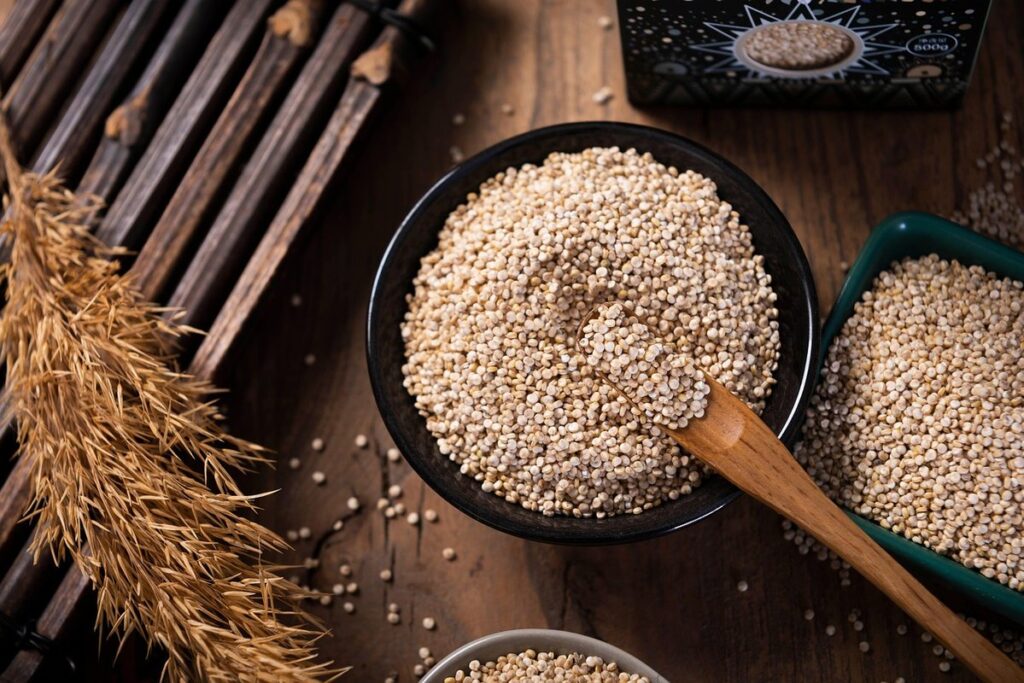
Understanding Quinoa: A Beginner’s Guide
Quinoa can be a bit confusing, especially for those new to cooking with it, so let’s start by covering its basics and what makes it such a popular superfood.
What is Quinoa?
Quinoa is a nutrient-rich food that has been a staple in the Andean region of South America for centuries. Its unique characteristics make it an attractive option for health-conscious individuals and environmentally aware cooks. Quinoa is considered a complete protein, meaning it contains all nine essential amino acids that our bodies can’t produce on its own. This characteristic makes quinoa an excellent source of protein for vegetarians and vegans.
The completeness of quinoa’s protein profile is a result of its ability to provide a balanced mix of essential amino acids, including lysine, which is often lacking in plant-based foods. Quinoa’s protein content is approximately 8g per cup cooked, making it an excellent addition to salads, stir-fries, and other dishes. When choosing quinoa, look for varieties labeled as “triticale-free” or “phosphorus-rich,” as these may offer improved nutritional profiles.
In terms of cooking quinoa, it’s essential to rinse the grains before preparation to remove any saponins that may give them a bitter taste. Then, simply cook quinoa according to package instructions using a 2:1 ratio of water to quinoa.
Types of Quinoa: White, Red, Black, and More
Quinoa comes in a variety of colors, each with its own distinct flavor and nutritional profile. White quinoa is the most commonly available type, but it’s also the least nutritious due to its processing. To get the most benefits from your quinoa, look for the less processed types like red or black quinoa. These varieties have a slightly nuttier taste and are higher in fiber and protein.
Red quinoa has a sweeter flavor than white quinoa and is often used in salads and side dishes. It’s also higher in antioxidants than other types of quinoa. Black quinoa, on the other hand, has a stronger, earthier flavor and is often used as a substitute for rice or couscous.
Other varieties of quinoa include tri-color quinoa, which combines the three most common colors, and rainbow quinoa, which features a range of colors in each serving. You can also find specialty quinoas like sprouted quinoa, which has been germinated to increase its nutritional content.
When shopping for quinoa, read labels carefully to ensure you’re getting a minimally processed type. This will help you reap the most benefits from this nutritious grain.
Health Benefits of Cooking with Quinoa
Cooking with quinoa can provide numerous health benefits, from reducing inflammation to supporting heart health. Here’s a closer look at how incorporating quinoa into your meals can improve overall well-being.
High-Protein Content
Quinoa is a nutritional powerhouse, particularly for those following a plant-based diet. As an excellent source of protein, it’s a game-changer for vegetarians and vegans who struggle to get enough essential amino acids from their food. What makes quinoa stand out is that it contains all nine essential amino acids that the human body cannot produce on its own.
This means that when you cook with quinoa, you’re essentially providing your body with a complete protein source. For vegetarians and vegans, this can be especially beneficial for building and repairing muscles, organs, and tissues. To get the most protein out of your quinoa, it’s essential to pair it with other complementary protein sources like beans, lentils, or nuts.
A simple and delicious way to incorporate more protein into your diet is by making a hearty quinoa bowl with roasted vegetables, chickpeas, and a drizzle of tahini sauce. This recipe provides an impressive 20 grams of protein per serving, making it an excellent option for post-workout meals or as a satisfying breakfast.
Gluten-Free and Low on Glycemic Index
Quinoa’s gluten-free nature makes it a game-changer for individuals with gluten intolerance or celiac disease. This is particularly significant because many traditional grains contain gluten, which can cause inflammation and discomfort in those who are sensitive to it. In contrast, quinoa is naturally free from gluten, allowing those with dietary restrictions to enjoy its nutritional benefits.
In addition to being gluten-free, quinoa also boasts a low glycemic index (GI). This means that it won’t cause a significant spike in blood sugar levels after consumption. For people with diabetes, this can be particularly beneficial as they need to monitor their carbohydrate intake carefully. The low GI of quinoa makes it an excellent option for those looking for complex carbohydrates that provide sustained energy without the risk of blood sugar fluctuations.
When shopping for quinoa, make sure to choose a brand that is certified gluten-free to ensure you’re getting a product that meets your dietary needs. You can also store quinoa in an airtight container to preserve its nutritional value and prevent cross-contamination with gluten-containing grains.
Cooking Quinoa: Tips and Techniques
Mastering the art of cooking quinoa requires some finesse, but don’t worry, we’ve got you covered. In this crucial section, we’ll share our top tips for perfectly cooked quinoa every time.
Basic Quinoa Recipe
To cook quinoa perfectly every time, start by rinsing it thoroughly to remove its natural saponins. A general rule of thumb is to use a 2:1 ratio of water to quinoa – for example, if you’re using one cup of quinoa, use two cups of water. This may seem excessive, but it allows the grain to cook evenly and prevents it from becoming mushy or sticky.
Bring the water to a boil in a medium saucepan, then add the rinsed quinoa. Reduce the heat to low and cover the pan with a tight-fitting lid. The ideal cooking temperature for quinoa is between 180°F and 190°F (82°C-88°C), which will help it cook gently without breaking down its delicate texture.
Cook for about 15-20 minutes, or until all the water has been absorbed and the quinoa has burst open, releasing a characteristic fluffy texture. You can test this by lifting the lid and checking on the quinoa – if it still looks a bit crunchy, give it a few more minutes.
How to Toast Quinoa
Toasting quinoa before cooking it can significantly enhance its flavor and texture. This simple technique involves lightly browning the quinoa grains to bring out their natural nutty flavors. To toast quinoa, simply heat a dry skillet or saucepan over medium heat and add 1-2 cups of quinoa. Stir constantly for about 5 minutes, until the quinoa is lightly browned and fragrant.
The key to successful toasting is to stir the quinoa frequently, as it can quickly go from perfectly toasted to burnt. Keep an eye on the quinoa’s color, which should darken slightly but remain evenly light brown. Once toasted, you can rinse the quinoa in a fine-mesh strainer and proceed with cooking it using your preferred method.
Toasting quinoa is especially useful when preparing dishes where a strong nutty flavor is desired, such as salads or pilafs. It’s also a great way to add texture and depth to soups or stews. By incorporating toasted quinoa into your recipes, you can elevate the overall flavor and satisfaction of your meals.
Quinoa Recipes for Every Meal
Quinoa is a versatile ingredient that can be enjoyed at any time of day, from breakfast bowls to dinner entrees and even snacks. Explore our favorite quinoa recipes that showcase its amazing adaptability.
Breakfast Dishes
Quinoa’s nutty flavor and crunchy texture make it an ideal base for a hearty breakfast bowl. Simply cook quinoa according to package instructions, then top it with fresh berries, sliced banana, or diced apple. A sprinkle of chopped nuts like almonds or walnuts adds crunch, while a drizzle of honey provides a touch of sweetness.
For a more indulgent treat, try making quinoa pancakes or waffles. To do so, mix cooked quinoa with eggs, milk, and a pinch of salt in a bowl. The resulting batter is similar to traditional pancake or waffle mix, but with the added nutrition of quinoa. A non-stick skillet or waffle iron is essential for achieving perfectly golden brown results.
Experimenting with different flavor combinations will help you find your favorite way to enjoy quinoa at breakfast. Try adding a sprinkle of cinnamon or cocoa powder to your pancake batter for an extra boost of flavor.
Salads and Sides
When added to salads, quinoa brings a boost of protein and texture that elevates the dish. A simple yet flavorful way to incorporate quinoa into your salad game is by making a quinoa salad with roasted vegetables and citrus vinaigrette. Start by cooking quinoa according to package instructions; typically, this means rinsing it, then boiling in water or broth until tender and fluffy.
Meanwhile, toss your favorite vegetables – such as sweet potatoes, Brussels sprouts, or broccoli – with olive oil, salt, and pepper on a baking sheet. Roast in the oven at 400°F (200°C) for about 20-25 minutes, or until tender and lightly browned. While the veggies roast, whisk together your citrus vinaigrette: mix equal parts freshly squeezed orange and lemon juice with olive oil, minced garlic, and a pinch of salt.
Once quinoa and vegetables are ready, combine them in a bowl and toss with the citrus dressing. This salad is a great base to which you can add other ingredients – chopped fresh herbs like parsley or cilantro, crumbled feta cheese, or sliced avocado – to suit your taste. Experiment with different combinations to find your new favorite quinoa salad recipe.
Using Quinoa in Main Courses
Take quinoa’s nutty flavor and versatility to new heights by incorporating it into hearty main dishes, from savory stews to satisfying meat-free bowls. Explore creative quinoa-based meal ideas that will become staples in your kitchen.
Stuffed Peppers
Cooking quinoa is a crucial step in preparing stuffed peppers. To do this, simply cook 1 cup of quinoa according to package instructions and let it cool down. Then, fill bell peppers with a mixture of cooked quinoa, ground meat or beans, and spices for a nutritious and flavorful main course.
When using ground meat, you can season it with salt, pepper, and your favorite herbs before mixing it with the cooled quinoa. For a vegetarian version, use black beans or chickpeas as a protein source. You can also add some diced onions, garlic, and tomatoes to give the filling extra flavor.
The amount of spices you use is up to personal preference, but commonly used options include cumin, paprika, and chili powder. Be sure to fill the bell peppers loosely so that they have room to expand during cooking. Place them in a baking dish and bake at 375°F for about 25-30 minutes or until the peppers are tender. This recipe is versatile and can be adjusted to suit various tastes and dietary needs.
Quinoa Burgers
To make quinoa burgers, start by cooking a small batch of quinoa according to package instructions. Allow it to cool before mixing it with mashed black beans, diced vegetables like onions and bell peppers, and a blend of spices including cumin and chili powder. A key to forming the patties is not over-mixing the ingredients, which can make them dense and heavy.
As you shape the mixture into patties, be gentle but firm – about 3/4 inch thick works well for even cooking. You can either grill or pan-fry the quinoa burgers until crispy on both sides. Pan-frying is often quicker, but grilling gives a slightly smoky flavor. If using a grill, make sure it’s preheated to medium-high heat and brush the patties with a small amount of oil before cooking.
Some variations to consider include adding grated cheese or chopped fresh herbs like parsley or cilantro to the mixture for extra flavor. Experimenting with different spice blends can also help you create unique flavor profiles.
Advanced Quinoa Techniques
Take your quinoa game to the next level by mastering advanced techniques such as tempering, toasting, and pressure cooking for perfectly textured grains. We’ll show you how to execute these methods flawlessly.
Using Quinoa Flour in Baking
Quinoa flour is a versatile ingredient that can be used as a direct substitute for traditional flours like wheat or almond flour. When substituting quinoa flour for other flours, it’s essential to note that it has a distinct nutty flavor and a higher protein content. This affects the ratio of liquid ingredients in recipes.
A general rule of thumb is to decrease the amount of liquid in the recipe by about 20-25% when using quinoa flour. For example, if a recipe calls for 2 cups of all-purpose flour and 1 cup of water, use only 75-80% of that water (3/4 to 7/8 cup) with quinoa flour.
Using quinoa flour can also change the texture of baked goods. Cakes made with quinoa flour may be more dense and moist, while breads might be slightly heavier. Experimenting with different ratios of liquid ingredients and adjusting the leavening agents (like baking powder or yeast) can help achieve the desired texture.
When working with quinoa flour, it’s also crucial to choose a high-quality product that is finely milled and has a light color. This will ensure better flavor and texture in your baked goods.
Making Quinoa Pesto
To make quinoa pesto, you’ll need cooked quinoa as a base. Simply blend it with fresh basil leaves, minced garlic, lemon juice, and olive oil until smooth. The resulting sauce has a vibrant green color and a rich, nutty flavor from the quinoa.
You can use this quinoa pesto as a substitute for traditional pesto on pasta or as a dip for steamed vegetables like asparagus or bell peppers. It’s also a great sauce for grilled meats or seafood. To enhance the flavor, try adding some grated Parmesan cheese or a sprinkle of red pepper flakes to taste.
One key benefit of making quinoa pesto is that it uses leftover cooked quinoa, reducing food waste and saving time in meal prep. Additionally, the nutty flavor of quinoa pairs well with a variety of herbs like basil, parsley, and cilantro. Experiment with different combinations to find your favorite flavors.
When blending the ingredients, be sure to add the liquid slowly to achieve the right consistency. If the pesto is too thick, you can thin it out with a bit more lemon juice or olive oil. This quinoa pesto recipe makes about 2 cups of sauce, which should be enough for 4-6 servings as a pasta sauce or dip.
Conclusion: Why Cooking with Quinoa is Good for You
Now that you’ve got a grasp on cooking with quinoa, let’s talk about why it’s such an amazing addition to your diet. Here are just some of its many benefits.
Summary of Benefits
Quinoa is a nutritional powerhouse, providing an excellent source of protein for vegetarians and vegans. With all nine essential amino acids present, it’s a complete protein, making it an ideal substitute for meat in many dishes. This is particularly beneficial for individuals following a plant-based diet.
One of the most significant advantages of quinoa is its gluten-free status. As more people adopt gluten-free lifestyles due to conditions like celiac disease or sensitivity, incorporating quinoa into their meals can be a game-changer. Simply replace traditional grains like wheat, barley, and rye with quinoa in your favorite recipes.
Another benefit is quinoa’s low glycemic index. This means it digests slowly, preventing sudden spikes in blood sugar levels. This makes it an excellent choice for those managing diabetes or trying to maintain stable energy levels throughout the day. Cooking with quinoa also offers versatility: try pairing it with roasted vegetables, nuts, and seeds for a satisfying side dish or using it as a base for salads, stir-fries, and even breakfast bowls.
Tips for Incorporating More Quinoa into Your Diet
Replacing traditional grains like rice or pasta with quinoa is a great way to incorporate more of it into your diet. Start by swapping out one meal per week and see how you feel. For example, try serving roasted vegetables over quinoa instead of white rice. Experimenting with different recipes will help you find the flavors and textures that work best for you.
Consider adding quinoa to salads, stir-fries, or as a side dish. You can also use it as a base for bowls, similar to sushi or Korean-style bibimbap. To make quinoa more versatile, try cooking it with different flavorings like herbs, spices, or citrus juice. This will help you find new ways to enjoy quinoa and reduce the likelihood of getting bored with the same old recipe.
Don’t be afraid to get creative and try new things – that’s one of the best benefits of working with a versatile ingredient like quinoa. As you experiment, pay attention to how your body responds and adjust your quinoa intake accordingly. By making small changes to your diet and experimenting with different recipes, you can easily increase your daily quinoa consumption without feeling overwhelmed or restricted.
Frequently Asked Questions
Can I cook quinoa in a rice cooker?
Yes, you can cook quinoa in a rice cooker using the same ratio of water to quinoa as the basic quinoa recipe. Simply add quinoa and water to the rice cooker, select the “white rice” or “porridge” setting, and let it do the work for you.
How long does cooked quinoa stay fresh?
Cooked quinoa can be safely stored in an airtight container in the refrigerator for up to 5 days. You can also freeze cooked quinoa for later use by dividing it into portions, placing each portion on a baking sheet lined with parchment paper, and freezing until solid.
Is it necessary to rinse quinoa before cooking?
Rinsing quinoa before cooking is optional but recommended. Quinoa contains saponins, which can give it a bitter taste and make it less digestible. Rinsing quinoa removes these saponins, resulting in a milder flavor and better texture.
Can I use quinoa flour as a substitute for wheat flour in baked goods?
Quinoa flour can be used as a substitute for wheat flour in some recipes, but it’s essential to note that quinoa flour has a stronger flavor and coarser texture than wheat flour. Start by replacing 25% of the wheat flour with quinoa flour and adjust the ratio as needed to achieve the desired consistency.
How do I make quinoa burgers that don’t fall apart?
To make quinoa burgers that hold their shape, it’s crucial to use the right binding agent. Try adding a mixture of grated vegetables (such as carrots and zucchini), egg, and breadcrumbs to cooked quinoa before forming patties. This will help bind the ingredients together and prevent the burger from falling apart during cooking.

