You’ve probably noticed the growing trend in sustainable fashion, with brands embracing eco-friendly practices and consumers demanding more responsible choices. At the forefront of this movement is clothing made from recycled materials, which not only reduces waste but also offers a stylish solution to the environmental crisis. From high-end designers to affordable streetwear, luxury brands are now incorporating recycled textiles into their collections, making sustainable fashion more accessible than ever. But what exactly does it mean for clothes to be made from recycled materials? How do they compare in terms of quality and price to traditional garments? In this article, we’ll explore the benefits and challenges of this growing trend, examining the impact on the industry and highlighting some key players who are paving the way towards a more sustainable fashion future. By the end of it, you’ll have a better understanding of what to look for when shopping sustainably and how to make eco-friendly choices that fit your budget.
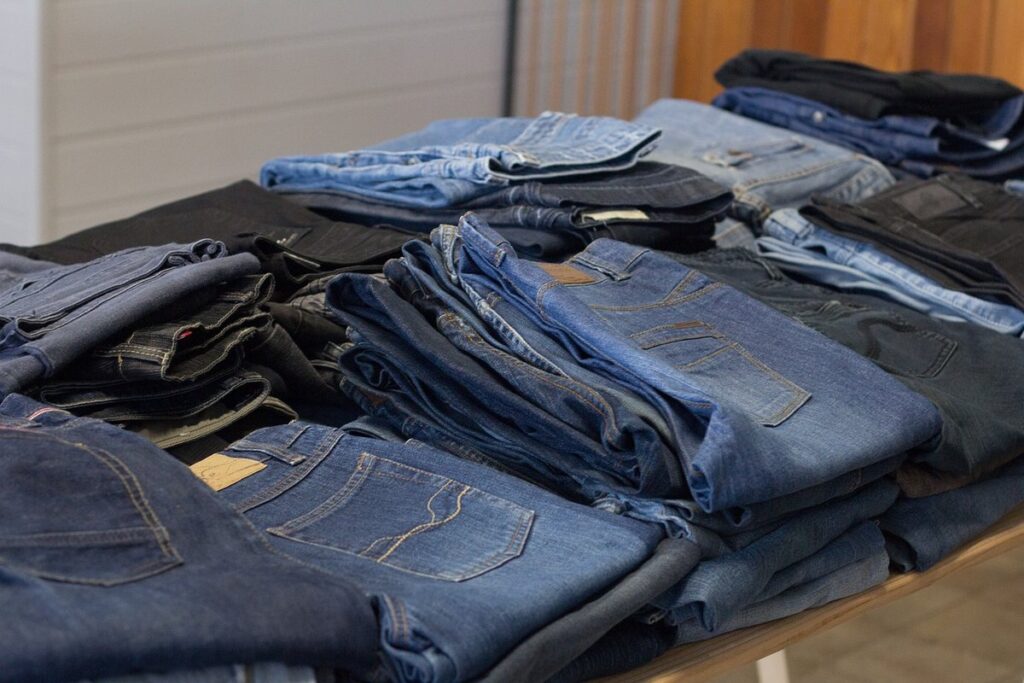
What is Sustainable Fashion?
Sustainable fashion refers to clothing and textiles created using environmentally friendly practices, minimizing waste and promoting eco-conscious design. Let’s start by defining what sustainable fashion means for you.
Defining Sustainability in Fashion
Sustainable fashion is often misunderstood as a vague term encompassing eco-friendly practices and environmentally responsible production methods. However, it’s crucial to define sustainability in fashion by its core principles: reducing waste, minimizing environmental impact, and promoting fair labor practices.
To address the former, consider this statistic: 12% of global greenhouse gas emissions come from textile production and disposal. By adopting recycled materials for clothing, brands can significantly lower their carbon footprint and mitigate waste accumulation in landfills. For instance, Patagonia’s use of recycled polyester has saved over a million pounds of waste from entering the environment since its inception.
Moreover, sustainable fashion prioritizes longevity over fast-paced consumption patterns. Encourage consumers to adopt a ‘buy second-hand, buy sustainable’ approach when possible and invest in quality pieces that can withstand multiple wear cycles rather than cheaply made items with short lifespans.
When evaluating the sustainability of a brand or garment, look for certifications such as GOTS (Global Organic Textile Standard) or Oeko-Tex. These labels guarantee that textiles adhere to rigorous environmental and social criteria.
The Problem with Traditional Fashion
Traditional fast-fashion perpetuates a toxic cycle of waste and exploitation. Each year, millions of tons of clothing end up in landfills, with the average American generating 82 pounds of textile waste annually. The production process itself is also ravaged by pollution, with cotton farming contributing to water scarcity and soil degradation. Furthermore, the rapid turnover of styles fuels a demand for cheap labor, often sourced from countries with lax regulations.
The environmental impact of fast-fashion is staggering: the fashion industry’s carbon footprint is estimated to be 10% of global greenhouse gas emissions. Microplastics from synthetic fabrics are also contaminating our waterways and oceans. Consumers can play a role in mitigating this damage by adopting more mindful purchasing habits. Before buying, consider the lifespan of an item and whether it will truly be worn often enough to justify its production costs. Choosing second-hand or high-quality pieces made from natural fibers like cotton, linen, or wool is also a step in the right direction. By rethinking our relationship with fashion, we can create a more sustainable future for both people and the planet.
Benefits of Sustainable Fashion
Sustainable fashion offers several benefits for consumers. One advantage is cost savings. When purchasing second-hand or recycled clothing, you can find high-quality items at a fraction of their original price. This can be especially appealing to those on a budget or looking to refresh their wardrobe without breaking the bank.
Another benefit is improved health. Traditional fast fashion often involves harsh chemicals and dyes that can irritate skin and harm the environment. Sustainable fashion alternatives, made from recycled materials, tend to use gentler processes that prioritize human safety.
To reap these benefits, consider exploring thrift stores or online marketplaces for gently used clothing. You can also look into brands that explicitly use recycled materials in their production process. Some popular examples include Patagonia’s Worn Wear program and H&M’s Garment Collecting Initiative. By choosing sustainable fashion options, you can not only reduce your environmental footprint but also invest in healthier, more affordable clothing choices for years to come.
Types of Recycled Materials Used in Clothing
From plastic bottles to old carpets, various types of recycled materials are being transformed into sustainable clothing fabrics. Let’s take a closer look at some of these innovative materials being used in fashion.
Post-Consumer Recycled Materials
Post-consumer recycled materials are a crucial component of sustainable fashion. These materials come from waste generated after consumption, such as plastic bottles, old clothing, and fabric scraps. One notable example is polyester made from plastic bottles. This process, known as r-PET (recycled polyethylene terephthalate), involves collecting used plastic bottles, sorting them by color, cleaning and shredding the plastic, and then spinning it into yarn.
Another significant use of post-consumer recycled materials is upcycling old clothing. This process transforms discarded garments into new products with minimal waste generation. Some brands repurpose used cotton fabric to create new items like bags, scarves, or even new clothing. Upcycling reduces the need for virgin raw materials and minimizes textile waste.
In addition, post-consumer recycled materials can also include fabric scraps from manufacturing processes or leftover materials from cutting rooms. These scraps are often collected, sorted by color and type, and then repurposed as new fabrics for garments. This practice not only conserves natural resources but also reduces the environmental impact of textile production.
Pre-Consumer Recycled Materials
Recycled polyester and nylon are two common types of pre-consumer recycled materials used in clothing production. These materials come from post-industrial waste, such as fabric scraps, plastic bottles, and old clothing that never made it to the consumer. Manufacturers can collect this waste and process it into raw materials for new garments.
The benefits of using pre-consumer recycled materials are numerous. For one, they reduce the demand on virgin resources, thereby conserving energy and minimizing environmental harm associated with extraction. Additionally, recycling reduces waste sent to landfills and incinerators. The most well-known example is Patagonia’s use of recycled polyester in their fleece jackets. This approach not only saves resources but also creates a closed-loop system where old garments are continuously cycled back into new ones.
To identify clothes made from pre-consumer recycled materials, look for certifications like REPREVE or Regenyx on the garment label. These labels indicate that the fabric has been created using post-industrial waste. Some brands even use recycled nylon in their clothing lines, such as outerwear and activewear.
Upcycling and Repurposing Materials
Upcycling and repurposing materials involve transforming discarded items into new, high-quality products. This process requires creativity and a willingness to think outside the box. Designers can breathe new life into old materials by adding embellishments, changing textures, or combining different fabrics.
For instance, an old denim jacket might be transformed into a unique tote bag by cutting out the sleeves and repurposing the fabric as a sturdy canvas for the bag’s body. Alternatively, a plastic bottle can become a fashionable pendant by being cut into a decorative shape and attached to a chain. Upcycling materials encourages experimentation and innovation.
To get started with upcycling, consider scouring thrift stores or online marketplaces for discarded items that can be repurposed. Be sure to inspect the condition of these items carefully before deciding whether they’re suitable for upcycling. With a little creativity, you can create one-of-a-kind clothing pieces that are both eco-friendly and visually striking.
Brands Leading the Way in Sustainable Fashion
As we explore the exciting innovations happening in sustainable fashion, several trailblazing brands are now incorporating recycled materials into their designs, pushing the industry forward. Among them is a select group of pioneers that are redefining what sustainability means for consumers today.
Luxury Brands Embracing Sustainability
Many luxury brands are now embracing sustainability by incorporating recycled materials into their collections. For instance, Burberry has made significant strides in using recycled polyester in its clothing and accessories. In 2018, the brand announced that it had used over 1 million recycled plastic bottles in its products. Similarly, Gucci’s “Gucci Ophelia” collection features shoes made from eco-friendly materials, including recycled nylon.
Other luxury brands are also experimenting with innovative recycling technologies to create new fabrics. For example, Loro Piana has developed a fabric called “Regenita,” which is made from 80% post-consumer plastic waste and 20% silk. This material is not only sustainable but also durable and easy to care for.
The incorporation of recycled materials into high-end fashion collections is not just about sustainability; it’s also a strategic business move. Luxury brands are recognizing that consumers are increasingly seeking out eco-friendly products, and by meeting this demand, they can differentiate themselves from competitors and appeal to a new generation of conscious consumers. As a result, we can expect to see more luxury brands embracing sustainable materials in the future.
Affordable Brands Making a Difference
Many consumers believe that sustainable fashion is a luxury only accessible to those with high-end budgets. However, affordable brands are challenging this notion by offering eco-friendly options at an affordable price point.
Patagonia’s Fleece Jacket made from recycled plastic bottles is a prime example of affordable sustainability. Priced around $99, it’s comparable to many other fleeces on the market. Yet, its production process reduces waste and conserves resources. The brand’s use of recycled materials has also encouraged other manufacturers to follow suit.
ThredUp’s partnership with H&M allows customers to recycle their old clothes for store credit. This closed-loop system enables consumers to exchange old garments for new ones made from recycled materials, often at a lower price point than buying new items outright. Brands like Everlane and Reformation are also prioritizing sustainability without breaking the bank.
These affordable options not only make sustainable fashion more accessible but also drive demand for environmentally friendly production methods. As consumers increasingly seek out eco-conscious brands, prices will continue to drop as economies of scale grow. By choosing these brands, you’re supporting a shift towards a more circular and responsible fashion industry.
Independent Designers and Startups
Innovative independent designers and startups are making significant strides in sustainable fashion by pushing the boundaries of recycled materials. Brands like Houdini Sportswear and Outerknown, founded by surfer Kelly Slater, are leading the charge by incorporating recycled polyester into their collections. These pioneers are not only reducing waste but also creating high-quality products that appeal to consumers looking for style without compromise.
One notable example is Houdini’s Re-Knit program, which collects used clothing from customers and transforms it into new garments. This closed-loop system reduces waste while promoting sustainable consumption habits among consumers. Outerknown’s denim collection, made from 98% recycled materials, sets a new standard for eco-friendly fashion.
To follow in their footsteps, independent designers can consider collaborating with suppliers who specialize in recycled materials or exploring repurposed textile solutions like upcycled yarns. Startups can also look into crowdfunding platforms to fund innovative sustainable fashion projects and gain support from environmentally conscious consumers.
Challenges and Limitations of Sustainable Fashion
While sustainable fashion is gaining momentum, it’s not without its drawbacks. We’ll examine some of the challenges and limitations that come with creating clothes from recycled materials.
Economic Barriers to Sustainability
Sustainable fashion often comes with a higher price tag due to the increased cost of raw materials and production processes. Companies must weigh the financial benefits against the costs of switching to recycled materials, which can be up to 20% more expensive than traditional materials. This economic barrier can be a significant hurdle for small businesses or those on tight profit margins.
For consumers, affordable sustainable fashion options are scarce. Many eco-friendly brands prioritize quality over quantity and often sell at a premium price point. However, some companies like Patagonia and Reformation have successfully implemented more cost-effective recycling methods that allow them to offer sustainable products without breaking the bank. To make sustainable fashion more accessible, consider shopping during sales events or taking advantage of loyalty programs offered by eco-friendly brands.
The lack of standardization in the production process also adds complexity and expense. Different manufacturers may charge varying rates for similar services, making it difficult for companies to compare costs and optimize their supply chain.
Technical Limitations of Recycled Materials
Recycled materials often have inherent technical limitations, primarily affecting quality and durability. These limitations can be attributed to factors such as inconsistent material properties, contamination during collection, and the varying levels of processing required for each type of waste. For instance, recycled polyester (rPET) may exhibit reduced strength compared to virgin polyester due to differences in molecular structure.
In terms of quality, color consistency is another challenge associated with recycled materials. Because different types of plastics can be collected from various sources, achieving uniform colors throughout a garment can be difficult. This issue is particularly noticeable when working with darker hues or complex patterns. Companies like Patagonia and Reformation have experimented with techniques to mitigate these issues, but more work remains to be done in this area.
Manufacturers also need to consider the durability of products made from recycled materials. While some companies have achieved success with high-quality items, such as clothing and accessories, others may produce goods that are less durable or prone to pilling. Consumers should exercise caution when purchasing garments made from recycled materials and expect some variability in quality.
Marketing and Education Gaps in Sustainable Fashion
Sustainable fashion practices are often misunderstood or dismissed due to lack of awareness and education. Many consumers are unaware of the environmental impact of traditional textile production methods or the benefits of recycled materials. This knowledge gap is particularly pronounced among younger generations, who are more likely to prioritize convenience over sustainability.
To bridge this educational divide, clothing companies should incorporate transparent labeling and clear product descriptions that highlight the eco-friendly features of their products. Online tutorials, workshops, and webinars can also help educate consumers about sustainable fashion practices. Furthermore, collaborations between brands, influencers, and thought leaders can amplify the message and make it more relatable to a wider audience.
Effective marketing strategies are equally crucial in driving demand for sustainable clothing. Brands must showcase the quality, durability, and aesthetic appeal of recycled materials to convince customers that they offer comparable value to traditional products. Successful examples include Patagonia’s “Worn Wear” campaign, which encourages consumers to repair and reuse their garments, and H&M’s “Garment Collecting Initiative,” which recycles used clothing into new products.
The Future of Sustainable Fashion
As we explore the exciting realm of sustainable fashion, one innovation stands out: clothes made from recycled materials. From old plastic bottles to repurposed textiles, these materials are being transformed into stylish and eco-friendly garments.
Industry-Wide Initiatives and Collaborations
Fashion brands are increasingly recognizing the importance of collaborating with suppliers and other industry players to promote sustainability throughout the supply chain. Take H&M’s Garment Collecting Initiative as an example. The company has partnered with recycling facilities to collect used garments, which are then sorted and processed into raw materials for reuse in new products.
Companies like Patagonia and Reformation have also launched take-back programs, encouraging customers to return old or worn-out items made from recycled materials. This approach not only reduces waste but also helps close the loop on production and consumption cycles. Furthermore, industry-wide initiatives such as the Global Fashion Agenda’s 2030 Challenge aim to unite stakeholders across the supply chain in shared sustainability goals.
Additionally, some brands are engaging with suppliers to adopt more environmentally friendly practices, like using organic cotton or reducing water consumption. For instance, Levi Strauss & Co. has set a goal to use 100% sustainable materials by 2025 and is working closely with its suppliers to achieve this target.
Technological Advancements in Recycling
Recent technological advancements in recycling have significantly improved the efficiency and quality of recyclable materials. For instance, mechanical recycling technologies like chemical cleaning and shredding can now recover up to 90% of raw materials from post-consumer waste. In contrast, traditional recycling methods typically achieve a recovery rate of around 50%.
One notable development is the emergence of advanced sorting facilities that utilize AI-powered computer vision to differentiate between recyclable and non-recyclable materials. These high-tech sorting systems enable manufacturers to produce higher-quality fibers and yarns from recycled plastics. Companies like Patagonia and Reformation are already incorporating these innovative technologies into their production processes.
As a result, clothing made from recycled materials is becoming increasingly prevalent in the fashion industry. Garment manufacturers can now confidently use reclaimed polyester (rPET) and other post-consumer waste to create high-quality fabrics. For consumers looking to make more sustainable choices, look for certifications like GRS (Global Recycle Standard) or Oeko-Tex, which guarantee a minimum percentage of recycled materials in the final product.
Consumer Engagement and Activism
As consumers become more environmentally conscious, they’re demanding change within the fashion industry. By choosing clothes made from recycled materials, individuals are voting with their wallets and driving demand for sustainable fashion. This shift in consumer behavior is crucial for promoting positive change within the industry.
To further promote sustainability, consumers can participate in activism efforts such as signing petitions or supporting brands that prioritize environmental responsibility. For instance, many clothing companies now offer repair services to extend the life of garments, reducing waste and the need for new production. By extending the lifespan of clothes, individuals can significantly reduce their environmental footprint.
Some notable examples of consumer-driven change include Patagonia’s “Worn Wear” campaign, which encourages customers to repair and reuse their products. Similarly, H&M’s Garment Collecting Initiative collects used clothing from consumers to recycle into new materials. By participating in these initiatives, consumers are not only reducing waste but also promoting a culture of sustainability within the fashion industry.
Frequently Asked Questions
How Can I Incorporate Recycled Materials into My Own Wardrobe?
You can incorporate recycled materials into your wardrobe by repurposing or upcycling existing clothing items, shopping from brands that use post-consumer recycled materials, or even creating your own sustainable fashion pieces using recycled materials. Consider hosting a clothing swap with friends to refresh your wardrobe while reducing waste.
What If I Prefer High-Quality Clothing but Want to Buy Sustainable? Are There Luxury Options?
Yes, there are luxury options available in the market that prioritize sustainability without compromising on quality. Look for high-end brands that use pre-consumer recycled materials or partner with sustainable suppliers to create premium clothing items. For example, some luxury brands now incorporate recycled polyester or nylon into their collections.
Is It True That Sustainable Fashion is More Expensive Than Traditional Fast-Fashion?
Not always. While some sustainable fashion options may be pricier than fast-fashion, many affordable brands are offering eco-friendly alternatives at an accessible price point. Additionally, sustainable fashion can also save you money in the long run by reducing waste and extending the life of your clothing items.
Can I Use My Old Clothing to Make New Sustainable Fashion Items? What Are Some DIY Projects?
Yes, you can repurpose or upcycle old clothing items to create new sustainable fashion pieces. Consider projects like turning old t-shirts into reusable bags, creating a quilt from vintage fabric scraps, or transforming old jeans into unique denim jackets. Get creative and have fun experimenting with different materials and techniques!
What If I’m Not Comfortable Wearing Sustainable Fashion Items That Are Obvious Recycled Materials? Can I Still Support the Cause?
Yes, you can still support sustainable fashion even if you prefer clothing items that don’t explicitly show their recycled origins. Look for brands that prioritize sustainability behind-the-scenes, using materials and production methods that minimize environmental impact without compromising on style or quality.