
When working with clay, the possibilities seem endless, but sometimes it’s hard to know where to start. You might be looking for new techniques to try or inspiration for your next project, or perhaps you’re a beginner wanting to learn the basics of hand-building and sculpting. Whatever your level, having access to creative ideas and projects can elevate your craft and help you achieve more complex forms. From simple, decorative pieces to intricate, three-dimensional sculptures, clay is an incredibly versatile medium that offers endless opportunities for self-expression. In this article, we’ll explore a range of creative clay ideas, techniques, and projects to enhance your skills and take your crafting to the next level, from fundamental hand-building basics to advanced sculptural forms. By the end of it, you’ll have the knowledge and inspiration to create beautiful, unique pieces that showcase your creativity.
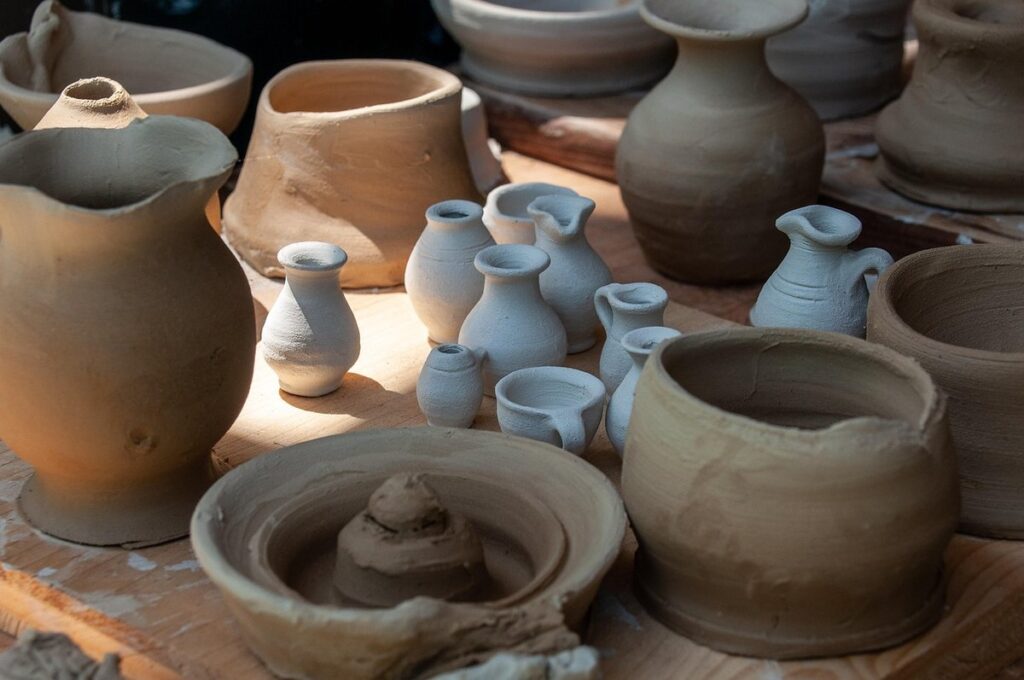
Introduction to Clay Art
For those new to clay art, let’s start from the basics and explore the fundamentals of working with clay, including its different types and applications. This will provide a solid foundation for more creative projects later on.
What is Clay?
Clay comes in various forms, each with its unique characteristics and uses. One of the most accessible types is air-dry clay, which can be molded and shaped by hand without needing a kiln or oven. This type of clay is ideal for beginners and children due to its ease of use and quick drying time. Air-dry clay projects often involve decorative items like jewelry, ornaments, or home decor.
On the other end of the spectrum is fired clay, which requires high temperatures to transform it into a durable, long-lasting material. Fired clay is typically used in ceramics and pottery making, where intricate designs and shapes can be achieved through various techniques. However, working with fired clay demands more expertise and equipment, such as a kiln or access to a shared studio space.
Polymer clay, also known as polymer of clay (POC), falls somewhere in between air-dry and fired clay. It’s a type of modeling material that can be baked at home using an oven, making it a convenient option for crafters. Polymer clay is often used for jewelry-making, miniatures, and other small-scale projects due to its ease of use and versatility.
Each type of clay has its own set of benefits and requirements, allowing artists to choose the one that best suits their skills and project goals.
Benefits of Working with Clay
Working with clay can be a truly therapeutic experience. The tactile nature of shaping and molding clay allows you to tap into your creative side, fostering self-expression and imagination. Many people find that working with clay is meditative, helping them unwind and relax. This is particularly true for those who struggle with anxiety or stress.
One of the primary benefits of using clay in crafting and DIY projects is its cost-effectiveness. Compared to other materials, clay is relatively inexpensive, making it an accessible medium for artists and hobbyists alike. Additionally, you can repurpose household items, such as old cardboard tubes or fabric scraps, to create unique textures and patterns in your work.
To maximize the benefits of working with clay, consider experimenting with different techniques and tools. Try hand-building a small vessel using rolled-out clay, or use a wire tool to create intricate designs on a slab of clay. By exploring various methods and materials, you can unlock new levels of creativity and enjoyment in your craft.
Basic Clay Techniques
Let’s master some fundamental clay skills, starting with basic hand-building techniques that will give you confidence to tackle more complex projects. We’ll cover essential methods for working with clay successfully.
Hand-Building Basics
Hand-building clay techniques are ideal for creating unique shapes and forms without the need for a potter’s wheel. To start hand-building with clay, you’ll first need to prepare your workspace by covering it with a damp cloth or plastic tablecloth to prevent sticking. Begin by wedging your clay to remove any air pockets and make it more pliable.
Next, learn basic techniques such as coiling, pinching, and slapping. Coiling involves rolling out clay ropes and stacking them to form the desired shape. Pinching creates shapes by gathering small amounts of clay between your thumb and index finger. Slapping is a technique that involves flattening and shaping the clay using gentle taps with your fingers.
For beginners, it’s essential to start with simple projects such as making beads or small decorative items. As you gain experience and confidence, you can move on to more complex shapes like bowls or vases. Remember to work gradually, allowing each layer of clay to dry slightly before adding the next. This will help prevent cracking and ensure a smooth finish.
Pinching and Coiling Methods
Pinching involves using a small tool to shape and mold clay into symmetrical forms. You can create bowls, cups, or other vessels by pinching from the center outwards. The process requires patience and gentle pressure to avoid creating uneven surfaces. For example, when making a pinch pot, you’ll start by creating a small indentation in the center of the clay, then use your fingers or a tool to widen and shape it.
Coiling, on the other hand, involves rolling out long ropes of clay that are then coiled upon each other to create symmetrical forms. This technique is ideal for making larger pieces like vases or bowls with straight sides. You can also use coiling to create asymmetrical pieces by manipulating the coils and adding texture.
When working with pinching and coiling methods, it’s essential to keep your clay even and consistent in thickness. To achieve this, you can roll out your clay ropes to a uniform size before coiling them. This will help prevent cracking or breaking during the drying process.
Tips for Achieving Texture and Pattern
To achieve a variety of textures and patterns in your clay work, you can use different tools and techniques. For instance, texture mats are perfect for creating intricate designs on small-scale projects like jewelry or ornaments. Simply roll out the clay, place it onto the mat, and smooth out any air pockets with a rolling pin.
Wire mesh is another versatile tool that allows for more dramatic textures. You can press it into the clay to create geometric patterns or use it as a mold to achieve unique shapes. For a more organic look, try using found objects like leaves, twigs, or even seashells to impress patterns into the clay.
When working with texture mats or wire mesh, keep in mind that you may need to adjust your clay’s consistency beforehand. Adding a small amount of water can help prevent the material from tearing or cracking under pressure. With a little experimentation and practice, you’ll be able to achieve a wide range of textures and patterns to enhance your clay projects.
To create more complex designs, consider using stamps or molds made from materials like silicone or plaster. These can be used to add intricate details or shapes to your work, while also allowing for some flexibility in terms of color and pattern placement.
Advanced Clay Projects
Now that you’ve mastered the basics, it’s time to push your creativity to the next level with intricate and complex clay projects that showcase your skills. From miniature sculptures to decorative vases, get inspired by these advanced techniques.
Sculptural Forms and Abstract Art
When working with clay, advanced sculptural forms and abstract art can be created by pushing the boundaries of traditional techniques. Consider the works of artists like Beatrice Wood, who used clay to create intricate, geometric patterns that evoke a sense of modernity and sophistication.
To achieve complex designs, experiment with layering different clays or incorporating found objects into your work. This can add depth and visual interest to your pieces. For example, combining terracotta and stoneware clays creates a striking contrast in texture and color.
Abstract art in clay can also be achieved through the use of subtle color variations, such as ombre effects, or by incorporating organic materials like leaves or twigs into your work. Think about creating abstract forms that evoke a sense of movement or energy, like swirling vortex patterns or fluid shapes inspired by nature.
When working with complex designs, it’s essential to plan ahead and think about how different elements will interact with each other. Consider sketching out ideas before diving in, and don’t be afraid to experiment and try new things – sometimes the best results come from happy accidents.
Ceramic and Pottery Techniques
Creating functional ceramics and pottery pieces requires a combination of skill, patience, and practice. One fundamental technique is throwing on a potter’s wheel, which allows for symmetrical, uniform shapes. To begin, you’ll need to center the clay on the wheel head, then raise it into a cylindrical shape using gentle pressure from your hands.
As the piece begins to take form, focus on achieving even walls and a smooth base. This often requires making adjustments mid-throw to prevent warping or unevenness. Once the vessel is complete, carefully remove it from the wheel head and allow it to dry slowly in a controlled environment to prevent cracking.
Additional techniques for creating functional ceramics include hand-building methods like coiling and pinching, which can be used in conjunction with throwing on the potter’s wheel. These approaches offer more freedom in terms of shape and design, but may require additional steps to achieve a watertight seal. By mastering these techniques, you’ll be well on your way to creating beautiful, functional pieces that showcase your skills as a ceramic artist.
Mixed Media and Clay Combinations
Combining clay with other materials can add depth, texture, and interest to your art. One way to do this is by incorporating paper into your design. You can use paper pulp, decoupage technique, or even create a collage using torn paper pieces. For example, you could make a mixed-media sculpture by attaching paper fibers to the clay body, creating a unique blend of textures.
When combining fabric with clay, consider using natural fibers like cotton or linen. You can wrap fabric around a clay form or use it as a texture element in your design. Some artists also experiment with found objects like seashells, leaves, or driftwood to add an organic feel to their work. These elements can be incorporated into the clay through various techniques, such as embedding or applying them on top of the surface.
To get started, think about what materials you want to combine and how they will interact with each other. You might also consider experimenting with different adhesives or binding agents to secure your mixed-media elements in place.
Decorative Clay Projects
Get creative with clay and add a personal touch to your home decor by making beautiful decorative pieces, from vases to candle holders. We’ll explore some inspiring projects that are easy to follow.
Mosaic Art and Designs
Mosaic art created with clay tiles, beads, or glass pieces is a visually stunning way to add texture and interest to decorative projects. To create mosaic artwork, you’ll need a variety of materials, including clay tiles, beads, or glass pieces in different colors and shapes.
When choosing your materials, consider the color palette and overall aesthetic you want to achieve. For example, if you’re aiming for a vintage look, use distressed or aged clay tiles in earthy tones. If you prefer a modern design, opt for bright colors and geometric shapes.
To assemble your mosaic artwork, start by planning out your design on paper. Consider the placement of each piece and how they will fit together. Once you have your design, begin arranging the pieces on your surface, leaving small gaps between them to create depth and visual interest. Use a small amount of adhesive, such as epoxy or ceramic glue, to secure the pieces in place.
Some popular mosaic art designs include geometric patterns, floral arrangements, and abstract shapes. You can also experiment with different textures by combining smooth clay tiles with rough glass beads or vice versa.
Relief Printing and Embossing Techniques
To add texture and pattern to clay designs, relief printing and embossing techniques are invaluable tools. Relief printing involves creating a design on a separate surface, such as a linoleum block or a carved wooden plate, which is then pressed into the clay to create a raised image. This technique works best with simple designs, like leaves or geometric patterns.
For more intricate designs, embossing is a better option. Embossing involves using a metal stamp or a textured roller to apply pressure to specific areas of the clay, creating a recessed design that can be painted or glazed later. To achieve this effect, you’ll need a clay body with good flexibility and a sturdy surface for rolling.
When experimenting with relief printing, keep in mind that the design will be reversed when printed onto the clay. This can actually add an interesting twist to your designs. For embossing, choose a metal stamp or roller with raised details that match your desired pattern. Experiment with different pressures and techniques to achieve unique textures.
Creating Decorative Ornaments and Figurines
To create decorative ornaments and figurines, you can use various types of clay, such as polymer clay, air-dry clay, or even ceramic clay. These materials offer a range of textures and workability that can be tailored to suit your design.
When creating ornaments, consider using small shapes and simple designs to allow for easy drying and handling. You can also experiment with layering colors or adding texture with tools or found objects. For example, try rolling out thin sheets of clay to create delicate patterns or use a texture mat to add subtle impressions.
For figurines, focus on building up layers of clay to achieve the desired shape and detail. Use reference images to guide your proportions and anatomy, and don’t be afraid to experiment with different poses and expressions. To add visual interest, incorporate small details like eyes, mouths, or textures that resemble fabric or skin.
Some popular techniques for creating decorative ornaments and figurines include:
- Using a toothpick or skewer to create fine details
- Experimenting with different clay colors and layering effects
- Adding embellishments like glitter, beads, or sequins
Tips and Safety Precautions
When working with clay, it’s essential to take a few extra precautions to ensure you’re creating safely and effectively. Be sure to follow these guidelines to avoid common mistakes.
Best Practices for Working with Clay
When working with clay, it’s essential to handle different types of clay with care. Some clays are more prone to drying out quickly, while others require a specific temperature range for optimal workability. To avoid warping or cracking, ensure you store each type of clay separately in sealed containers or plastic bags.
Keep your workspace clean and well-ventilated when working with clay. Dust particles can accumulate quickly, causing respiratory issues if inhaled. Use a mask or respirator when mixing or sanding dry clays. Regularly wipe down surfaces with a damp cloth to prevent buildup.
When disposing of clay waste, follow local regulations for organic materials. Avoid pouring excess water into the sink, as it may clog drains. Instead, use a designated container for excess liquids and dispose of them properly. Label containers clearly to avoid confusion between different types of clay or chemicals.
For long-term storage, wrap fired ceramics in bubble wrap or paper towels to prevent chipping or breakage. Store fragile pieces in a secure location away from direct sunlight. When not in use, keep raw materials and tools organized and out of reach of children or pets. This will help maintain your workspace’s efficiency and minimize the risk of accidents.
Common Mistakes to Avoid in Clay Art
When working with clay, it’s easy to get caught up in the creative process and overlook some fundamental mistakes. One common error is over-working the clay, which can lead to a brittle or fragile final product. This happens when you continue kneading or shaping the clay beyond its optimal point, causing it to lose its pliability.
Another mistake is not preparing your workspace properly. Failing to cover your work surface with a damp cloth or plastic sheet can result in messy clean-up and potentially ruin your project. Make sure to lay down protective materials before starting your next clay creation.
Inadequate drying time can also cause problems. Don’t rush the process by skipping necessary stages, as this can lead to cracking, warping, or even breaking of your finished piece. Allow each stage sufficient time for drying and hardening – typically a few hours between wet and dry cycles.
When handling different types of clay, be mindful that some may require specific temperature or humidity conditions. Failure to meet these requirements can compromise the final product’s quality. Research the needs of your chosen clay type to ensure success.
Frequently Asked Questions
What if I’m new to clay art and don’t have any experience with hand-building or sculpting? Can I still create amazing pieces?
Yes, you can still create amazing pieces even without prior experience. Start by practicing basic techniques like pinching and coiling, and gradually move on to more complex projects. Remember, the key to improving is consistent practice.
How long does it take for a clay project to dry completely? Can I speed up or slow down the process?
The time it takes for a clay project to dry completely depends on several factors, including the type of clay used and the ambient temperature and humidity. Generally, air-dry clay can take anywhere from a few days to several weeks to dry completely. You can’t speed up or slow down the process significantly, but you can control the environment by storing the piece in a well-ventilated area.
What if I make a mistake while working with clay – can I fix it easily? Are there any common mistakes beginners should avoid?
Yes, many mistakes can be fixed easily, especially if caught early on. Common mistakes to avoid include over-working the clay, not allowing enough time for drying, and using the wrong type of tool or material. To fix a mistake, try to identify the problem area and gently scrape off excess clay or rework the piece.
Can I use clay to create decorative items that can withstand outdoor weather conditions? How do I ensure durability?
Yes, you can create durable outdoor decorations with clay by using waterproof sealants and applying them according to the manufacturer’s instructions. Additionally, choose a type of clay specifically designed for outdoor use or apply a protective coating after firing.
What if I want to combine clay with other materials like paper or fabric? Are there any specific techniques or tips for mixed-media art?
When combining clay with other materials, experiment with different adhesives and textures to achieve the desired effect. Consider using a combination of air-dry and fired clays for added durability, and don’t be afraid to try new techniques – it’s all part of the creative process!

