
Drawing cherry blossom trees can be a therapeutic and rewarding experience, allowing you to connect with nature’s fleeting beauty. However, capturing their delicate details on paper requires some skill and practice. The intricacies of cherry blossoms – from the basic shapes that form the branches to the subtle proportions that define each petal – are what make them so captivating. To learn how to draw a realistic cherry blossom tree, you’ll need to focus on two key areas: mastering basic drawing techniques and understanding coloring methods. By breaking down these elements into manageable steps, we can create a comprehensive guide to help you improve your skills. In this article, you’ll discover step-by-step techniques for drawing a beautiful cherry blossom tree, including how to use basic shapes and proportions to achieve realistic results, and how to incorporate realistic coloring methods to bring your drawings to life.
Understanding Cherry Blossom Trees
To truly master the art of drawing cherry blossom trees, it’s essential to understand their unique characteristics and growth patterns. Let’s take a closer look at the tree’s structure and branching system.
Characteristics and Symbolism
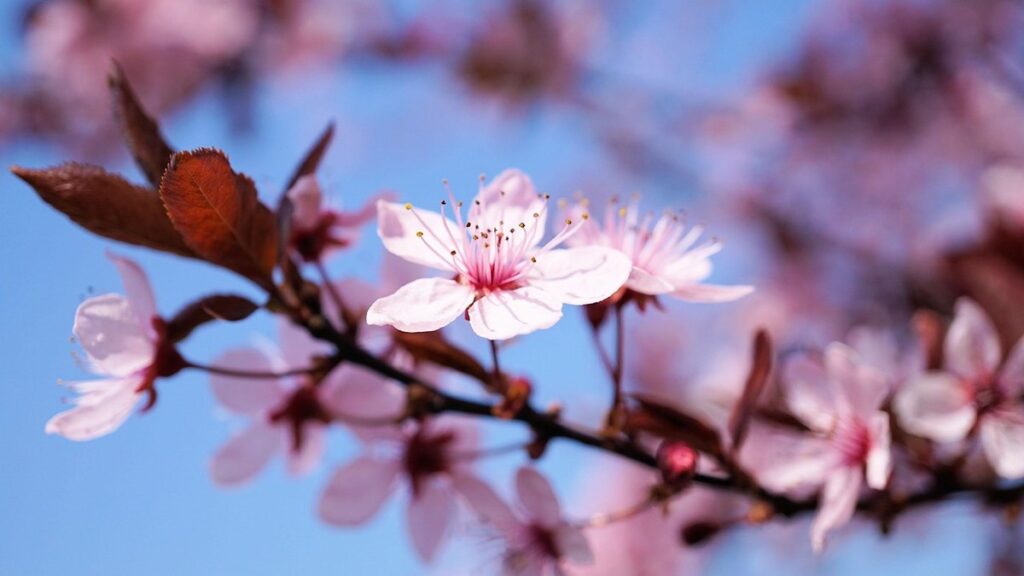
Cherry blossom trees have a distinct appearance that is both delicate and resilient. Their slender branches and small, elliptical leaves create a striking contrast against their vibrant pink flowers, which bloom for a short yet breathtaking period each spring. The tree’s unique shape and size make it an ideal subject for artists to capture on paper.
In many Asian cultures, cherry blossom trees hold significant cultural and symbolic meaning. They represent the fleeting nature of life and the arrival of spring. In Japan, they are often associated with the concept of mono no aware, or “the sadness of things passing away.” This theme has been a recurring motif in traditional Japanese art, encouraging artists to capture the beauty and fragility of these trees.
When drawing cherry blossom trees, consider incorporating these symbolic elements into your artwork. Consider the placement and arrangement of branches and flowers to convey a sense of movement and impermanence. By capturing the intricate details and subtle color shifts of these trees, you can create a piece that not only honors their beauty but also conveys the deeper cultural significance they hold.
Types of Cherry Blossoms
Cherry blossom trees come in many varieties, each with its unique characteristics. Some of the most common types are the Prunus serrulata, Prunus x yoshinoensis, and Prunus lannesiana. These species differ in terms of their physical appearance, blooming periods, and ideal growing conditions.
The Prunus serrulata has pink or white flowers that bloom in late March to early April, typically lasting about two weeks. It prefers a slightly acidic soil pH and well-draining soil. The Yoshino cherry (Prunus x yoshinoensis) boasts pale pink blossoms that bloom from mid-to-late April and can last up to three weeks. This variety thrives in zones with mild winters and cool summers, making it ideal for temperate climates.
The Prunus lannesiana has vibrant pink flowers that bloom a bit later than the other two varieties, typically between late April and early May. It prefers full sun to partial shade and well-draining soil. When drawing cherry blossom trees, consider these physical differences to accurately depict each variety. For instance, the Yoshino cherry’s slender branches and delicate blossoms make for a more ethereal, dreamy effect in your artwork.
Preparing to Draw Cherry Blossom Trees
Before you start drawing, it’s essential to gather reference materials and understand the basic structure of a cherry blossom tree. Familiarize yourself with the iconic branches and blooms that make this tree so breathtakingly beautiful.
Choosing the Right Materials
When choosing materials for drawing cherry blossom trees, it’s essential to select tools and mediums that can accurately capture their delicate branches and petals. A range of pencils, from 4B to 9H, will allow you to achieve subtle gradations of tone and create smooth transitions between light and dark areas.
For paper, a high-quality watercolor or mixed media paper with a textured surface is ideal for capturing the intricate details of cherry blossom trees. Look for papers with a rough finish, around 140-300 gsm, as these will provide sufficient tooth to handle multiple layers of media without buckling or warping.
A limited palette of colored pencils or markers can also be effective in capturing the soft hues and delicate colors of cherry blossoms. Choose materials that have rich, buttery consistency and blend smoothly, such as Faber-Castell Polychromos or Prismacolor. By selecting the right materials, you’ll be able to create a beautiful, realistic representation of these stunning trees.
Basic Drawing Techniques
When drawing cherry blossom trees, it’s essential to master basic techniques that will serve as a foundation for the tutorial. Perspective is crucial, especially when depicting intricate branches and flowers. You can use one-point perspective to create the illusion of depth on a flat surface, or try two-point perspective for more complex scenes.
To establish correct proportions, start by sketching the tree’s trunk and main branch. Measure its width against the height of the drawing paper to ensure it fits comfortably in the composition. Don’t worry too much about precise measurements at this stage; focus on getting the overall shape right.
Line quality is another critical aspect of drawing cherry blossoms effectively. Soft lines can create delicate, feathery textures, while thicker lines can add depth and dimension. Practice varying line weights by using different tools or techniques – for example, hatching with a pencil or pen versus gestural brushstrokes with watercolors. By mastering these fundamental techniques, you’ll be better equipped to tackle the intricacies of drawing cherry blossom trees throughout this tutorial.
Sketching the Basics
To get started on drawing a beautiful cherry blossom tree, let’s begin by learning the fundamental shapes and lines that make up its structure. This foundation will serve as the basis for more intricate details later on.
Stem and Branches
When drawing the trunk and branches of a cherry blossom tree, proportions are key to creating realism. Start by sketching the main trunk, which should be roughly one-quarter to one-third the height of the overall tree. Imagine a long, tapering column that rises from the base of the tree, gradually narrowing as it reaches the first branch.
Notice how the branches grow out from the trunk in a gentle curve, rather than at a sharp angle. This is especially true for cherry blossom trees, which tend to have more delicate and drooping branches. To capture this effect, try drawing your branches with a soft, flowing line that suggests movement and weight.
As you draw the smaller twigs that emerge from the main branches, pay attention to their length and thickness in relation to the overall branch structure. A good rule of thumb is to make the twigs slightly thinner at the base than they are towards the tip, creating a sense of tapering and realism. Remember to keep your lines loose and expressive, as this will help create the soft, feathery texture of cherry blossom tree branches.
Leaves and Petals
When drawing individual leaves and petals, it’s essential to capture their unique shapes, sizes, and patterns. Cherry blossoms come in various types, including Somei Yoshino, Shirofugen, and Kanzan. The Somei Yoshino variety is known for its pale pink color and five-petaled flowers. Each petal tapers to a point at the tip and has a subtle curve.
The leaves of cherry blossom trees are typically long and narrow, with a pointed tip. They’re often a deep green color on top and lighter on the underside. When drawing leaves, pay attention to their veins, which can be prominent or nearly invisible depending on the tree’s age and variety. The Kanzan cherry blossom has larger leaves than Somei Yoshino, with more pronounced veins.
When depicting petals, remember that they often overlap slightly, giving the illusion of a soft, fluffy texture. To capture this effect, you can use gentle, curved lines to suggest where one petal meets another. Focus on the subtle variations in shape and size between individual petals to create a sense of movement and life.
Adding Details and Texture
Now that you have a basic shape, let’s add some depth and interest to your cherry blossom tree by incorporating subtle branch lines and delicate blossoms. This is where texture and detail truly come alive!
Bark and Trunk Details
When drawing the trunk and branches of a cherry blossom tree, it’s essential to add textures and details that mimic real bark. Start by considering the type of tree: some species have smooth trunks, while others are covered in thick, scaly bark. For example, Japanese cherries often have thin, grayish-brown bark with deep furrows.
To create this effect, use a range of line weights and textures. Vary the thickness of your lines to suggest the intricate patterns found on real tree trunks. You can also use hatching techniques to add depth and dimensionality. For the branches, focus on capturing the irregular shape and texture of individual twigs. Pay attention to the way they overlap and intersect with each other.
Incorporating bark details will make your drawing more believable and engaging. Experiment with different textures using a combination of pencils (HB, 2B, or 6B) and blending stumps. By adding these subtle details, you’ll create a more convincing and lifelike representation of the tree’s structure.
Leaf and Petal Patterns
Cherry blossoms are known for their delicate and intricate patterns on leaves and petals. When drawing cherry blossom trees, it’s essential to capture these details accurately to create a realistic representation. Start by considering the veins of the leaves, which should be darker and more prominent towards the stem and tapering off as they reach the leaf tip.
Incorporate texture by suggesting subtle ridges or slight variations in color on the petals. This can be achieved by using gentle hatching strokes or soft shading techniques with a range of tonal values. Color variation is also crucial, as it can add depth and visual interest to your drawing. Typically, cherry blossom petals have a pale pink base color with delicate white or yellow undertones.
To achieve these patterns effectively, focus on observing the natural forms of real cherry blossoms. Look for leaves that are twisted or folded, which can create intricate textures and folds in the leaf structure. This level of detail will elevate your drawing from a simple representation to an authentic portrayal of the subject.
Coloring Your Cherry Blossom Tree
Now that you’ve mastered drawing the basic branches, let’s add some color and vibrancy to your cherry blossom tree by introducing a range of delicate hues.
Basic Color Theory
When working with watercolors to capture the delicate beauty of cherry blossom trees, understanding basic color theory is essential. You’ll want to focus on creating a natural look by carefully selecting hues and achieving contrast. Start by familiarizing yourself with the color wheel: this circular diagram illustrates how colors are related and interact.
Pay attention to warm and cool colors – while your subject is likely to be in the pink or white family, using too many warm tones can make it appear unhealthy. Balance these warm colors with cooler blues and greens found in shadows, foliage, and distant backgrounds. Consider a 60-30-10 ratio for your color mixing: 60% dominant hue, 30% secondary hue, and 10% accent.
To achieve contrast, think about the way light falls on branches and petals. Soft, cool colors can create depth and dimension in these areas. Warm colors will help draw attention to focal points like blooms and branch tips. For a more realistic look, study the natural color palette of cherry blossoms – mix soft pinks with hints of coral, pale yellow, and lavender for an authentic representation.
Techniques for Realistic Colors
To achieve realistic colors on your cherry blossom tree drawing, consider applying various coloring techniques. Blending is a fundamental method where you merge two or more colors together to create a smooth transition from one hue to another. For instance, blending pink and white can produce the delicate petal coloration of blossoms.
Layering involves building up layers of transparent washes to achieve depth and dimension in your drawing. This technique works particularly well for capturing the subtle color variations on cherry blossom petals. Apply a base layer of light blue or green to set the tone, followed by additional layers with slight increases in pigment concentration.
Glazing is another effective method that involves applying multiple thin layers of transparent paint or ink over a previously colored area. Glazing can add luminosity and enhance details without overpowering surrounding colors. This technique is ideal for accentuating delicate petal edges and adding subtle shading to branches.
Tips and Variations
Now that you’ve mastered the basics of drawing a cherry blossom tree, it’s time to get creative and experiment with different styles and techniques. Try adding your own twist to make this beautiful tree truly unique.
Creating Different Seasons
To create a seasonal cherry blossom tree drawing, focus on the changes in foliage and branch structure. In winter, omit leaves and branches, instead sketching bare limbs against a snowy or cloudy sky. Consider adding frost or snowflakes for added texture.
For spring, begin with light pink or white blossoms at the tips of the branches. Vary blossom sizes and spacing to create a natural look. Include buds along the stems for depth and dimension. As you progress to summer, add full leaves to the branches, varying leaf shapes and sizes for visual interest.
In autumn, change the branch structure by adding thicker limbs and more angular growth patterns. Introduce vibrant fall colors through your choice of foliage, from deep oranges to bright yellows. Balance warm tones with subtle berry or seed pods along the stems for added depth.
Incorporating Wildlife and Scenery
When drawing a cherry blossom tree, consider incorporating wildlife and scenery elements to enhance its significance in a natural environment. Adding birds perched on branches can add visual interest and create a sense of movement around the tree.
You could depict a bird pecking at blossoms or flying away from the tree, depending on your desired composition. Incorporating insects like bees or butterflies can also add depth and highlight the role of pollinators in the cherry blossom’s life cycle.
For scenery, consider adding a few strategically placed rocks, a bench, or a winding path to create a sense of scale and context. These elements should be subtle enough not to overpower the tree itself but provide enough visual interest to engage the viewer.
The key is to balance these added elements with the primary focus on the cherry blossom tree. Avoid over-accessorizing, as this can detract from the main subject. Focus on a few carefully chosen details that complement the tree’s beauty and enhance its significance in a natural setting.
Final Touches and Display
Now that you’ve mastered the basics of drawing cherry blossom trees, it’s time to add the final details and create a beautiful display piece. In this last stretch, we’ll refine your technique to make your artwork truly unforgettable.
Finalizing Your Piece
When finalizing your cherry blossom tree drawing, pay close attention to the proportions of the branches and trunk. Measure your sketch regularly against a ruler or measuring tool to ensure the width and height of each component is balanced. For example, if you’ve drawn a larger branch on one side, compensate by adjusting the size of the corresponding branch on the other side.
Next, refine details such as petal texture and leaf placement. Use reference images to study how petals overlap and fold naturally around branches. Pay attention to subtle variations in color and light across different parts of the tree. For instance, petals closer to the sun may appear brighter and more vibrant than those shaded by branches or leaves.
Finally, assess your drawing’s overall balance. Check that your composition doesn’t lean heavily towards one side due to uneven branch lengths or misplaced features. Adjust as needed to achieve a harmonious arrangement of elements within your artwork.
Displaying Your Artwork
When it comes to showcasing your finished cherry blossom tree drawing, you have several options for display. Framing is a classic choice, allowing you to add a border and protect your artwork from dust and damage. Consider using a simple white or black frame to let the beauty of your trees take center stage.
Alternatively, you can mount your piece on a canvas or board, creating a more rustic look that’s perfect for a traditional or minimalist setting. If you want to add some extra flair, consider incorporating a subtle background design or texture to enhance the overall visual impact.
For those who prefer digital display, there are numerous options available. You could print out your artwork and frame it digitally using a smartphone app or software like Adobe Lightroom. Another option is to display your piece on social media platforms or online art galleries, allowing you to share your work with a wider audience and potentially attract new viewers and fans of your art.
Frequently Asked Questions
Can I use digital drawing tools to create a realistic cherry blossom tree?
Yes, many digital art programs can mimic the look and feel of traditional media. However, keep in mind that digital tools often require learning new techniques and software, so it’s essential to familiarize yourself with your chosen program before starting a project.
How do I incorporate texture and depth into my drawing without making it too busy?
Focus on adding subtle textures and details to specific areas of the tree, such as the trunk or branches. Use hatching and cross-hatching techniques to create a sense of depth without overwhelming the overall composition.
What if I’m not sure which type of cherry blossom tree to draw?
Consider the characteristics and symbolism associated with different types, such as the Yoshino cherry’s pale pink blooms or the Kwanzan cherry’s vibrant red flowers. Choose a type that resonates with you or reflects your personal connection to nature.
Can I use watercolor paint to create a realistic cherry blossom tree?
Watercolor can be challenging for beginners, and it may not produce the desired level of detail in this specific subject matter. However, if you’re experienced with watercolor, you can achieve beautiful results by carefully planning your color palette and brushstrokes.
How do I ensure my drawing is balanced and visually appealing when adding elements like wildlife or scenery?
Use the principles of composition to guide your placement of these elements. Consider the rule of thirds, symmetry, and negative space to create a harmonious balance that enhances the overall impact of your artwork.
