
Chamomile is one of those easy-to-grow herbs that everyone wants in their garden, but did you know that its growth and health can be significantly improved with some careful planning? Many gardeners are unaware of the benefits of companion planting for chamomile, which can lead to a range of problems from pests to poor soil quality. By introducing specific plants alongside your chamomile, not only will you create a more balanced ecosystem but also repel unwanted visitors like aphids and whiteflies. In this article, we’ll explore some expert tips on companion planting for chamomile, covering the best plants to grow together, how to plant them, and what maintenance is required for a thriving garden. By the end of this guide, you’ll know exactly which plants to pair with your chamomile and how to create an environment that promotes healthy growth and productivity.
Understanding Chamomile and Its Growing Requirements
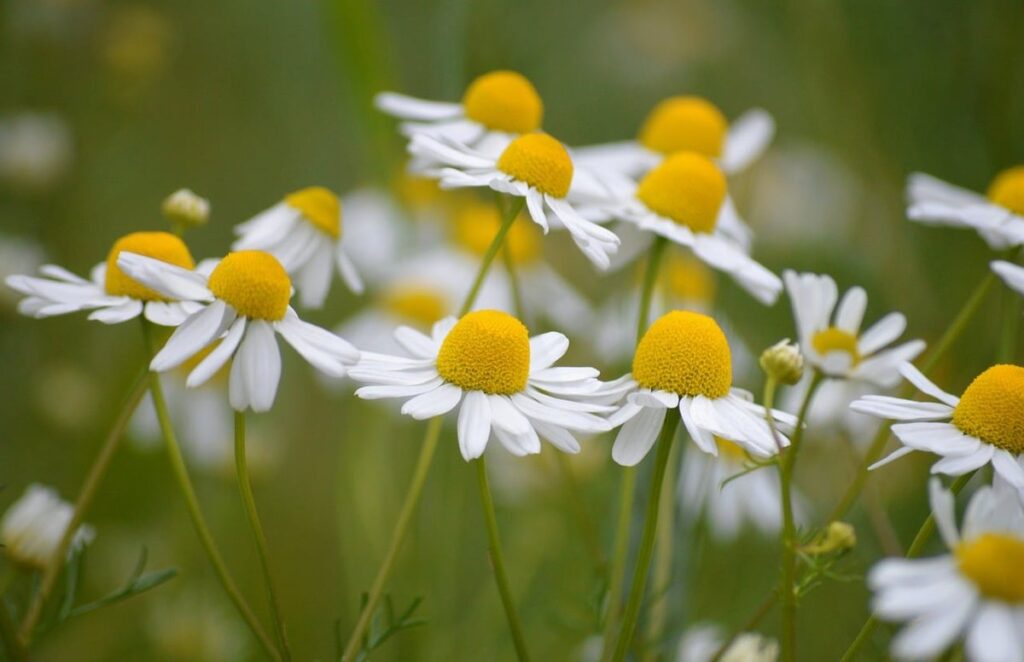
Chamomile is a low-maintenance herb that thrives in well-draining soil and full sun, making it relatively easy to grow alongside other plants. Understanding these basic requirements will help you create a harmonious companion planting setup.
Choosing the Right Location for Chamomile
Chamomile requires a location with full sun to partial shade. Direct sunlight for at least six hours a day promotes healthy growth and optimal oil production, which is essential for its medicinal properties. However, chamomile can tolerate some shade, especially in warmer climates where intense sunlight can cause scorching.
Soil type is another crucial consideration when choosing the right location for chamomile. It thrives in well-draining soil with a pH between 6.0 and 7.0. Avoid planting chamomile in areas with heavy clay or waterlogged soil, as this can lead to root rot. Instead, opt for raised beds or containers with good drainage.
In terms of moisture levels, chamomile prefers dry to medium soil conditions. Overwatering can cause the plant to become susceptible to diseases and pests. Water chamomile regularly during its first growing season, but reduce watering once it’s established. Aim to provide about 1 inch of water per week through rainfall or irrigation.
When selecting a location for your chamomile companion planting, consider these factors carefully to ensure optimal growth and health. By choosing the right spot, you’ll be well on your way to creating a thriving and productive garden with this versatile herb.
Preparing Soil for Chamomile Companion Planting
Chamomile requires a slightly acidic to neutral soil pH for optimal growth. Test your soil and adjust it if necessary by adding lime to raise the pH or peat moss to lower it. Aim for a pH range of 6.0-7.5, as this will allow chamomile’s roots to absorb nutrients efficiently.
Chamomile is a low-fertilizer crop, but it does require adequate nutrient levels, particularly phosphorus and potassium. Add compost or well-rotted manure to provide these essential nutrients. A general rule of thumb is to mix 2-3 inches of compost into the top 6-8 inches of soil before planting chamomile.
Some plants that are often paired with chamomile, such as marigolds and oregano, have different nutrient requirements. Be sure to research the specific needs of your companion plants and adjust the soil accordingly. This may involve adding or omitting certain nutrients or adjusting the pH level.
A well-balanced compost can provide most of the necessary nutrients for both chamomile and its companions. Consider making a batch using kitchen scraps, grass clippings, and other organic matter to create a nutrient-rich soil amendment.
Benefits of Companion Planting with Chamomile
Chamomile makes a fantastic companion plant, improving soil health and deterring pests for nearby vegetables, making it an invaluable addition to your garden. Let’s take a closer look at its benefits in various gardening scenarios.
Repelling Pests with Chamomile Companions
When it comes to repelling pests that target chamomile, certain plants can be valuable companions. These pest-repellent plants emit chemicals that deter or repel aphids, whiteflies, and spider mites – common chamomile pests. For example, basil is a natural repellent for aphids, which can spread disease from plant to plant. Planting basil near your chamomile can help reduce the risk of infestation.
Other plants with pest-repelling properties include marigold, nasturtium, and radish. Marigold’s bright orange flowers contain pyrethrum, a natural insecticide that repels nematodes, whiteflies, and aphids. Nasturtiums release chemicals that deter aphids, squash bugs, and cucumber beetles. Radishes can be used to repel cucumber beetles and other pests that target chamomile.
To maximize the effectiveness of these companion plants, plant them around the perimeter of your chamomile bed or intersperse them throughout the bed. This will help create a barrier against pests and reduce the risk of infestation. Consider planting a mix of pest-repellent plants to create a diverse and resilient garden ecosystem. By incorporating these companion plants into your chamomile garden, you can reduce your reliance on pesticides and promote a healthier growing environment for your plants.
Enhancing Growth and Health with Chamomile Companions
Chamomile’s calming effects don’t just benefit humans; its companions can also enhance growth and health. Certain plants foster a symbiotic relationship with chamomile, leading to increased vigor and resilience. One such example is the marigold. Its bright orange flowers repel nematodes, microscopic worms that can harm chamomile roots, while chamomile’s fragrance deters pests that target marigolds.
Another beneficial companion is the oregano plant. Its pungent aroma helps deter spider mites and other pests that can weaken chamomile. Oregano also attracts beneficial insects like ladybugs, which prey on aphids that might otherwise harm chamomile. In return, chamomile’s extensive root system allows it to provide shade for oregano during hot summer months.
Some plants even help improve soil health in the vicinity of chamomile. Clover, for instance, fixes nitrogen from the air into the soil, enriching its fertility and promoting healthy growth in nearby chamomile plants. By strategically planting these companions alongside chamomile, gardeners can create a more balanced ecosystem that supports both plant’s needs.
Plant Selection for Chamomile Companion Planting
When choosing companion plants for chamomile, selecting varieties that thrive under its calming influence is crucial to creating a harmonious garden ecosystem. Let’s explore some popular options that benefit from chamomile’s gentle presence.
Calming and Soothing Companions for Chamomile
Chamomile is renowned for its calming and soothing effects on both humans and plants. To create a harmonious garden environment, consider pairing chamomile with plants that share similar properties. Lavender stands out as an excellent companion, as its gentle fragrance complements chamomile’s soothing aroma. Planting lavender alongside chamomile can enhance the overall relaxing ambiance of your garden.
Another calming companion is valerian root, which promotes a sense of calm and relaxation in both humans and plants. Valerian’s deep blue flowers attract pollinators while repelling pests that target chamomile. To maximize benefits, plant valerian around the base of mature chamomile plants or intersperse them among young seedlings.
Borage is another soothing companion worth considering. Its edible flowers are rich in calcium and promote healthy growth in nearby plants. Borage also attracts beneficial insects, such as bees and butterflies, which pollinate chamomile flowers. When planting borage with chamomile, space them 12-18 inches apart to allow for adequate air circulation.
Incorporating these calming companions into your garden will not only create a peaceful atmosphere but also foster a balanced ecosystem that benefits both plants and humans.
Insect-Repelling Plants That Pair Well with Chamomile
When choosing companion plants for chamomile, it’s essential to consider those that repel insects that target this herb. Aphids, whiteflies, and spider mites are common pests that can harm chamomile plants if left unchecked.
Some effective insect-repelling plants that pair well with chamomile include:
- Lavender: Known for its calming properties, lavender also repels aphids and other pests that target chamomile.
- Basil: This popular herb not only adds flavor to dishes but also repels mosquitoes and flies that might be attracted to chamomile’s sweet fragrance.
- Lemon balm: A member of the mint family, lemon balm repels aphids and other pests while also enhancing the growth and health of nearby plants.
- Marigold: With its bright yellow and orange flowers, marigold is a natural pest repellent that can help keep whiteflies and nematodes at bay.
When selecting insect-repelling plants for your chamomile companion planting, consider the specific pests you’re trying to control and choose plants that are known to repel those particular insects. By creating a balanced ecosystem with these plants, you can reduce the need for pesticides and promote healthy growth in your chamomile crop.
Advanced Companion Planting Strategies for Chamomile
As you’ve mastered the basics of chamomile companion planting, it’s time to take your skills to the next level with advanced techniques that will supercharge your garden’s health and productivity. We’ll explore expert methods for pairing chamomile with other beneficial plants.
Creating a Pollinator-Friendly Garden with Chamomile
Pollinators like bees and butterflies are crucial for chamomile’s reproduction and overall health. A pollinator-friendly garden with chamomile can be created by incorporating plants that provide a constant source of nectar, pollen, or both. These plants should have different bloom times to ensure a steady supply of food throughout the growing season.
Consider planting lavender, which blooms around the same time as chamomile and provides a similar nectar-rich flower. Borage is another excellent option, with its large, fragrant flowers attracting pollinators from far and wide. You can also plant herbs like oregano and thyme, which have small, tubular flowers that are rich in pollen.
When selecting plants for your pollinator-friendly garden, choose a mix of annuals and perennials to ensure year-round interest and nectar production. Also, consider the height and spreading habit of each plant to create a diverse, layered landscape that mimics natural habitats. By incorporating these plants into your chamomile companion planting strategy, you can support local pollinators while promoting healthy growth and resilience in your garden.
Intensive Companion Planting Techniques for Small Spaces
When growing chamomile in containers or small gardens, maximizing space is crucial. Intensive companion planting techniques can help you achieve a lush and thriving chamomile garden despite limited square footage. One technique is to use vertical support systems like trellises or arbors to train vining plants like nasturtiums or sweet peas to climb upwards. This not only saves floor space but also adds visual interest to your garden.
Another approach is to use intercropping, where you plant smaller companion species between chamomile rows. For example, planting marigold or calendula alongside chamomile can help repel nematodes and other pests that target the herb. Consider using shallow containers for these smaller companions, as they’ll receive enough moisture from chamomile’s extensive root system.
To make the most of your space, choose companion plants with compact growth habits, such as creeping thyme or oregano. These can be planted directly into the crevices between pavers or stones, adding a fragrant and visually appealing layer to your garden. By incorporating these intensive companion planting techniques, you’ll create a diverse and resilient chamomile ecosystem that thrives in even the smallest of spaces.
Common Challenges and Solutions When Companion Planting Chamomile
Chamomile companion planting can be a bit tricky, especially when it comes to dealing with common issues that arise in your garden. Let’s tackle some of these challenges head-on and explore effective solutions.
Overcoming Pests and Diseases with Companion Plants
When it comes to chamomile companion planting, pests and diseases can be a major concern. One common pest affecting chamomile is the aphid, which can cause curled or distorted leaves and stunted growth. Companion plants like dill, garlic, and calendula have natural oils that repel aphids, keeping them away from your chamomile.
Another issue is powdery mildew, a fungal disease that causes white powder to form on leaves. To combat this, plant companions like sage, mint, or lemongrass nearby. These herbs release compounds that inhibit the growth of fungi, helping to prevent powdery mildew. Basil and chamomile also have a symbiotic relationship – basil repels pests that target chamomile, while chamomile promotes healthy growth in basil.
When choosing companion plants for pest control, consider the specific needs of your chamomile. For example, if you’re growing German chamomile, pair it with marigold to deter nematodes and other pests. If you’re growing Roman chamomile, try combining it with nasturtiums to repel aphids and whiteflies. By selecting the right companions for your chamomile, you can create a balanced ecosystem that minimizes the risk of pest and disease issues.
Managing Competition for Resources with Companion Planting
When companion planting with chamomile, competition for resources like water, nutrients, and light can arise between plants. This is especially true when pairing chamomile with plants that have similar growing requirements or are particularly thirsty. To manage this competition, consider the mature size of each plant and their growth habits. For instance, if you’re planting a tall sunflower alongside your chamomile, make sure to provide enough space for both plants to receive adequate sunlight and air circulation.
You can also use this opportunity to prune or train some companion plants to grow in harmony with the chamomile. Some examples include pruning back leggy stems on marigolds or training climbing beans to twine around a trellis, thereby reducing competition for resources and creating a more balanced ecosystem.
In addition, be mindful of plants that have high water requirements and pair them with chamomile only if you’re willing to provide extra irrigation. Similarly, plants like comfrey can tap into deep soil nutrients, making it an excellent choice as a nutrient accumulator plant when paired with chamomile.
Maintenance and Care of Chamomile Companion Plantings
To keep your chamomile companion plantings thriving, it’s essential to understand their unique maintenance needs. Proper care will ensure a healthy and robust growth for these beneficial plants.
Seasonal Care Tasks for Companion-Planted Chamomile
To ensure the continued health and productivity of both chamomile and its companions, it’s essential to perform seasonal care tasks. During spring, inspect your companion-planted chamomile for signs of pests or diseases that may have overwintered. Remove any affected plants to prevent the problem from spreading.
In early summer, focus on watering and mulching. Chamomile requires consistent moisture, especially during hot weather. Mulch around the base of the plants to retain soil temperature and suppress weeds. Be cautious not to overwater, as this can lead to root rot.
As summer progresses, chamomile’s tall stems may require staking to prevent them from toppling over in the wind. You can use bamboo stakes or soft ties to gently support the plant without damaging its delicate flowers.
In fall, begin pruning back your chamomile plants to about half their height. This will help control their growth and encourage bushy new growth in spring. Remove any dead or damaged leaves from companion plants as well, making sure not to disturb the roots of nearby plants. Regular seasonal care tasks like these will keep your chamomile companion plantings thriving throughout the year.
Tips for Propagating and Dividing Companion Plants
When it’s time to propagate and divide companion plants, you’ll want to do so carefully to ensure their continued growth and contribution to the garden ecosystem. Start by inspecting the plant for signs of stress or disease; if you notice any issues, address them before propagation to prevent spreading problems.
For most companion plants, the best method is stem cuttings. Choose healthy stems with at least two nodes, then trim just above a node using a sharp, clean tool. Remove lower leaves to promote root growth and reduce moisture loss during rooting. Dip the cut end in a rooting hormone powder or liquid, if desired, before planting it in well-draining soil.
Some plants, like herbs like mint or lemongrass, can be easily divided by digging up their roots and separating them into sections. This is typically done in the spring when new growth begins. Other plants, such as flowers like marigolds or nasturtiums, may require more patience: allow them to grow and mature for a season before dividing and replanting.
Remember that not all companion plants can be propagated or divided in the same way; research specific techniques for each plant variety you’re working with.
Conclusion and Future Directions in Chamomile Companion Planting
As we conclude our exploration of chamomile companion plants, it’s essential to recognize the vast potential for growth and innovation in this field. By combining chamomile with other beneficial herbs and flowers, gardeners can create thriving ecosystems that promote healthy plant growth, reduce pests and diseases, and even improve soil quality. To further expand on these principles, consider incorporating native wildflowers or pollinator-friendly plants into your chamomile companion planting scheme. This approach not only enhances biodiversity but also provides a natural food source for beneficial insects.
Practical applications of these concepts can be seen in permaculture designs where multiple plant species are carefully selected and arranged to work together in harmony. For example, planting chamomile alongside calendula or marigold can create a potent pest-repelling combination that eliminates the need for chemical pesticides. Future research could focus on exploring more specific pairing strategies tailored to different climate zones and growing conditions, leading to even greater efficiency and effectiveness in companion planting practices.
Frequently Asked Questions
Can I use chamomile companion plants indoors?
Yes, many of the beneficial effects of chamomile companion planting can be achieved in indoor containers. Choose compact or dwarf varieties of companion plants and ensure they receive sufficient light.
What if some of my companion plants are competing with chamomile for resources like water and nutrients?
This is a common challenge when companion planting. Monitor your plants’ growth, water, and nutrient levels closely to identify areas where competition may be occurring. Adjust your irrigation schedule, fertilize more frequently, or prune back competing plants as needed.
How can I propagate and divide my chamomile companion plants for next season’s garden?
Chamomile companions like marigold and nasturtiums are easily propagated through cuttings in the spring or fall. Divide established clumps of these plants to create new plants for your next garden. This will not only save you money but also ensure a continuous supply of beneficial insects and pest control.
Can I use companion planting with chamomile in a small space, such as a balcony or patio?
Companion planting can be an excellent way to maximize space on small gardens like balconies or patios. Choose compact varieties of companion plants that thrive in containers and provide sufficient light for them.
What if some of my companion plants are not flowering at all? Should I worry about the effectiveness of their benefits?
Some companion plants, especially those that repel pests through root exudates (like tansy or dill), may not produce visible flowers. These plants are still providing essential benefits to your chamomile, even if they’re not blooming. If you notice a lack of flowering, check the plant’s overall health and adjust its growing conditions as necessary.

