
Chalk games are a timeless delight that can be enjoyed by people of all ages, from young children to seniors. They’re perfect for outdoor play on sidewalks, driveways, and streets, making them an ideal activity for community events, festivals, and even backyard gatherings. Not only do chalk games provide endless entertainment, but they also offer a fun way to learn new skills, develop creativity, and get some exercise. From simple drawing games to more complex obstacle courses, the possibilities are endless. In this article, you’ll discover a range of creative chalk game ideas that cater to different interests and skill levels. Whether you’re looking for something to do with your kids on a rainy day or want to add some fun to your next neighborhood block party, we’ve got you covered. By the end of this post, you’ll have a wealth of inspiration and ideas to create unforgettable chalk games experiences that bring people together and make outdoor play a joyous occasion.
Classic Chalk Games
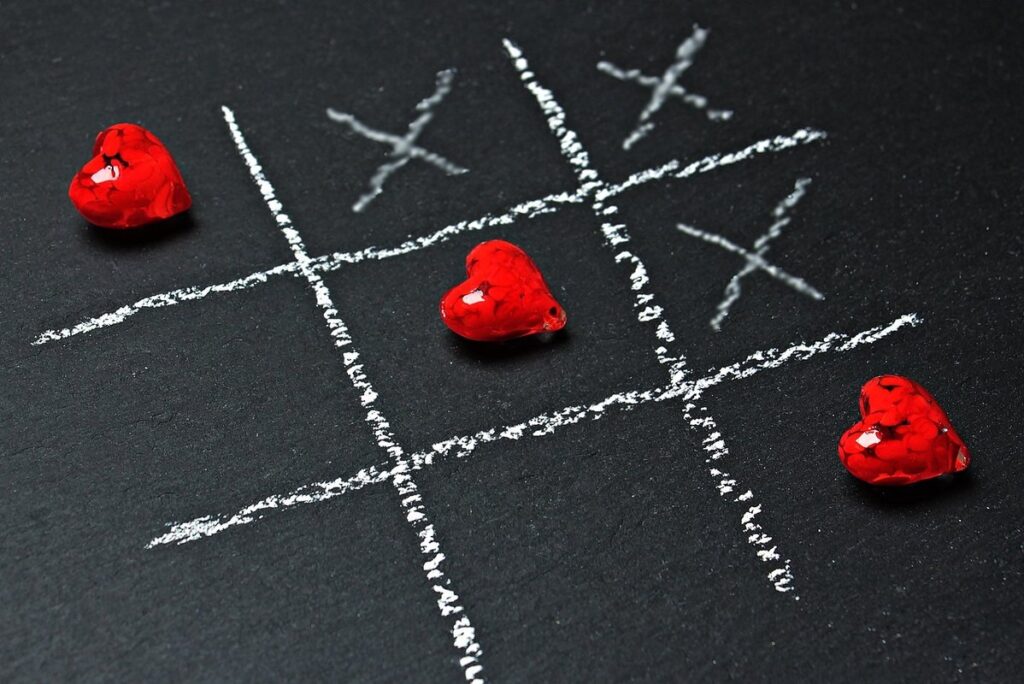
Classic chalk games have been a staple of outdoor fun for generations, and we’re revisiting some timeless favorites that are perfect for kids and adults alike. From hopscotch to four square, these classic games never go out of style.
Sidewalk Drawing Challenges
Sidewalk drawing challenges can bring out the artist in anyone, regardless of skill level. Freehand drawings are a popular challenge where players must create an image without tracing it first. For example, you could draw a cat or a tree and see who can get the most details right.
Copycat designs take this concept to the next level by having one player draw an intricate design on the sidewalk, and then another player tries to replicate it as closely as possible. This challenge requires attention to detail and precision. To make it more interesting, you could give players a set amount of time to complete their copycat drawing.
Timed art sessions are another fun twist on traditional drawing challenges. Set a timer for a specific amount of time, say 10 or 15 minutes, and have players create as much artwork as possible during that time. This challenge is great for encouraging creativity and speed. You could also offer prizes for the most creative piece or the one that best uses color.
Chalk Art Competitions
Organize a chalk art competition by setting clear rules and judging criteria. Decide on a theme to give participants direction, such as “street food” or “local landmarks.” Establish age categories to ensure fairness and make the event more accessible for children. Create a list of prizes that reflect the local culture, like gift certificates to local eateries.
Consider partnering with local businesses to provide supplies, judges, and prizes. Have multiple judges to prevent bias and promote objectivity. Judging criteria can include creativity, technical skill, use of color, and adherence to the theme. Provide clear instructions on how to submit entries and display artwork for judging.
For a school competition, involve teachers in the planning process and allocate time slots for students to work on their art. Encourage collaboration between classes or grade levels to promote teamwork and community building. For a neighborhood event, consider hosting a “people’s choice” award where attendees can vote for their favorite piece.
To make judging easier, establish clear guidelines for size, media usage (e.g., only chalk), and time limits. Display all artwork prominently during the competition to allow attendees to appreciate the variety of creations. Consider live music or refreshments to create a lively atmosphere.
Classic Jump Rope Games with a Twist
Drawing patterns on the ground with chalk can add a new level of excitement to classic jump rope games. You can create intricate designs for players to jump over or through, making each turn unique and challenging. For example, you might draw a series of connected circles that jumpers must clear, or a zig-zag pattern that requires them to time their jumps carefully.
Another way to incorporate chalk into jump rope activities is by creating obstacles. Use chalk to mark off areas on the ground where players can’t jump, forcing them to adapt their routine and try new moves. This can be especially fun for kids who enjoy challenging themselves and testing their coordination.
Marking off specific areas with chalk also allows you to designate “safe zones” or “bonus areas.” Jumpers who land within these marked zones earn rewards or extra points, adding an element of strategy and skill-building to the game. To take it a step further, consider incorporating different colors for various zones or obstacles, giving players visual cues about what to expect.
When designing your chalk games with jump rope in mind, remember to keep the designs simple enough that they’re not too difficult to follow. The goal is to add an extra layer of fun and challenge, not to overwhelm or confuse players.
Outdoor Chalk Games for Kids
Get the kids outside and active with classic chalk games that are easy to set up, requiring minimal equipment and maximum fun. Simple yet engaging outdoor games perfect for a sunny day.
Chalk Scavenger Hunt
To create a chalk scavenger hunt, start by deciding on the theme and scope of the game. Will it be focused on finding specific types of drawings, like animals or letters, or will participants have to locate messages or riddles? Determine how many items to include on the list and set a time limit for the game.
Create a list with clear descriptions and clues that are easy for kids to understand. For example: “Find a drawing of a cat sitting in a tree” or “Locate a message that spells out your name.” Make sure to provide examples or pictures to help participants recognize what they’re looking for.
Consider dividing the neighborhood into sections or zones, with each zone containing several items on the list. This will make it easier for kids to search and keep track of their progress. Encourage teams or individuals to work together to find all the items on the list within the set time frame. To add an extra challenge, you can include bonus items or rewards for completing specific tasks or finding particularly tricky items.
Chalk Obstacle Course Design
Designing a chalk obstacle course is an excellent way to keep kids active and engaged. Start by dividing the playing area into sections with clear start and finish points. Use different colors of chalk to create distinct zones, making it easier for participants to follow the course.
For balance beam challenges, draw a narrow line on the ground using a thick piece of chalk or tape off an existing surface. You can also use colored tape to create stripes for added visual interest. To create mazes, use a combination of straight and curved lines to guide kids through the course. For tunnels, draw rectangular shapes with two open ends or use large pieces of cardboard to create passageways.
Some other ideas include creating “mud” pits using blue chalk to represent water, building jumps over small hurdles, or incorporating mirrors for added visual effects. To make it more engaging, incorporate time challenges where kids must complete the course within a set timeframe or try different routes to reach the finish line first. Use your imagination and tailor the design to suit the age group and number of participants.
Team Chalk Games
In Team Chalk Games, players work together to achieve a common goal. A classic example is Chalk Tag, where one player is designated “it” and has to chase others who are holding chalk. The team can work together to distract the tagger or create obstacles for them to navigate around. This game promotes teamwork, communication, and quick thinking.
Another variation is Chalk Relay, where two teams take turns drawing a picture or completing a task within a set time limit. If a player makes a mistake, their team has to start over from scratch. This game encourages strategy, focus, and collaboration. To add an extra layer of challenge, you can designate specific roles for each player, such as “artist,” “timer,” or “quality control.”
For younger kids, Chalk Freeze Tag is a great option. One player is designated “it” and has to tag the other players, who must then freeze in place until another team member tags them to unfreeze them. This game promotes physical activity, social interaction, and self-control. To make it more engaging, you can set up an obstacle course for the players to run through before freezing.
Artistic Chalk Games
From simple street art to intricate designs, artistic chalk games are a great way to unleash your creativity and bring vibrant colors to any surface. Get inspired by these unique and engaging ideas!
Street Art Murals with a Twist
When creating large-scale street art murals with chalk, you can take it to the next level by incorporating social justice messages or neighborhood themes. Start by brainstorming ideas that resonate with your community’s values and concerns. For instance, you could create a mural highlighting local environmental issues, such as pollution or climate change. Alternatively, you might focus on promoting diversity and inclusion by depicting scenes of people from different cultures and backgrounds coming together.
To add an extra layer of depth to your design, consider incorporating neighborhood landmarks or architectural features into the composition. This will not only make the mural more visually engaging but also serve as a tribute to the community’s unique character. Some murals might even become iconic symbols for the area, sparking conversations and fostering a sense of pride among residents.
When designing social justice-themed murals, remember that simplicity can be just as effective as complexity. Use bold lines, bright colors, and clear typography to convey your message. For example, you could create a striking mural with a single phrase or slogan that addresses a pressing issue in the community.
Chalk Puzzles and Riddles
When creating chalk puzzles and riddles, consider using visual clues to make them more engaging. For example, a simple maze could be drawn on the ground with a clear starting point but no clear ending. You can also hide a small object or a sticker within the design, making it essential for solvers to follow the path.
To create a team-based puzzle, draw a large picture with multiple sections that must be completed in order. Each section should have its own unique challenge, such as decoding a message or completing a simple math problem. This format encourages collaboration and communication among team members.
For individuals, you can create a cryptic riddle that leads to the solution of a larger design. For instance, “Where shadows fall, I rise” could lead to a drawing of a stick figure standing on its head. Make sure to include subtle hints within the puzzle itself or nearby to help solvers understand the connection.
When designing these puzzles and riddles, remember that they should be challenging but not frustratingly difficult. Leave room for creativity and problem-solving skills, allowing participants to feel a sense of accomplishment upon completion.
Mural Collaborations
When organizing a group mural project using chalk, clear communication is key to ensure a cohesive and visually appealing final product. Before starting, assign roles and responsibilities among team members, such as leaders, artists, and detailers. This will help prevent confusion and overlapping work.
Establish a plan and timeline for the project, including regular check-ins and progress updates. Consider dividing the mural into sections or zones to facilitate collaboration and ensure that each member’s contribution is balanced with others’. You can also set up a ” mural map” – a rough sketch of the design and layout – to help guide team members’ work.
On-site communication can be facilitated through a designated leader who coordinates the effort, keeps track of progress, and makes adjustments as needed. Establishing a shared understanding of the project’s goals, style, and tone will also help prevent miscommunication. Encourage team members to take ownership of their section or zone, allowing them to express their creativity while contributing to the larger work.
For example, you can set up a ” chalk station” with designated colors for each member or group, ensuring that everyone knows what they’re working on and how it fits into the overall design. Regular breaks and refreshments can also help maintain morale and motivation throughout the project.
Educational Chalk Games
If you’re looking for creative ways to engage young minds, chalk games are a great place to start. We’ll explore some fun and educational activities that are perfect for classrooms and backyards alike.
Math and Science Concepts through Chalk Art
Teach geometry shapes by drawing a 3D pyramid on the sidewalk and labeling its various components. You can also create a pattern of concentric circles to demonstrate symmetry. Fractions can be represented through colorful pie charts or bar graphs, while molecular structures can be drawn using simple stick-and-ball models.
To take it further, consider creating a “chalk museum” with exhibits showcasing different math concepts, such as pi, circumference, and area. Label each exhibit with explanations and examples to help children understand the relationships between these concepts.
When teaching science through chalk art, use everyday objects to illustrate complex ideas. For instance, draw a simple circuit using chalk to demonstrate electricity flow or depict the water cycle on a large-scale mural. This hands-on approach allows students to visualize abstract concepts in a tangible way, making them more relatable and memorable.
Keep your designs simple yet clear, especially for younger children who may struggle with complex concepts. Make sure to leave space for labeling and explanations to help reinforce learning.
Language Learning through Chalk Games
You can use chalk games to teach language skills by incorporating vocabulary building, grammar practice, and storytelling activities. For instance, you could create a scavenger hunt where players have to find and identify words drawn on the sidewalk in different languages. This activity encourages learners to recognize new vocabulary while having fun exploring their surroundings.
Another idea is to draw a series of pictures that illustrate verb tenses or grammatical concepts, such as past, present, and future tense. Players can then practice using these verbs by creating their own short stories based on the illustrations. You could also divide players into teams to create a collaborative story, taking turns adding to the narrative while practicing grammar and vocabulary.
To take it a step further, consider incorporating storytelling through chalk art. Players can take turns drawing scenes from a book or movie, with each player contributing one frame at a time. This activity not only encourages creative expression but also helps learners practice their language skills in context. By using these types of activities, you can make language learning more engaging and interactive for students of all ages.
Cultural Exchange through Chalk Art
Organizing international chalk art competitions or collaborations can be a powerful way to promote cultural exchange and understanding. To facilitate these events, you’ll need to establish partnerships with local schools, community centers, or cultural organizations from participating countries. These partnerships will help you secure funding, venues, and logistical support.
When selecting participants, consider inviting artists from diverse backgrounds and skill levels. This will not only ensure a rich variety of artistic styles but also create opportunities for meaningful interactions between artists from different cultures.
To foster cultural exchange through chalk art, you can incorporate activities that highlight each country’s unique traditions and history. For example, you could have participating artists create murals inspired by their respective countries’ folklore or mythology. You might also invite local performers to share traditional music, dance, or crafts during the event.
A simple yet effective way to promote cultural exchange is through a “chalk ambassador” program. This would involve pairing each participant with an artist from another country, encouraging them to learn about and draw inspiration from one another’s work. By doing so, you’ll create a space for cross-cultural understanding and collaboration that extends far beyond the event itself.
Hosting a Successful Chalk Game Event
If you’re planning to host a chalk game event, setting clear goals and objectives is crucial to ensure your guests have an enjoyable experience. This means defining what success looks like for your specific event.
Planning and Promotion Strategies
When planning a chalk game event, securing necessary permits is crucial to avoid last-minute cancellations. Research local regulations and submit applications well in advance of the scheduled date. Some cities require a permit for large-scale events or those that block sidewalks.
Recruiting volunteers can help with setup, supervision, and cleanup. Reach out to local art schools, community groups, or scout troops for enthusiastic participants. Provide clear instructions on their roles and responsibilities, as well as any necessary training or guidance.
To generate publicity, create eye-catching promotional materials such as posters, flyers, or social media graphics. Utilize online event calendars and chalk game-specific websites or forums to reach a targeted audience. Consider partnering with local businesses to host the event on their premises or offer discounts to attendees who visit nearby shops during the event.
Key steps for planning and promotion include:
- Researching local regulations and securing necessary permits
- Recruiting volunteers to assist with setup, supervision, and cleanup
- Creating promotional materials and sharing them through social media and online event calendars
- Partnering with local businesses to host the event or offer special promotions
Safety Precautions and Rules
When hosting a chalk game event, safety is paramount. Before setting up the playing area, designate clear zones for players and spectators to prevent collisions. This includes marking off areas where people can watch without interfering with gameplay.
Establish rules for traffic control to ensure smooth movement of players and spectators. Consider implementing one-way paths or designated crossing points to reduce congestion. Assign staff or volunteers to supervise these areas, especially near roads or high-traffic zones.
When it comes to equipment use, have a plan in place for storing chalk and other materials safely. This includes keeping them out of reach of young children and preventing tripping hazards. Make sure players are aware of the potential risks associated with certain games, such as slipping on wet surfaces or getting too close to water sources while playing.
Supervise players closely during competitions, especially those involving team games or high-energy activities. Have a first-aid kit on hand in case of minor injuries and a plan for more serious incidents.
Some specific safety considerations include:
- Using washable chalk to minimize damage to surfaces
- Keeping the playing area well-lit, especially at night
- Providing shade or shelter from inclement weather
- Ensuring that players have enough water breaks and are not dehydrated
Evaluating the Success of an Event
When evaluating the success of a chalk game event, consider multiple metrics to get a comprehensive picture. Start by tracking participation numbers: how many attendees showed up, and what was the age range? A high turnout indicates that your event appealed to a broad audience.
Use feedback forms or surveys to gather more specific information about the experience. Ask participants about their favorite games, what they enjoyed most, and if there were any issues with the event. This will help you identify areas for improvement and make data-driven decisions for future events.
Social media engagement is another key indicator of success. Monitor your event’s social media accounts for comments, shares, and hashtags related to your event. Hashtags can give you an idea of how much buzz was generated around your event, even after it ended.
To get a more accurate assessment, consider implementing a system where attendees can rate their experience on a scale or provide written feedback. This will allow you to pinpoint what worked well and what didn’t, enabling you to fine-tune your future events.
Frequently Asked Questions
Can I adapt chalk games for kids with special needs?
Yes, many chalk games can be adapted to accommodate children with special needs by providing modifications such as larger chalk designs or using assistive technology. Consider partnering with local organizations that specialize in inclusive play and involving parents or caregivers in the planning process.
How do I ensure player safety during large-scale chalk game events?
To guarantee player safety, establish clear rules and guidelines for event participants, including designated areas for play, supervision by trained staff or volunteers, and provisions for emergency services. Additionally, communicate with local authorities to obtain necessary permits and ensure compliance with regulations.
What if it rains on the day of a scheduled chalk game event?
In case of rain, have a backup plan in place, such as moving the event indoors or rescheduling for a later date. Be sure to communicate with participants and volunteers promptly about any changes, and consider offering alternative activities that can be enjoyed indoors.
Can I use chalk games as a way to engage residents from different cultural backgrounds?
Yes, chalk games can serve as an excellent tool for fostering community cohesion by providing a shared activity that transcends cultural boundaries. Organize events that celebrate diverse cultures through art, music, and storytelling, and encourage participants to share their unique perspectives and traditions.
How do I measure the impact of a chalk game event on local communities?
To assess the success of a chalk game event, collect feedback from participants through surveys or focus groups, monitor social media engagement and online reviews, and track metrics such as attendance numbers and participant retention rates.

