
Camping trips often come down to one crucial element: food. A good meal can elevate the entire experience, while a mediocre one can leave you feeling disappointed. You’ve spent hours setting up camp and exploring nature; now it’s time to think about what’s for dinner. Menu planning for camping meals requires some forethought, especially if you’re catering to special diets or cooking methods that won’t require extensive equipment. Traditional camping dinners of hot dogs and s’mores have their place, but there’s a world beyond the usual suspects. In this comprehensive guide, we’ll cover everything from meal prep strategies to cooking techniques on the go, ensuring your dinner is both delicious and stress-free. By the end of this article, you’ll be equipped with ideas for camping dinners that are flavorful without being complicated.
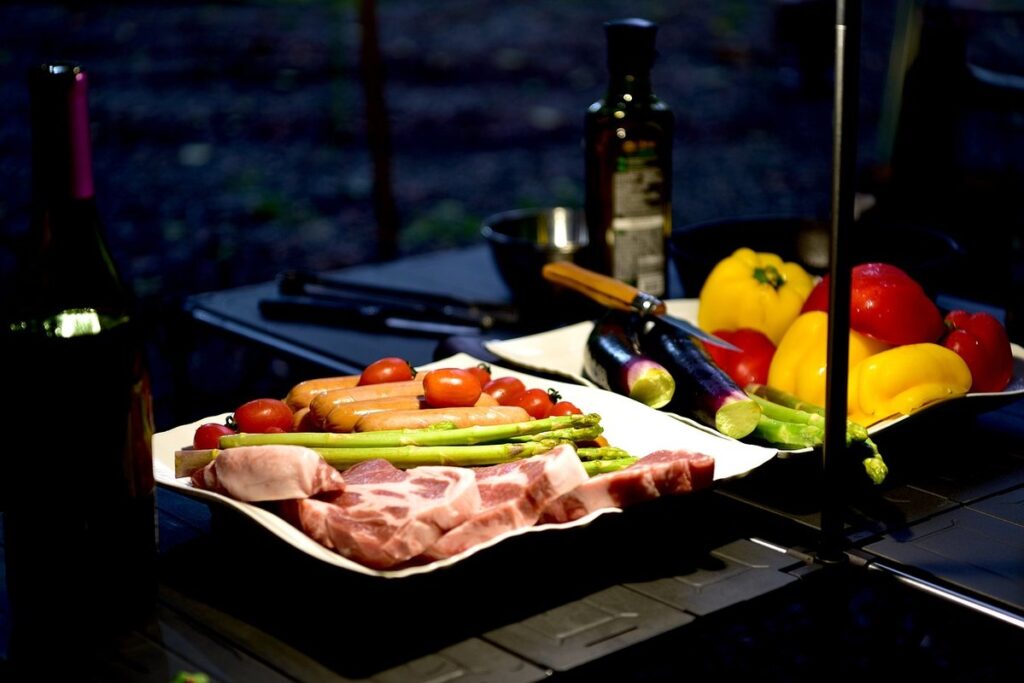
Planning Your Campsite Meals
When it comes to camping, meal planning can be just as important as choosing a campsite. Let’s focus on how to plan your meals for a successful and enjoyable camping trip.
Choosing a Menu Plan
When planning your campsite meals, it’s essential to choose a menu plan that suits your camping style and dietary needs. Start by considering the type of cuisine you enjoy cooking and eating on a daily basis. If you’re a fan of grilling, opt for recipes that can be cooked over an open flame. Think about incorporating one-pot dishes, such as stews or skillet meals, which are perfect for camping and minimize cleanup.
Also, keep in mind any dietary restrictions within your group, including vegetarian, gluten-free, or low-carb options. For instance, if you’re catering to vegetarians, include protein-rich plant-based ingredients like beans, lentils, or tofu in your menu plan. When selecting recipes, look for those that use readily available ingredients and can be prepared with minimal cooking equipment.
Consider a theme for your meals, such as Mexican or Italian, which will help guide your choices and ensure variety throughout the trip. Aim to plan meals that serve 2-3 people per serving, and don’t forget to include snacks and treats in your menu plan to keep everyone satisfied between meals.
Considering Food Preparation Methods
When it comes to preparing meals while camping, you have several cooking methods at your disposal. Grilling is a popular option for many campers, as it allows for high-heat searing and a smoky flavor. However, grills can be heavy and difficult to transport, and they often require fuel or propane.
One-pot meals are another convenient choice for camping cooks. These dishes typically involve cooking all ingredients in a single pot over a campfire or on a portable stove. One-pot meals like chili con carne or pasta with marinara sauce are easy to prepare and clean up after.
For those who want to minimize their cooking time, no-cook options are available. Salads, sandwiches, and wraps can be easily prepared without any heat. You can also consider using cold soups or dips as an alternative to hot meals.
Some cooking methods may not be suitable for camping due to the need for electricity or specialized equipment. In these cases, it’s best to stick with simpler, more practical options that don’t require extensive setup or maintenance.
Simple yet Satisfying Camping Meals
One of the most challenging parts of camping is deciding on a meal that’s both simple to prepare and truly satisfying. We’ll explore some delicious options for one-pot wonders, hearty stews, and more.
Grilled Favorites
When it comes to grilled favorites on a camping trip, burgers and steaks are often at the top of the list. For perfectly cooked burgers, consider using a cast-iron skillet over the campfire instead of a traditional grill. This allows for even heat distribution and can help prevent burgers from becoming too charred.
A small minority of cooks may prefer to cook their steaks directly on the grill grates, but most find that using a cast-iron or stainless steel grill mat helps achieve those perfect sear lines without sticking. Whichever method you choose, make sure to let your steak rest for at least 5-7 minutes before slicing.
For a well-rounded grilled meal, don’t forget about vegetables. Grilled portobello mushrooms with roasted red pepper sauce and asparagus with lemon butter are just two examples of easy-to-make sides that pair perfectly with burgers or steaks. To ensure even cooking over the campfire, use a grill grate with evenly spaced bars and keep your food away from direct flame.
One-Pot Wonders
One-pot meals are a camper’s best friend when it comes to dinner. Not only do they require minimal preparation and cleanup, but they’re also incredibly easy to cook over an open flame. A hearty stew or soup can simmer away while you focus on other campsite activities, and the best part is that everything cooks together in one pot.
Skillet meals are another great option for camping. Try a classic chicken fajita skillet with bell peppers, onions, and tortillas, or opt for something more comforting like a beef stroganoff made with sautéed mushrooms and egg noodles. These types of meals are perfect for a chilly evening around the campsite.
Some other one-pot wonders to consider include chili con carne, chicken and rice bowls, and even pasta skillet meals. When cooking over a campfire, it’s essential to choose ingredients that hold up well to high heat and can simmer for extended periods without drying out. By selecting durable ingredients like tougher cuts of meat or thicker pasta shapes, you’ll be rewarded with a satisfying meal that’s ready when you are.
Camping Dinner Ideas for Special Diets
If you have dietary restrictions, don’t worry – we’ve got you covered with delicious camping dinner ideas that cater to special diets, including vegetarian and gluten-free options. From tasty one-pot meals to satisfying skewers, there’s something for everyone.
Vegetarian Options
For a satisfying vegetarian camping dinner, focus on plant-based protein sources like beans, lentils, tofu, and tempeh. These can be seasoned with herbs and spices to add flavor without added salt or sugar. Try using canned black beans in a simple Mexican-inspired dish by sautéing onions, garlic, and bell peppers, then adding cumin, chili powder, and the beans. Alternatively, use lentils for an Indian-style curry by cooking them with aromatic spices like cumin, coriander, and turmeric.
Incorporate flavorful sauces to add moisture and zest without relying on meat. A mixture of soy sauce, maple syrup, and rice vinegar makes a sweet and savory glaze for roasted vegetables or tofu. For a creamy option, blend cashew cream with lemon juice, garlic powder, and herbs like thyme or rosemary.
When selecting vegetables, choose those that hold up well to outdoor cooking, such as hearty winter squash, potatoes, and carrots. Consider using the “dirty dozen” – vegetables that are less prone to contamination – for a lower-risk option.
Gluten-Free and Low-Carb Alternatives
When adapting favorite camping recipes to accommodate gluten-free or low-carb dietary requirements, label-reading and meal planning are crucial steps. Start by reviewing the ingredient labels of your staple pantry items, such as grains, flours, and sweeteners. Many popular brands now offer gluten-free alternatives, but be aware that some may still contain high-fructose corn syrup or other unwanted ingredients.
For low-carb diets, focus on swapping out high-carb ingredients like rice, pasta, and bread for their low-carb counterparts: cauliflower rice, zucchini noodles, and almond flour. When selecting protein sources, opt for lean meats like chicken, fish, and turkey, which are naturally low in carbs.
To simplify meal planning, consider building your meals around protein-rich ingredients. For example, grill a large batch of salmon fillets and serve with roasted vegetables or a side salad. This approach allows you to easily swap out sides and adjust the carb content based on individual dietary needs. Always plan ahead by consulting recipes online or in cookbooks specifically tailored to gluten-free or low-carb diets.
Camping Food Safety and Hygiene
When preparing meals while camping, food safety is crucial to avoid spoilage, contamination, and even foodborne illnesses. We’ll cover essential guidelines for storing, handling, and cooking your campsite cuisine safely.
Handling and Storing Perishables
When handling and storing perishables in a campsite environment, it’s essential to maintain proper food safety and hygiene. This means keeping raw meat, poultry, and seafood separate from ready-to-eat foods to prevent cross-contamination. Store these items in leak-proof containers or zip-top bags and keep them at the bottom of your cooler with ice packs.
When transporting perishables, pack them in a shaded area of your vehicle or use a cooler with good insulation. If you’re transporting raw meat, ensure it’s wrapped tightly in plastic wrap or aluminum foil to prevent juices from leaking onto other foods.
To store perishables in camp, keep the cooler in the shade and protect it from direct sunlight and wind. Aim for a temperature below 40°F (4°C) to slow bacterial growth. Use ice packs, frozen gel packs, or even cold compresses to maintain the desired temperature. If you’re unsure about the safety of your perishables, err on the side of caution and discard them to avoid foodborne illness.
Keep in mind that if you’re planning a multi-day camping trip, consider packing only what’s essential to prevent spoilage and minimize waste. Plan meals around non-perishable ingredients or items that can be safely stored at room temperature.
Water Purification Methods
When camping, it’s essential to have access to clean drinking water. Water purification methods can be categorized into three main types: boiling, using portable filters or purification tablets, and natural filtration techniques.
Boiling is the most straightforward method of purifying water. Bringing a container of water to a rolling boil for one to three minutes will kill most bacteria, viruses, and other microorganisms that can cause illness. However, this method requires fuel for a fire, which can be heavy to carry and may not always be readily available.
Portable filters or purification tablets are another popular option for camping. These devices remove contaminants from water through various mechanisms, such as mechanical filtration or chemical disinfection. Popular brands like LifeStraw and Sawyer Mini offer compact and lightweight options that are easy to use in the field. Some even combine a filter with a UV light for added protection against bacteria and viruses.
Natural filtration techniques can also be effective when camping near a stream or river. Plants like cattails, horsetail, and watercress have natural antiseptic properties that can help remove contaminants from water. However, this method requires caution as it may not always be reliable, and the presence of certain plants can indicate pollution in the water source itself.
Advanced Camping Cooking Techniques
Now that you’ve mastered the basics of campfire cooking, it’s time to take your skills to the next level with advanced techniques for whipping up gourmet meals in the wilderness. From cast-iron skillet masterpieces to Dutch oven delights, we’re about to elevate your camping cuisine.
Cast-Iron Skillet Meals
Cast-iron skillets are a camper’s best friend when it comes to cooking versatile and satisfying meals. These durable pans can be used over campfires, on camping stoves, or even on portable grills. With proper care, they can withstand extreme temperatures and distribute heat evenly, making them ideal for cooking a variety of dishes.
For breakfast, try cooking scrambled eggs, crispy bacon, or fluffy pancakes in your cast-iron skillet. Add some diced veggies like bell peppers and onions to make it more substantial. For lunch or dinner, use the skillet to cook hearty stir-fries with your choice of protein – chicken, beef, tofu, or shrimp work well. Simply heat some oil, add aromatics like garlic and ginger, then toss in your protein and favorite vegetables.
To prevent rust and maintain your cast-iron skillet’s non-stick properties, remember to clean it thoroughly after each use and apply a thin layer of cooking oil before storing. You can also season your pan with a mixture of vegetable oil and kosher salt for added protection. With these tips and a little practice, you’ll be whipping up campfire feasts like a pro in no time.
Dutch Oven Recipes
When it comes to camping meals, a Dutch oven is an invaluable tool for slow-cooking stews and braises. Unlike other cooking methods, the Dutch oven’s thick walls retain heat perfectly, allowing you to simmer dishes for hours without losing much flavor or moisture.
For a cold night around the campsite, nothing beats a hearty beef stew cooked in a Dutch oven. Simply brown the meat and onions over high heat, then transfer the pot to a bed of coals and let it slow-cook for 2-3 hours. Serve with crusty bread or over mashed potatoes for a satisfying meal.
Another popular option is Dutch oven chicken cacciatore. Sauté diced chicken, bell peppers, and onions in a bit of oil before transferring the mixture to the Dutch oven. Add some canned tomatoes and simmer for an hour or more until the flavors have melded together. Serve with rice or egg noodles for a filling dinner.
When choosing Dutch oven recipes, look for dishes that benefit from long cooking times, such as stews, braises, and casseroles. These types of meals are perfect for camping, where fuel may be limited and time is plentiful. With a little planning and patience, you can enjoy delicious, home-cooked meals even in the wilderness.
Frequently Asked Questions
We know you have questions about planning the perfect camping dinner, and we’ve got answers. Below, we address some of the most common queries to help make your outdoor dining experience a success.
Meal Planning and Prep Time
When planning meals for your camping trip, it’s essential to consider how much time you have available for cooking and prep. A good rule of thumb is to allow about 30 minutes per meal for preparation and cooking. This can be broken down into smaller tasks, such as chopping vegetables or marinating meat, to make the process more manageable.
To save time during meals, focus on simple recipes that require minimal ingredients and equipment. Consider making one-pot dishes, like stews or skillet meals, which can be cooked in a single vessel. This reduces cleanup and allows you to spend more time enjoying your surroundings.
If you’re planning multiple meals, create a schedule for cooking and prep to ensure everything is ready on time. Prioritize tasks that require the most attention, such as preparing complex recipes or setting up equipment. Don’t forget to include time for eating and relaxation in your meal plan – it’s essential to balance cooking responsibilities with enjoying your camping experience.
For a typical week-long trip, aim to prepare 5-7 meals in advance, including breakfasts and lunches. This can be done by packing pre-chopped ingredients or preparing entire dishes the night before.
Food Storage and Disposal
When storing food at a campsite, proper safety and hygiene practices are crucial to prevent spoilage and contamination. Start by keeping raw meat, poultry, and seafood separate from other foods to avoid cross-contamination. Store these items in leak-proof containers or zip-top bags, and keep them chilled with ice packs if possible.
For cooked meals and leftovers, use airtight containers to maintain freshness. Label each container with its contents and the date it was prepared to ensure you use the oldest items first. Pack reusable containers instead of disposable ones to minimize waste.
Keep trash and recyclables organized by designating separate bins for each type. Use durable bags or airtight containers to store garbage, and make sure to empty them regularly to prevent attracting wildlife. For recyclables, follow local guidelines on what materials are accepted at the campsite’s recycling facilities.
Remember to store food and trash in airtight containers or sealed bags when not in use to protect against pests and wildlife. Keep these items away from your living area and cooking stations to maintain cleanliness and prevent contamination.
Frequently Asked Questions
Can You Use Store-Bought Camping Meals as a Crutch?
Yes, store-bought camping meals can be a convenient option when you’re short on time or planning skills. However, relying too heavily on pre-packaged meals may limit your creativity and flexibility in cooking with campsite ingredients.
How Do You Adapt Recipes for High-Altitude Camping?
When adapting recipes for high-altitude camping, consider reducing cooking times and adjusting liquid ratios to compensate for lower air pressure. This will help prevent overcooking and ensure flavors remain balanced. It’s also essential to research specific altitude adjustments for each recipe.
What if You’re Short on Campsite Storage Space?
If you’re short on campsite storage space, prioritize the essentials like food, water, and cooking gear. Consider storing non-perishable items in airtight containers or reusing old plastic containers as makeshift shelves. Labeling and categorizing your stored items will help maintain organization and ease of access.
Can You Cook with Cast Iron Skillets on an Electric Camp Stove?
Yes, you can cook with cast iron skillets on an electric camp stove, but be aware that heat distribution might vary compared to a traditional campfire or gas grill. Preheat the skillet before adding food and adjust cooking times accordingly to achieve optimal results.
What’s the Best Way to Clean Your Dutch Oven After Use?
To clean your Dutch oven after use, avoid using abrasive cleaners or scouring pads, as they can scratch the surface. Instead, scrub with a gentle soap solution and warm water, then dry thoroughly to prevent rust buildup. Regular maintenance will ensure your Dutch oven remains in excellent condition for future camping trips.

