
When you’re looking for ways to help your child manage stress and anxiety, or if you’re an adult trying to unwind after a long day, calm sensory bottles can be a simple yet effective solution. These bottles are filled with colorful liquids and materials that create a soothing visual effect when shaken or moved, helping to calm the mind and reduce feelings of overwhelm. The benefits of using calm sensory bottles aren’t limited to just children – adults can also benefit from their calming effects. In this article, we’ll explore the ways in which calm sensory bottles can be used to promote emotional well-being, including DIY projects you can try at home and important safety guidelines to keep in mind. By the end of this post, you’ll know how to create a soothing solution for stress and anxiety using these versatile and calming bottles.
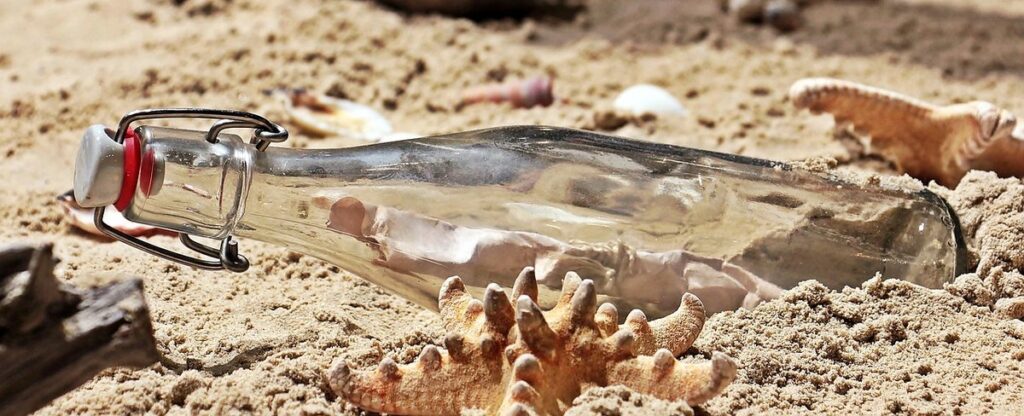
Understanding Sensory Bottles
Sensory bottles are more than just a fun toy, they’re a powerful tool for calming overwhelmed senses and minds. In this next part, we’ll explore how to use them effectively.
What are Sensory Bottles?
A sensory bottle is a container filled with liquids, solids, and sometimes gases that work together to create a calming and soothing experience for the user. Typically made from glass or plastic, these bottles are designed to be visually appealing and engaging, often featuring vibrant colors and textures. When you shake a sensory bottle, the contents mix and swirl together, creating a mesmerizing display of movement and color.
The purpose of a sensory bottle is to provide a calming effect by engaging the user’s senses and promoting relaxation. By focusing on the gentle movement and visual patterns within the bottle, users can quiet their minds and calm their nervous systems. Some sensory bottles also incorporate essential oils or fragrances that release subtle scents as the bottle is shaken, further enhancing the calming experience.
Sensory bottles work to provide a sense of control and predictability, which can be especially beneficial for individuals with anxiety or stress disorders. By allowing users to manipulate the bottle’s contents, they can exert some control over their environment and calm their minds.
Benefits of Sensory Bottles for Children and Adults
Using sensory bottles can have a profound impact on both children and adults. One of the primary benefits is reduced anxiety. The calming effects of these bottles can help to soothe frazzled nerves, making it easier for individuals to relax and unwind. For example, a child who struggles with bedtime anxiety may find that a sensory bottle filled with blue water and glitter helps them calm down before sleep.
Sensory bottles can also improve focus by providing a calming distraction from overwhelming stimuli. The gentle movement of the liquid within the bottle can be mesmerizing, allowing individuals to zone in on the present moment and quiet their minds. This can be particularly beneficial for individuals with attention deficit hyperactivity disorder (ADHD) or those who struggle with concentration.
In addition to reducing anxiety and improving focus, sensory bottles can also enhance sensory integration. By providing a calming and soothing experience, these bottles can help to regulate the senses and promote a sense of calm and well-being. This can be especially beneficial for individuals with sensory processing disorder (SPD) or those who struggle with sensory overload.
History and Origins of Calm Sensory Bottles
Calm sensory bottles have been a trusted tool for soothing stress and anxiety for centuries, their origins rooted in traditional remedies from around the globe. Let’s explore where this calming phenomenon began.
The Evolution of Sensory Bottles
Sensory bottles have a rich history that spans over three decades. Their origins can be traced back to occupational therapy, where they were first used as a tool for calming and focusing individuals with sensory processing disorders. Initially, these early sensory bottles consisted of simple containers filled with water or sand, providing a tactile experience for users.
As the concept gained popularity, innovators began experimenting with various materials and liquids. Glass bottles with glitter and oil became a staple in many therapy settings, while others used plastic containers with different textures and smells. The introduction of essential oils revolutionized the world of sensory bottles, allowing users to explore new scents and aromas.
Today, sensory bottles are not only used in occupational therapy but have also become a popular tool for stress relief and anxiety management. Many manufacturers now offer a wide range of designs, shapes, and materials, catering to different needs and preferences. When selecting a sensory bottle, consider the type of experience you want to create – do you prefer calming scents or tactile textures?
Key Influencers and Innovators in the World of Sensory Bottles
Notable figures such as occupational therapist Angela Hanscom have championed sensory bottles as a therapeutic tool. She emphasizes their ability to provide a calming and regulating effect on children’s nervous systems. Researchers like Dr. Lucy Cooke, who has written extensively on sensory integration, have also contributed significantly to the understanding of sensory bottles’ benefits.
Practitioners like sensory expert Donna Williams have created innovative products and techniques that cater specifically to individuals with autism and other sensory processing disorders. Her work highlights the importance of individualized approaches in using sensory bottles as a therapeutic tool. Similarly, occupational therapists like Sue Larkey have developed educational programs that incorporate sensory bottles into classroom settings, promoting their use as a calming and organizing strategy.
These pioneers’ contributions have helped shape the world of sensory bottles and pave the way for their widespread adoption. By understanding the work of these influencers, individuals can gain valuable insights into how to effectively integrate sensory bottles into their lives or practices. This knowledge can be particularly helpful in creating tailored plans that cater to specific needs and preferences, ultimately enhancing the therapeutic benefits of sensory bottles.
Choosing the Right Calm Sensory Bottle for Your Needs
When selecting a calm sensory bottle, it’s essential to consider your unique needs and preferences. This section will help you make an informed decision by highlighting key factors to think about when choosing the perfect bottle for yourself.
Types of Materials Used in Sensory Bottles
Sensory bottles come in a variety of materials, each with its own set of benefits and drawbacks. Glass is a popular choice due to its non-toxic nature and visual appeal. It also allows for a wide range of colors and designs, making it an excellent option for creating calming environments. However, glass can be heavy and may not be suitable for very young children.
Plastic sensory bottles are lightweight and inexpensive, but they can harbor bacteria and other microorganisms if not cleaned properly. Some plastics also contain phthalates or BPA, which can leach into the liquid inside the bottle and cause health concerns. Metal sensory bottles are durable and easy to clean, but they can be noisy when shaken and may not provide the same visual appeal as glass.
When choosing a material for your sensory bottle, consider the age and needs of the user. For example, infants and toddlers may require plastic or metal bottles due to their durability and ease of cleaning. Older children and adults, on the other hand, may prefer glass bottles for their aesthetic value and calming effects. Ultimately, the type of material used will depend on your personal preference and specific requirements.
Liquid Selection: Essential Oils, Water, and More
When selecting a liquid for your calm sensory bottle, you have several options to consider. Essential oils are a popular choice due to their calming and therapeutic properties. Lavender oil, in particular, is known for its soothing effects on the mind and body. However, some essential oils can be overpowering or even irritating, so it’s essential to use high-quality oils that are specifically designed for sensory play.
Water is another option for creating a calm sensory bottle. You can add food coloring or glitter to create a visually appealing effect. Some people also find the sound of water moving inside the bottle to be calming. If you choose to use water, make sure it’s not too deep, as this can cause the bottle to become heavy and difficult to handle.
Other liquids you can consider include vegetable oil, glycerin, or even homemade solutions like flower-infused water. Each liquid has its own unique characteristics, so experiment with different options to find what works best for you. When combining liquids, be sure to follow basic safety precautions, such as using a small amount of essential oils and avoiding the use of toxic substances.
DIY Calm Sensory Bottle Projects for All Ages
Get creative and calm your mind with these easy-to-make sensory bottle projects that are perfect for kids and adults alike, regardless of skill level. From simple to elaborate designs, we’ve got you covered!
Basic Ingredients and Tools Needed
To create a calming sensory bottle at home, you’ll need some basic ingredients. Start with a clean glass bottle with a tight-fitting lid, such as an empty water or oil bottle. The next essential item is a carrier oil, which helps to diffuse the calming scents. Choose from options like coconut oil, jojoba oil, or sweet almond oil.
You’ll also need a few drops of your preferred calming essential oils. Popular choices include lavender, chamomile, and bergamot. Be mindful of the oil’s concentration and use it in moderation – typically 5-10 drops per bottle.
In addition to these ingredients, you may want to add some water or glycerin to help mix and blend the contents. Other optional materials can include glitter, sand, or small beads for added texture. For this section, focus on creating a simple yet effective calming mixture.
When working with essential oils, keep them out of reach of children and pets, and always follow proper safety guidelines when handling these potent substances. Use a dropper to add the oil to your bottle, and avoid overfilling it to prevent spills and messes.
Advanced Techniques: Adding Glitters, Slime, and Other Textures
When adding textures to your calm sensory bottle, you can create a variety of effects by incorporating different materials. Start by choosing the right glitters – there are many types available, including fine, chunky, and holographic options. For example, using fine glitter can add a subtle shimmer to the liquid, while chunky glitter creates a more dramatic effect.
To incorporate slime into your sensory bottle, you’ll need to mix it with a liquid that won’t break down its texture. Glycerin is a popular choice for this purpose, as it helps maintain the slime’s consistency without affecting its appearance. When adding slime to your bottle, make sure to leave enough space at the top for the cap to fit securely.
Other textures you can consider include:
• Sand: Add a calming element with fine-grained sand
• Small beads: Create a soothing sound when moved around in the liquid
• Watercolor paint: Mix colors and create unique patterns
When combining multiple textures, remember that less is often more. Too many materials can make the sensory experience overwhelming, so start with one or two additions and experiment from there. This will help you achieve a balanced and calming effect in your sensory bottle.
How Calm Sensory Bottles Work to Reduce Stress and Anxiety
Calm sensory bottles are a unique tool that uses tactile and visual elements to calm the mind, but how exactly do they work? They combine soothing ingredients in a way that promotes relaxation.
The Science Behind Sensory Bottles
Sensory integration is a complex process that involves the brain’s ability to combine and interpret sensory inputs from our environment. When we experience stress, anxiety, or other emotional states, our nervous system becomes overwhelmed, making it difficult for the brain to filter out irrelevant stimuli. Sensory bottles work by providing a calming and organizing effect on the nervous system through gentle movements of water, oil, and other materials.
This is achieved through several mechanisms. Firstly, the slow movement of liquids within the bottle creates a hypnotic effect, drawing attention away from stressful thoughts and emotions. Secondly, the tactile sensation of holding the bottle provides a grounding experience, allowing users to focus on the present moment. Finally, the visual appeal of colors, textures, and shapes within the bottle offers a calming distraction, helping to regulate emotional states.
Research suggests that individuals with anxiety disorders often exhibit difficulties in sensory integration. By providing a controlled and predictable environment for sensory input, calm sensory bottles can help alleviate symptoms of stress and anxiety.
Real-Life Examples and Success Stories
Many people have found calm sensory bottles to be a game-changer in managing stress and anxiety. Take Emily, for example, who was struggling with anxiety attacks during her daily commute. She began using a calming sensory bottle filled with blue water and a few drops of lavender essential oil as soon as she sat down on the bus. Within minutes, she felt her heart rate slow down and her mind calm.
Sarah, on the other hand, used a sensory bottle to help her son cope with autism-related meltdowns. By creating a bottle with glittery water and a soothing music soundtrack, Sarah was able to distract her son from overwhelming situations and provide him with an instant calming mechanism. Both Emily and Sarah’s experiences demonstrate how calm sensory bottles can be tailored to individual needs.
These real-life examples illustrate the versatility of calm sensory bottles as tools for stress relief. By experimenting with different liquids and materials, individuals can create unique combinations that work best for them. For instance, adding a few drops of peppermint essential oil to a bottle can provide an invigorating pick-me-up during long study sessions or tedious tasks.
Safety Considerations for Calm Sensory Bottle Use
When using calm sensory bottles, especially around children, it’s essential to consider potential hazards and take steps to prevent accidents. This includes being mindful of small parts and fragile materials.
Potential Hazards and Precautions
When handling calm sensory bottles, it’s essential to be aware of potential hazards and take necessary precautions. One significant risk is choking on small parts or loose materials within the bottle. To mitigate this, always supervise children when they’re playing with sensory bottles, and ensure that the contents are not easily accessible.
Another consideration is allergies or sensitivities to certain ingredients used in the bottles. Some people may be allergic to essential oils or other additives, so it’s crucial to use high-quality, hypoallergenic materials whenever possible. If you’re using DIY projects, carefully choose your ingredients and follow proper safety guidelines.
Additionally, overstimulation can occur if the sensory bottle is too intense or overwhelming for an individual. This might be due to bright colors, loud noises, or strong scents. To avoid this, start with gentle, calming contents and gradually introduce more complex stimuli as needed. For example, you could begin with a simple water-based bottle and then move on to more advanced combinations.
Be mindful of the materials used in your sensory bottles, such as glass or plastic, and follow proper cleaning and maintenance procedures to prevent bacterial growth and contamination.
Best Practices for Storage, Handling, and Maintenance
To ensure the longevity of your calm sensory bottles, it’s essential to follow best practices for storage, handling, and maintenance. When not in use, store them in a dry, secure location away from direct sunlight and heat sources. This will prevent the liquids inside from degrading or evaporating too quickly.
When handling your calm sensory bottle, always wash your hands first to avoid transferring oils or dirt onto the surface. Avoid touching the glass or any of the internal components, as this can introduce bacteria and compromise the cleanliness of the bottle.
Regular maintenance is also crucial for optimal performance. Check the bottle’s condition periodically for signs of wear, such as cracks in the glass or leaks around the lid. Clean the outside with a soft cloth and mild soap solution when necessary. For more thorough cleaning, mix equal parts water and white vinegar inside the bottle, then shake vigorously before rinsing thoroughly.
Some additional tips to keep in mind: label each bottle with its contents and date of creation, and store them separately to prevent accidental mixing or spills. By following these simple guidelines, you can enjoy your calm sensory bottles for a longer period while maintaining their effectiveness.
Frequently Asked Questions
Can I Use Calm Sensory Bottles for Sleep Aids?
You can use calm sensory bottles as a sleep aid by creating a bottle with a calming liquid mixture and a weight to mimic the feeling of being held. Place it near your bed or hold it in your hand before falling asleep. The gentle motion and soothing scent can help signal to your brain that it’s time for rest.
How Do I Clean and Sanitize My Calm Sensory Bottle?
To clean and sanitize your calm sensory bottle, wash it with soap and warm water, then rinse thoroughly. For more thorough cleaning, mix equal parts water and white vinegar in the bottle, shake well, and let sit for 10-15 minutes before rinsing. Regular cleaning will help prevent bacterial growth and maintain the effectiveness of the bottle.
Can I Make a Calm Sensory Bottle Using Essential Oils with My Child?
Yes, you can make a calm sensory bottle using essential oils with your child! Choose calming scents like lavender or chamomile, and follow the DIY instructions from the article. Be sure to supervise children when creating and handling sensory bottles, especially around essential oils.
What If I Have an Allergic Reaction to a Sensory Bottle Ingredient?
If you experience an allergic reaction to a sensory bottle ingredient, discontinue use immediately and consult with a healthcare professional for guidance on treatment. When selecting ingredients, consider common allergens like essential oils or glitter, and opt for hypoallergenic alternatives when possible.
Can I Use Calm Sensory Bottles in a Busy Office Setting?
Calm sensory bottles can be used in a busy office setting to help reduce stress and anxiety among employees. Place the bottle on a desk or shelf, and encourage staff members to take breaks and engage with the bottle’s soothing effects. This can help improve focus and productivity during work hours.

