
British seasonal food is more than just a culinary tradition – it’s a way to connect with the land, support local farmers, and savour the freshest flavours of the year. By cooking with ingredients that are in season, you can experience the best of British produce in all its glory. But what exactly does “seasonal” mean, and how can you make the most of it in your kitchen? Planning menus around seasonal food is simpler than you might think – with a little know-how, you can create delicious meals that showcase the freshest ingredients of each month. This guide will walk you through the key local ingredients to look out for throughout the year, plus provide recipes and cooking tips to bring them to life in your own kitchen. By the end of this post, you’ll be able to plan menus around seasonality with confidence.
Introduction to British Seasonal Food
When exploring British seasonal food, it’s essential to understand what ingredients are available during each time of year. Let’s start by examining the characteristics of traditional spring produce in the UK.
Understanding the Importance of Seasonality
Understanding the importance of seasonality is crucial when it comes to food, especially in a British context. The country’s temperate maritime climate means that weather conditions can be quite changeable from one month to the next. This has a direct impact on the types and quality of produce available during different times of the year.
For instance, spring is characterized by an abundance of fresh herbs like mint, rosemary, and thyme, which are perfect for pairing with lamb or using in salads. Summer brings an array of fruits such as strawberries, raspberries, and blackberries, often used in desserts or as a topping for yogurt or ice cream.
In contrast, autumn is renowned for its rich harvests of root vegetables like carrots, parsnips, and beetroot, which are excellent for soups or stews. Winter, with its colder temperatures, sees the emergence of hearty ingredients like sprouting broccoli, kale, and Brussels sprouts – ideal additions to comforting dishes.
By considering seasonality, you can make informed choices about the ingredients you use in your cooking, reducing reliance on imported produce and supporting local farmers instead. This not only enhances the flavor of your meals but also contributes to a more sustainable food system.
Brief History of British Cuisine and Seasonal Eating
British cuisine has a rich history of seasonal eating, shaped by medieval traditions and influenced by various cultures. During medieval times, food was largely dictated by what was locally available and in season. The concept of ‘use-by’ dates didn’t exist, so households relied on preserving methods like pickling, smoking, and fermenting to enjoy out-of-season produce. This approach fostered creativity in cooking and made the most of seasonal ingredients.
Influence from European traditions also played a significant role. As trade routes expanded during the 16th century, French chefs brought refined techniques and emphasis on fresh, seasonal ingredients to British kitchens. This led to the development of traditional dishes like beef Wellington and game pies, which showcased local meats paired with seasonal produce.
While modern British cuisine has become more sophisticated, it’s essential to remember that seasonal eating remains at its core. By embracing this heritage, home cooks can learn from the past to create innovative, locally focused recipes. Understanding historical roots provides context for making informed choices about ingredients and cooking methods – crucial skills when exploring British seasonal food.
Springtime Delights: Popular Ingredients and Recipes
As we welcome spring, let’s celebrate its vibrant flavors with some of Britain’s most popular seasonal ingredients, from fresh asparagus to succulent lamb. These iconic springtime staples are sure to elevate your cooking.
Springtime Produce in the UK
As spring awakens in the UK, a vibrant array of produce becomes available, bursting with fresh flavor and color. Rhubarb is one of the first signs of spring, its tart stalks perfect for pies, tarts, and jams. Look for forced rhubarb, which is grown underground to enhance sweetness and tenderness.
Strawberries are another springtime staple, with many varieties ripening in April and May. Opt for British-grown strawberries whenever possible, as they offer superior flavor and texture compared to imported alternatives. Consider using them in sweet treats like shortcakes or sorbet.
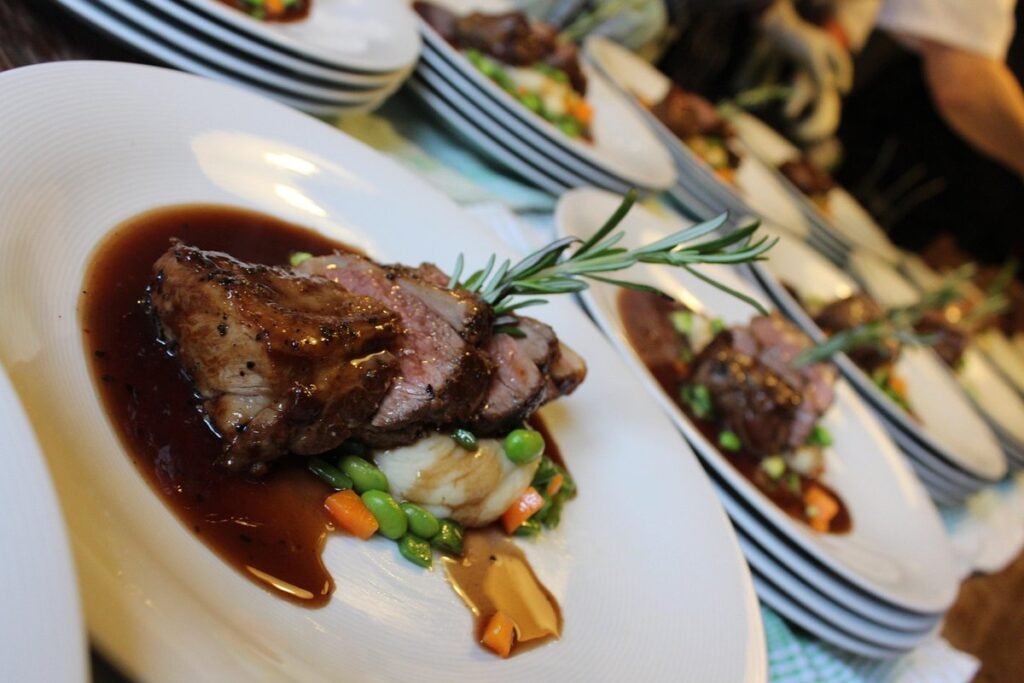
Lamb is also a popular choice during this season, with its rich flavor and tender meat ideal for slow-cooked stews and roasts. Choose from various breeds, such as Suffolk or Hampshire, which are renowned for their exceptional quality and taste.
When shopping for spring produce, keep an eye out for seasonal sales at local farmers’ markets or greengrocers. Not only will you be supporting British agriculture, but you’ll also find the best flavors and textures at unbeatable prices. Don’t be afraid to ask vendors about the provenance of their products – it’s a great way to learn more about what you’re eating and where it comes from.
Traditional Springtime Dishes
Traditional springtime dishes are a staple of British cuisine, showcasing the country’s love for hearty, comforting food. Shepherd’s pie, made with lamb or beef and topped with a layer of creamy mashed potatoes, is a quintessential springtime recipe. The sweetness of fresh peas and asparagus adds a welcome burst of flavor to traditional dishes like fish and chips.
Hot cross buns, typically served on Good Friday, are another classic British treat that incorporates seasonal ingredients. These sweet, spiced buns are made with dried fruit and often contain currants or raisins, which provide natural sweetness without added sugars. In some recipes, you’ll find chopped nuts or seeds for added texture.
When preparing traditional springtime dishes, consider using locally sourced ingredients to maximize flavor and minimize environmental impact. Look for lamb from the Scottish Highlands or beef from a nearby farm, and choose seasonal produce like fresh peas and asparagus from local markets. By doing so, you’ll not only be supporting British farmers but also ensuring that your meals are infused with the freshest flavors of the season.
Summer Harvest: BBQs and Barbecued Delights
As we step into the warmer months, Britain’s summer harvest is in full swing, bringing an abundance of fresh flavors to our plates. Let’s celebrate with a look at some delicious BBQ recipes that showcase the season’s best ingredients.
Summer Produce in the UK
Summer in the UK brings an abundance of fresh produce to farmers’ markets and supermarkets. Berries are one of the stars of the summer season, with strawberries, raspberries, and blackberries ripe for picking from June to August. Stone fruits like peaches, nectarines, and plums are also at their sweetest during these months.
Leafy greens such as lettuce, spinach, and kale thrive in the warmer weather and can be harvested right up until autumn. For those looking to grow their own summer produce, there’s nothing quite like the satisfaction of biting into a juicy homegrown strawberry or snipping a crisp head of lettuce from your garden. To make the most of this season’s bounty, consider visiting local pick-your-own farms or farmers’ markets to select the freshest produce possible.
Some of the best places to find summer produce in the UK include the Kent countryside, where strawberries and raspberries are grown in abundance, and the Welsh valleys, where stone fruits like peaches and nectarines ripen in late July. Be sure to check with local farmers for their seasonal offerings and plan your shopping trips accordingly.
Classic British Summer Recipes
When the sun shines brightly in Britain, it’s time to fire up the BBQ and make the most of the season’s sweetest ingredients. Classic British summer recipes often feature berries, stone fruits, and fresh herbs, which are at their peak during these warm months. A traditional strawberry shortcake is a quintessential dessert that showcases the sweetness of homegrown strawberries. Simply slice fresh strawberries and layer them with whipped cream and sweet biscuits for a delightful treat.
Grilled peaches with clotted cream and mint make another fantastic summer dessert. The sweetness of the peaches pairs perfectly with the tanginess of the cream, while a sprinkle of fresh mint adds a refreshing touch. For a show-stopping side dish, try grilling asparagus spears until tender, then serve with a dollop of lemon butter.
To incorporate seasonal ingredients into your BBQ menu, be sure to visit local farmers’ markets or join a community-supported agriculture (CSA) program. This will give you access to the freshest produce available, and help support local farmers during the peak summer season. With these simple yet flavorful recipes, you’ll be well on your way to enjoying the best of British seasonal food.
Autumn Fare: Hearty Soups and Stews
As autumn takes hold, there’s nothing quite like a warm bowl of homemade soup to cozy up on chilly evenings. Let’s start with some hearty stews and soups that showcase Britain’s best seasonal ingredients.
Autumnal Produce in the UK
Autumn brings a bounty of delicious produce to the UK’s markets and gardens. Root vegetables like carrots, parsnips, and beetroot are at their peak ripeness during these months, making them perfect for hearty stews and soups. Try roasting parsnips with olive oil, salt, and pepper to bring out their natural sweetness.
Squashes such as acorn squash, butternut squash, and pumpkin are also abundant in autumn. These versatile vegetables can be used in a variety of dishes, from soups to risottos. Roasted squashes make excellent side dishes or add them to a hearty stew for extra flavor and texture.
Game meats like venison, pheasant, and wild boar are seasonal during autumn. Venison steaks are particularly popular this time of year, with many butchers stocking frozen or fresh supply from local estates. If you’re feeling adventurous, try your hand at cooking game meat – it’s well worth the effort for a rich, satisfying flavor.
When shopping for autumnal produce, look for seasonal labels in supermarkets and farmers’ markets to ensure you’re buying locally sourced ingredients. This not only supports the local economy but also guarantees freshness and quality. With so much delicious produce available, autumn is the perfect time to get creative with your cooking and make the most of Britain’s seasonal bounty.
British Winter Warmers
Beef and lamb stews are staples of British winter cuisine. They’re often made with seasonal ingredients like carrots, potatoes, and onions, which are at their peak flavor during the cooler autumn months. These hearty dishes are designed to warm the soul on chilly nights.
One classic example is the Scotch broth, a thick, comforting stew originating from Scotland. It typically features beef or lamb stock as its base, simmered with chunks of meat, root vegetables, and barley. This dish is often served with crusty bread for dipping into the flavorful broth.
Another popular option is the Lancashire hotpot, a Northern English specialty made with slow-cooked lamb or beef, sliced potatoes, and onions. This filling stew is perfect for a cold winter’s evening, especially when served with a side of warm, crusty bread or boiled potatoes.
When making your own British-style stews and soups, consider using local ingredients to capture the authentic flavors of the season. Choose seasonal root vegetables like carrots, turnips, and parsnips, which add depth and sweetness to these comforting dishes. By using these simple yet effective recipes, you can recreate the warmth and coziness of traditional British winter fare in your own kitchen.
Winter Comforts: Rich Stews and Soups
As winter takes hold, there’s nothing quite like coming home to a warm, comforting bowl of rich stew or soup. Let’s explore some classic British recipes that are perfect for chilly days.
Winter Produce in the UK
During winter months in the UK, root vegetables like carrots, beets, and turnips are at their peak. These hardy crops thrive in the cooler temperatures and can withstand light frosts. Brussels sprouts, broccoli, and cabbage are also abundant, making them a staple in many British kitchens. The Brassica family is particularly well-suited to the UK’s temperate maritime climate.
Game meats like venison, wild boar, and pheasant become more readily available during winter, providing a rich and flavorful alternative to beef or lamb. When shopping for game meat, look for it from local butchers or farmers who can provide information on where and how it was sourced.
To make the most of winter produce, try roasting root vegetables with some olive oil, salt, and pepper. Simply slice or chop them as desired, toss with your chosen seasonings, and roast at a high temperature until tender and caramelized. Similarly, slow-cook game meats in stews or braises to bring out their rich flavor.
Traditional British Winter Dishes
Roasted meats are a staple of traditional British winter cuisine, with beef being a popular choice for slow-cooked dishes like beef Wellington and braised short ribs. The rich flavors of roasted meats come from cooking them low and slow over a period of hours, allowing the connective tissues to break down and infusing the meat with intense flavors.
Hearty stews are another classic winter dish that showcases seasonal ingredients at their best. A traditional British stew might feature beef or lamb as its main protein, paired with root vegetables like carrots, parsnips, and turnips. These stews often rely on a rich broth made by simmering bones for hours, which is then thickened with flour or oatmeal to create a satisfying, comforting sauce.
A key ingredient in many traditional British winter dishes is the humble onion. Whether caramelized and sweet or used raw in a hearty stew, onions add depth and complexity to a wide range of winter recipes. Experiment with different types of onions, such as shallots or leaks, to add variety to your cooking.
Foraging for Wild Ingredients: A Beginner’s Guide
For many of us, the idea of foraging for wild ingredients can seem daunting, but it’s actually a great way to discover new flavors and connect with your surroundings. In this section, we’ll share some essential tips and tricks to get you started.
Introduction to Foraging
Foraging is a timeless tradition in Britain, where locals would venture into woodlands and meadows to gather wild ingredients for cooking. Before you start foraging, it’s essential to understand some basic safety guidelines. Make sure to check the landowner’s permission before entering private property, as some areas may be off-limits.
Start by familiarizing yourself with common lookalike species that can be toxic. For instance, the Death Cap mushroom (Amanita phalloides) is often mistaken for the edible Penny Bun (Boletus edulis). Take a beginner’s field guide or join a local foraging group to learn from experienced foragers.
Invest in a few essential tools: a good pair of gloves, a basket or bag, and a knife with a blunt blade. Avoid using metal detectors, as they can damage the environment. Be mindful of protected areas, such as Sites of Special Scientific Interest (SSSIs), where foraging may be restricted.
Finally, only pick what you need, leaving enough for other foragers and the ecosystem to thrive. Remember that some plants are protected by law or seasonally scarce, so it’s crucial to identify them correctly before harvesting.
Identifying Seasonal Edibles
Britain’s diverse landscape offers a wealth of wild edibles throughout the year. Knowing what to look for can be a challenge, but familiarizing yourself with key species will greatly enhance your foraging experience. Spring brings a variety of edible herbs, such as dandelion, plantain, and cleavers, which can be identified by their distinctive leaves and growth habits.
Summer is prime time for berry picking, with blackberries, raspberries, and strawberries readily available in woodland edges and hedgerows. Be sure to only pick berries from areas free of pesticide use, as the chemicals can persist on plant surfaces. Summer also sees an abundance of wild mushrooms, including chanterelle, oyster, and field mushrooms, but be cautious – some species are toxic.
Autumn brings a mix of new herbs, such as wild garlic and sorrel, and continuing berry production from earlier summer crops. Autumnal fungi often have distinctive colors or patterns, making them easier to identify. When foraging, focus on areas with rich soil and high levels of organic matter, as these tend to support the widest range of edible species.
Key identifying features for each species can be found in field guides or online resources. Always prioritize proper identification before consuming any wild edibles.
Tips for Creating Your Own Seasonal Menus
When creating seasonal menus, choosing the freshest ingredients is just as important as selecting dishes that showcase their flavor. Consider pairing each ingredient with complementary flavors to create a harmonious balance.
Planning Your Menu Around Seasonality
When planning menus around seasonal produce availability, consider visiting local farmers’ markets or farm shops to see what’s fresh and in season. This will not only provide inspiration for dishes but also allow you to source ingredients directly from the producer. For example, during the summer months, UK strawberries are at their peak, making them a perfect choice for desserts like strawberry shortcake or a simple fruit salad.
In professional settings, planning menus around seasonal produce can help reduce waste and lower costs by focusing on what’s readily available and in season. Many restaurants now have “daily specials” that highlight the freshest ingredients of the day. This approach also allows chefs to get creative with limited ingredient offerings, resulting in innovative and unique dishes.
Consider creating a “seasonal calendar” to track what produce is coming into or out of season. This can be as simple as a spreadsheet or a physical chart on your kitchen wall. Marking down key ingredients as they become available will help you plan menus accordingly.
Making the Most of Local Ingredients
When preserving fruits and vegetables, consider making jams, chutneys, or pickles using seasonal ingredients like damson plums or wild garlic. These can be served alongside game meats or used as a condiment in future dishes. You can also try dehydrating fruits to make healthy snacks or powders for smoothies.
For game meats, look to local butchers for supplies of venison, pheasant, or partridge. When cooking these meats, focus on hearty, comforting recipes that emphasize rich flavors and textures. Think stews, casseroles, or slow-cooked roasts with root vegetables like carrots and parsnips.
Incorporating game into your menu can be as simple as swapping beef for venison in a favorite recipe, or using wild mushrooms to add depth to a sauce. For example, try pairing pan-seared pheasant with a tangy blackberry compote made from locally sourced berries. By embracing the flavors and textures of local ingredients, you’ll create menus that are not only seasonal but also distinctly British.
Frequently Asked Questions
Can I use seasonal food in my daily meals even if I have dietary restrictions?
Yes, most seasonal foods can be adapted to suit various dietary needs, including gluten-free, vegan, and low-carb options. Simply research alternatives or substitutions for common ingredients.
How do I incorporate more wild edibles into my recipes without compromising flavor or safety?
Start by incorporating small amounts of commonly found wild herbs like dandelion or wild garlic into your dishes. Be sure to properly identify any new ingredients through reputable sources, and use caution when introducing new flavors.
What if I’m planning a dinner party and can’t find all the seasonal produce in my local market?
Try substituting with similar items from neighboring markets or regions. You can also consider shopping from local farms or farmers’ markets that may offer more diverse produce options. Consider getting creative with storage and preservation techniques to extend shelf life.
Can I use foraged ingredients if they’re not organic or locally sourced?
While the benefits of foraging are clear, using non-organic or locally-sourced ingredients is a valid choice in certain circumstances. However, ensure that you follow proper food safety guidelines when handling wild edibles, and be aware of potential contamination risks.
When can I expect to see specific seasonal produce available at my local market?
Availability varies depending on your region’s climate and weather patterns. Generally, spring produce like strawberries will appear earlier in warmer regions, while winter produce may arrive later in colder areas. Check with local farmers or visit their websites for up-to-date information on harvest schedules.

