
Visiting Paris by bike is one of the best ways to experience the City of Light. Not only do you get to see iconic landmarks like the Eiffel Tower and Notre-Dame, but you also get a glimpse into everyday Parisian life. However, navigating the bike rental scene in Paris can be daunting for first-time visitors – with so many companies to choose from, it’s hard to know where to start. You’ll want to find a reputable company that offers well-maintained bikes and convenient locations. This article will take you through the ins and outs of bike rental in Paris, including how to plan your route, park your bike safely, and avoid some of the city’s more chaotic streets. By the end of this article, you’ll be equipped with the knowledge to explore Paris like a local on two wheels.
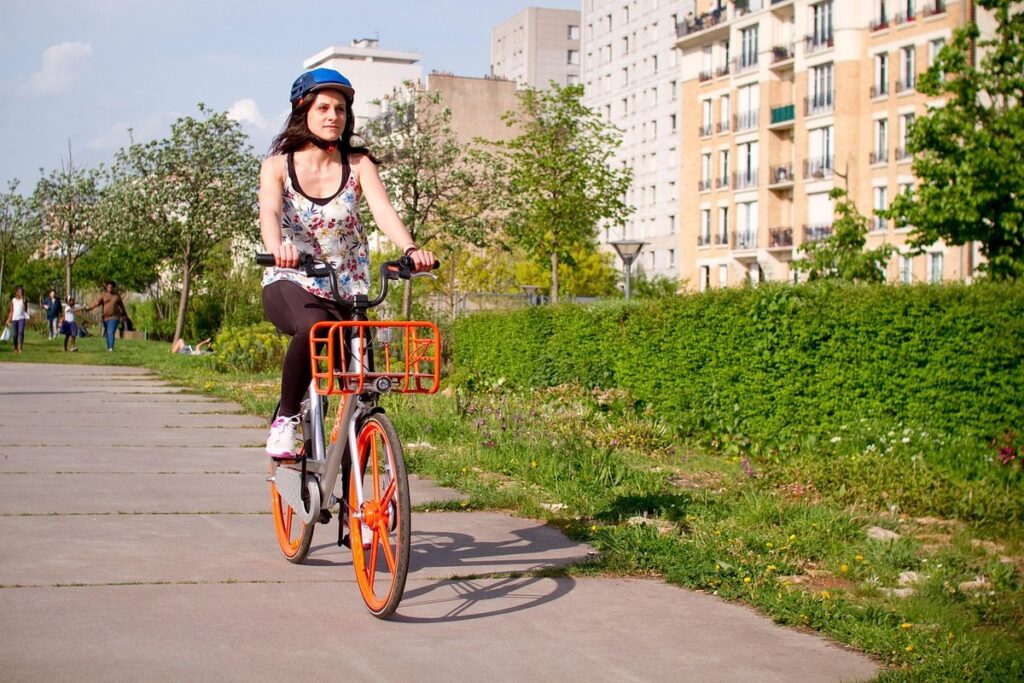
Choosing the Right Bike Rental Company
With so many bike rental companies operating in Paris, choosing the right one can be overwhelming. We’ll break down what to look for and provide tips on making a decision that suits your needs.
Researching Reputable Companies
When researching reputable bike rental companies in Paris, start by checking online reviews from multiple sources. Look for companies with a strong presence on platforms like TripAdvisor and Google Reviews, as these often indicate a company’s reliability and customer satisfaction. Pay attention to the overall rating and read the comments to get a sense of any recurring issues or areas for improvement.
You can also check if the company has the necessary licenses and permits to operate in Paris. The city’s transportation authority, the Velib’ system, and other bike rental companies are all required to display their operating permits on their websites. Verify that the company you’re considering has these documents readily available.
Finally, confirm that the company has adequate insurance coverage for its customers. Check if they provide liability insurance in case of accidents or damage to bikes. Some reputable companies may also offer additional insurance options, such as third-party coverage. Researching these aspects can help ensure a smooth and worry-free bike rental experience in Paris.
Understanding Rental Options
When choosing a bike rental company in Paris, you’ll encounter various types of rentals to suit different needs and preferences. Short-term rentals allow visitors to explore the city on two wheels for a few hours or a day. These rentals often come with a fixed price per hour or day, making them an affordable option for tourists. Long-term rentals, on the other hand, cater to residents or those staying in Paris for an extended period. This type of rental typically involves a contract with a set duration and a lower daily rate compared to short-term options.
Guided tours combine bike rental with expert-led excursions through Paris’ scenic routes and attractions. These tours often focus on specific themes, such as art, history, or food, and provide a unique perspective on the city. While guided tours can be an excellent way to discover hidden gems, they may not offer as much flexibility as self-guided rentals.
When selecting a rental type, consider your travel plans, budget, and desired level of exploration.
Preparing for Your Bike Ride
Before you pick up your rental bike, make sure you’re prepared by understanding the route and terrain of Paris’ bike-friendly paths. Familiarize yourself with local traffic rules to ensure a smooth ride.
Familiarizing Yourself with Parisian Cycling Laws
In Paris, cyclists are subject to specific laws and regulations designed to ensure safe coexistence with motorists. One essential aspect is helmet usage: wearing a helmet is compulsory for all riders under 18 years old, but it’s also highly recommended for adults to minimize risks. Be aware that fines can be issued if you’re caught riding without a helmet in this age group.
When interacting with traffic rules, keep in mind that Parisian cyclists must follow the same right-of-way and traffic signs as cars. This means coming to a complete stop at red lights, yielding to pedestrians at zebra crossings, and using designated turn lanes when available. Bike lanes are also present throughout the city; however, their usage can vary depending on location and time of day.
A key point to note is that bike lanes often merge with pedestrian zones or bus lanes during rush hours. Familiarize yourself with these areas before your ride to avoid any confusion. Moreover, be prepared for shared paths: while they provide an efficient route through the city, you’ll need to share space with pedestrians and other cyclists.
Understanding Bike Parking Options
When parking your rented bike in Paris, it’s essential to choose a safe and secure location. Designated bike parking areas, called “station de vélo,” can be found throughout the city. These are typically located near major attractions, public transportation hubs, or within bike-share systems. Look for signs marked with a blue Vélib+ logo or check online maps for designated parking spots.
In addition to on-street parking, Paris offers secure bike lockers called “vélocités.” These can be found in many neighborhoods and are accessible 24/7 using a code or card. Some popular locations include the Louvre Museum, Champs-Élysées, and the Marais district. When choosing a locker, consider the proximity to your destination and any additional fees for extended storage.
To avoid fines or having your bike confiscated, always park in designated areas and follow parking signs. Keep an eye on your belongings, as bike theft can be a problem in tourist areas. By understanding your options and planning ahead, you’ll be able to enjoy your Parisian bike ride without worrying about your bike’s safety.
Popular Bike Routes and Attractions
Whether you’re a seasoned cyclist or just looking for a fun way to see the sights, Paris has plenty of popular bike routes and attractions that are perfect for a guided ride. From scenic riverside paths to historic landmarks, we’ll highlight some must-see stops along the way.
Exploring the City’s Iconic Landmarks by Bike
One of the most enjoyable ways to explore Paris is by bike, and you can do so while taking in some of the city’s most iconic landmarks. The Eiffel Tower, for instance, is a popular starting point for many bike tours, with several routes leading directly to the tower or passing nearby. From there, you can pedal your way through the Champ de Mars gardens and take in the stunning views of the tower.
Another iconic landmark accessible by bike is the Louvre Museum, which boasts an impressive collection of art and artifacts from around the world. You can ride along the Seine River to the museum’s entrance or park near the famous Pont des Arts bridge for a scenic view of the glass pyramid. Meanwhile, the Arc de Triomphe, located at the end of the Champs-Élysées, offers breathtaking views of the city from its rooftop terrace.
To plan your bike tour, consider downloading a route-finding app that highlights popular bike paths and routes through the city. This will help you avoid traffic-heavy areas and ensure a smooth ride to these famous landmarks.
Discovering Hidden Gems in Paris’ Neighborhoods
Montmartre’s narrow streets and historic charm make it an ideal destination for a leisurely bike ride. Rent a bike and follow Rue de l’Abbé de l’Épée to the Sacré-Cœur Basilica, where you can take in breathtaking views of the city. Continue on to Place du Tertre, where artists and vendors have been selling their wares since the 19th century.
Le Marais is another charming neighborhood that’s easily accessible by bike. Ride along Rue des Rosiers to explore the historic Jewish quarter, where you’ll find some of Paris’ most delicious falafel and bagels. Be sure to check out the fashionable boutiques on Rue de Bretagne, too.
Belleville is a hip and artsy neighborhood that’s full of character. Rent a bike and follow Avenue de Ménilmontant to the beautiful Parc des Buttes-Chaumont, where you can escape the city’s hustle and bustle. From there, ride down Boulevard de Belleville to explore the neighborhood’s many independent shops and galleries. Keep an eye out for street art and murals that cover the buildings in this vibrant area.
Safety Tips for Cycling in Paris
As a cyclist in Paris, it’s essential to be aware of the city’s unique traffic rules and hazards to ensure a safe and enjoyable ride. This next section offers expert tips on staying safe while pedaling through the City of Light.
Navigating Parisian Traffic Safely
Parisian traffic can be intimidating, especially for cyclists. When navigating through busy streets, keep an eye out for pedestrian crossings marked with zebra stripes – these are shared spaces where pedestrians and cyclists have equal priority. Always yield to pedestrians stepping into the crossing zone.
Roundabouts, however, require a different approach. Take the rightmost lane and signal before entering or exiting the roundabout. Be aware of posted speed limits within each roundabout: 30 km/h is typical for most Parisian ones. Don’t assume you can keep your own pace – adapt to the traffic flow.
Bike lanes in Paris often appear between parked cars and the sidewalk, and are generally reserved for one-way traffic. However, these narrow lanes can be chaotic when sharing space with pedestrians, buses, and taxis. Anticipate pedestrian traffic during rush hour or near popular destinations like cafes and museums.
Dealing with Inclement Weather Conditions
When cycling through Paris, you’re likely to encounter various weather conditions. Rain is a common occurrence in the city, and it’s essential to be prepared. Bring a waterproof jacket or poncho to keep you dry, and consider investing in rain-resistant gloves for better grip on the handlebars. If rain is heavy, seek shelter under an awning or a nearby café.
Wind can also make cycling more challenging. Avoid cycling during strong gusts, especially if you’re not accustomed to riding in windy conditions. Take advantage of bike lanes that provide some protection from the wind.
Heatwaves are less common but still possible in Paris. Be mindful of heat exhaustion and take regular breaks in shaded areas or cafes. Stay hydrated by drinking plenty of water throughout your ride. Don’t forget to wear sunscreen, a hat, and sunglasses for sun protection.
Lastly, consider checking the weather forecast before embarking on your bike rental journey. This will give you an idea of what to expect and allow you to plan accordingly. If possible, schedule your ride during milder hours, such as early morning or late afternoon.
Cycling in Paris: Tips and Tricks
To make the most of your bike rental experience in Paris, we’ve got insider tips on how to navigate the city’s bike-friendly streets and avoid common pitfalls. From finding the best routes to handling traffic, we’ve got you covered.
Mastering the Art of Bike Parking
When parking a rented bike in Paris, it’s essential to find a secure spot. While bike parking is relatively common throughout the city, some areas are safer than others. Look for designated bike parking lots or garages near major tourist attractions, such as the Eiffel Tower or Louvre Museum. These often have attendants and locked facilities.
Alternatively, use the city’s bike locker system. Bike lockers (called “cages à vélo” in French) are available at various locations throughout Paris. You can find them on the City of Paris website or through the Velib app. Be aware that these lockers usually require a deposit, which is refundable when you return the key.
When choosing a safe parking spot, be mindful of the surroundings. Avoid areas with high foot traffic and look for bike parking near security cameras. If you can’t find an official bike parking lot, consider locking your bike to a streetlamp or a designated bike rack. Use a sturdy U-lock that covers both wheels and the frame.
Enjoying a Stress-Free Bike Ride
To make the most out of your bike rental experience in Paris, it’s essential to plan your route effectively. Start by identifying key landmarks and attractions you want to visit, such as the Eiffel Tower or the Louvre Museum. Then, use a mapping app like Citymapper or Google Maps to find the shortest and safest bike route between these points. You can also use apps like Strava or MapMyRide to discover scenic routes and bike paths along the Seine River.
Don’t forget to pack essential gear, including a helmet, lock, and water bottle. Parisian bike lanes are generally well-maintained and separate from pedestrian areas, but it’s still crucial to be mindful of your surroundings. Consider downloading a navigation app that provides real-time traffic updates and alerts you to potential hazards. With some basic planning and preparation, you’ll be free to enjoy the scenic views and vibrant atmosphere of Paris on two wheels. This will also allow you to avoid congested areas like the Champs-Élysées during peak hours.
Conclusion
In conclusion, bike rental in Paris, France can be a convenient and enjoyable way to explore the city. With several options available, including Vélib’ and Veligo, tourists can choose a plan that suits their needs and budget. By following the guidelines outlined in this guide, visitors can make the most of their bike rental experience in Paris. This includes understanding the different types of bikes and rentals available, knowing where to pick up and drop off bikes, and being aware of any local rules or regulations.
By doing so, tourists can navigate the city’s scenic bike paths and take in the sights without worrying about parking or traffic. Whether you’re a seasoned cyclist or just looking for a fun way to see the city, bike rental is an excellent option. So, don’t be afraid to give it a try – with a little planning, you’ll be pedaling through Paris in no time.
Frequently Asked Questions
What If I Get Lost or Need Help While Renting a Bike in Paris?
You can always stop by the local bike rental shop for assistance. Many shops have staff on hand to help with any issues, and some even offer phone support. You can also download a GPS-enabled map app like Google Maps to get turn-by-turn directions.
Can I Rent a Bike If I’m Not Familiar with the City’s Cycling Laws?
Yes, most reputable bike rental companies provide information about Parisian cycling laws and regulations as part of their service. They may even offer guided tours or workshops to help you learn the basics before setting off on your own. Be sure to ask your rental company what resources are available.
How Do I Secure My Bike When Leaving It Unattended?
When parking your rented bike in a public area, try to find a well-lit spot with good surveillance. You can also use a sturdy U-lock and chain combination to secure the bike to a fixed object like a lamppost or bike rack. If you’re planning on leaving your bike for an extended period, consider renting a bike locker or asking the rental company about their storage options.
What if I Decide I Want to Rent a Bike for More Than a Week?
Many bike rental companies in Paris offer discounts for longer rentals, so it’s worth asking about their policies. Some may also have different types of bikes designed specifically for longer trips or commuting, which could be a good option for you. Be sure to discuss your plans with the rental company to get the best deal.
Can I Bring My Own Bike Helmet or Do I Need to Rent One?
While some bike rental companies provide helmets as part of their service, it’s always a good idea to bring your own if possible. This ensures a proper fit and reduces the risk of getting a helmet that doesn’t meet your needs. If you don’t have a helmet, most rental shops will be able to provide one for a small additional fee.

