
Planning a multi-day camping trip often involves balancing your desire for adventure with practical considerations like physical exertion and fatigue. You’ve probably spent hours poring over maps, researching trails, and packing gear, only to find that your itinerary falls apart when you’re out in the wilderness. Choosing the right camping and hiking combination is key to a successful and enjoyable trip – it’s not just about slapping together two random activities. Effective planning involves considering essential gear like backpacks, tents, and navigation tools, as well as safety considerations like weather forecasts, emergency preparedness, and physical conditioning. This article will help you select the best camping and hiking combinations, manage your energy levels, and stay safe in the great outdoors – by the end of it, you’ll be able to plan a multi-day itinerary that balances adventure with practicality.
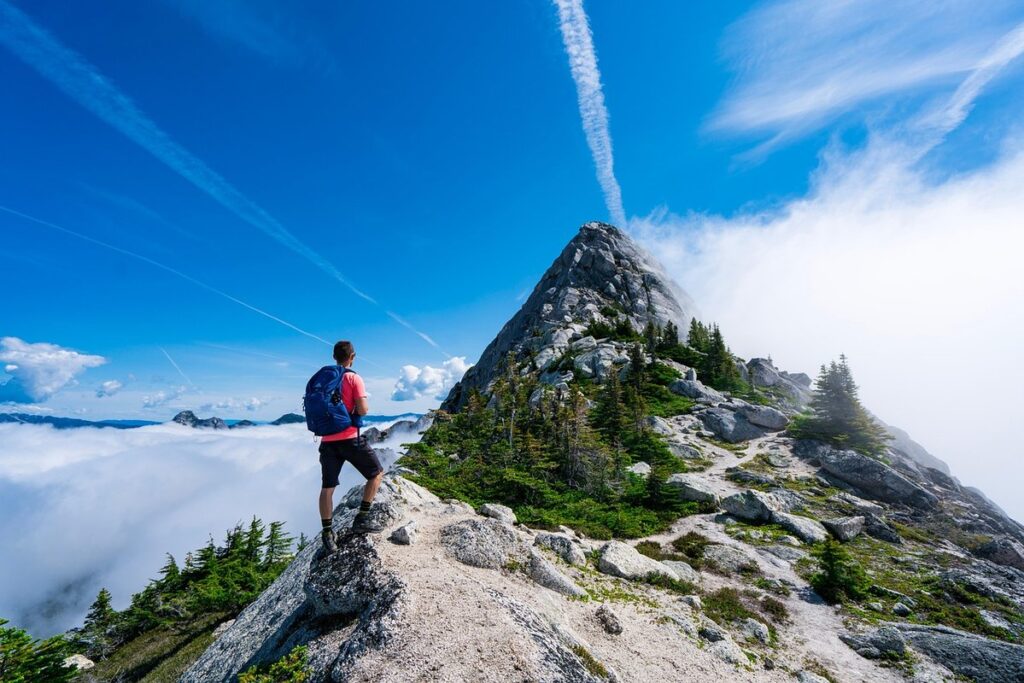
Choosing the Right Combination of Activities
When it comes to camping and hiking, selecting a combination that suits your needs can be overwhelming. To help you make an informed decision, let’s break down some popular combinations to consider.
Understanding Your Fitness Level and Experience
When choosing a camping and hiking combination, it’s essential to assess your fitness level and experience. Consider how long you’ve been hiking, what terrain types you’re comfortable with, and whether you’ve completed multi-day trips before. Think about your overall physical health: do you have any medical conditions or mobility issues that might impact your ability to hike? You should also evaluate your endurance – can you carry a heavy backpack for several hours?
Evaluate specific aspects of your hiking experience:
- Distance: Have you hiked more than 10 miles in one day?
- Terrain: Are you comfortable with steep inclines, uneven terrain, or river crossings?
- Elevation gain: Can you handle significant elevation changes?
Assessing these factors will help you identify which camping and hiking combinations are suitable for your abilities. For example, if you’re new to backpacking, a multi-day trip through rugged terrain might not be the best choice. Instead, opt for shorter trips with more gradual terrain.
Selecting the Appropriate Terrain and Distance
When selecting trails for your camping and hiking combination, it’s essential to consider the terrain type and distance. If you’re planning a backpacking trip with a heavy pack, opt for flatter terrain or gentle inclines to avoid straining your back and legs. Conversely, if you prefer a challenge, choose trails with varied elevations and steeper slopes.
Consider the difficulty level of the trail in relation to your chosen activity combination. For instance, if you’re combining rock climbing with hiking, select trails with rugged terrain that require scrambling and climbing skills. However, if you’re pairing hiking with wildlife watching, prefer smooth trails with minimal obstacles for easier mobility.
Typical trail lengths also play a crucial role in planning your activities. Multi-day hikes often require longer distances between campsites, so factor in the time it takes to set up camp, cook meals, and rest. Conversely, shorter day hikes can be more suitable for camping combinations that focus on relaxation and leisure activities. When selecting trails, use online resources such as trail maps and guidebooks to determine terrain types, difficulty levels, and typical distances.
Planning for Weather Conditions
When venturing out for camping and hiking combinations, being prepared for various weather conditions is crucial. You should plan accordingly to ensure a safe and enjoyable experience. For hot temperatures, pack lightweight, light-colored clothing that allows for good airflow and moisture-wicking properties. Bring a hat with a brim, sunglasses, and sunscreen for protection from the sun.
For cold weather, prioritize insulating layers such as fleece jackets or down-filled sleeping bags. Don’t forget gloves or mittens to keep your hands warm. In rainy conditions, bring waterproof gear like ponchos, rain jackets, and pants. Consider bringing gaiters to prevent water from entering your boots.
When it comes to snow, invest in insulated, waterproof hiking boots with good grip for traction on icy surfaces. Pack extra socks and a change of clothes in case you get wet. In addition to these essential items, make sure to check the weather forecast before heading out to plan your route accordingly. It’s also a good idea to bring a map and compass or GPS device to help navigate through inclement weather conditions.
Camping Gear Essentials for Hiking Combinations
When venturing into the wilderness, packing the right gear is crucial. Here are the must-haves you’ll need to stay safe and comfortable on multi-day hiking and camping trips.
Backpacking and Ultralight Gear Options
Backpacking gear is designed for long-distance hiking and can be a good option for hikers who camp overnight. Ultralight gear, on the other hand, emphasizes extreme weight reduction, often at the expense of durability. For hikers who want to combine camping and hiking, backpacking gear tends to offer better support and comfort.
One key advantage of backpacking gear is its robust suspension system, which can reduce fatigue on long hikes. However, this often comes with a heavier pack weight, which may not be ideal for hikers who prioritize ultralight gear. Ultralight options, such as those from brands like ULA or Osprey, usually weigh under 2 pounds but might lack the support and stability of backpacking gear.
When choosing between these two options, consider your hiking style and terrain. If you’ll be covering long distances or carrying heavy loads, backpacking gear may be a better fit. However, if you prioritize minimizing weight and are comfortable with a minimalist setup, ultralight gear could work for you.
Shelter and Sleeping Options
When it comes to shelter and sleeping options for camping and hiking combinations, you have a range of choices. Tents are often the most straightforward option, providing a dry space with walls and a floor. However, they can be heavy and bulky, making them less ideal for backpacking or ultralight gear setups.
Hammocks are another popular choice, especially in warm weather. They’re typically lightweight and easy to set up, but may not provide the same level of protection from wind or rain as a tent. Ground pads can also be used in conjunction with hammocks to add extra comfort.
For more minimalist approaches, some hikers opt for tarptents – hybrid shelters that combine elements of tents and tarp systems. These are often lightweight and easy to set up, but may not provide the same level of protection as a traditional tent.
When choosing a shelter or sleeping option, consider the terrain you’ll be hiking through, the weather conditions, and your personal preferences for comfort and convenience. If you plan on camping in exposed areas with high winds or heavy rain, a more robust shelter like a tent may be the better choice.
Cooking and Water Filtration Gear
When engaging in multi-day hikes that involve camping, proper cooking equipment and water filtration systems are essential for a safe and enjoyable experience. Without reliable access to clean drinking water and a way to prepare hot meals, fatigue, dehydration, and foodborne illnesses can quickly set in.
A good portable stove or campfire cooking system is crucial for boiling water and cooking food. Look for one that’s compact, fuel-efficient, and easy to use. Consider a stove with a built-in windscreen to shield the flame from gusts of wind. Some popular options include the MSR WhisperLite Universal Stove and the Coleman Classic Camp Stove.
Water filtration systems are equally important. Options range from lightweight water purification tablets to portable filter systems like the Sawyer Mini or the MSR TrailShot Water Filter. These devices can remove bacteria, viruses, and contaminants from water sources, giving you peace of mind when refilling your canteen or cooking with water. When choosing a system, consider factors such as flow rate, weight, and maintenance requirements.
When packing for a multi-day hike, remember to include extra fuel, spare parts, and replacement filters for your equipment. This will ensure that you can continue to access clean drinking water and prepare hot meals throughout your trip.
Hiking Shoes and Footwear for Camping Combinations
When it comes to hiking and camping, having the right footwear is crucial. This section explores the best hiking shoes and camp footwear combinations for a comfortable and enjoyable outdoor experience.
Trail Running and Hiking Shoes
When it comes to hitting the trails, you’ll often find yourself deciding between trail running shoes and hiking boots. The choice ultimately depends on the terrain and distance of your hike. Trail running shoes are ideal for smooth, well-maintained paths and shorter distances, as they offer a lightweight and flexible ride with better grip.
However, for more rugged or uneven terrain, hiking boots provide superior protection and support. They typically feature a more substantial sole and ankle collar to shield against rough ground and potential ankle twists. For instance, if you’re planning to tackle steep inclines or traverse rocky sections, hiking boots will give you the confidence to navigate these areas safely.
In contrast, trail running shoes may not be able to withstand such conditions without causing damage or discomfort. When choosing between the two, consider the specific demands of your hike and pack accordingly. If in doubt, opt for a mid-shoe option that offers a balance between protection and agility – often suitable for most terrains and distances.
Waterproofing and Breathability Features
When combining camping and hiking activities, waterproofing and breathability features become crucial for your footwear. In wet conditions, water can seep into shoes and cause discomfort, blisters, and even lead to frostbite if it’s cold enough. Breathable materials allow moisture-wicking, drawing sweat away from the foot, which helps maintain a dry environment.
Choose hiking shoes with a waterproof membrane, such as Gore-Tex or eVent, for added protection against water and wet terrain. However, be aware that these membranes can compromise breathability if not properly ventilated. Look for shoes with mesh panels or perforations to ensure airflow and moisture transfer.
In high-intensity activities like backpacking or multi-day hikes, prioritize breathability over waterproofing. Consider shoes with more open designs, such as trail running shoes, which often feature lightweight materials and ample ventilation. For colder conditions, opt for insulated boots with a waterproof membrane, ensuring both warmth and protection from the elements.
Check your shoes’ moisture-wicking properties by wearing them in wet conditions or on long, sweaty hikes. If you notice your feet staying dry but feeling clammy, consider upgrading to more breathable options.
Customization and Maintenance Tips
When it comes to hiking footwear, customization and maintenance are crucial for a comfortable and blister-free hike. Start by mastering lacing techniques: use the “bunny ear” method to secure the lace at the top of the boot, or try the “lace lock” for added stability. Experiment with different lacing patterns to find what works best for your foot shape.
For regular maintenance, clean your boots after each use with a soft brush and mild soap. Allow them to air dry completely before storing; avoid heat-drying methods that can damage materials. Apply waterproofing treatments as needed, but be cautious not to overdo it – excessive application can lead to brittle leather. Replace worn-out insoles and laces promptly to prevent discomfort.
When choosing a boot, look for features like breathable membranes (e.g., Gore-Tex) or mesh panels to regulate temperature and moisture. Regularly inspect your boots’ midsoles for signs of wear; replace them if necessary to maintain shock absorption and cushioning. By following these simple tips, you’ll be able to customize and extend the life of your hiking footwear, ensuring a comfortable and enjoyable camping and hiking combination experience.
Camping and Hiking Safety Considerations
When venturing into the great outdoors, safety is always a top priority. We’ll cover essential considerations for staying safe while camping and hiking to ensure you have an enjoyable experience.
Navigation and Emergency Preparedness
When venturing into the wilderness for camping and hiking combinations, navigation and emergency preparedness are crucial aspects to consider. A reliable map and compass should be your primary tools for navigation, with a GPS device serving as a backup option. Ensure that you bring a paper copy of your route and any relevant maps in case your devices fail.
In terms of communication devices, invest in a two-way radio or satellite phone to stay connected with your group members in case of an emergency. Cell phones can be useful, but signal strength may be weak in remote areas. Bring extra batteries for all devices and consider purchasing a portable power bank to extend their life.
Emergency preparedness measures should also include a basic first aid kit, containing essentials like bandages, antiseptic wipes, and pain relievers. Know how to use the items in your kit and take a wilderness first aid course to learn more advanced techniques. Finally, always let someone know your itinerary, including where you’re going and when you expect to return.
Wildlife Encounters and First Aid
When venturing into wilderness areas for camping and hiking combinations, it’s essential to be aware of potential wildlife encounters. Be prepared by carrying bear spray, understanding local regulations on food storage, and knowing how to recognize warning signs from animals such as mountain lions or bears.
For common injuries that may occur during camping and hiking, have a basic first-aid kit with essentials like bandages, antiseptic wipes, pain relievers, and any medications you might need. Familiarize yourself with the Heimlich maneuver in case of choking incidents.
In the event of an encounter with a wild animal, stay calm and maintain eye contact if possible. Slowly back away from the area without turning your back on the animal. If necessary, use bear spray to deter the animal. If you’re hiking or camping in areas with venomous snakes, know what to look for and how to treat snake bites.
When treating injuries such as blisters, sprains, or cuts, clean them thoroughly before applying bandages or antibiotic ointments. For minor burns, cool the area with cold water and apply a topical cream. In more severe situations, know when to seek medical attention.
Managing Physical Exertion and Fatigue
Recognizing signs of physical exhaustion is crucial when engaging in multi-day hikes with camping. One common mistake hikers make is pushing through fatigue, which can lead to more severe health issues. Pay attention to early warning signs: heavy breathing, rapid heartbeat, and muscle cramps. If you experience these symptoms, take regular breaks to rest and rehydrate.
Aim for a daily mileage that allows for 6-8 hours of sleep. Most hikers need at least one or two zero days (days with no hiking) to recover and recharge. Use this time to explore nearby towns, relax in camp, or take an extra-long break to let your body recover.
To manage fatigue, prioritize nutrition by eating nutrient-dense foods like fruits, nuts, and dried meats. Avoid high-carb snacks that can cause energy crashes later. Stay hydrated with a water filter or purification tablets, and consider packing electrolyte-rich supplements or coconut water. Be mindful of your backpack’s weight: try to keep it under 20 pounds to avoid unnecessary fatigue.
Take note of weather conditions, as extreme heat or cold can exacerbate exhaustion. Monitor your body’s response to the environment and adjust your itinerary accordingly. If you’re feeling overwhelmed, consider joining a guided group hike with experienced leaders who can help mitigate risks and provide support when needed.
Tips for Camping and Hiking Combinations
When combining camping and hiking, it’s essential to consider gear that’s both lightweight and versatile. We’ll share some practical tips to help you make the most of your outdoor adventure.
Multi-Day Itinerary Planning
When planning a multi-day camping and hiking combination trip, it’s essential to strike a balance between rest days and strenuous activities. A typical itinerary might include one or two long hiking days, followed by a shorter day or a complete rest day to allow for recovery. This approach is crucial in preventing fatigue and reducing the risk of injury.
Consider including at least one zero-day, where you spend an entire day resting and recharging without any physical activity. This can be especially beneficial after a particularly strenuous hiking day, allowing your muscles to recover and your mind to recharge.
To plan effective multi-day itineraries, assess your group’s overall fitness level and experience. If you’re new to long-distance hiking or camping, consider shorter days with more frequent breaks. Conversely, if you’re seasoned adventurers, you can push for longer days with fewer rest stops. Be mindful of the terrain and elevation gain, too – these factors can significantly impact your physical exertion levels.
A sample itinerary might look like this:
- Day 1: 10 miles (16 km) of moderate hiking
- Day 2: Rest day or short hike (4-6 miles / 6-10 km)
- Day 3: 12 miles (19 km) of strenuous hiking with significant elevation gain
This approach allows for a balance between physical activity and rest, helping you make the most of your camping and hiking combination trip.
Camaraderie and Safety in Groups
When engaging in camping and hiking combinations with others, group dynamics play a crucial role in ensuring a safe and enjoyable experience. This is particularly true when venturing into remote wilderness areas where help may be far away. To foster camaraderie and safety within the group, establish clear communication channels from the outset. Designate a leader or point person to oversee navigation, emergency preparedness, and overall group decision-making.
This role should rotate among group members to prevent burnout and ensure that everyone is invested in the trip’s success. Regular check-ins and team-building exercises can also help build trust and facilitate open communication. When it comes to safety protocols, establish a plan for responding to emergencies such as injuries or inclement weather. This may involve designating a first aid expert, carrying emergency beacons, and having a contingency plan in place.
In groups of three or more, consider implementing a buddy system where members pair up to watch each other’s backs on the trail. This can help prevent accidents caused by fatigue or distraction. By prioritizing group dynamics and safety protocols, you can create an environment that is conducive to both fun and risk management.
Budgeting and Planning for Logistics
When planning a camping and hiking combination trip, it’s easy to get caught up in the excitement of exploring new trails and enjoying the great outdoors. However, forgetting to budget for logistics can quickly turn an adventure into a financial burden. To avoid this, start by estimating costs for transportation, accommodations, and equipment rental. Research local options for shuttle services or carpooling to reduce transportation expenses.
Consider renting gear instead of buying it outright, especially if you’re new to camping and hiking. This will help you save money upfront and avoid the hassle of lugging heavy gear around. Websites like REI and The North Face often offer equipment rentals at a lower cost than purchasing. You can also look into group discounts or package deals that bundle accommodations and activities.
When calculating costs, factor in contingencies for unexpected expenses, such as trail closures or inclement weather. It’s better to err on the side of caution and overestimate costs rather than underestimating them and ending up financially strained. By incorporating these factors into your budgeting plan, you’ll be able to enjoy a worry-free camping and hiking combination trip that stays within your means.
Frequently Asked Questions
Can I mix and match gear from different brands for my camping and hiking combination?
When it comes to combining gear from different brands, yes, you can. However, ensure that the pieces work well together in terms of compatibility and functionality. For instance, if you have a tent from one brand but a sleeping bag from another, check that they share similar temperature ratings and weight ranges.
How do I prioritize my gear when budgeting for a multi-day camping and hiking trip?
When allocating funds for your camping and hiking gear, consider prioritizing essential items like a waterproof jacket, sturdy backpack, and reliable water filtration system. Next, focus on mid-priority items such as sleeping gear, cooking equipment, and navigation tools. Finally, allocate remaining funds to accessories or upgrades that enhance your overall experience.
What if I encounter unexpected weather conditions during my camping and hiking trip?
If you’re caught in an unexpected storm, seek shelter immediately and assess the situation. If possible, set up a makeshift shelter using a tarp, rain fly, or other available materials. If you’re unable to find shelter, stay near a water source and keep warm with a fire or emergency bivvy sack.
Can I use trail running shoes for both hiking and camping on rugged terrain?
While some trail running shoes can handle light backpacking and short-distance hiking, they may not provide sufficient support or protection for long-distance hikes with heavy packs. It’s generally recommended to use dedicated hiking boots or sturdy trail running shoes specifically designed for off-trail use.
How do I manage fatigue when carrying a heavy pack on a multi-day camping and hiking trip?
To avoid exhaustion, prioritize proper hydration and nutrition by carrying sufficient water (at least 2-3 liters per person) and energy-rich snacks. Additionally, take regular breaks to rest and stretch your legs, adjust your backpack straps for comfort, and use trekking poles to reduce strain on your joints.

