
Composting is often overlooked as a crucial component of sustainable gardening practices, but it has numerous benefits that can transform your garden into a thriving oasis. By reducing waste and conserving water and soil, composting creates an ideal environment for healthy plant growth. You may be surprised to learn just how much of a difference composting can make in the health and productivity of your plants.
A well-maintained compost pile is more than just a means of disposing of kitchen scraps – it’s also a tool for improving soil structure, increasing water retention, and providing essential nutrients for your plants. By incorporating compost into your gardening routine, you’ll be amazed at how quickly your garden begins to flourish. This comprehensive guide will walk you through the benefits of composting, from reducing waste and conserving resources to promoting healthy plant growth, so that by the end of this article, you’ll know exactly how to implement effective composting practices in your own garden.
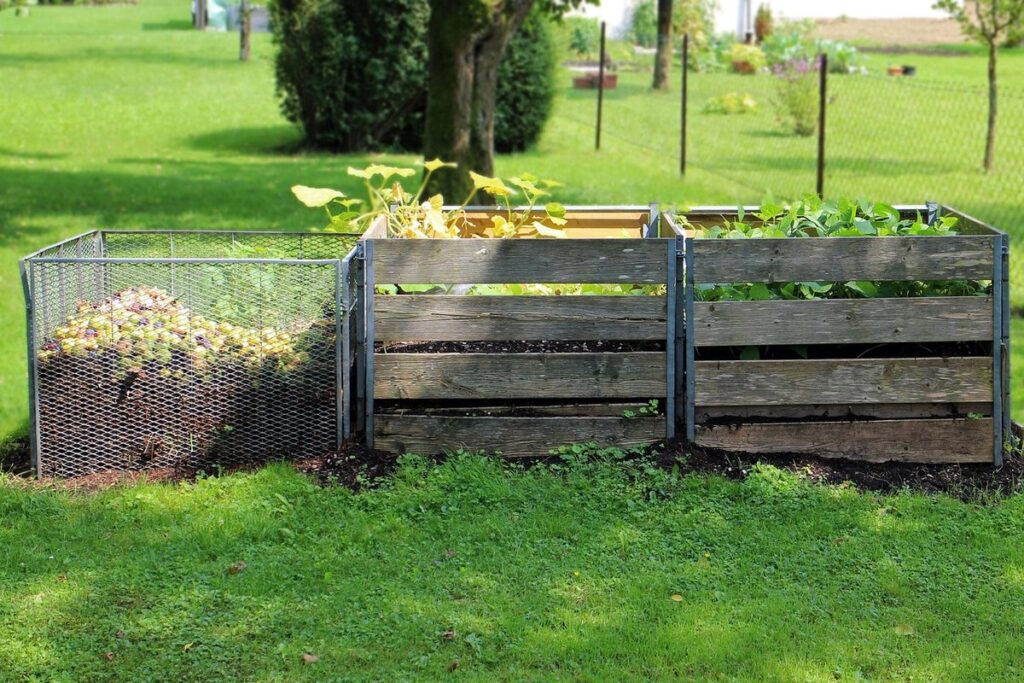
What is Composting?
Composting is a natural process that breaks down organic materials into a nutrient-rich soil amendment, and it’s surprisingly easy to get started at home. Let’s explore what composting entails and how you can start creating your own compost today.
Definition and Purpose of Composting
Composting is often misunderstood as simply throwing food scraps and yard waste together and letting it break down. However, this process requires a specific set of conditions to occur efficiently. The key is creating an environment where microorganisms can thrive, breaking down organic materials into a rich compost.
The purpose of composting is multifaceted. It reduces the amount of waste sent to landfills, conserves water and soil quality, and creates a natural fertilizer that promotes healthy plant growth. By using compost as a soil amendment, gardeners can reduce their reliance on synthetic fertilizers and pesticides. Compost is made up of a mix of “green” materials like food scraps and grass clippings, which provide nitrogen, and “brown” materials like leaves and branches, which add carbon.
A basic compost pile should have a mix of 2/3 brown materials to 1/3 green materials. Regular turning and monitoring of the pile’s moisture levels is also crucial for maintaining optimal decomposition rates. By following these guidelines and creating an ideal environment for microorganisms, gardeners can produce high-quality compost that boosts soil health and reduces waste.
History of Composting
Composting has been around for thousands of years, with evidence of its practice dating back to ancient civilizations such as Egypt, Greece, and Rome. These cultures recognized the value of recycling organic waste into a nutrient-rich soil amendment that improved crop yields and supported sustainable agriculture. The Roman naturalist Pliny the Elder wrote about composting in his book “Naturalis Historia,” describing how farmers would mix animal manure with plant material to create a fertile soil conditioner.
In medieval Europe, composting was an essential practice on many farms, where it was used to improve soil fertility and structure. However, with the advent of industrial agriculture and synthetic fertilizers, composting fell out of favor in many parts of the world. Today, there is a renewed interest in composting as people seek more sustainable ways to manage waste and reduce their environmental footprint.
Many modern composting methods have been developed, from backyard bins to community composting programs. These approaches often incorporate new technologies and scientific understanding to improve the efficiency and effectiveness of composting. For example, some urban gardens use worm composting or vermicomposting, which involves using worms to break down food waste into a nutrient-rich compost.
Benefits of Composting for the Environment
Composting is a simple yet effective way to reduce your environmental footprint, and one of the most significant benefits is its impact on soil health. By adding compost to your garden, you can improve soil structure and fertility.
Reducing Greenhouse Gas Emissions
Composting significantly contributes to reducing greenhouse gas emissions by minimizing the amount of waste sent to landfills. When organic materials decompose anaerobically in landfills, they produce methane, a potent greenhouse gas with a global warming potential 28 times higher than carbon dioxide over a 100-year time frame. In contrast, composting allows these same materials to break down aerobically, producing negligible amounts of methane and instead releasing oxygen and carbon dioxide. This process not only reduces emissions but also conserves landfill space and decreases the need for synthetic fertilizers.
Successful composting programs have been implemented in various settings, including urban and rural communities. For instance, a study by the Environmental Protection Agency found that composting food waste reduced greenhouse gas emissions by 17% compared to sending it to landfills. By adopting composting practices, households can make a significant impact on their carbon footprint. To start composting, individuals should focus on separating organic materials from other waste and creating a balanced compost pile with the right mix of “green” (nitrogen-rich) and “brown” (carbon-rich) materials. Regular turning and monitoring of the compost’s moisture levels will also help ensure optimal decomposition and minimal emissions.
Conserving Water and Soil
Composting can have a significant impact on conserving water and improving soil health. When you use compost as a natural fertilizer, it helps to retain moisture in the soil. This is because compost acts as a sponge, holding onto water and releasing it slowly as plants need it. As a result, you’ll find that your plants require less frequent watering, reducing your overall water consumption.
In addition to conserving water, compost also improves soil structure and fertility. Compost contains humus, which is a rich source of nutrients for microorganisms in the soil. These microorganisms help to break down organic matter, making it easier for plants to absorb essential nutrients. By using compost as a fertilizer, you’ll be providing your plants with a steady supply of these nutrients, reducing the need for synthetic fertilizers.
Compost can also help to increase the soil’s water-holding capacity. When the soil is rich in organic matter, it’s able to retain more moisture and withstand drought conditions better. This means that you can reduce your watering schedule without sacrificing plant health. By using compost in your garden, you’ll be creating a healthier, more sustainable ecosystem that requires less maintenance over time.
Benefits of Composting for Your Garden
Composting is a simple yet effective way to enrich your soil and promote healthy plant growth, reducing the need for chemical fertilizers in the process. By implementing composting into your garden routine, you can see significant improvements in just a short time.
Improving Soil Structure and Fertility
Compost is a rich source of nutrients that can significantly improve soil structure and fertility. When added to the soil, compost helps to break down clay particles, reducing its density and improving drainage. This process also increases the amount of humus in the soil, which acts as a sponge to retain moisture and nutrients, making them available to plants as needed. As a result, plants grow healthier and stronger, with deeper roots that can absorb water and nutrients more efficiently.
A key benefit of composting is its ability to increase the cation exchange capacity (CEC) of the soil. CEC measures the soil’s ability to hold onto essential nutrients like potassium, calcium, and magnesium. By adding compost to the soil, you are essentially increasing its CEC, allowing it to retain more nutrients for longer periods.
In addition to improving soil structure and fertility, compost also helps to support beneficial microorganisms in the soil. These microorganisms play a crucial role in decomposing organic matter and making essential nutrients available to plants. By creating an environment that is rich in these beneficial microbes, you can expect to see significant improvements in your garden’s overall health and productivity.
To maximize the benefits of composting for your soil, it’s essential to maintain a balanced mix of green and brown materials in your compost pile. This balance will ensure that your compost is teeming with beneficial microorganisms when added to the soil.
Supporting Beneficial Microorganisms
Beneficial microorganisms play a crucial role in composting, as they break down organic matter into nutrient-rich humus. These microorganisms, including bacteria and fungi, are essential for decomposing complex materials like leaves and branches. A balanced ecosystem is maintained when these beneficial microbes thrive, producing compounds that improve soil structure and fertility.
Compost can support beneficial microorganisms by providing them with a suitable environment. Carbon-to-nitrogen ratios in compost should be around 25:1 to favor the growth of beneficial bacteria. A mix of “green” materials like food scraps and grass clippings with “brown” materials like dried leaves or straw helps maintain this balance.
Compost can also serve as a food source for beneficial microorganisms, providing them with the necessary nutrients to thrive. Adding compost tea – a liquid solution made by steeping compost in water – to your plants can further promote microbial growth and activity. This can lead to healthier roots, increased resistance to disease, and enhanced plant resilience.
The Composting Process
Composting is a natural and efficient way to break down organic materials, turning them into nutrient-rich soil for your garden. We’ll walk you through the process step by step.
Choosing What to Compost
When choosing what to compost, it’s essential to focus on organic materials that will break down easily and provide valuable nutrients for your garden. Food waste, such as fruit and vegetable scraps, bread, and grains, is a rich source of carbon and nitrogen. Yard trimmings, including leaves and grass clippings, add bulk and moisture to the compost pile.
However, there are some materials that should be avoided in your compost. These include meat, dairy products, and oils, which can attract pests and create unpleasant odors. Pet waste is also not recommended, as it can contain pathogens that may contaminate your compost. Additionally, plastics, metals, and glass should never be added to the compost pile.
To get started with composting, consider collecting food waste in a designated bin or container. You can also set up a separate compost area for yard trimmings, such as a corner of your garden or a dedicated compost bin. By selecting the right materials and avoiding common mistakes, you’ll be well on your way to creating nutrient-rich compost that will benefit your garden for years to come.
Some key items to include in your compost pile are:
- Fruit and vegetable scraps
- Bread and grains
- Yard trimmings (leaves, grass clippings)
- Paper products (newspaper, cardboard)
Remember to balance “green” materials (food waste) with “brown” materials (yard trimmings) for a healthy compost pile.
Setting Up Your Composting System
When setting up a composting system, the first decision you’ll need to make is what type of bin to use. You can choose from a variety of materials, including plastic, metal, and wooden bins. Consider factors like durability, ease of cleaning, and cost when making your selection.
Ideally, place your composting bin in a well-ventilated area with easy access for adding materials. Avoid areas prone to flooding or where pets tend to dig. A location that’s partially shaded will also help regulate temperatures within the bin.
In terms of maintenance requirements, most composting bins need regular turning every 1-2 weeks to aerate the pile and speed up decomposition. You’ll also want to keep the bin clean by removing any finished compost and adding new materials as needed. A typical composting system can accommodate a mix of “green” (food waste, grass clippings) and “brown” (dried leaves, straw) materials in a 2:1 or 3:1 ratio.
Advanced Composting Techniques
For those looking to take their composting skills to the next level, advanced techniques can help you manage challenging materials and create a nutrient-rich soil amendment. We’ll explore some of these innovative methods in detail.
Vermicomposting: The Art of Worm Composting
Vermicomposting, also known as worm composting, is a method of composting that uses red wiggler worms to break down organic matter. These worms are specifically chosen for their ability to thrive in a low-oxygen environment and their high population density. By using vermicomposting, you can turn kitchen scraps and other waste into a nutrient-rich fertilizer for your garden.
The benefits of vermicomposting include reduced odors and pests compared to traditional composting methods. The worms also produce a finished product that is free of weed seeds and pathogens, making it ideal for seed starting and transplanting. One challenge of vermicomposting is maintaining the optimal moisture level, which can be achieved by adding a mix of “brown” materials like shredded newspaper or cardboard to balance out the high nitrogen content of food waste.
For small-scale composting operations, vermicomposting is an excellent option for producing a consistent supply of fertilizer. Large-scale composting operations can also benefit from vermicomposting, as it allows for efficient processing of large amounts of organic matter and produces a valuable byproduct that can be sold or used on-site.
Bokashi Composting: Fermenting Food Waste
Bokashi composting is an advanced fermentation method for processing food waste. This technique involves adding microorganisms to the food scraps, which break down the organic matter through anaerobic digestion. The resulting liquid and solid byproducts can be used as a nutrient-rich fertilizer.
The benefits of bokashi composting include its ability to process high amounts of organic material quickly, reducing odors and pests associated with traditional composting methods. Bokashi also allows for the inclusion of meat, dairy, and oily foods, which are typically prohibited in regular composting due to their potential to attract pests.
However, bokashi has limitations, including the need for a controlled environment and regular maintenance to prevent contamination and ensure proper fermentation. The liquid byproduct can be acidic, requiring caution when handling it.
In sustainable gardening practices, bokashi compost can be used as a foliar spray or added directly to soil to promote healthy microbial activity. It’s essential to follow the manufacturer’s instructions for using commercial bokashi products, as some may require specific application rates and timing. When creating your own bokashi mixture, ensure you have the right balance of microorganisms and follow proper storage and handling procedures to maintain its effectiveness.
Common Challenges and Solutions
Composting can be a bit tricky, especially if you’re new to it. Let’s tackle some of the common problems gardeners face when trying to create nutrient-rich compost for their plants.
Managing Odors and Pests
To manage odors and pests effectively, it’s essential to create an environment that balances decomposition with oxygenation. Regularly turning the compost pile will help to aerate it, reducing anaerobic conditions that contribute to unpleasant smells. You can also add a 2-3 inch layer of bulking agents like straw or shredded newspaper to absorb excess moisture and odors.
Another strategy is to maintain adequate carbon-to-nitrogen ratios in your compost. Too much nitrogen-rich “green” materials (e.g., food scraps, grass clippings) can lead to ammonia emissions, while too little carbon “brown” materials (e.g., dried leaves, shredded cardboard) may result in anaerobic conditions. Aim for a mix of 2/3 brown materials and 1/3 green materials.
Common pests like fruit flies and rodents are often attracted to the compost’s moisture content or food sources. To deter them, ensure your compost pile is located at least 10 feet away from any structures, and cover it with a tarp or mesh screen. Regularly inspecting the pile for signs of pest infestation will also help you take swift action before problems escalate.
A balanced compost pile should never be too wet or dry – aim for a consistency like damp soil.
Troubleshooting Composting Problems
When problems arise during composting, it’s essential to address them promptly to maintain a healthy compost pile. One common issue is an inadequate carbon-to-nitrogen (C:N) ratio, which can lead to unpleasant odors and attract pests. To resolve this problem, you’ll need to balance the C:N ratio by adding more brown materials, such as dried leaves or shredded newspaper, to your compost pile. Aim for a mix of 2/3 “brown” materials and 1/3 “green” materials like food scraps.
Another common issue is inadequate moisture levels. Compost piles should be kept moist, like a damp sponge, but not waterlogged. If the compost is too dry, add more water; if it’s too wet, turn the pile to improve airflow. A good rule of thumb is to check the compost pile daily and maintain its moisture level by sprinkling water as needed.
To troubleshoot other common problems, consider these guidelines:
- Monitor temperature: a healthy compost pile should reach temperatures between 130°F and 140°F.
- Maintain adequate air circulation: turn your compost pile regularly or use a compost aerator to prevent anaerobic conditions.
- Avoid overloading the compost bin: add materials in moderation to ensure oxygen can penetrate the pile.
Conclusion: Embracing Sustainable Gardening Practices
As we’ve explored the benefits of composting, let’s now discuss how to apply these principles in your own garden to create a truly sustainable haven.
Recap of Key Benefits and Takeaways
Composting is a simple yet powerful tool for creating sustainable gardens. By summarizing the benefits of composting, we can encourage readers to adopt this practice and make a positive impact on their environment.
Reducing greenhouse gas emissions, conserving water and soil, improving soil structure and fertility, supporting beneficial microorganisms – these are just some of the key advantages of composting for the environment and your garden. By incorporating compost into your gardening routine, you can significantly reduce waste, create nutrient-rich soil, and promote biodiversity.
In addition to its environmental benefits, composting also has a profound impact on overall sustainability. It encourages a reduction in single-use plastics, promotes local food systems, and fosters community engagement. By adopting composting practices in their own gardens and communities, readers can contribute to a more sustainable future. As you begin your composting journey, remember to start small, be patient, and enjoy the rewards of this rewarding practice.
Call to Action: Getting Started with Composting
To get started with composting, begin by assessing your current waste habits and identifying what materials you can divert to your compost pile. Start small by setting up a compost bin or pile in a convenient location, such as a corner of your garden or kitchen. Choose a mix of “green” materials like food scraps, grass clippings, and manure-rich animal bedding, along with “brown” materials like dried leaves, straw, or shredded newspaper.
Begin adding materials to the compost pile in layers, starting with a 4-6 inch layer of brown materials at the bottom. This will help absorb excess moisture and odors. Next, add a layer of green materials, followed by another layer of brown materials, and so on. Aim for a mix of about two-thirds brown materials to one-third green materials.
Keep your compost pile moist, like a damp sponge, and turn it regularly to ensure oxygen flow and even decomposition. You can also use a compost aerator or turner to speed up the process. Be patient – composting is a slow process that requires time and effort. Aim for a finished compost product within 2-3 months, depending on factors like temperature, moisture, and carbon-to-nitrogen ratio.
Frequently Asked Questions
How Long Does it Take to Notice the Benefits of Composting?
Composting can start producing benefits for your garden in as little as a few weeks, but it may take several months or even years to see significant improvements in soil structure and fertility. This is because composting is a gradual process that builds up the nutrient-rich soil over time.
Can I Compost All of My Food Waste, Including Meat and Dairy Products?
Yes, you can compost food waste including meat and dairy products using bokashi composting or vermicomposting methods. These methods involve fermenting or worm-composting organic materials that would otherwise be difficult to break down.
How Do I Know if My Compost Pile is Too Wet or Too Dry?
A healthy compost pile should have a consistency like a damp sponge. If your pile is too wet, it may start to smell and attract pests. If it’s too dry, the decomposition process will slow down. Check the moisture level by squeezing a handful of compost – if it holds its shape but crumbles easily, it’s just right.
What Happens If I Add Too Much Green Material (e.g., Fresh Grass Clippings) to My Compost Pile?
Adding too much green material can cause your compost pile to become too wet and anaerobic, leading to the production of methane gas and unpleasant odors. To avoid this, balance your green materials with brown materials like dried leaves or shredded newspaper.
Can I Use Compost in Containers if I Don’t Have a Yard?
Yes, you can use compost in containers even without a yard. Mix a small amount of mature compost into the potting soil to improve drainage and fertility. You can also use compost tea as a liquid fertilizer for your container plants.

