Starting your day on a positive note can be a game-changer for your mental well-being. But how many of us actually feel this way, rather than racing into our days feeling stressed and overwhelmed? The truth is, cultivating gratitude and mindfulness from the get-go can have a profound impact on both our emotional and physical health. When we begin each day with a grateful heart, we set ourselves up for greater joy, resilience, and overall well-being. By incorporating simple strategies and practices into your morning routine, you’ll be amazed at how quickly this mindset shift takes hold. In this article, we’ll explore the benefits of starting your day with gratitude and provide actionable tips on how to develop mindfulness and a sense of calm that will stay with you throughout the day, leading to improved mental well-being.
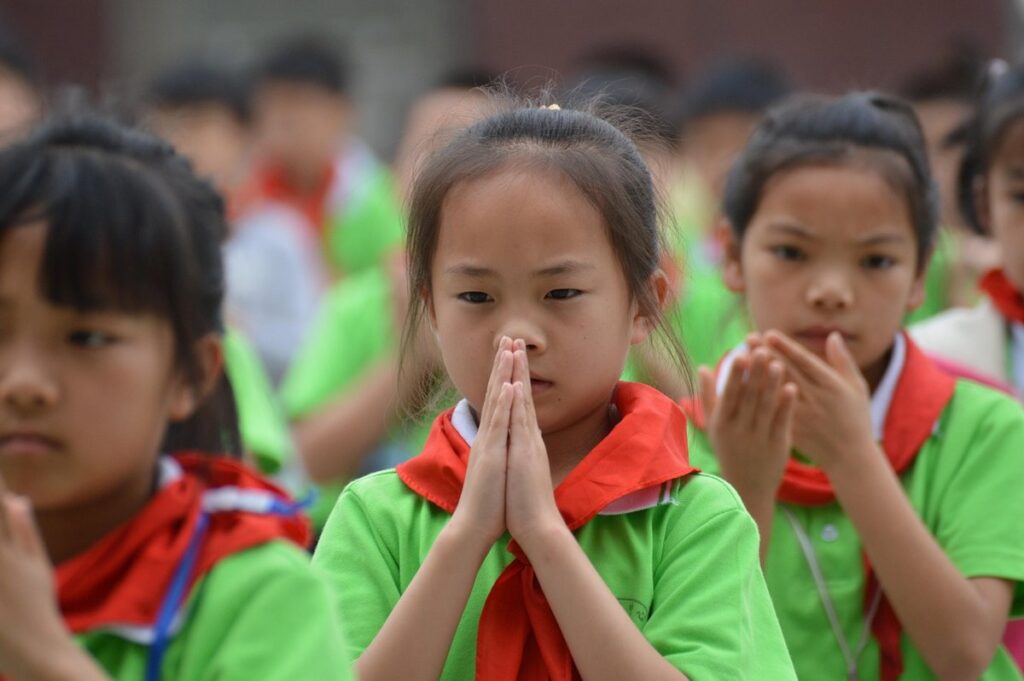
The Science of Gratitude
Research has shown that practicing gratitude can have a profound impact on both our physical and mental well-being, leading to increased happiness and life satisfaction. Let’s explore the fascinating science behind this powerful practice.
Why Gratitude Matters for Mental Health
Research has consistently shown that cultivating gratitude can have a profound impact on mental well-being. One of the key benefits is its ability to reduce stress and anxiety. When we focus on what we’re thankful for, our brain’s stress response system is triggered less frequently, leading to a decrease in cortisol levels. This, in turn, can help alleviate symptoms of anxiety and depression.
Studies have also found that gratitude practice can increase positive emotions such as joy, love, and contentment. By shifting our attention away from what’s lacking in our lives and toward the good things we already have, we can experience a greater sense of fulfillment and happiness.
In addition to these emotional benefits, research has shown that gratitude can even have a physical impact on our bodies. Chronic stress can lead to inflammation, which has been linked to a range of health problems, from cardiovascular disease to obesity. By practicing gratitude, we may be able to reduce this inflammation and promote overall well-being.
Building a Daily Gratitude Practice
Incorporating gratitude into daily routines can be as simple as making space for it. Start by setting aside a few minutes each morning to reflect on what you’re thankful for. You might try journaling, writing down three things that bring you joy or appreciation. This could be something as small as a good cup of coffee or a beautiful sunrise. The key is to focus on the present moment and let go of worries about the past or future.
Another way to build a daily gratitude practice is by sharing your thanks with others. Take a moment each day to express gratitude to someone you interact with, whether it’s a kind word to a stranger or a heartfelt thank-you note to a loved one. You could also try sharing three things you’re grateful for at dinner time, making it a family affair.
Consider using a daily gratitude prompt or exercise to help guide your reflections. For example, you might ask yourself: What did I learn today? Who helped me today? What am I looking forward to tomorrow? By incorporating these simple yet effective strategies into your daily routine, you can cultivate a greater sense of mindfulness and joy.
Setting the Foundation: Letting Go of Negative Patterns
One of the most significant obstacles to cultivating a grateful heart is releasing negative patterns that drain our energy and distract us from what’s truly important. To start fresh, we must let go of these habits first.
Recognizing and Challenging Negative Thought Patterns
Negative thought patterns can quietly erode our capacity for gratitude. One common pattern is rumination – dwelling on past regrets or worrying about future outcomes. This mental loop reinforces a sense of inadequacy and makes it difficult to appreciate the present moment.
Another insidious pattern is self-criticism, where we judge ourselves harshly for perceived shortcomings. This self-talk can be especially damaging when tied to daily struggles or setbacks. For instance, if you struggle with time management, self-criticism might lead you to believe you’re a “failure” or “ineffective.”
To recognize and challenge these patterns, try the following:
- Identify your triggers: Reflect on situations where rumination or self-criticism tends to arise.
- Challenge negative self-talk: Replace critical inner voices with kind, realistic ones – for example, acknowledging that everyone struggles with time management.
- Practice mindfulness: Regular mindfulness practice can help you stay present and less prone to getting caught in mental loops.
The Power of Self-Compassion in Gratitude Practice
When cultivating self-compassion, you’re more likely to let go of self-judgment and criticism. This mindset shift can significantly contribute to a more grateful outlook. Self-criticism often stems from an unrealistic expectation of perfection. When you fail to meet these expectations, guilt and shame creep in, making it challenging to appreciate the good things in your life.
To cultivate self-compassion, practice acknowledging and accepting yourself as you are – with all your strengths and weaknesses. Be gentle with yourself when mistakes occur. Recognize that everyone makes errors and that they’re an essential part of growth.
One practical exercise is to reframe negative self-talk into a kinder, more compassionate tone. Replace harsh criticisms with affirmations that acknowledge your efforts and humanity. For example, instead of saying “I’m such a failure,” say “I made a mistake, but I’ll learn from it.” This subtle shift in language can help you develop a more empathetic relationship with yourself.
By letting go of self-judgment and criticism, you create space for gratitude to flourish. You begin to appreciate your strengths and accomplishments and recognize the beauty in your imperfections.
Cultivating Mindfulness Through Gratitude
As we explore ways to cultivate mindfulness, gratitude plays a vital role in shifting our perspective and setting a positive tone for the day. Let’s examine how expressing gratitude can become a powerful mindfulness practice.
Mindful Moments: Bringing Awareness to Daily Experiences
When engaging in daily activities like eating or walking, you can cultivate mindfulness by focusing on the sensory details. For example, as you take a bite of food, pay attention to its texture, temperature, and flavor. Savor each mouthful, noticing how different sensations combine to create a complete experience. You might also reflect on the people who helped bring this meal to your table – farmers, cooks, or family members.
During walks, try paying attention to the sensation of your feet touching the ground, the sounds around you, and the smells in the air. Notice how these sensory inputs change as you move through different environments. This heightened awareness can transform mundane tasks into mindful moments that nourish both body and soul.
To integrate mindfulness into daily activities, start small by setting aside a few minutes each day to focus on your senses. Try incorporating brief pauses during meals or walks to take in the sights, sounds, and smells around you. As you cultivate this awareness, you’ll begin to notice subtle shifts in your experience of everyday life – more appreciation for simple pleasures, greater calm amidst chaos, and a deeper sense of connection to yourself and others.
Using Sensory Details to Enhance Gratitude
Paying attention to sensory details can transform your daily gratitude practice. When you focus on the sights, sounds, smells, tastes, and textures around you, you tap into a deeper sense of appreciation for life’s simple joys. For instance, instead of simply thinking “I’m grateful for my family,” try to recall specific moments with them – like the way your child’s laughter sounds or the warmth of their hug. Notice the sensation of holding a warm cup of coffee on a chilly morning, savoring the aroma and taste.
To incorporate sensory details into your gratitude practice, take a few minutes each day to write down three things you’re thankful for. As you reflect on each item, try to engage as many senses as possible. For example, if you’re grateful for a delicious meal, describe not just how good it tasted but also the colors of the food, the sounds of sizzling, and the aromas that filled the kitchen.
When focusing on sensory details, remember to slow down and be present in the moment. This mindfulness can help shift your attention from what’s lacking in life to the abundance that surrounds you.
Fostering Connection: Sharing Gratitude with Others
Expressing gratitude to others is a powerful way to build meaningful relationships and create a positive impact on those around you, fostering deeper connections. By sharing your thanks, you can strengthen bonds and spread joy in all directions.
The Benefits of Social Gratitude
Sharing gratitude with others has a profound impact on our relationships and social connections. When we express appreciation for someone’s presence or contributions, it strengthens bonds and fosters empathy. This is because gratitude encourages us to focus on the positive aspects of our interactions, rather than dwelling on grievances.
One way to experience this benefit is by practicing regular acts of gratitude towards others in your daily life. For instance, you might send a thank-you note to a colleague who helped with a project or express appreciation for a friend’s listening ear after a tough day. These small gestures can have a significant impact when done consistently.
Research has shown that people who regularly practice social gratitude tend to build stronger, more resilient relationships and report higher levels of life satisfaction. They also tend to be better at empathizing with others and are more inclined to help those in need. By incorporating social gratitude into your daily routine, you can tap into these benefits and cultivate a more supportive community around you.
When expressing gratitude, it’s essential to be specific and sincere. Avoid generic phrases or insincere thanks – instead, try to highlight the exact qualities or actions that you appreciate. This not only shows genuine appreciation but also helps others feel valued and recognized.
Expressing Gratitude in Everyday Interactions
Expressing gratitude in everyday interactions can be as simple as sharing a kind word with a colleague or expressing appreciation for a loved one’s efforts. Start by being genuinely present in conversations and actively listening to others, which allows you to acknowledge their contributions and express gratitude more naturally.
When interacting with strangers, such as store clerks or servers, take the opportunity to thank them for their service. A simple “thank you” can brighten someone’s day and create a positive atmosphere. You might also ask how their day is going or show interest in their work, which can lead to meaningful connections.
In relationships, express gratitude through small gestures like writing a heartfelt note or surprise gift. Be specific about what you’re grateful for, whether it’s a partner’s support during a challenging time or a friend’s help with a project. By doing so, you’ll not only strengthen bonds but also create opportunities for others to reciprocate and show appreciation in return.
In any situation, be mindful of your tone and body language when expressing gratitude. A sincere smile and genuine enthusiasm can make even the smallest expressions of thanks feel more authentic and impactful.
Overcoming Obstacles: Navigating Challenges to Gratitude Practice
Life can get in the way of our gratitude practice, and it’s normal to face obstacles that make it hard to stay on track. We’ll explore common challenges and share practical strategies for overcoming them.
Common Barriers to Establishing a Daily Gratitude Practice
Lack of motivation is often cited as a major obstacle to establishing a daily gratitude practice. You might feel like you’re too busy, or that it’s just one more thing to add to your already overwhelming schedule. However, the truth is that even small moments of gratitude can have a significant impact on your mental health.
Feeling overwhelmed by negative emotions is another common barrier. You may be struggling with anxiety, depression, or trauma, making it difficult to focus on the positive aspects of your life. In these situations, it’s essential to approach gratitude practice with compassion and kindness towards yourself. Start small – perhaps committing to a daily journal entry or sharing three things you’re grateful for at dinner time.
Some people may also struggle with feeling like they don’t have anything to be grateful for. This can be due to financial struggles, health issues, or other challenges. In these cases, it’s essential to broaden your definition of gratitude. Consider the small pleasures in life, such as a good cup of coffee, a beautiful sunset, or a supportive friend. By shifting your focus to the present moment and cultivating mindfulness, you can begin to appreciate the beauty in even the most mundane aspects of life.
In addition to these common barriers, some people may also struggle with feelings of guilt or inadequacy when it comes to practicing gratitude.
Strategies for Maintaining Momentum in Gratitude Practice
When setbacks arise, it’s essential to address them proactively to maintain momentum in gratitude practice. One strategy is to establish a “gratitude anchor.” This involves designating a specific time each day or week for reflecting on what you’re grateful for. Even if life gets busy, this consistent reminder can help keep gratitude top of mind.
Another approach is to incorporate gratitude into daily routines. For instance, write down three things you appreciate before bed, or share your gratitude with a friend over coffee in the morning. Making gratitude an integral part of daily habits can make it feel more automatic and less prone to being neglected when challenges arise.
Some practical tips for maintaining momentum include:
• Tracking your progress: Keep a gratitude journal or use a mobile app to monitor your daily entries.
• Setting reminders: Schedule regular check-ins with yourself to reflect on your gratitude practice.
• Finding accountability: Share your goals with a friend and ask them to hold you accountable.
Embracing the Journey: Long-Term Benefits and Applications
As you continue on your mindfulness journey, let’s explore how cultivating gratitude can have a profound impact on various aspects of our lives over time. By embracing this mindset, we can experience lasting benefits and new applications for growth.
The Ripple Effect of Daily Gratitude
As you continue to cultivate gratitude on a daily basis, you may start to notice a ripple effect in various areas of your life. This phenomenon is not limited to mental health benefits, but also spills over into relationships and overall well-being.
One key area where the effects of daily gratitude are evident is in relationships. When you practice gratitude, you become more aware of the people around you and the positive contributions they make to your life. You start to appreciate their efforts, values, and unique qualities, leading to stronger bonds and a greater sense of connection with others.
In addition to interpersonal connections, daily gratitude can also have a profound impact on your mental health. By focusing on the good things in your life, you become more resilient to stress and adversity. This, in turn, can lead to improved mood, reduced anxiety, and enhanced overall well-being.
Practically speaking, you may notice that others begin to reciprocate your gratitude, creating a positive feedback loop that reinforces the benefits of your daily practice. By acknowledging and appreciating the good things in your life, you set yourself up for a more harmonious and fulfilling existence.
Applying Gratitude Principles to Specific Life Situations
Applying gratitude principles to specific life situations can be particularly challenging when navigating grief or loss. For instance, after losing a loved one, it may feel insensitive or superficial to focus on gratitude. However, incorporating small acts of gratitude into your daily routine can help you process and cope with the emotions that come with bereavement.
Consider keeping a gratitude journal specifically dedicated to your loved one. Write down memories, experiences, or qualities you’re grateful for in their presence. This can be as simple as being thankful for the time spent together, the laughter shared, or the lessons learned from them. Practicing gratitude in this way can help shift your focus from what’s lost to what remains.
In situations like these, it’s essential to acknowledge and validate your emotions rather than suppressing them. Allow yourself to feel the pain of loss while also acknowledging the beauty and love that existed during your time together. By doing so, you’ll find that gratitude becomes a powerful tool for healing and growth, helping you move forward with greater resilience and hope.
Frequently Asked Questions
Can I Start Practicing Gratitude Without Focusing on Negative Thoughts?
Yes, it’s possible to cultivate gratitude without dwelling on negative thoughts. Begin by focusing on small, manageable steps, such as writing down three things you’re grateful for each day or sharing gratitude with a friend. As you progress, you can gradually work on addressing and reframing negative thought patterns.
What If I’m Struggling to Maintain My Gratitude Practice During Difficult Times?
It’s not uncommon for challenges like grief, loss, or significant life changes to make it harder to maintain a daily gratitude practice. In such cases, try to be kind to yourself and acknowledge your emotions. Break down your practice into smaller, more achievable tasks, and focus on expressing gratitude in the present moment.
How Can I Effectively Incorporate Gratitude into My Daily Routine When Life Gets Busy?
When faced with hectic schedules, it’s essential to prioritize your daily gratitude practice. Consider incorporating small moments of gratitude into your existing routine, such as during morning or evening commutes, right after waking up, or before bed. Even a brief moment of reflection can be beneficial.
Can I Adapt My Gratitude Practice for Different Cultures and Traditions?
Adapting your gratitude practice to align with diverse cultures and traditions is not only possible but also enriching. For instance, you could incorporate elements from various spiritual practices, such as meditation or prayer, into your daily routine. The key is to find what resonates with you personally while still honoring the core principles of gratitude.
What If My Family Members or Roommates Don’t Share My Interest in Gratitude Practice?
It’s not uncommon for those around us to have varying interests and perspectives on personal practices like gratitude. While it’s lovely to share your experiences, respect their choices and boundaries. Focus on nurturing a positive atmosphere by being open to discussions and engaging in respectful dialogue about the benefits of gratitude when they’re interested.
How Can I Measure the Success of My Gratitude Practice?
Measuring success in a gratitude practice can be subjective, as it often involves intangible changes like improved mental well-being or stronger relationships. Reflect on how you feel, your interactions with others, and any noticeable shifts in your perspective over time. Celebrate small victories along the way and acknowledge that progress may not always be linear.